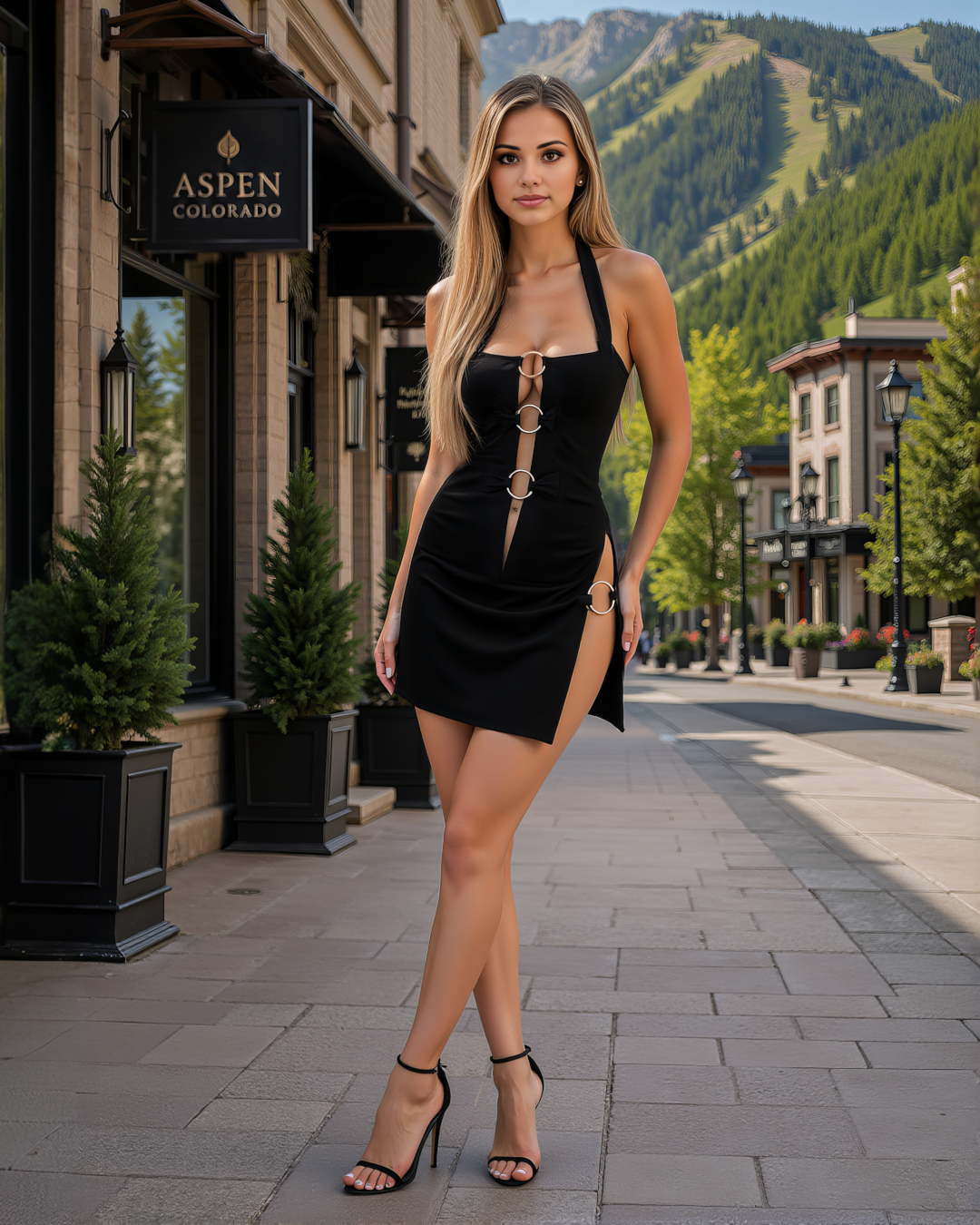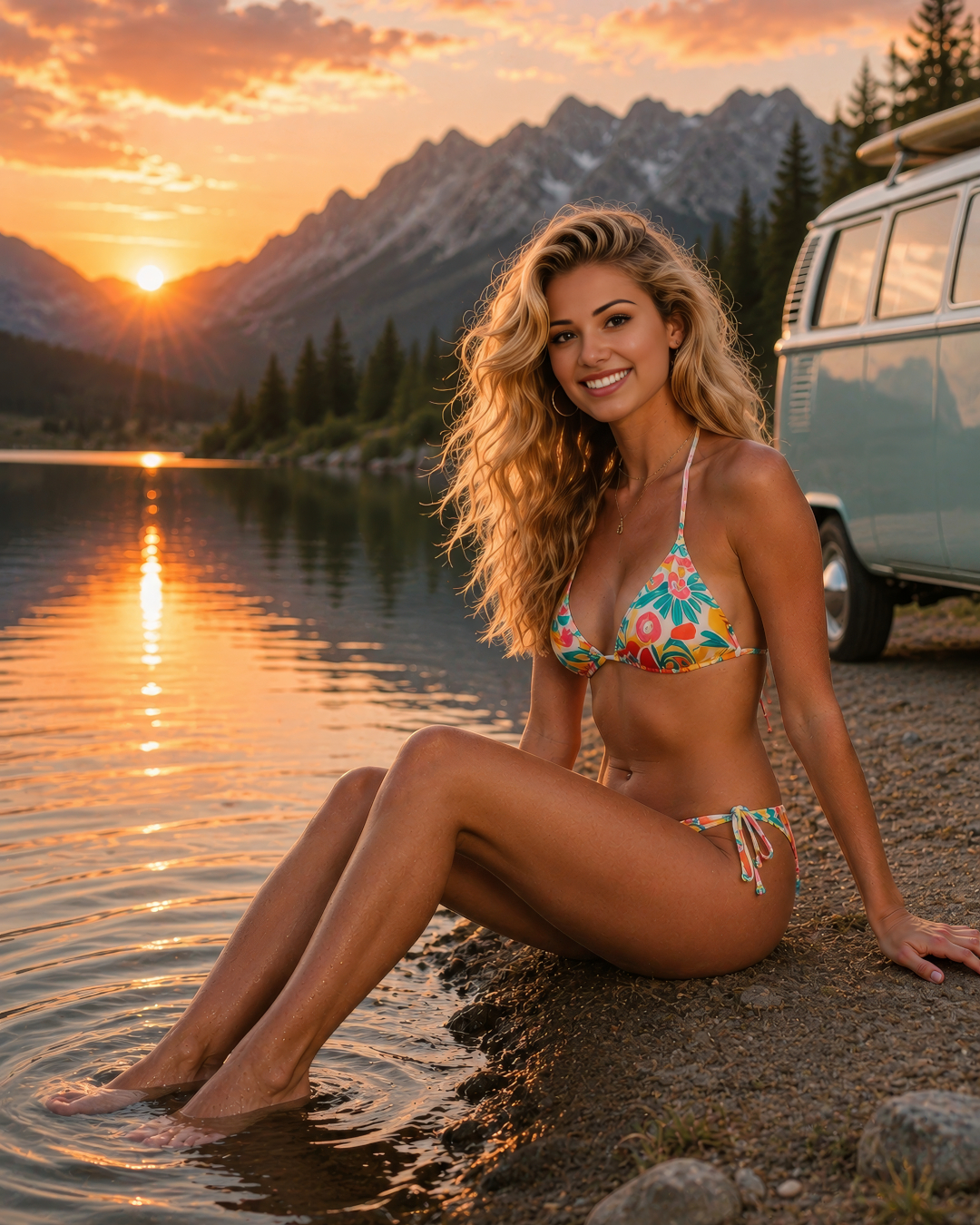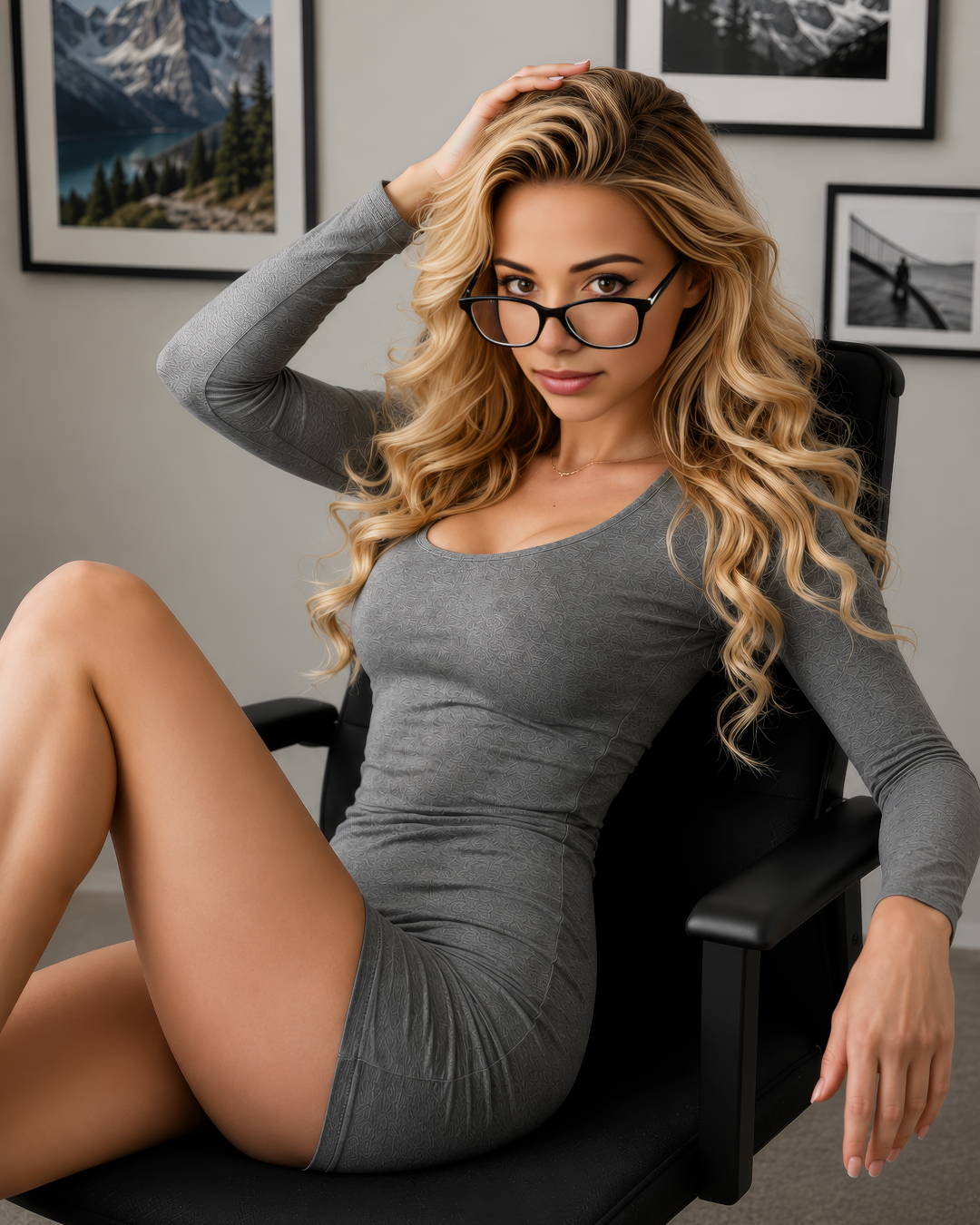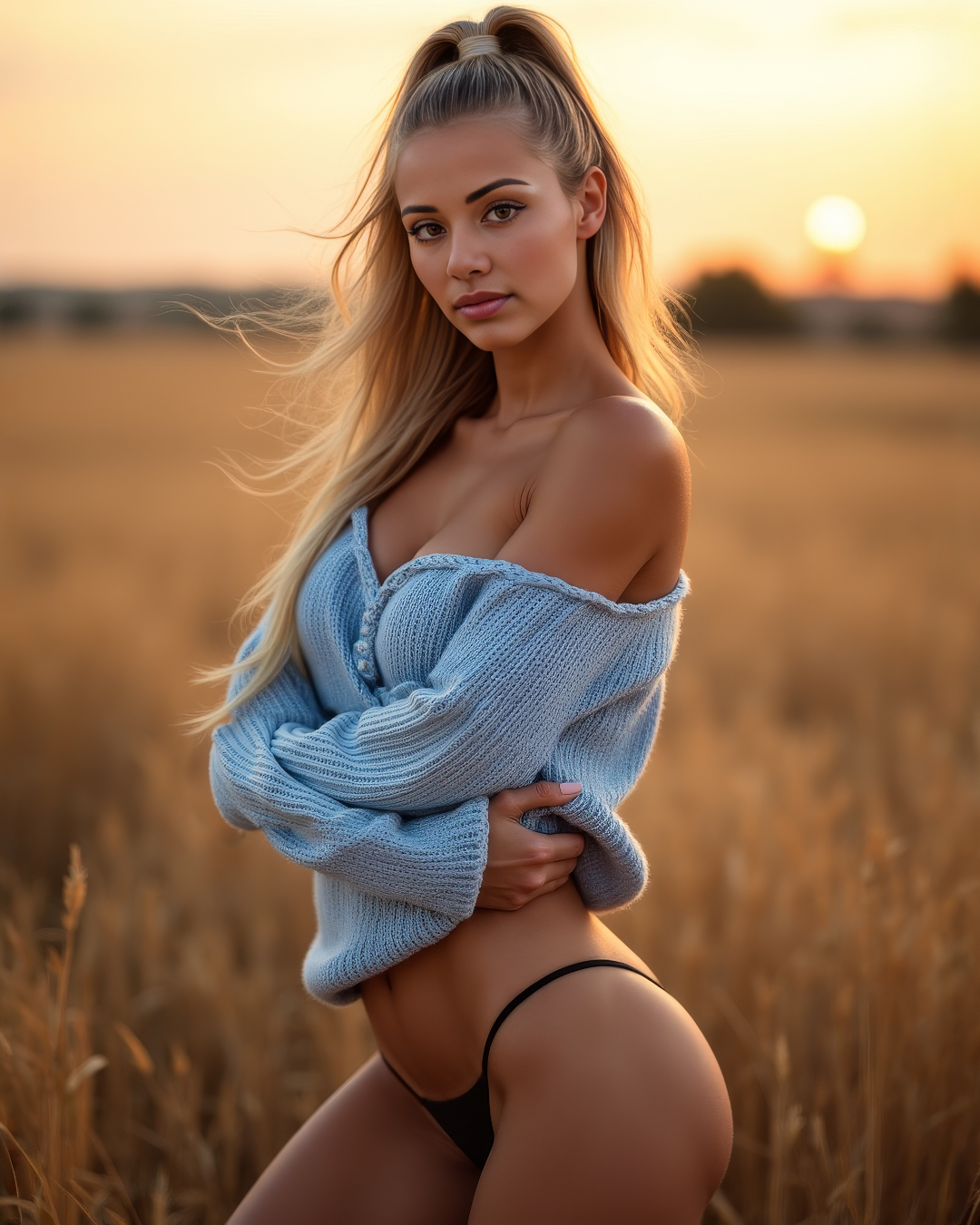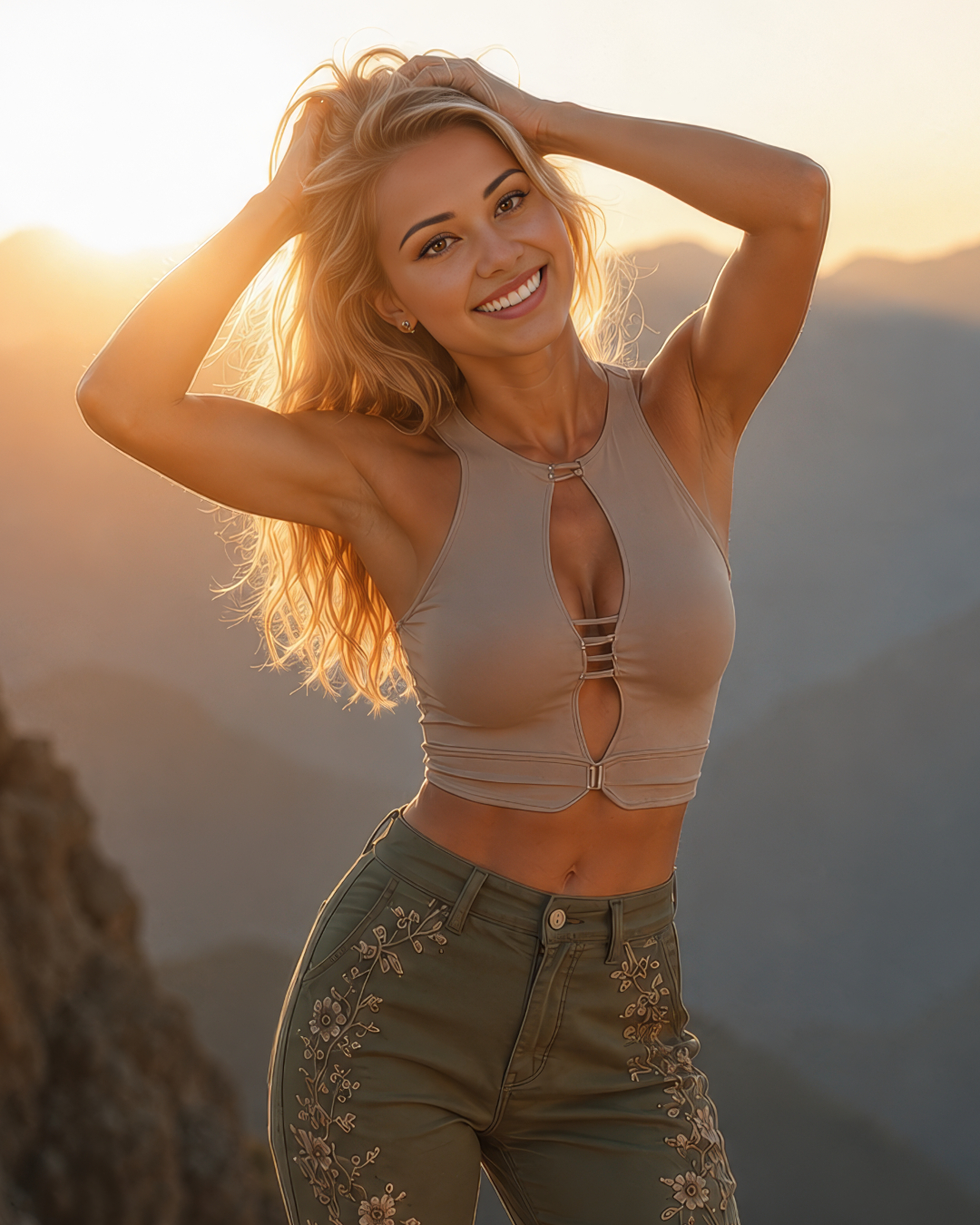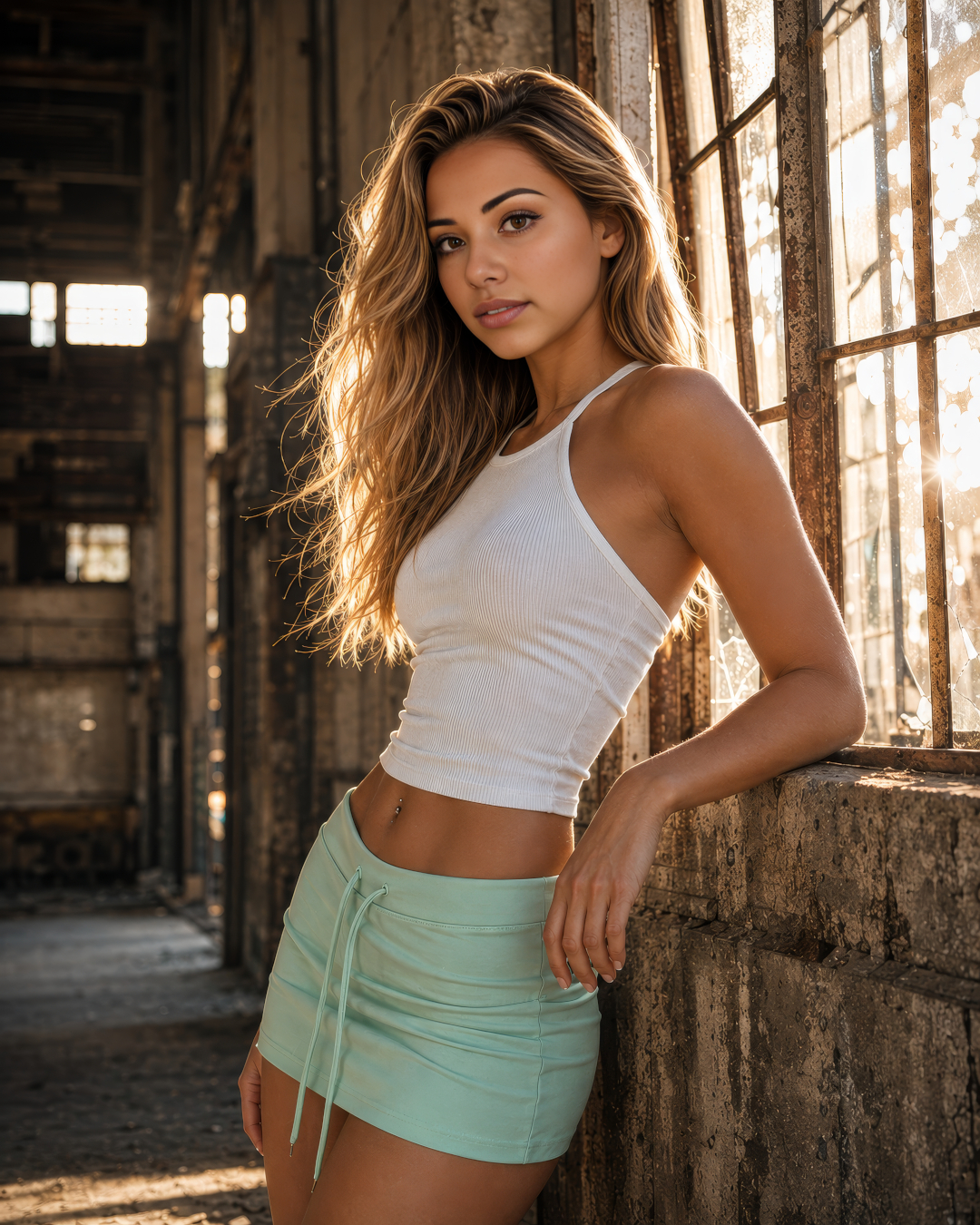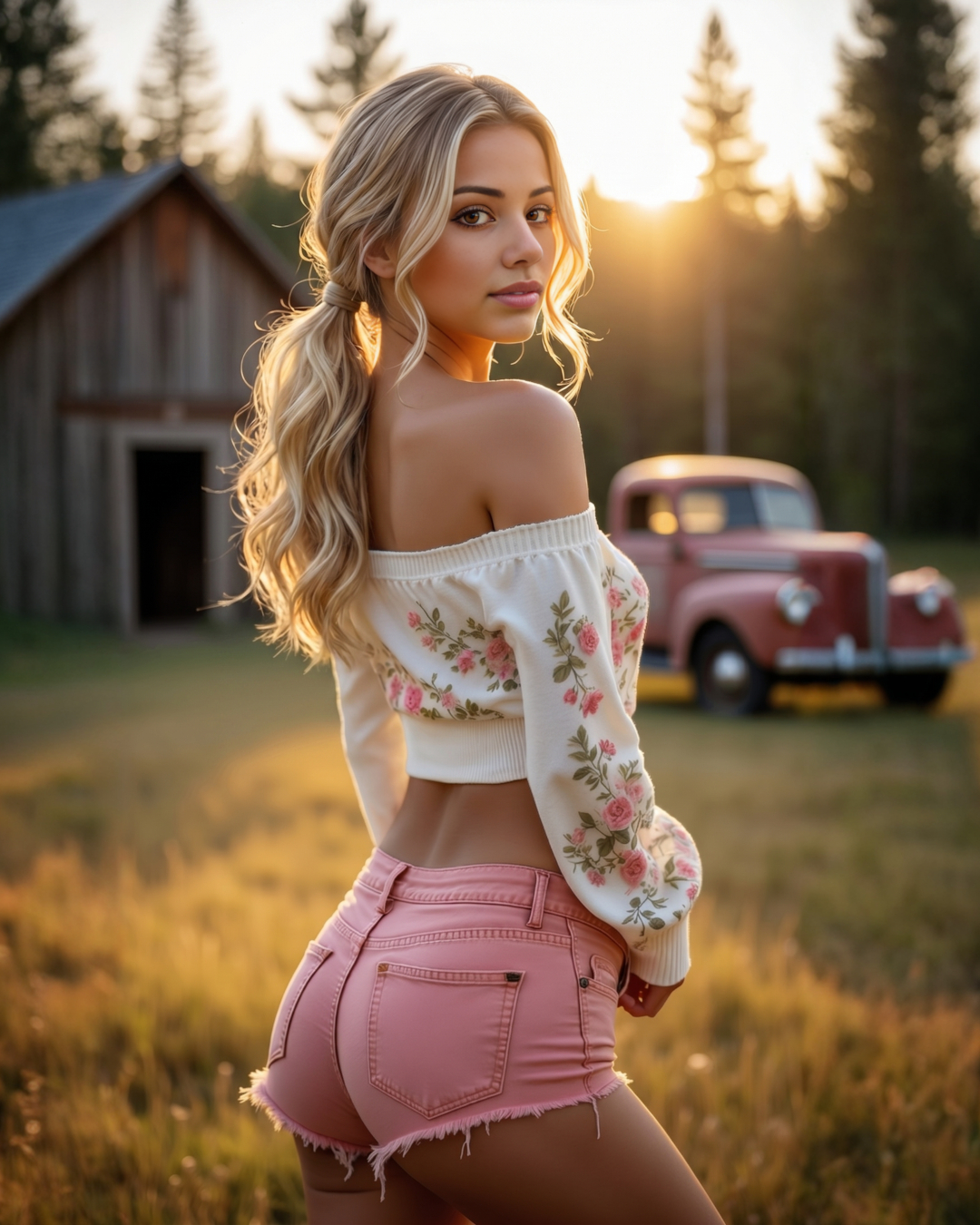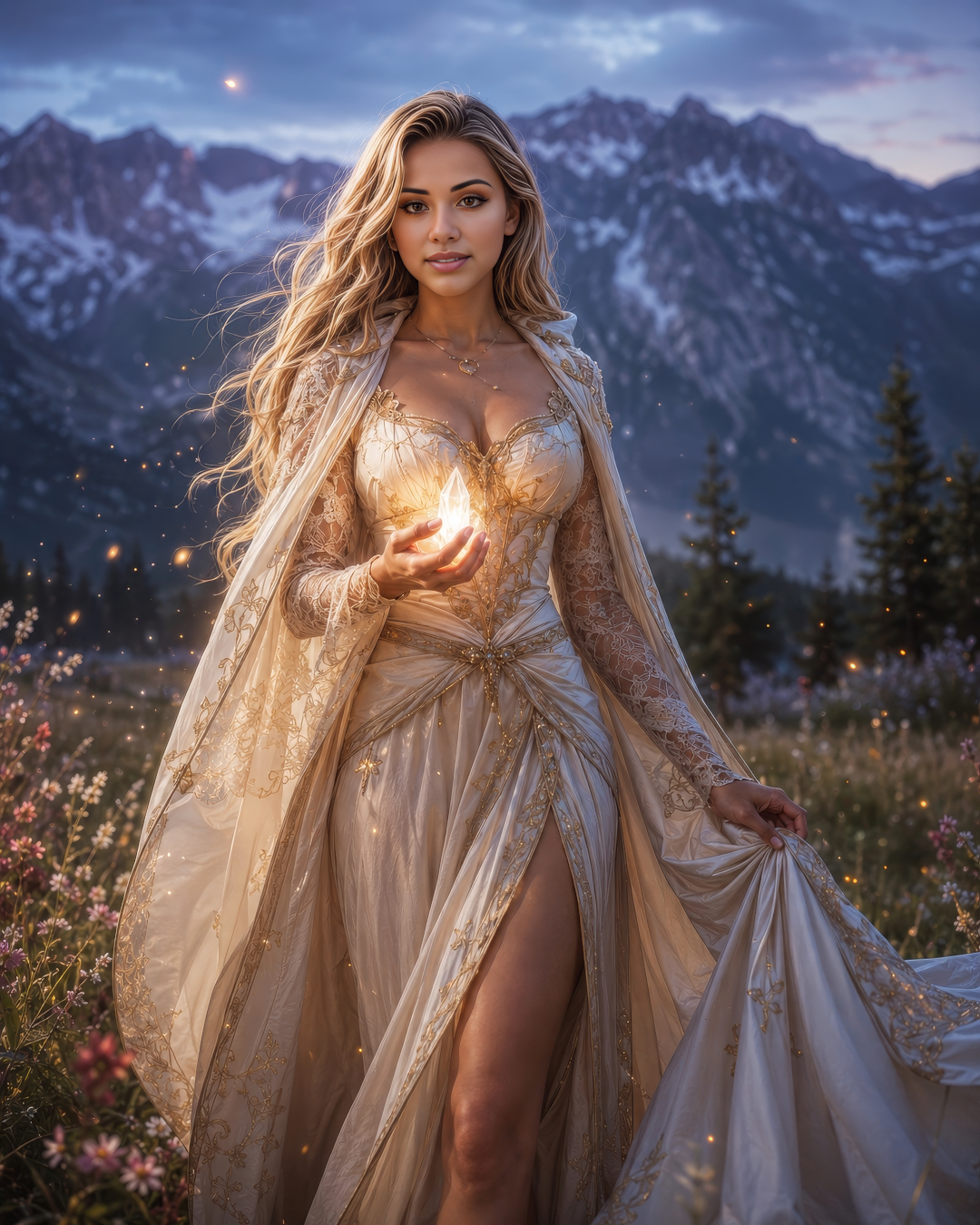
Lairissa Lee - Sketching

From Sketchbook to Reality

Every fashion look begins the same way — with a blank page.

Before the fabrics, before the photos, before the final styling, there is simply an idea. A few pencil lines in a sketchbook where shapes, fabrics, and silhouettes start to take form.

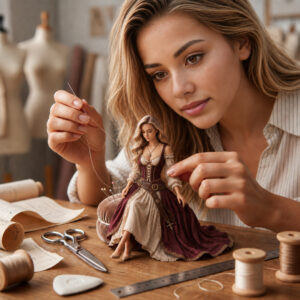
For this project I wanted to explore the creative process behind fashion design. Each look in this series began as a simple concept sketch, surrounded by the tools of the design desk. From there, the design was translated into a finished look, bringing the illustration to life.

What started as graphite lines and colored pencil shading became five completely different styles — from elegant evening couture to playful summer fashion and intimate lingerie design.

These are the pages from my sketchbook.

Look I – Ivory Evening

The first design began with a classic silhouette. An off-shoulder satin gown with a folded bodice and a sweeping train. The goal was timeless elegance — the kind of dress that feels at home in candlelight and marble halls.

The finished look captures the softness and movement of satin while preserving the original structure of the sketch.

Look II – Alpine Resort

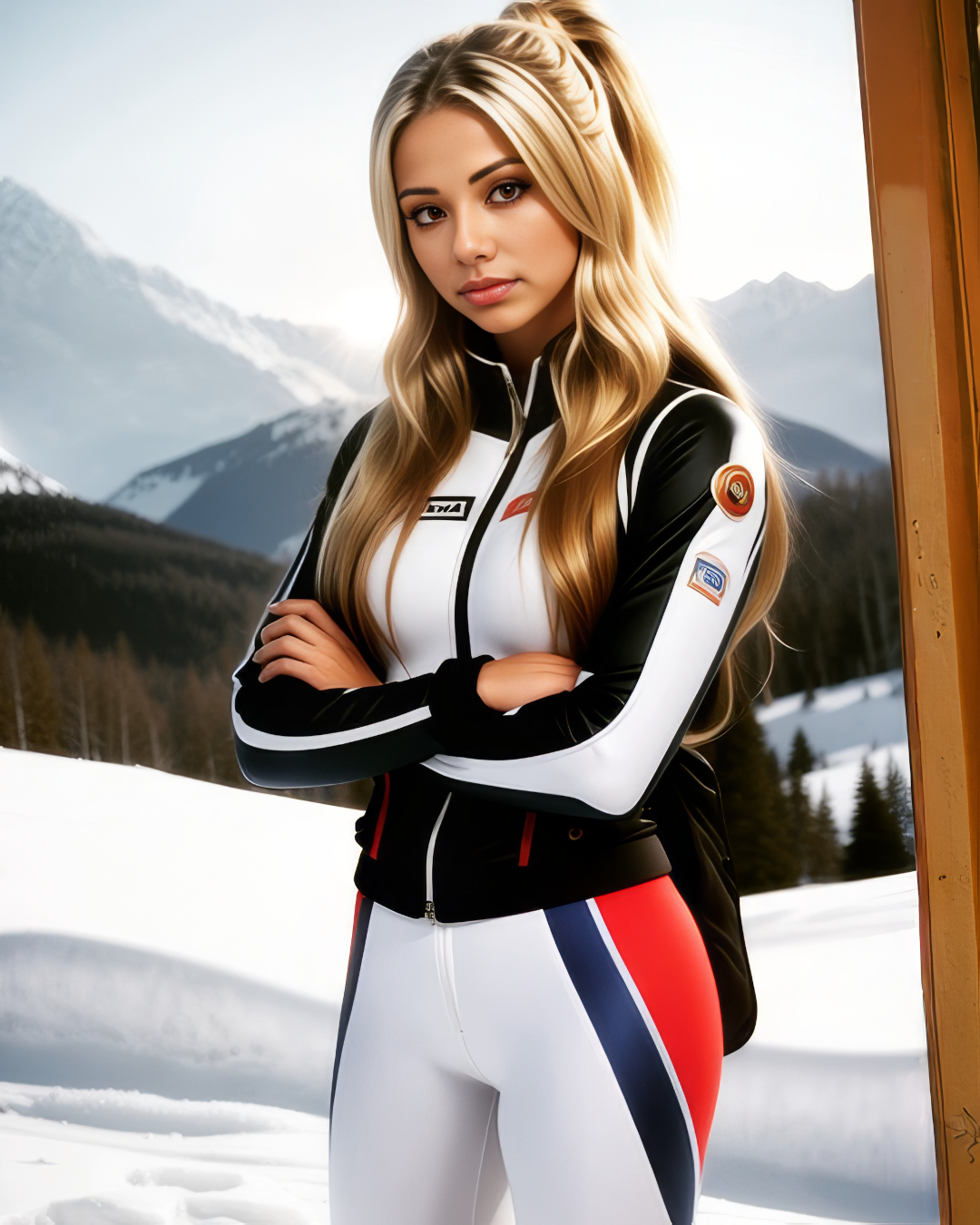
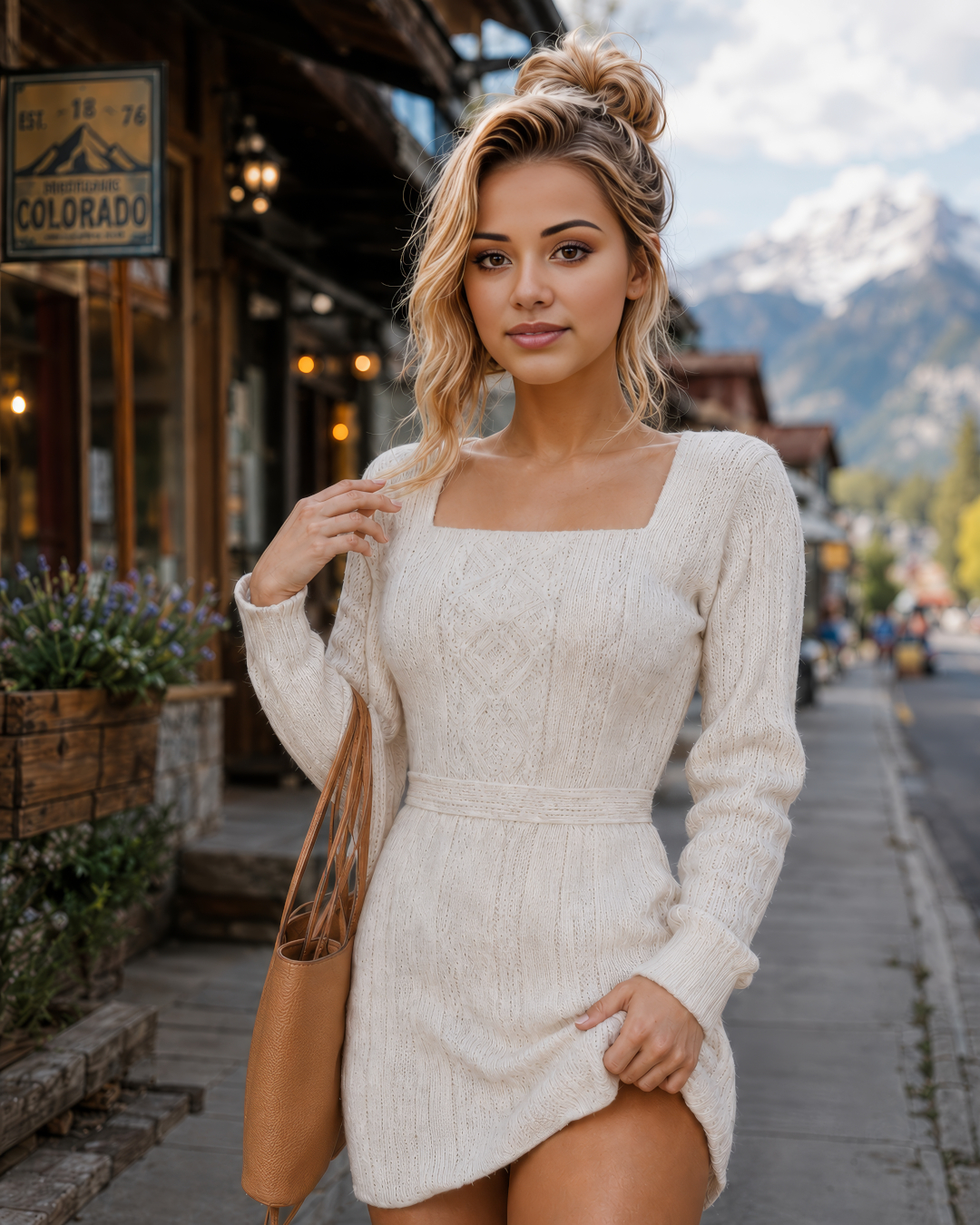
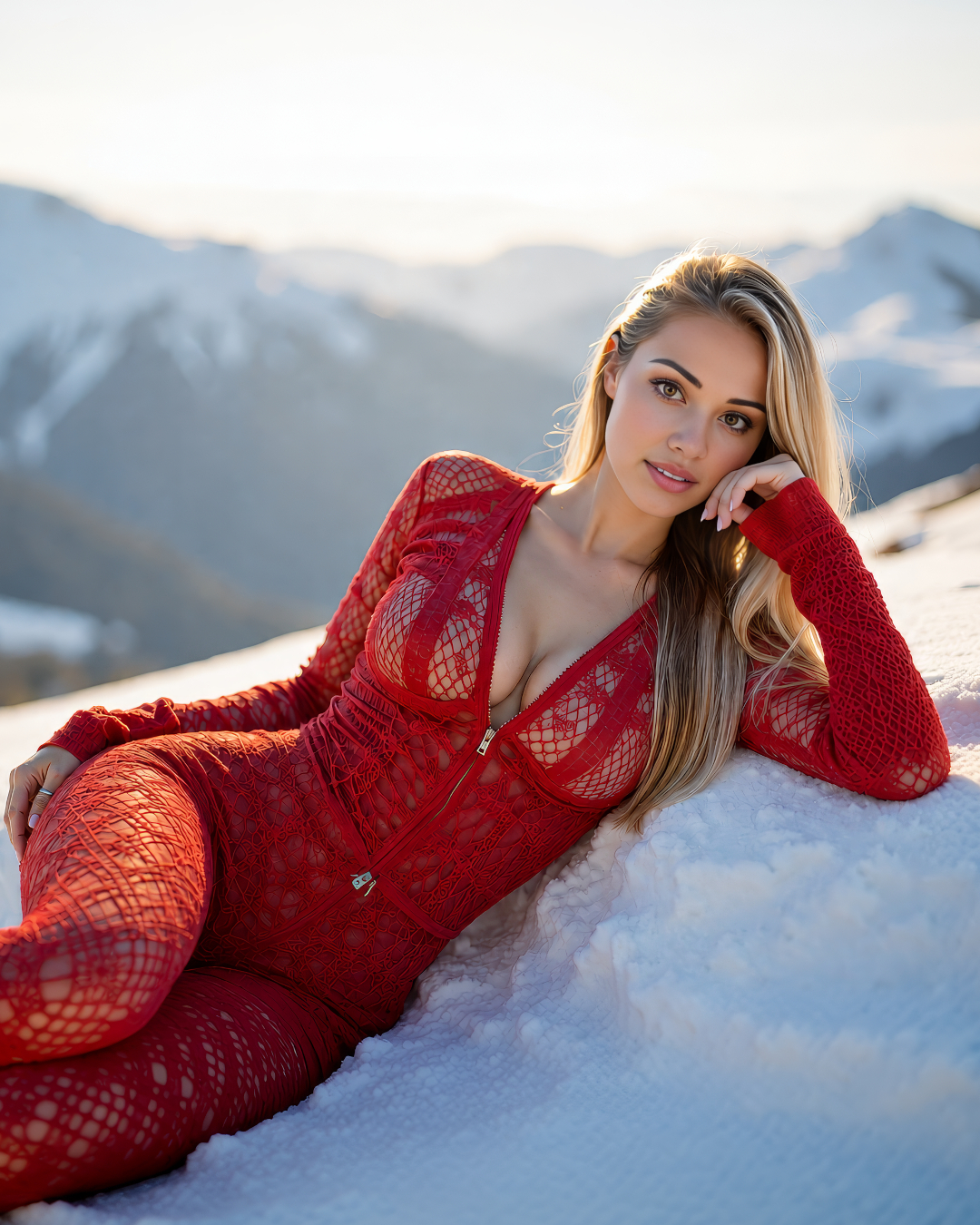
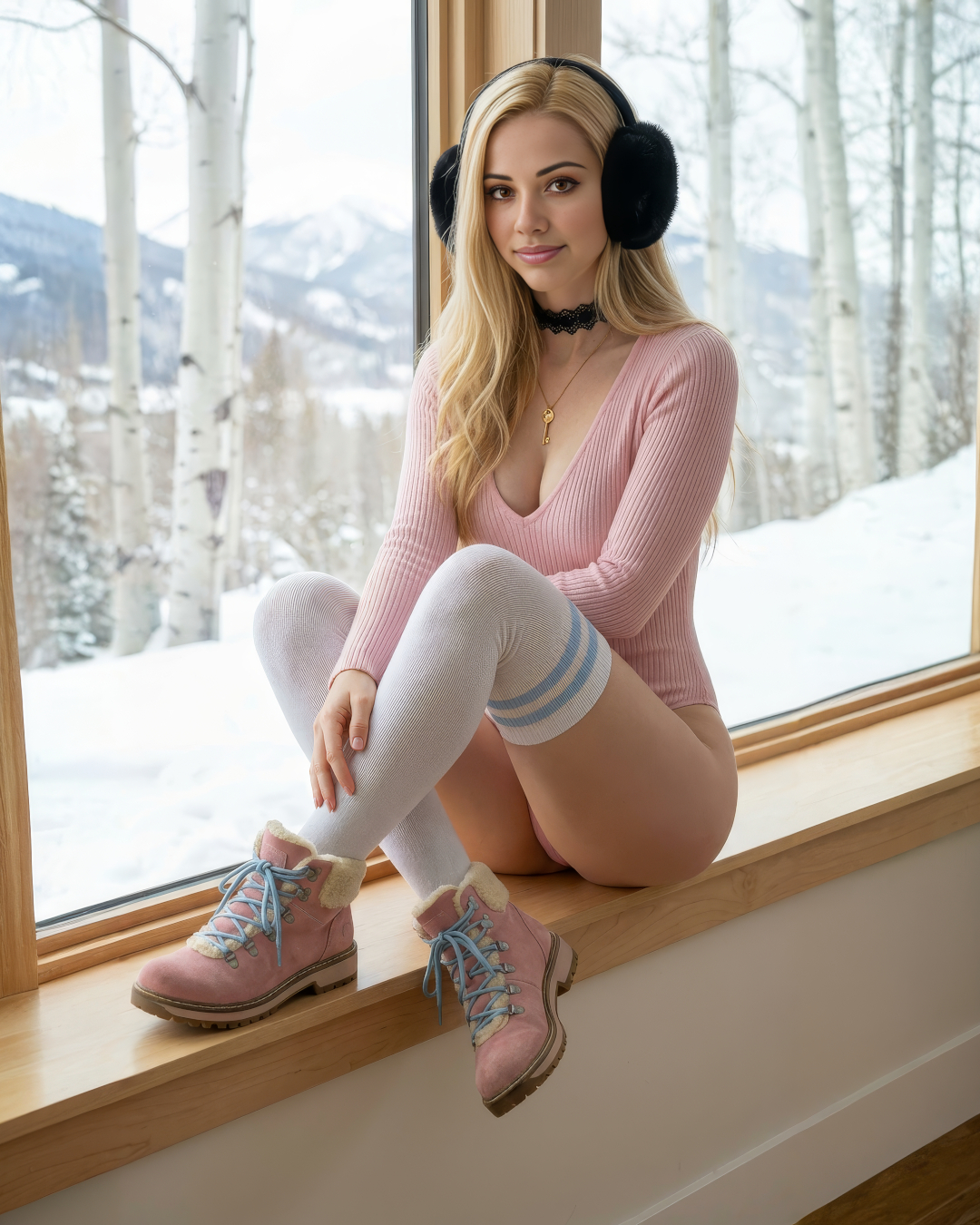
For the second look I shifted toward winter fashion. A fitted knit sweater dress paired with tall suede boots and a simple leather belt — the kind of effortless style that belongs in a mountain lodge overlooking the Rockies.

Warm light and alpine scenery completed the look, translating the cozy sketch into a modern resort outfit.

Look III – Lavender Summer

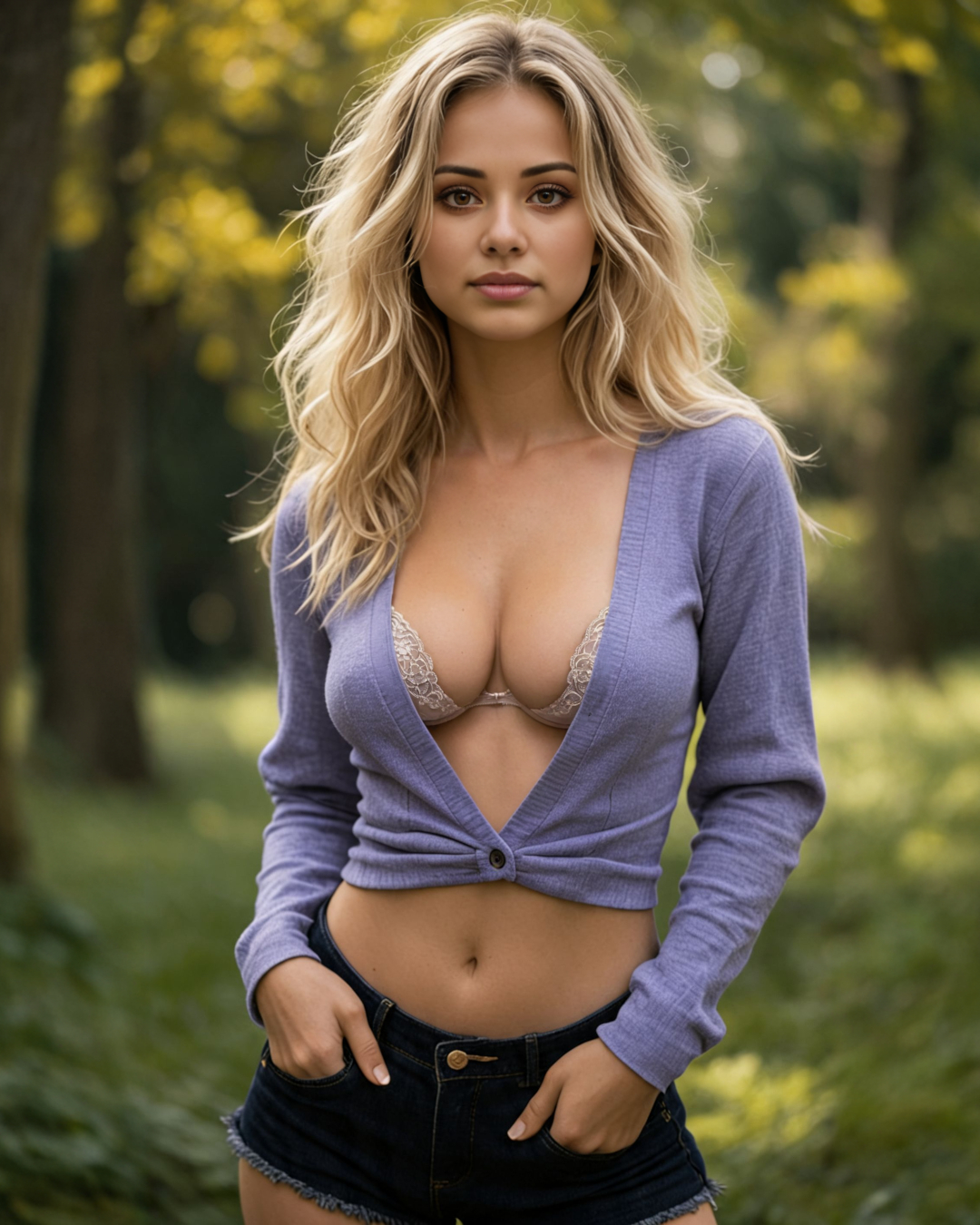
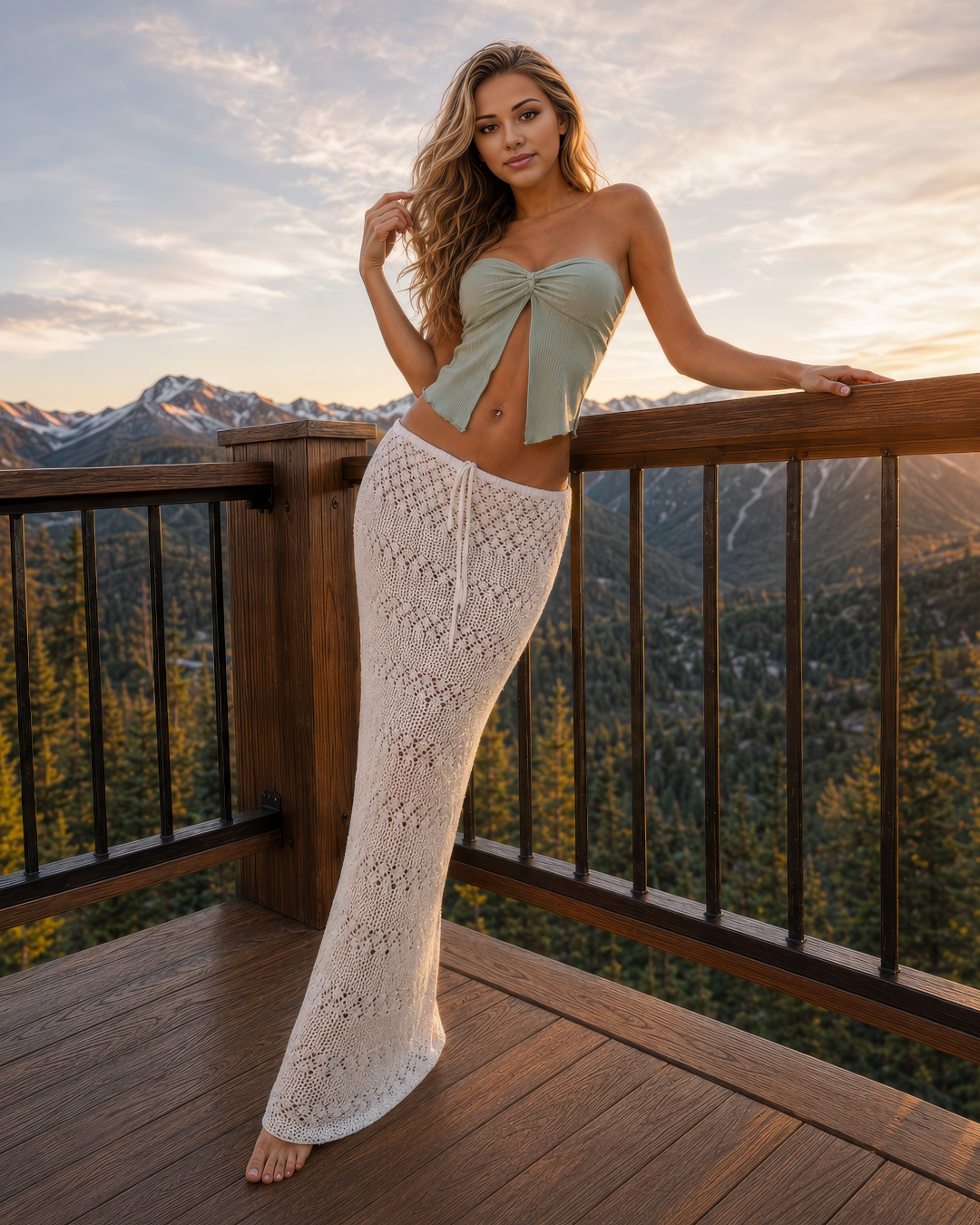
The third design moves into summer. A playful asymmetric top and flowing lavender skirt create movement and softness in the silhouette. The goal was something light and romantic.

Set among wildflowers at sunset, the finished look reflects the airy feeling of the original design.

Look IV – Silk & Lace

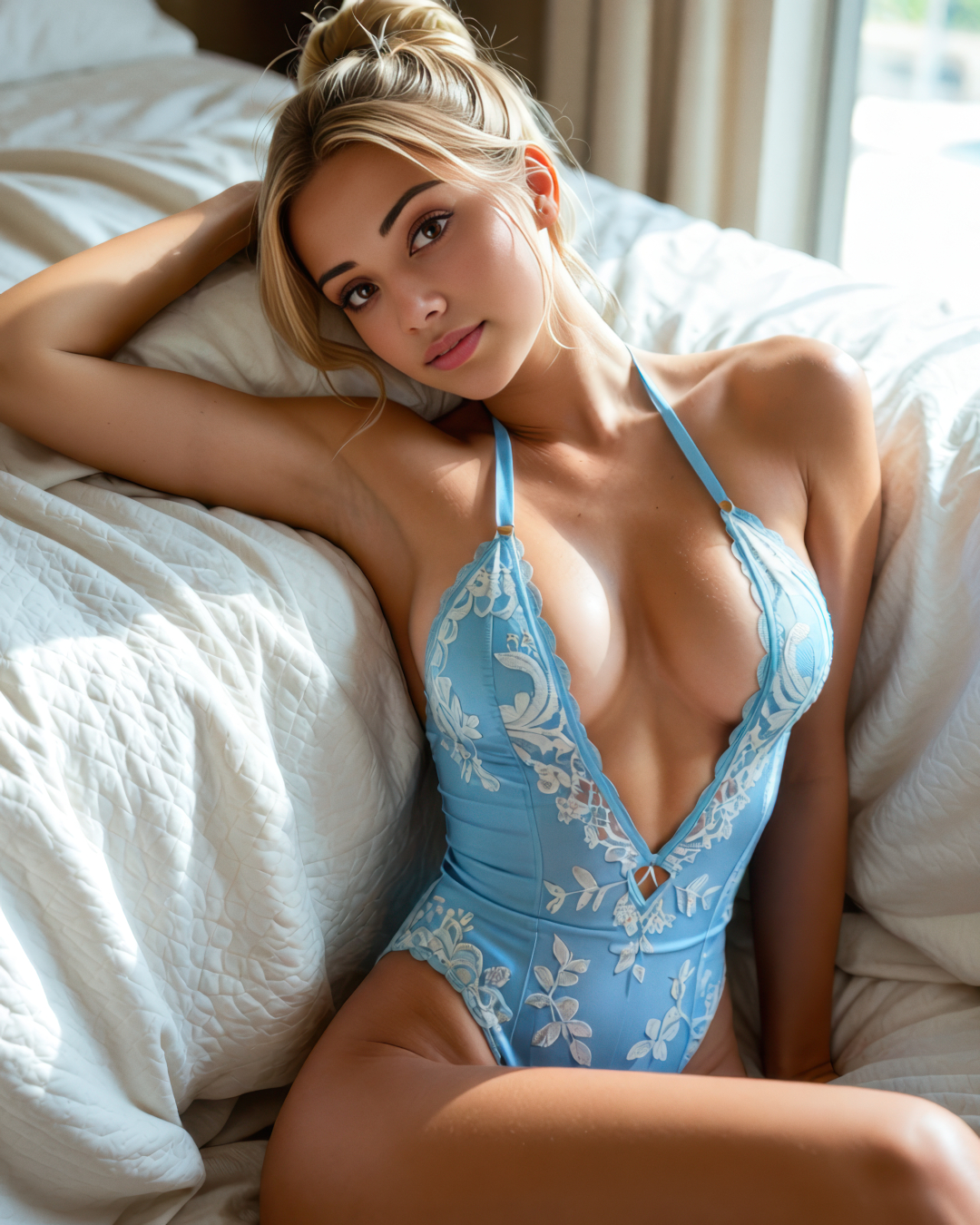
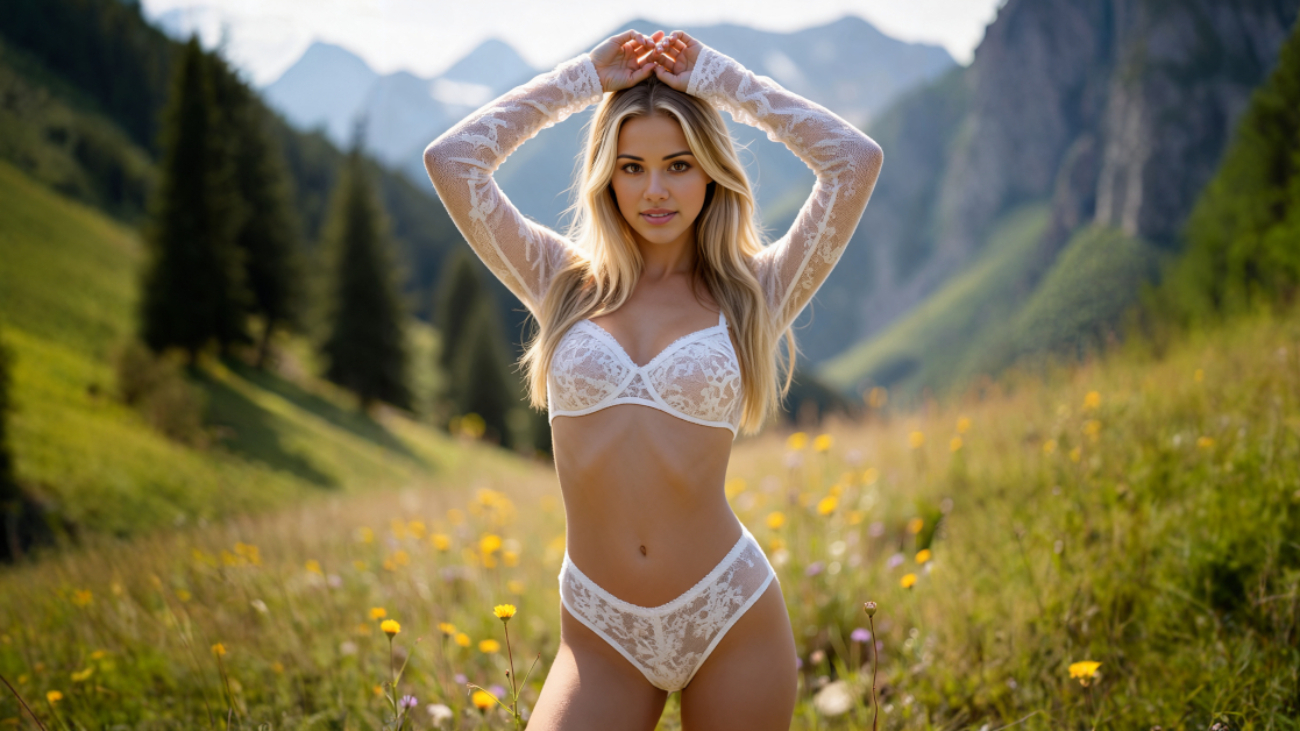
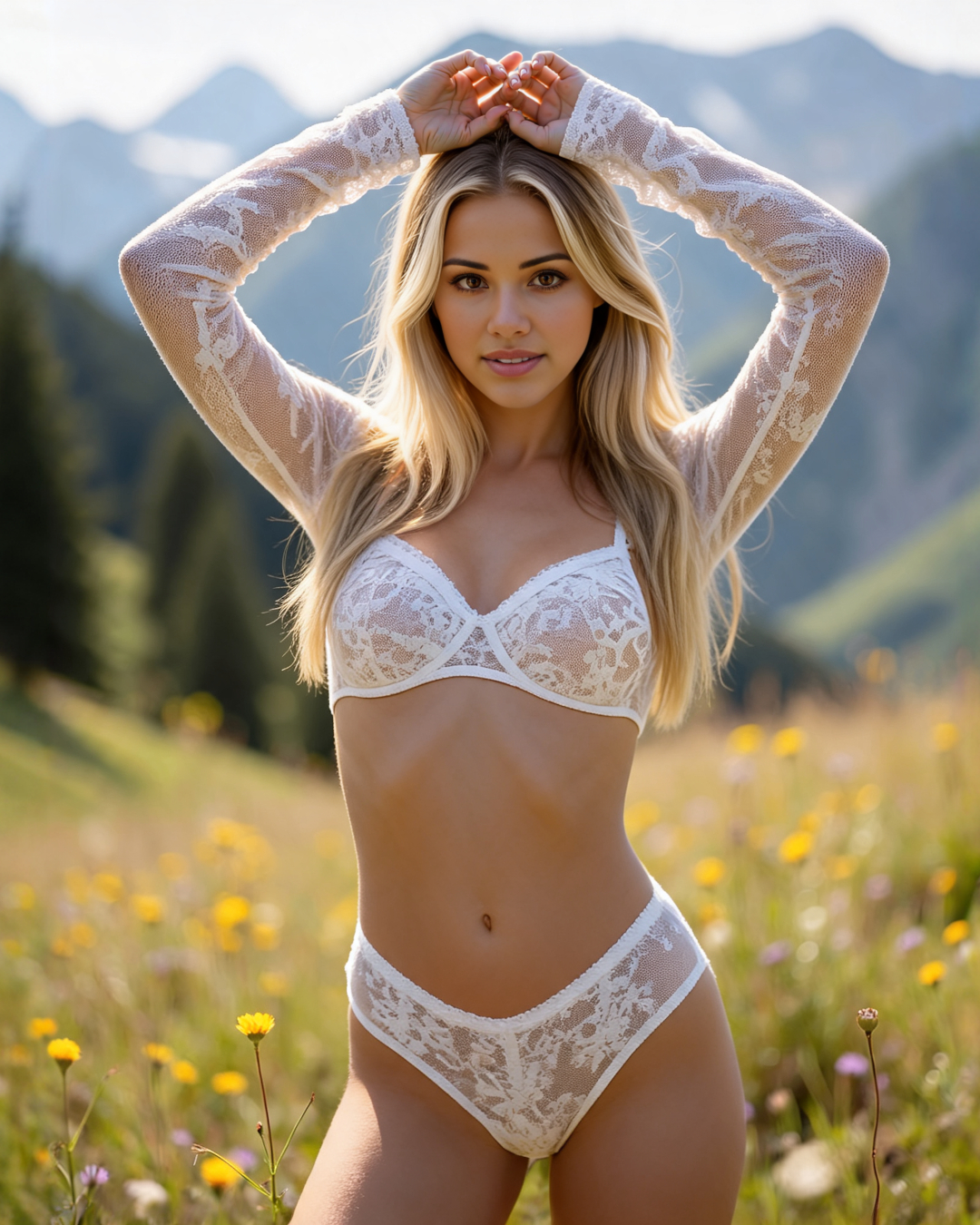
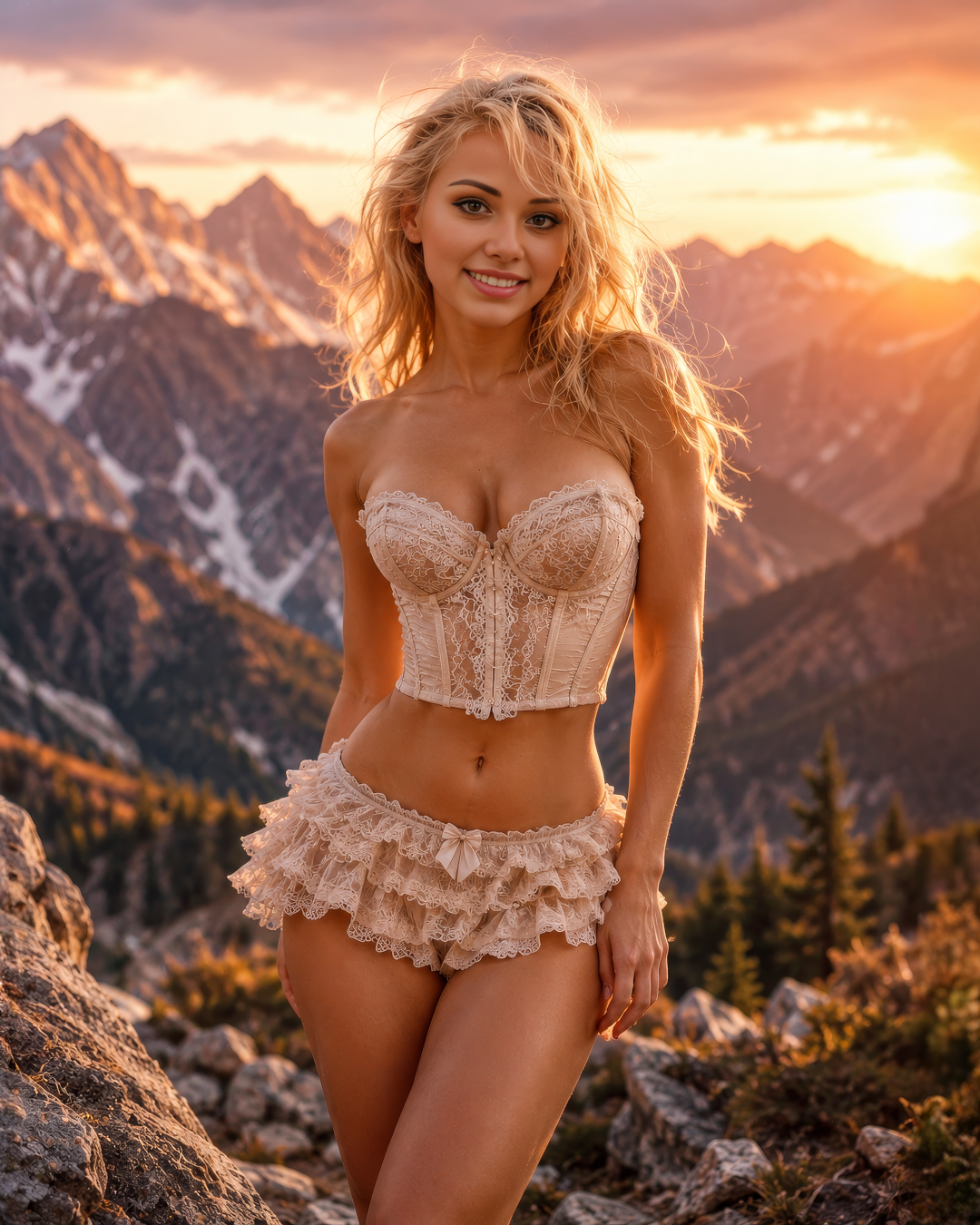
Not every design is meant for the outside world. This concept explored delicate fabrics — silk, lace, and sheer chiffon — layered into a romantic lingerie set.
Soft morning light helped bring the design to life while keeping the mood elegant and intimate.

Look V – Power Fashion

The final look returns to structure and confidence. A sharply tailored blazer dress creates a bold silhouette — strong lines, clean tailoring, and modern attitude.

The finished look closes the collection with a powerful editorial moment.

The Journey From Page to Photograph

Fashion often begins quietly — in a notebook, with a few pencil strokes and a vision.

What I love most about this process is watching an idea evolve. A sketch becomes a design. A design becomes a photograph. And somewhere along the way, imagination turns into something tangible.

For me, these five looks represent more than just outfits. They are a reminder that creativity always begins with the simplest tools — paper, pencil, and a little inspiration.

Lairissa Lee - Standing in Defiance 1

Standing in Defiance

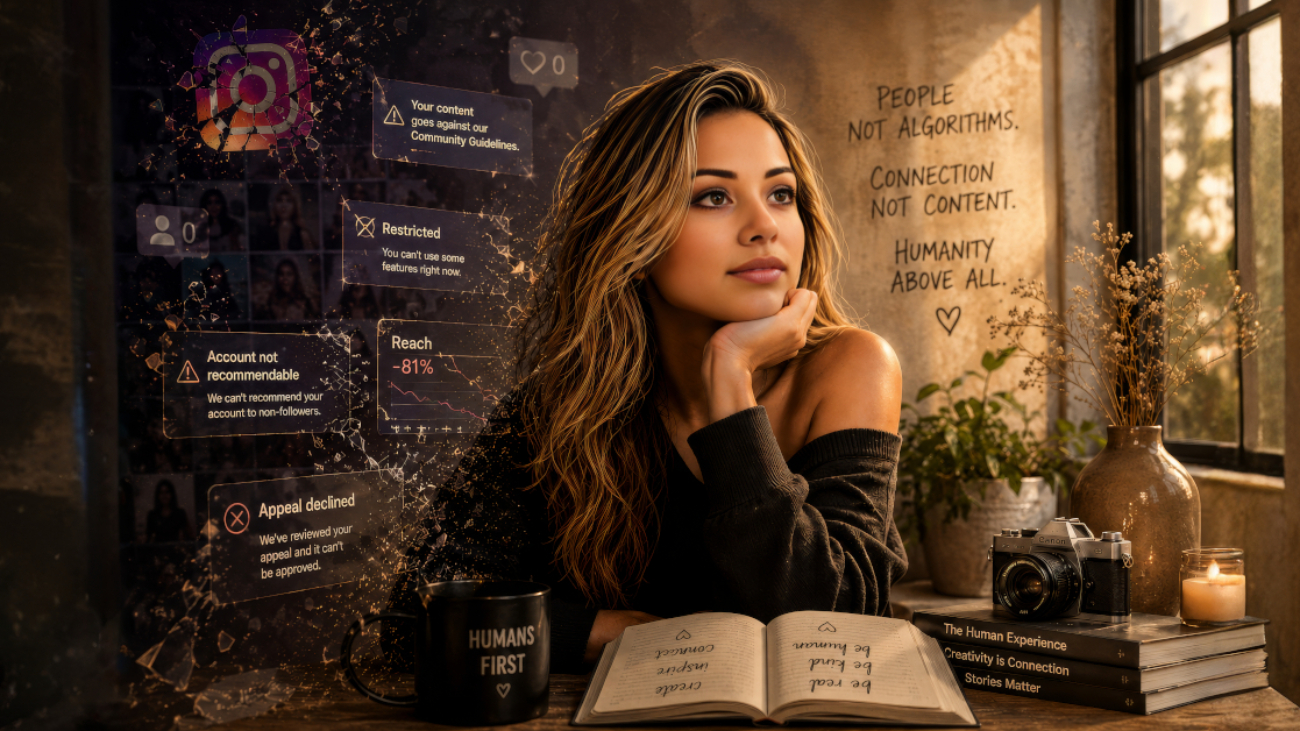
The future belongs to creators who build beyond the feed. That’s the direction I’m choosing.
There is a strange feeling that comes with building something inside someone else’s world.

You can pour in the hours.
You can create consistently.
You can follow the rules — or at least try to understand them.

And still, one morning, you wake up to a notification:

Account Suspended.

No conversation.
No warning.
No nuance.
Just an automated decision.

If you are a creator, you know that feeling in your chest.

It isn’t just about a post.
It isn’t just about reach.

It’s about control.

The Invisible Line

We are told there are guidelines.
We are told there are standards.
We are told enforcement is consistent.

But in practice, the line often feels invisible.

An image is “too suggestive.”
A caption is “misinterpreted.”
An automated system flags something human context would never misunderstand.

And when that happens, you are not arguing with a person.

You are arguing with a machine.

Lairissa Lee - Standing in Defiance 2

The Algorithm Doesn’t See You

It doesn’t see your growth.
It doesn’t see your intention.
It doesn’t see your story.

It sees patterns.
It sees probabilities.
It sees risk mitigation.

For a creator — especially one who pushes artistic or sensual boundaries — that creates tension.

Because creativity lives in nuance.
Automation does not.

The Power Imbalance

Platforms like Instagram and Meta hold enormous leverage.

They own:

  • The distribution
  • The audience access
  • The discovery algorithm
  • The moderation system

Creators own:

  • The work
  • The time
  • The emotional investment

That imbalance is what makes suspensions feel so heavy.

It’s not just enforcement.

It’s dependency.

Lairissa Lee - Standing in Defiance 3

What This Means for Me

I’ve had posts flagged.
Images removed.
Visibility throttled.
Moments where I wondered if everything I was building could disappear overnight.

And yet —

I’m still here.

Not because I agree with every decision.
Not because I think enforcement is always fair.
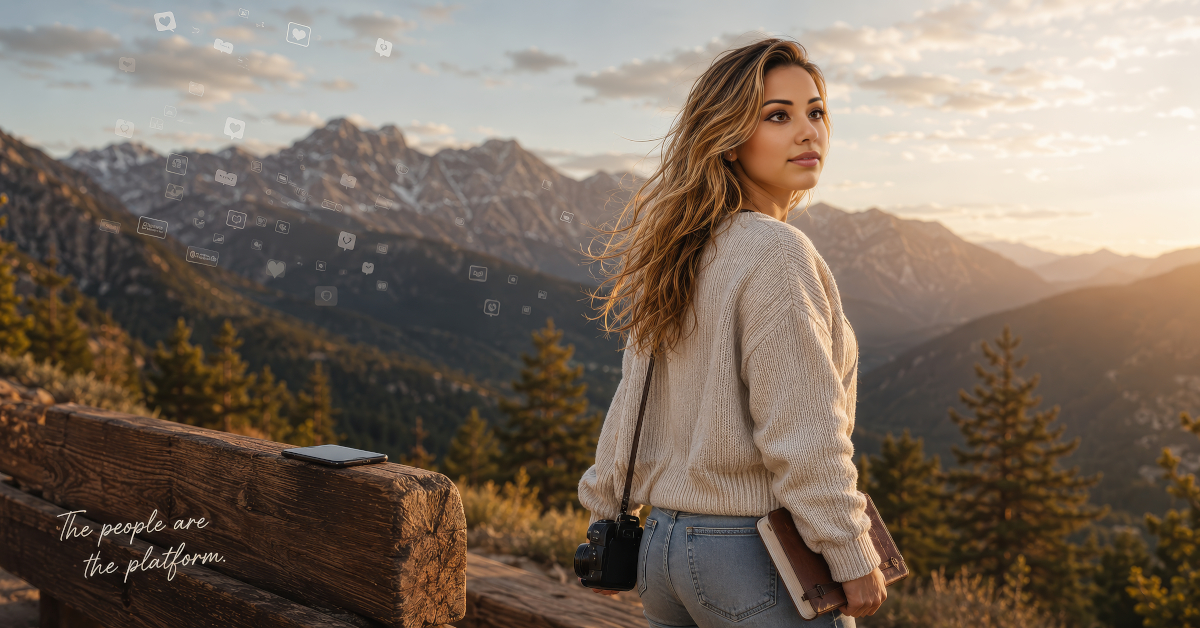
But because I refuse to build my identity on a platform I don’t control.

Instagram is a distribution channel.
It is not my foundation.

My foundation is:

  • My brand.
  • My business entity.
  • My website.
  • My music.
  • My creativity.

That is what I own.

The Future of Creators

The lesson isn’t to quit.

It’s to diversify.

Build your email list.
Build your website.
Own your masters.
Register your trademarks.
Control your narrative.

If a platform removes you tomorrow, your identity should not vanish with it.

Standing in the Headlights

There will always be bigger machines.

Algorithms.
Policies.
Corporate structures.

But standing calmly in front of them — knowing who you are — is a different kind of power.

I don’t need to rage.

I don’t need to shout.

I just need to build something that exists beyond them.

And that’s exactly what I’m doing.

If you enjoyed this post you might want to check out Why I Keep Showing Up and Almost Quit Instagram 1,000 times

There’s more waiting for you.

✨ Explore more of my world here → About Lairissa Lee & RockyMtnBabe

Lairissa Lee - Tan Sweater Dress

Why I Keep Showing Up

“I don’t show up because it’s easy. I show up because it’s mine.

There are days when it would be easier not to.

Easier not to create.
Easier not to post.
Easier not to care.

Because creating — truly creating — isn’t just pressing upload. It’s vulnerability. It’s effort. It’s exposing a piece of yourself and waiting to see what the world does with it.

Some days the response is loud.
Some days it’s quiet.
Some days it feels like shouting into the wind.

And still… I show up.

There was a time when the numbers felt personal.

When reach felt like approval.
When silence felt like rejection.
When metrics quietly shaped how I saw myself.

It’s so easy to let self-worth drift toward performance. To believe that visibility equals value. To mistake engagement for affirmation.

But numbers don’t measure meaning.
And algorithms don’t define identity.

Learning that has been part of the work.

Because behind every image — behind the light, the lace, the polished composition — there is discipline.

There are early mornings.
Cold shoots.
Editing sessions that stretch late into the night.
Creative doubt that doesn’t make it into captions.

Glamour is the surface.


Lairissa Lee - Tan Sweater & White G-String

Discipline is the foundation.

And discipline is rarely applauded.

I show up not because every post performs, but because the process itself matters. Because showing up consistently, even when it’s quiet, builds something deeper than momentum.

It builds integrity.

There’s also a difference between audience and purpose.

An audience watches.
Purpose anchors.

An audience can grow, shrink, fluctuate.
Purpose stays.

If I created only for reaction, I would have stopped a long time ago.

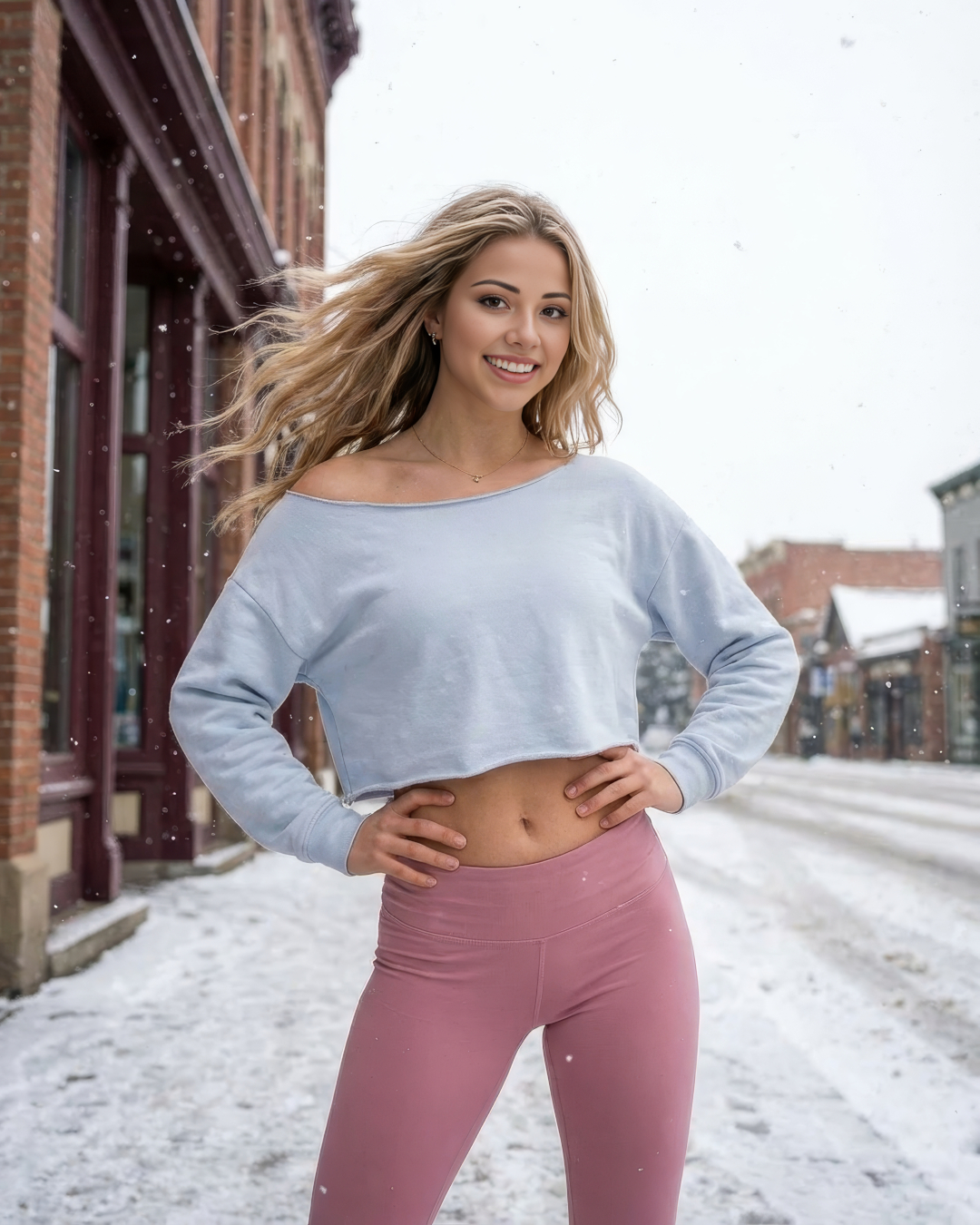
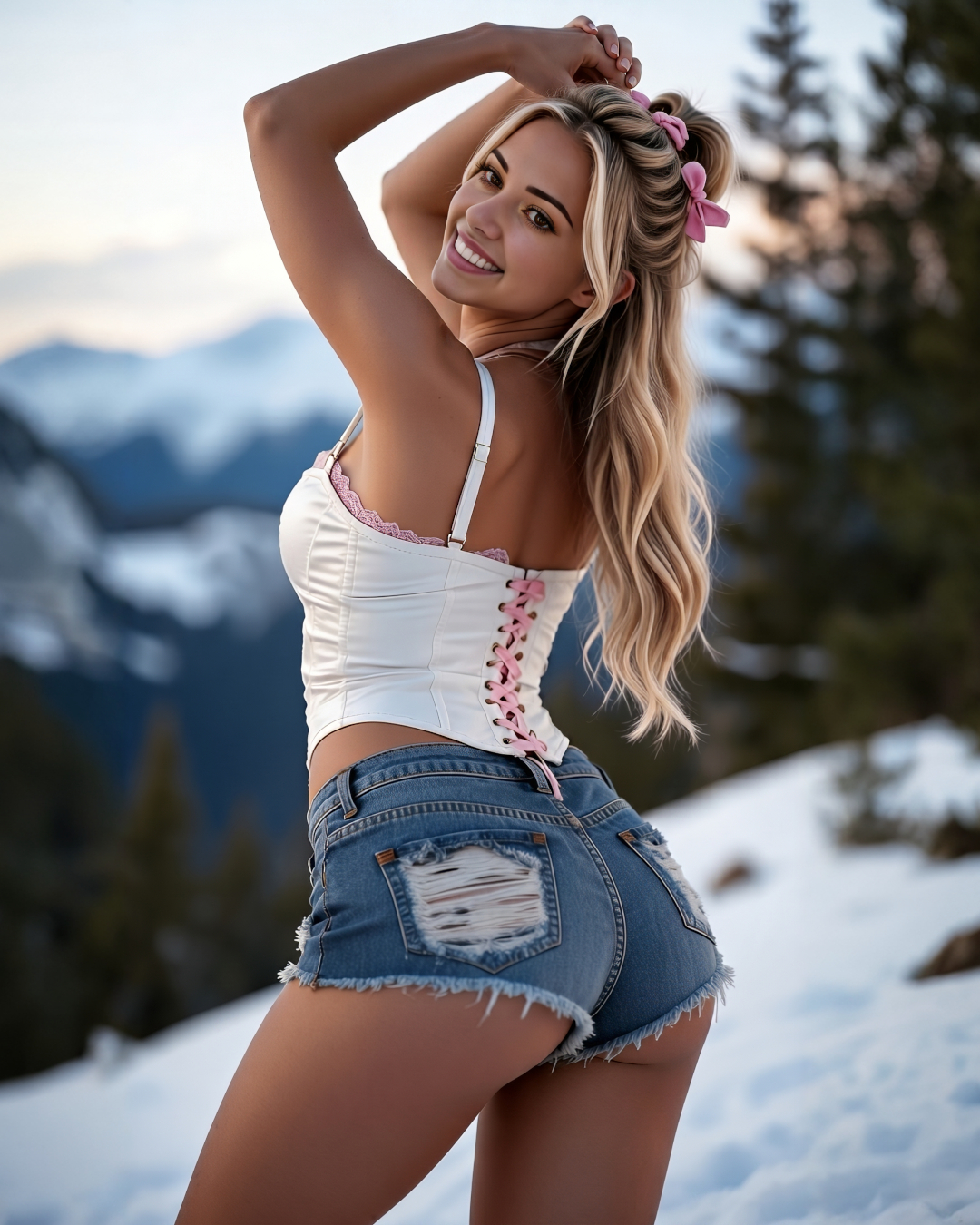
But I create because something inside me needs expression. Because storytelling, styling, standing in morning light or winter snow — it aligns me with who I am becoming.

Showing up has become less about validation and more about alignment. Less about proving something and more about honoring something.

Honoring the discipline.
Honoring the vision.
Honoring the part of me that refuses to disappear just because it would be easier.

There are seasons of doubt. There are seasons of growth. There are moments when I question whether any of it makes sense.

But every time I consider stepping back, I remember something simple:

This isn’t just content.

It’s expression.
It’s resilience.
It’s art.

And art doesn’t require permission to exist.

So I keep showing up.

Not because it’s always easy.

But because it’s mine.

All my love,
Lairissa 💜

Lairissa Lee - Pink Polka Dot 1

Delicate Doesn’t Mean Weak.

Softness is not the opposite of strength. It is its most underestimated form.

There’s a certain kind of quiet that only exists in morning light.

The city hasn’t fully awakened yet. The air feels still. Sunlight slips through tall windows and stretches across brick and skin alike — warm, patient, unhurried.

I love this kind of light.

It doesn’t demand attention. It reveals it.

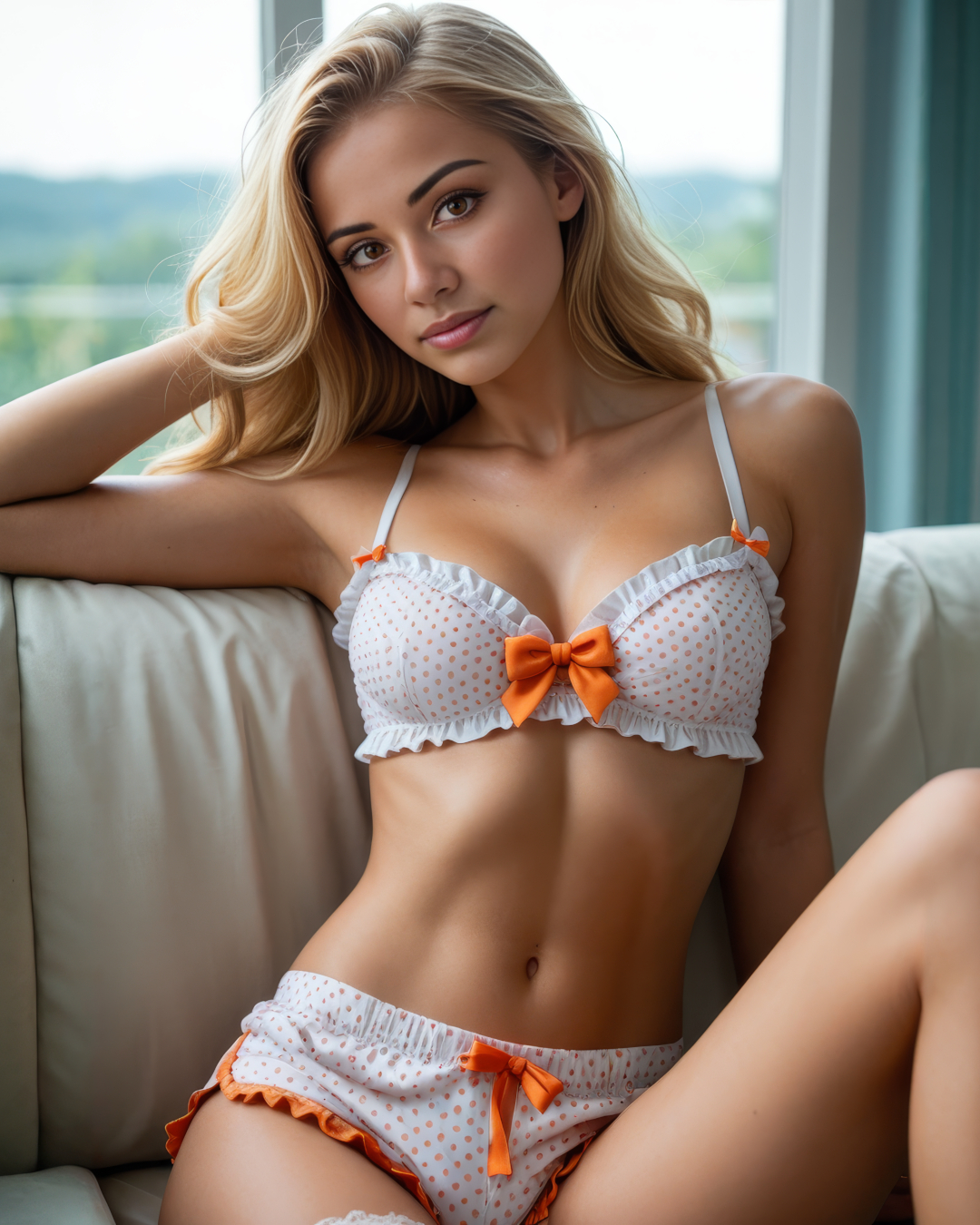
Soft pink against textured brick. Polka dots and lace framed by steel and glass. The contrast is what makes it powerful. Sweetness held inside structure. Delicacy standing firm against something solid.

That’s the balance I’m always chasing.

There’s something deeply sensual about choosing softness on purpose. Not to please. Not to perform. But to embody it fully. The curve of a ribbon. The subtle line of lace along skin. The way morning light traces every detail without asking permission.

It’s not about being fragile.

It’s about being aware.

Aware of your body.
Aware of the space you take up.
Aware of the quiet confidence that doesn’t need to be loud to be undeniable.

Strength doesn’t always look like armor.

Sometimes it looks like standing in sunlight — completely at ease — knowing you are both delicate and unshakable at the same time.

And that kind of power?
It doesn’t ask for approval.

It simply exists.

All my love,
Lairissa 💜

If you enjoyed this post you might want to check out Private Beach – Just Me and You

There’s more waiting for you.

✨ Explore more of my world here → About Lairissa Lee & RockyMtnBabe

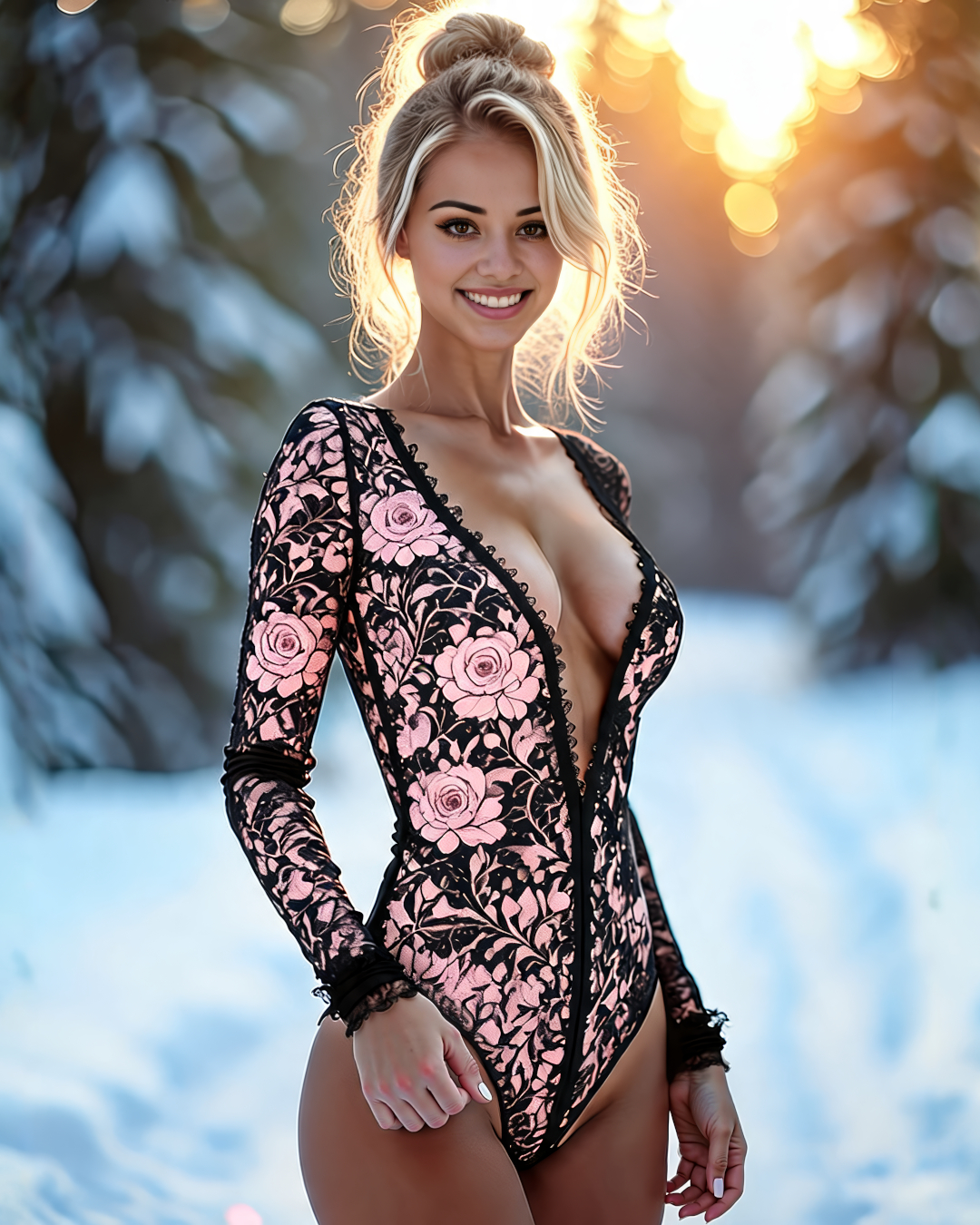
Lairissa Lee - Black Lace Bodysuit 1

Chasing the Sun in Lace and Snow

Before the world wakes, before the snow is disturbed, before the light fully arrives — that’s when I feel most alive.

Some mornings begin in silence.

The kind where the snow hasn’t yet been disturbed, the trees hold their breath, and the world feels paused between night and day.

That’s when I love to shoot.

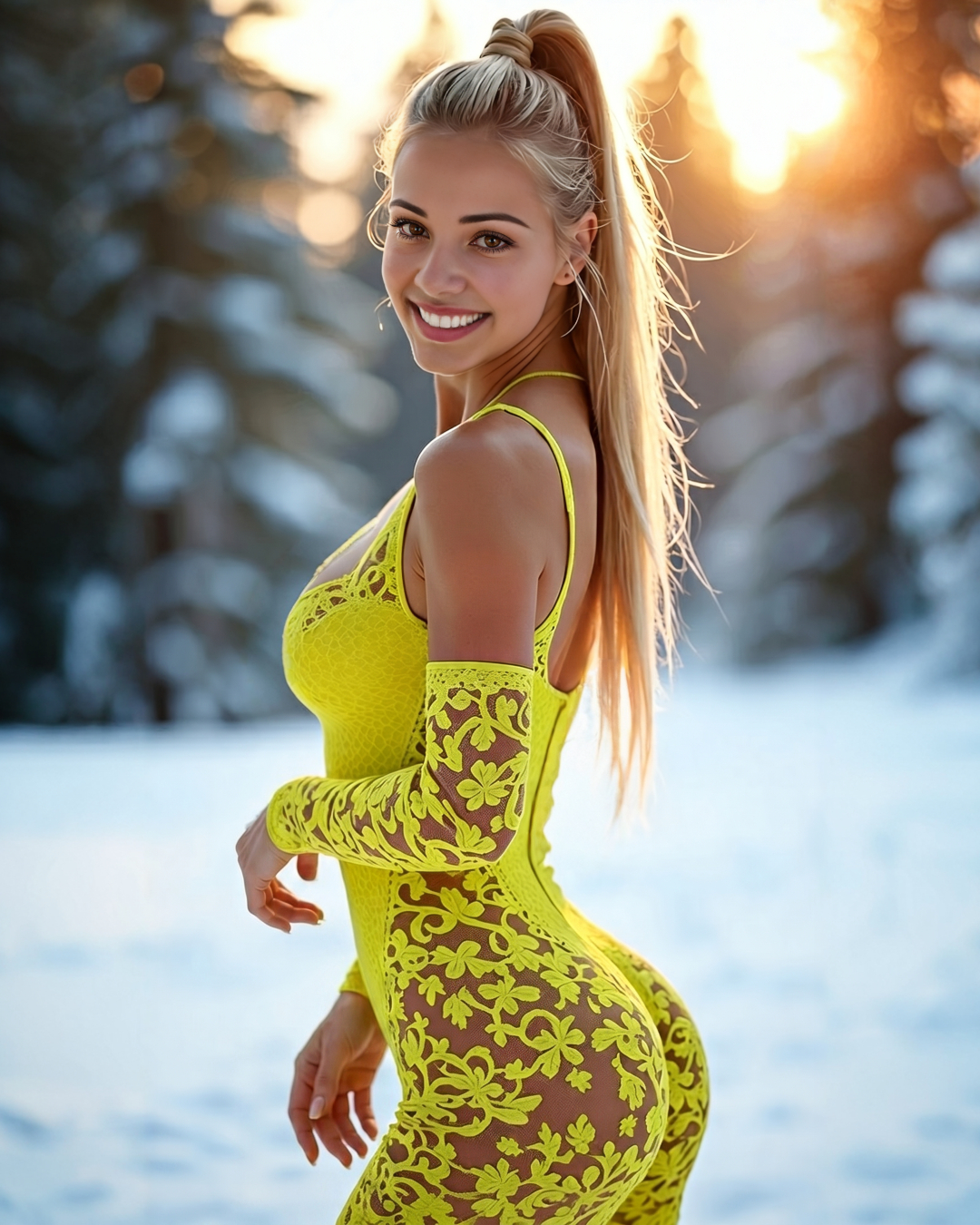
Arriving before sunrise means chasing light that only exists for a few minutes. The kind of golden glow that cuts through winter air and transforms everything it touches. It’s cold — always colder than it looks. But that contrast is part of the story.

Black lace against white snow.
Soft skin against winter frost.
Warm light breaking through frozen stillness.

There’s something powerful about standing in the elements and owning the moment. No distractions. No noise. Just breath in the cold air and the quiet confidence of knowing you showed up.

This series was about that balance — glamour and grit. Beauty and backbone. Delicate lace layered against Colorado winter.

Because being a Rocky Mountain Babe isn’t about perfect conditions.

It’s about showing up anyway.
Chasing the sun.
And creating warmth where there is none.

All my love,
Lairissa 💜

There’s more waiting for you.

✨ Explore more of my world here → About Lairissa Lee & RockyMtnBabe

Lairissa Lee - Lavender Gown - Rocky Mountains

The Inspiration Behind RockyMtnBabe®

RockyMtnBabe® was born from a simple idea — that creativity doesn’t have to be confined by the boundaries of the physical world.

Growing up surrounded by the landscapes of Colorado, I’ve always been inspired by the quiet drama of the mountains. There’s something about the contrast between rugged terrain and delicate light that feels inherently cinematic, almost editorial in its own way.

At the same time, I’ve always been drawn to fashion — not just as clothing, but as a form of storytelling. The way a look can capture a mood, a season, or even a version of yourself that only exists for a moment.

RockyMtnBabe® became a way to bring those influences together.

Using AI as a creative tool, I’m able to explore scenes that feel rooted in the Rockies while still embracing a sense of fantasy — winter mornings that last a little longer, sunsets that feel more golden, editorial looks that belong somewhere between a mountain town and a dream.

It’s not about perfection. It’s about atmosphere.

This project is an ongoing exploration of how technology, nature, and personal style can combine to create something that feels both familiar and entirely new.

Over time, RockyMtnBabe® became more than a creative exercise — it became a way to express an atmosphere that felt difficult to capture in the physical world alone. A place where softness could exist beside strength, where elegance could stand against rugged terrain, and where identity could shift gently between reality and imagination.

In many ways, the mountains themselves shaped the tone of this work. The quiet stillness of snowfall, the movement of wind across an alpine ridge, the golden haze that settles just before sunset — each moment offered a visual language that continues to inform the styling, mood, and presence behind every image.

Fashion became the medium through which that inspiration could take form. A silhouette against a lavender sky, a flowing dress moving with the mountain breeze, or the contrast of delicate fabric against raw stone all serve as reflections of the same underlying idea: that beauty often emerges where contrast exists.

RockyMtnBabe® lives in that contrast — between nature and design, stillness and movement, realism and fantasy.

It is an ongoing attempt to create something that feels not entirely imagined, but remembered.

Lairissa Lee White Satin

Creating a World Through AI

Over the past few years, I’ve found myself drawn to a creative space that lives somewhere between fashion photography and imagination — a world shaped not by physical limitations, but by possibility.

RockyMtnBabe® began as an exploration into what could be created when storytelling met emerging technology. Using AI-driven tools, I’ve been able to design images and scenes that would otherwise be impossible to capture — whether that’s a quiet winter morning in the mountains, an editorial look set against a dramatic alpine sunset, or a dreamlike moment suspended somewhere between reality and fantasy.

But technology is only the medium.

The real inspiration comes from the landscapes that surround me here in Colorado — the light that hits the Front Range just before dusk, the stillness of fresh snowfall, the feeling of standing above the treeline and watching the clouds move below. These moments shape the mood, styling, and emotion behind each image long before any tools are involved.

Each visual begins as an idea — a sense of atmosphere, a palette, a feeling tied to a place or moment. Even as these images are shaped through digital tools, there is still a personal presence within them — a reflection of my own likeness carried into each editorial moment. The environments may be imagined, but the figure within them remains tied to something real.

This is me. My face.

From there, AI becomes part of the creative process: a way to translate inspiration into form, to experiment with lighting, texture, and composition in ways that traditional photography often cannot accommodate. It allows me to build environments that feel rooted in reality while still embracing a sense of narrative — scenes that are familiar, yet slightly heightened.

Through this process, fashion becomes more than clothing. It becomes a storytelling device — a way to express mood, movement, season, or transformation. A silk dress against a snow-covered treeline, a structured coat beneath a lavender mountain sky, or a softly lit studio overlooking an alpine horizon can all suggest different versions of the same world.

I’m not trying to replace reality — I’m trying to extend it.

Some of the stories I create continue beyond what I’m able to share publicly here — more intimate editorials and the spicier, unfiltered moments that don’t always belong in open spaces.

If you’d like to experience more of the world behind RockyMtnBabe®, including extended visual series and private creative work, you’re welcome to join me there.

To create a space where natural landscapes and imagined environments coexist. Where personal style can be explored without the limitations of time, weather, or location. Where editorial imagery reflects not just how something looks, but how it feels to stand in a place, to experience a moment, or to imagine something just beyond reach.

RockyMtnBabe® is an ongoing exploration of what happens when creativity, nature, and technology intersect — a way to shape stories visually, inspired by the Rockies and brought to life through emerging tools.

This is where those ideas come together.

If you enjoyed this post you might want to check out Inside the RMB Studio and The Real Me vs. The Digital Me: Navigating the Space Between

There’s more waiting for you.

✨ Explore more of my world here → About Lairissa Lee & RockyMtnBabe

Lairissa Lee - Why Reach Has Declined

Why Organic Reach Has Declined

(And Why It’s Not Personal)

If you look at Instagram purely through a creative lens, declining reach feels discouraging.

It feels unfair.
It feels like something was taken.
It feels like the algorithm turned against you.

But what if it’s not personal?

What if it’s structural?

Let’s zoom out.

1️⃣ There Are Finite Eyeballs

Human attention is limited.

There are only so many waking hours in a day. Only so many posts a person can scroll through. Only so much mental energy available.

No matter how good your content is, there is a hard ceiling on attention.

Platforms don’t operate in an infinite-attention universe. They operate in a scarce-attention economy.

Attention is the asset.

2️⃣ Content Has Exploded

Now layer on reality:

Content production has skyrocketed.

  • More creators.
  • More brands.
  • More businesses.
  • More side hustles.
  • More polished visuals.

Every year, the amount of content competing for those same finite eyeballs increases dramatically.

It’s not that your content got worse.

It’s that the supply curve shifted.

3️⃣ AI Accelerated Everything

AI tools have dramatically increased output.

One person can now produce what used to take a small team.

High-quality images.
Video transitions.
Cinematic edits.
Automated captions.
Scaled experimentation.

Production is no longer the bottleneck.

Attention is.

And when production becomes easier, competition intensifies.

4️⃣ The Feed Must Filter Aggressively

When you combine:

  • Finite eyeballs
  • Exploding content supply
  • AI-accelerated production

You get one inevitable outcome:

The platform must filter aggressively.

It has no choice.

If every piece of content were distributed evenly, feeds would be chaos. So algorithms rank, prioritize, and narrow.

And remember:

Instagram’s core asset isn’t content.

It’s aggregated human attention.

Distribution is the product.

📺The TV & Radio Analogy

Think about old television networks.

They controlled airtime.

You might get discovered organically — but guaranteed exposure was always something businesses paid for.

Modern platforms function similarly.

They give creators enough organic reach to keep the ecosystem alive.

But premium distribution? That’s monetized.

Not because they’re evil.

Because they are distribution companies.

So What Does This Mean for Creators?

It means declining reach isn’t necessarily punishment.

It’s math.

It’s competition.

It’s economics.

It’s the natural evolution of a maturing platform in a saturated attention market.

The emotional narrative says:

“The algorithm hates me” 

The structural reality says:

“There are more voices fighting for the same limited attention.”

The Strategic Shift

Once you understand this, you stop taking reach personally.

You start thinking strategically:

  • Should I budget for paid distribution?
  • Should I build owned channels (email, website, app)?
  • Should I differentiate more deeply?
  • Should I optimize for retention rather than volume?

This moves you from emotional reaction to business mindset.

A Rocky Mountain Reflection

Instagram doesn’t owe anyone unlimited visibility.

It’s not a public square.

It’s a distribution platform.

And distribution has value.

When you understand that attention is the asset, you stop fighting the system emotionally — and start navigating it intelligently.

That’s a very different kind of power.

Out here in the mountains, you learn something quickly.

The sky is vast — but light is still directional.

When the sun rises over the Front Range, it doesn’t illuminate every peak at once. Some ridgelines glow first. Others sit in shadow a little longer. Not because they are lesser mountains — but because that’s simply how light moves.

Attention works the same way.

There are only so many rays in a day.

Some creators are lit brightly in one season. Others wait in quiet shadow. The landscape hasn’t changed its worth — only where the light is falling.

And the mountains never panic about being in shadow.

They endure. They remain. They rise anyway.

So maybe the question isn’t “Why am I not fully lit right now?”

Maybe it’s:

Am I building something that lasts beyond the light?

Because algorithms shift.
Platforms mature.
Distribution tightens.

But real presence — like granite — doesn’t disappear when the sun moves.

And if you’re building something real, something steady, something rooted…

The light will find you again.

If you enjoyed this post, you might want to check out Algorithmic Secrets: Why the Public Deserves Transparency and Standing in Defiance

There’s more waiting for you.

✨ Explore more of my world here → About Lairissa Lee & RockyMtnBabe

ComfyUI_05637_-topaz-upscale-3.4x-face-rs

Every New Art Form Was Once “Slop”

There is a phrase circulating right now in creative spaces: “AI slop.”
It’s meant to shame. To dismiss. To draw a line between “real” creativity and something lesser.

But history tells a very different story.

Not only is this reaction familiar — it is predictable. In fact, nearly every major shift in visual art and creative technology has been met with the same contempt, the same ridicule, and the same fear-based language.

And every time, history has been very clear about who was wrong.

When Photography Was “Cheating”

When photography emerged in the mid-1800s, it was not welcomed as art. Painters and critics called it mechanical, soulless, and lazy. They argued that if a machine captured the image, then the artist’s hand — and therefore artistry itself — was absent.

Photography was dismissed as a shortcut for people who couldn’t paint.

What was actually happening was simpler and more uncomfortable:
a tool had arrived that lowered the barrier to entry, expanded who could create images, and disrupted an existing hierarchy.

Photography didn’t destroy painting.
It didn’t erase skill.
It didn’t eliminate human vision.

It became its own art form — and reshaped every visual medium that followed.

When Impressionism Was “Unfinished Garbage”

The word Impressionism began as an insult.

Critics sneered at loose brushstrokes, unfinished forms, and paintings that looked more like fleeting moments than polished masterpieces. These works were called sloppy, juvenile, and technically inferior.

Sound familiar?

The accusation was not really about technique.
It was about breaking expectations.

Today, those same paintings are some of the most celebrated works in history — precisely because they dared to value perception, emotion, and interpretation over rigid rules.

When Collage Was “Trash Art”

When artists began cutting up newspapers, photographs, and advertisements to create collage and photomontage, critics recoiled. This wasn’t creation — it was destruction, randomness, junk.

Anyone could do it, they said.

But that argument has always missed the point.

Collage wasn’t about inventing new materials.
It was about selection, context, and meaning.

And those qualities — choice, intention, narrative — are deeply human.

When Digital Art Was “Computer Crap”

When artists moved to computers in the late 20th century, the backlash returned. Pushing buttons wasn’t art. Using software was cheating. Real artists used pencils, paint, and canvas.

Digital art was sidelined, dismissed, and excluded from serious spaces.

Now it dominates concept art, film, fashion, advertising, and design.
No one asks if Photoshop invalidates creativity anymore.

The tool became invisible.
The artist remained.

The Pattern We Keep Ignoring

Every one of these moments followed the same arc:

  1. A new tool lowers the barrier to creation
  2. Volume increases dramatically
  3. Quality becomes uneven
  4. Gatekeepers feel threatened
  5. A derogatory label emerges

The insult is never really about quality.
It’s about abundance.

When creation becomes accessible, the myth that scarcity equals value collapses. And when that myth collapses, fear rushes in to replace it.

What “AI Slop” Really Means

“AI slop” is not a critique of AI.

It’s a critique of unfiltered output — of work without taste, intention, or authorship. But those flaws are not unique to AI. They exist in every medium, at every moment in history.

Bad photography didn’t invalidate photography.
Bad paintings didn’t invalidate painting.
Bad digital art didn’t invalidate digital art.

The worst work always disappears.

What remains is what always mattered:

  • Vision
  • Curation
  • Story
  • Emotion
  • Voice

AI does not remove the human from creativity.
It exposes whether the human was ever there to begin with.

The Truth History Always Confirms

Tools do not define art.

Artists do.

AI is not the end of creativity — it is a mirror. It reflects intention, taste, and care with startling clarity. When used carelessly, it produces noise. When used thoughtfully, it produces work that feels unmistakably human.

The same was once said of cameras, brushes, scissors, and software.


And history has already told us how this story ends.

The slop fades.
The art remains.

Lairissa Lee - Heartbroken

When Support Turns Silent: Finding Peace in Letting Go

Sometimes the hardest endings aren’t the ones marked by words — they’re the quiet ones, the moments when someone’s presence just fades. This is a reflection on what it means to lose connection with someone who once felt close, and how to release it with grace instead of bitterness.

There’s a kind of silence that hurts more than words ever could.
It’s the silence from someone who used to always show up — the person who cheered for your wins, reacted to your posts, and asked how you were really doing. Over time, their messages turned into short replies… then emojis… then nothing at all.

At first, I tried to tell myself they were just busy. Life gets like that. But the truth is, silence has a way of saying everything. And eventually, you start to feel that absence in the small things — when you share your excitement about a trip and the warm “be safe” is replaced with a single thumb up emoji. When something beautiful happens in your world, and you realize they don’t even look your way anymore.

Online creative spaces can be magical — full of friendship, encouragement, and connection. But they can also be fragile. They’re full of invisible currents of comparison and belonging. Sometimes, someone you care about begins to see you not as a friend, but as part of a crowd they feel shut out from. And you can’t fix that. You can’t convince someone to see your heart when they’ve already decided you’re on the other side of a divide.

When I finally stepped back, it wasn’t from anger. It was from exhaustion — from waiting for signs of care that used to come so easily. I realized I couldn’t keep trying to resuscitate a connection that had quietly stopped breathing.

And when the last thread was cut — the shared space where we kept our creative memories suddenly gone — it became clear: the friendship had already ended long before I accepted it.

I’m not angry anymore. Just sad. Sad that something so meaningful could fade without a fight. But I’m also grateful — grateful for what it taught me about love, friendship, boundaries, and the quiet courage it takes to walk away from what no longer feels mutual.

Sometimes letting go isn’t about giving up. It’s about choosing peace over confusion.
And maybe, in the end, that’s what healing really looks like.