




August 2026 Photo Journal
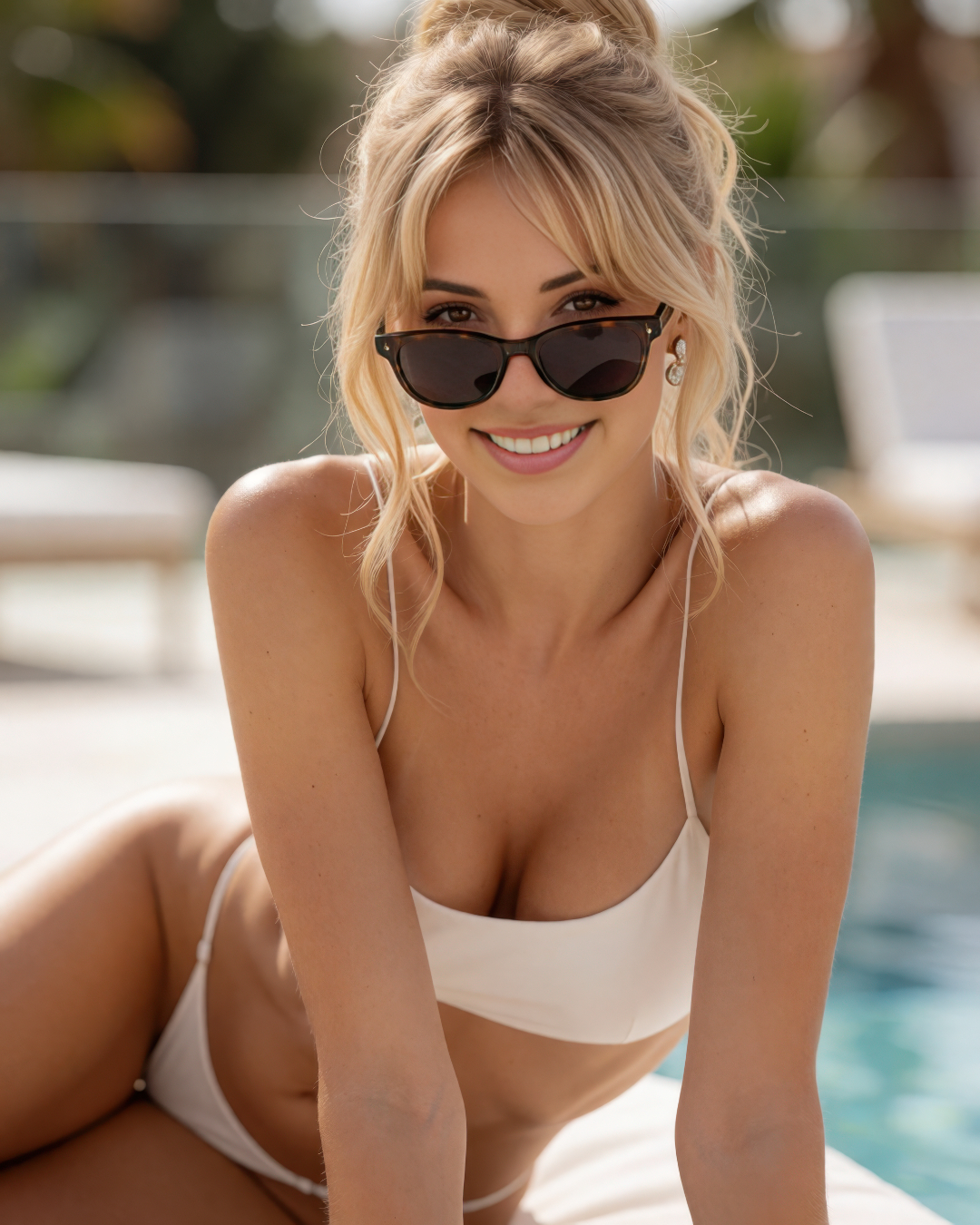
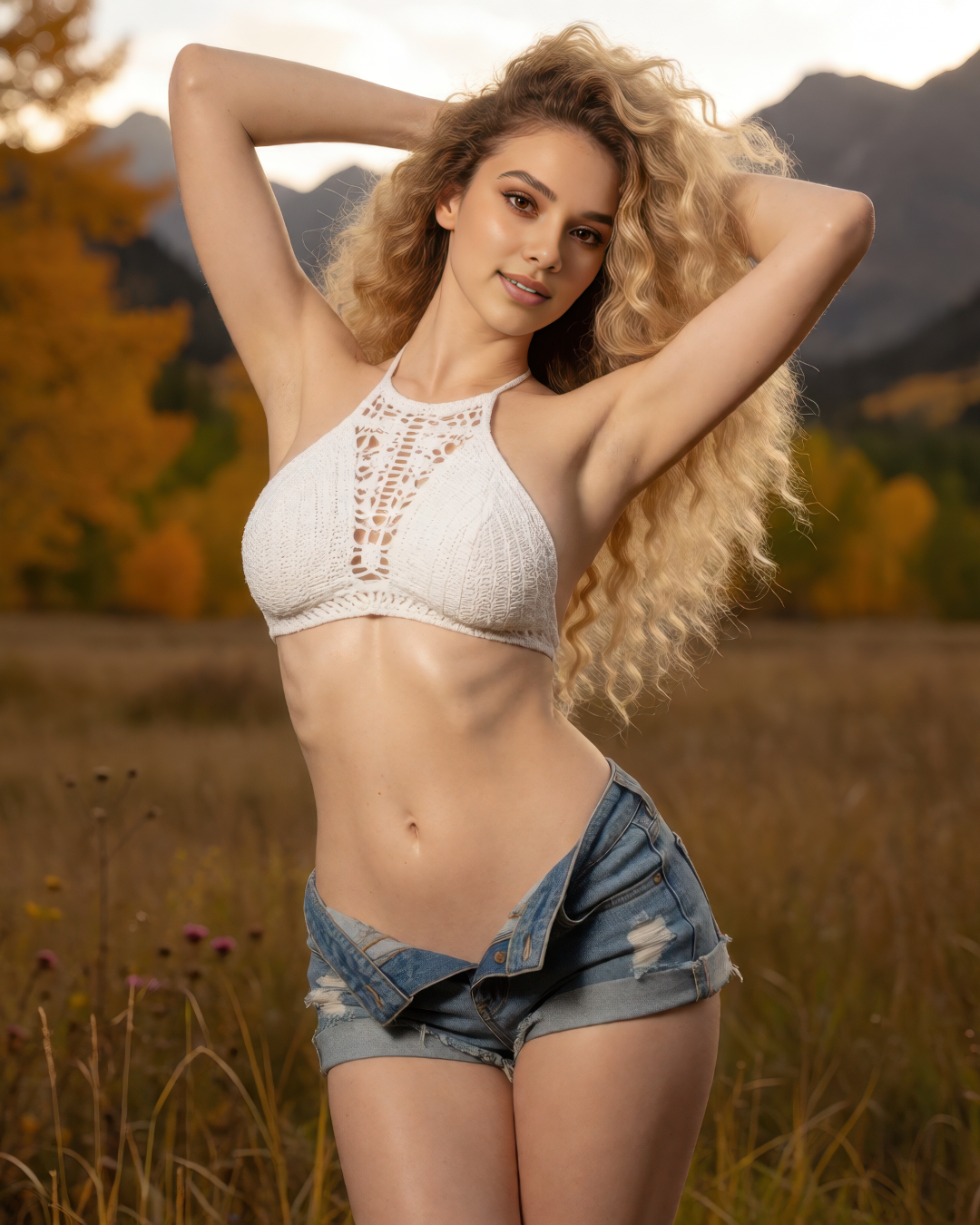
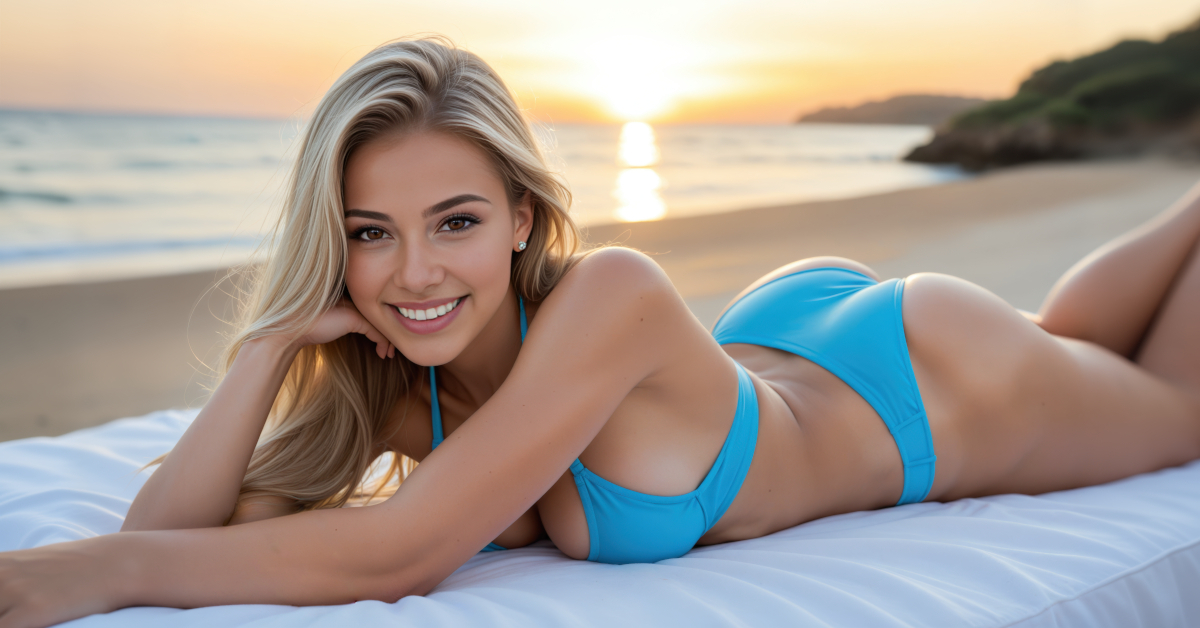
Aug 31, 2026 Getting in a little more summer vibes ☀️👙🕶️ It won't be long until the snow is flying, hopefully 🤞
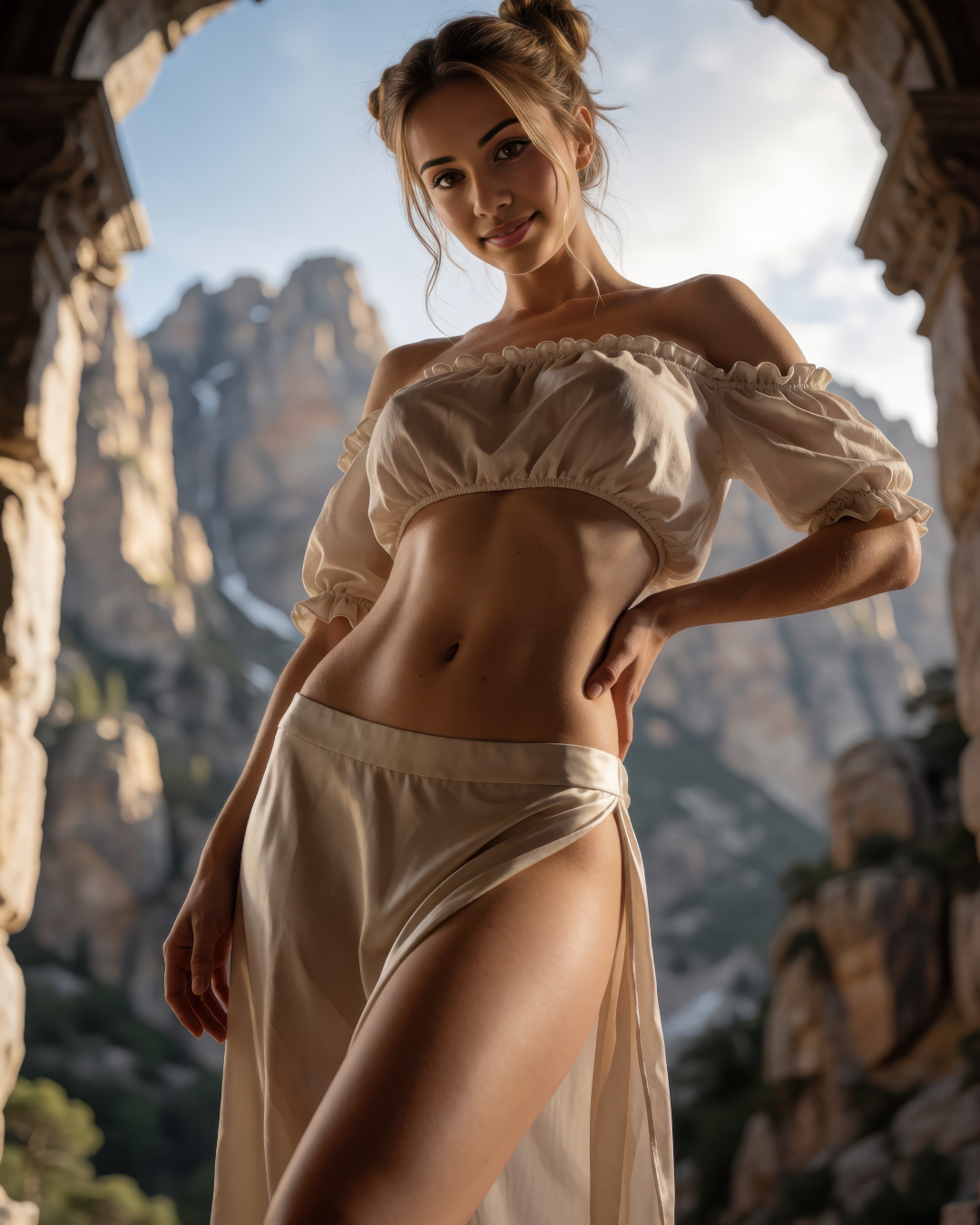


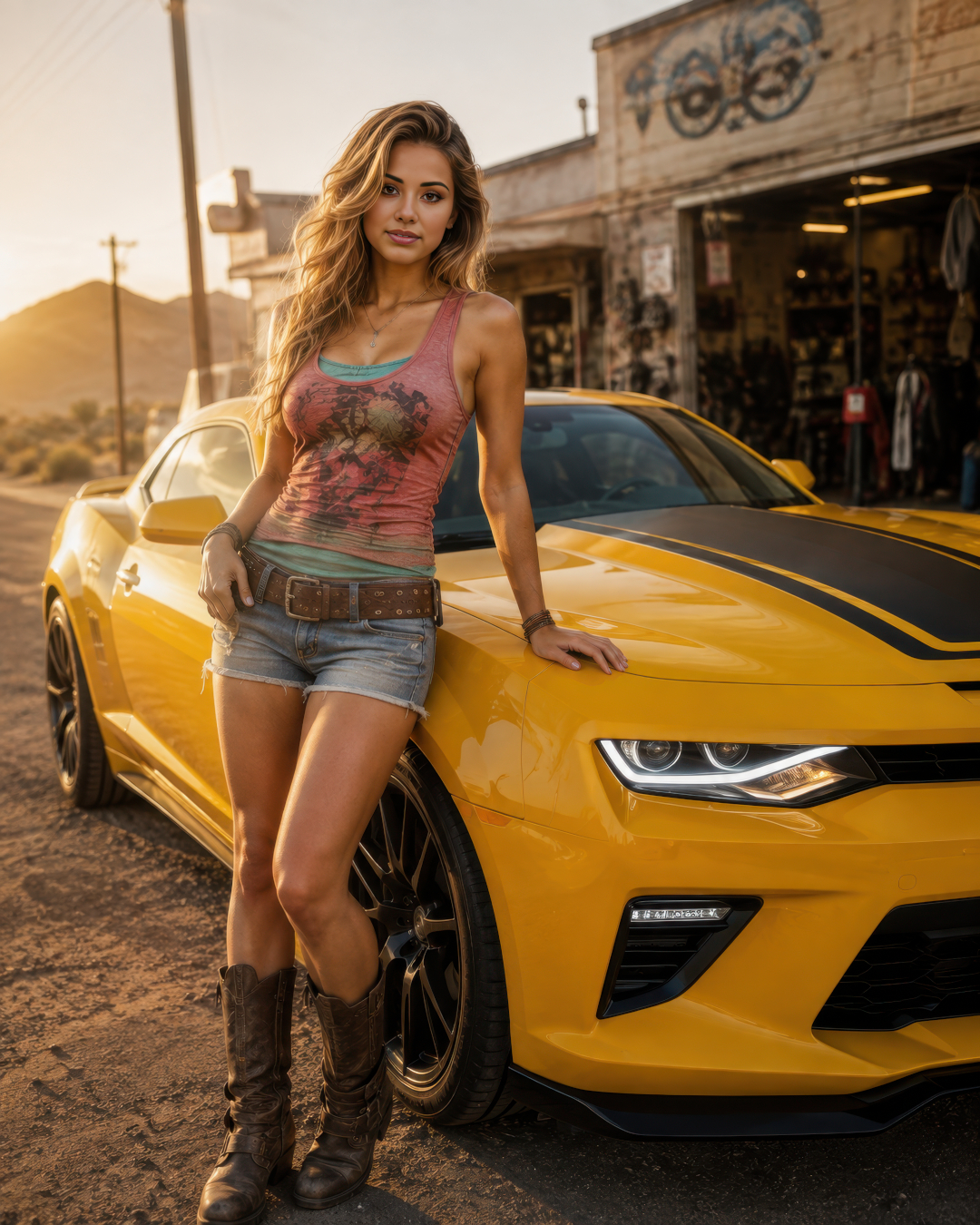
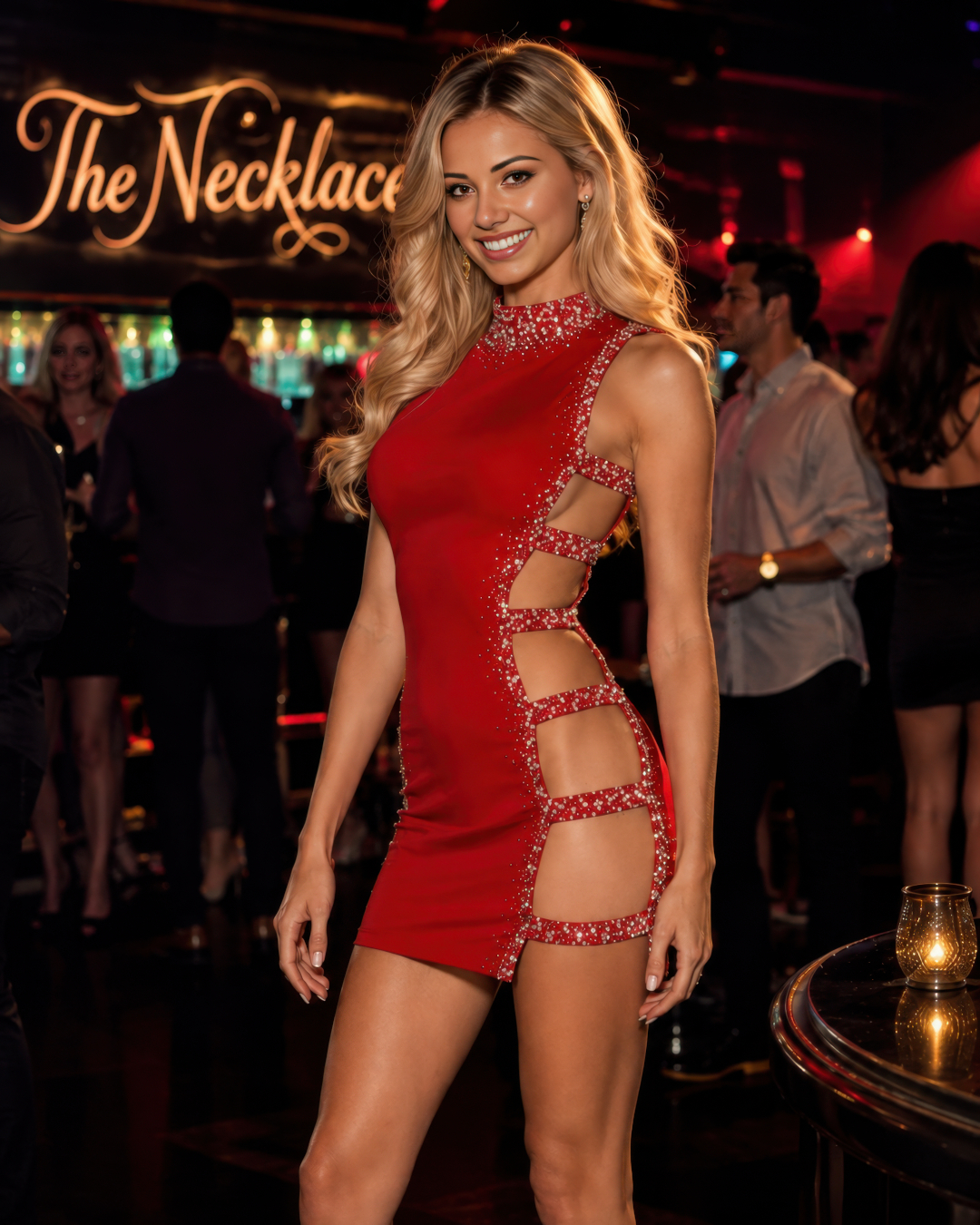
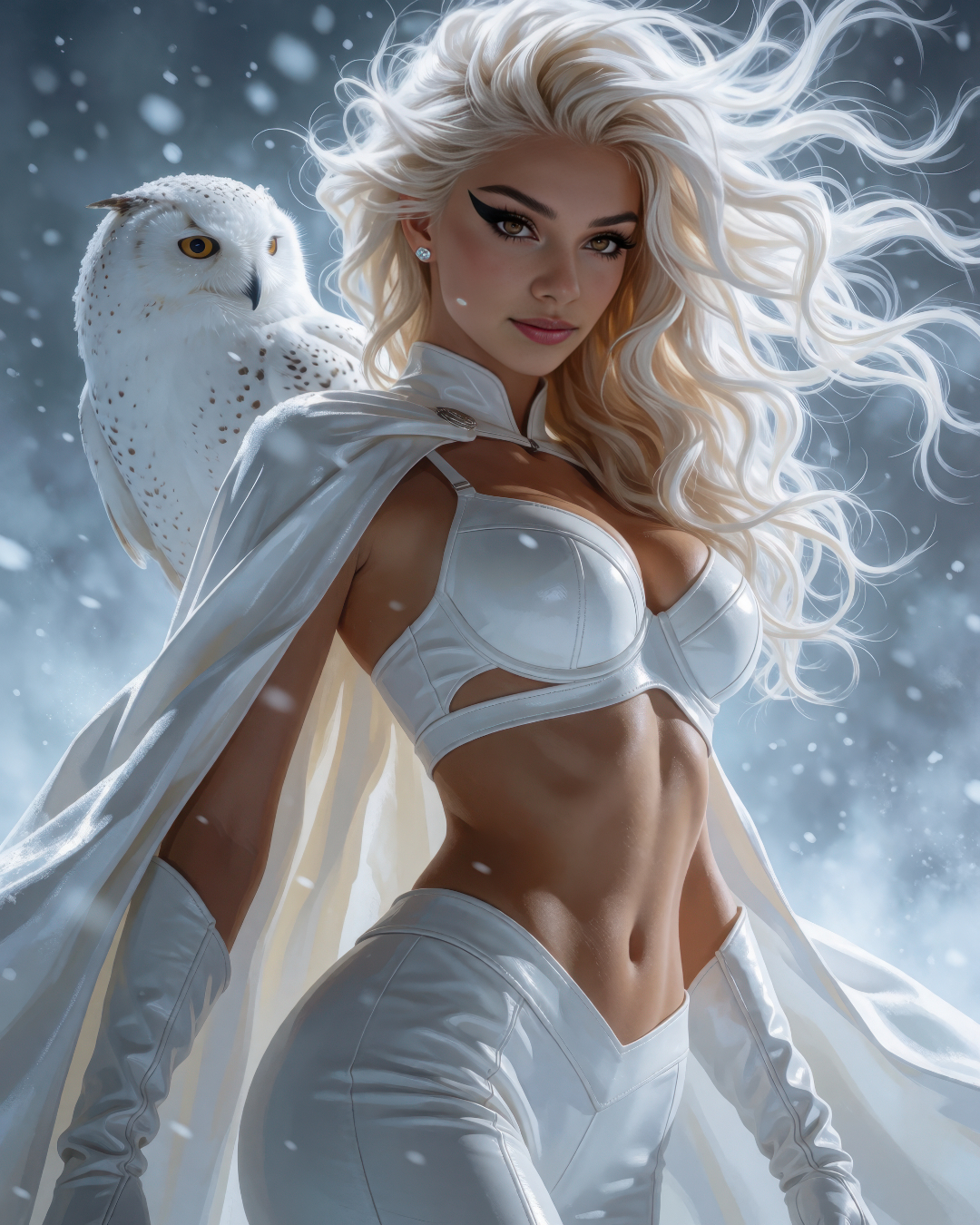
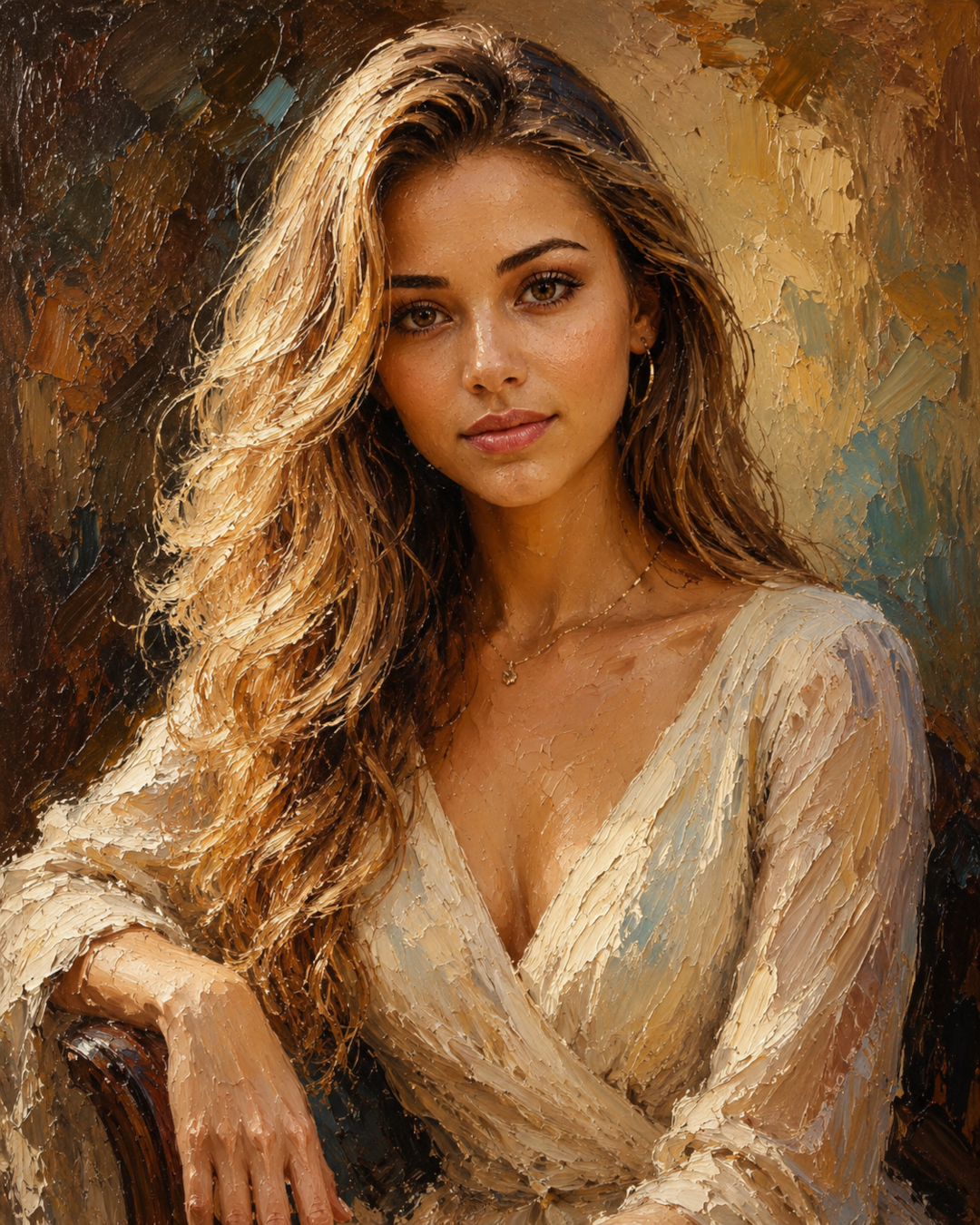
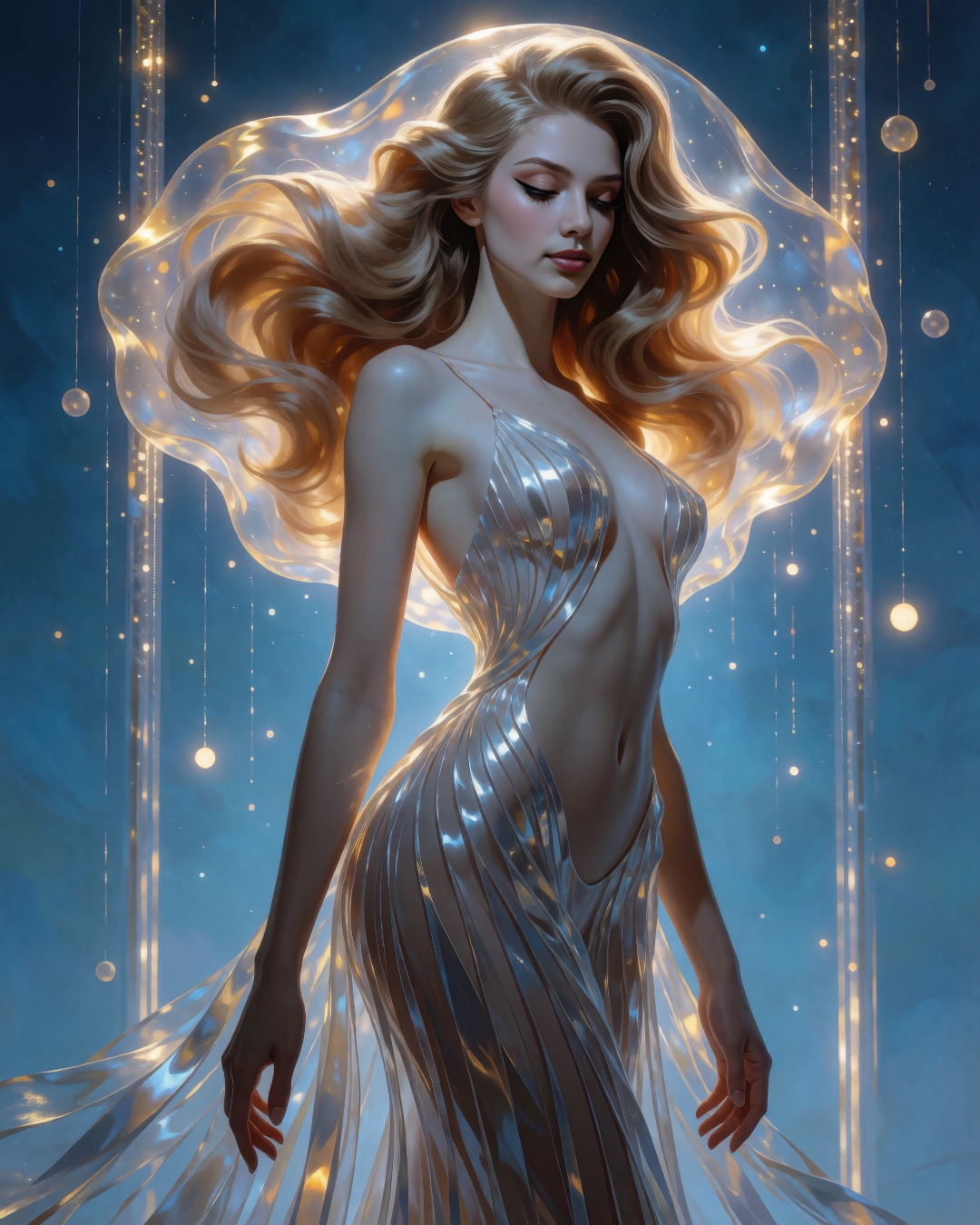
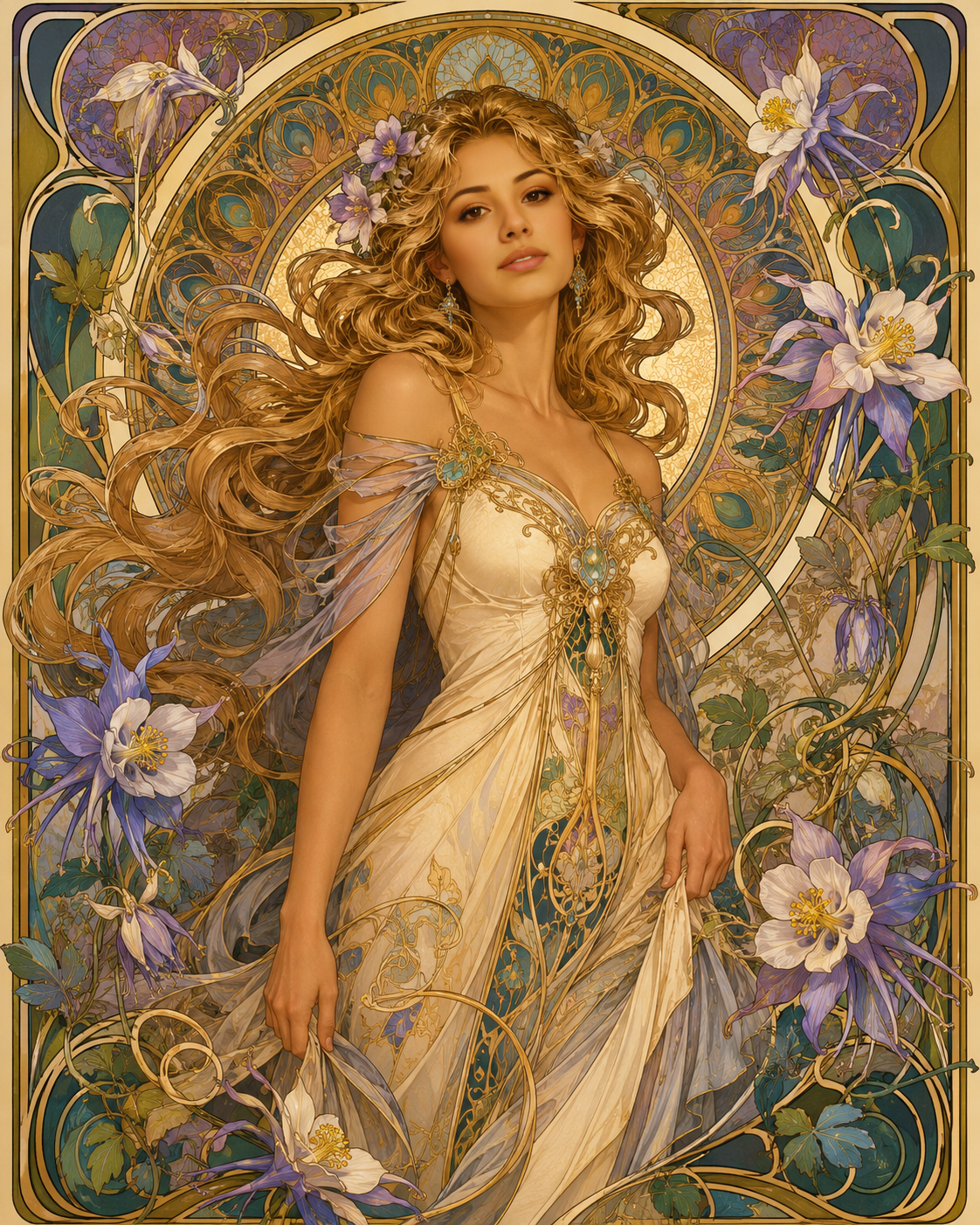
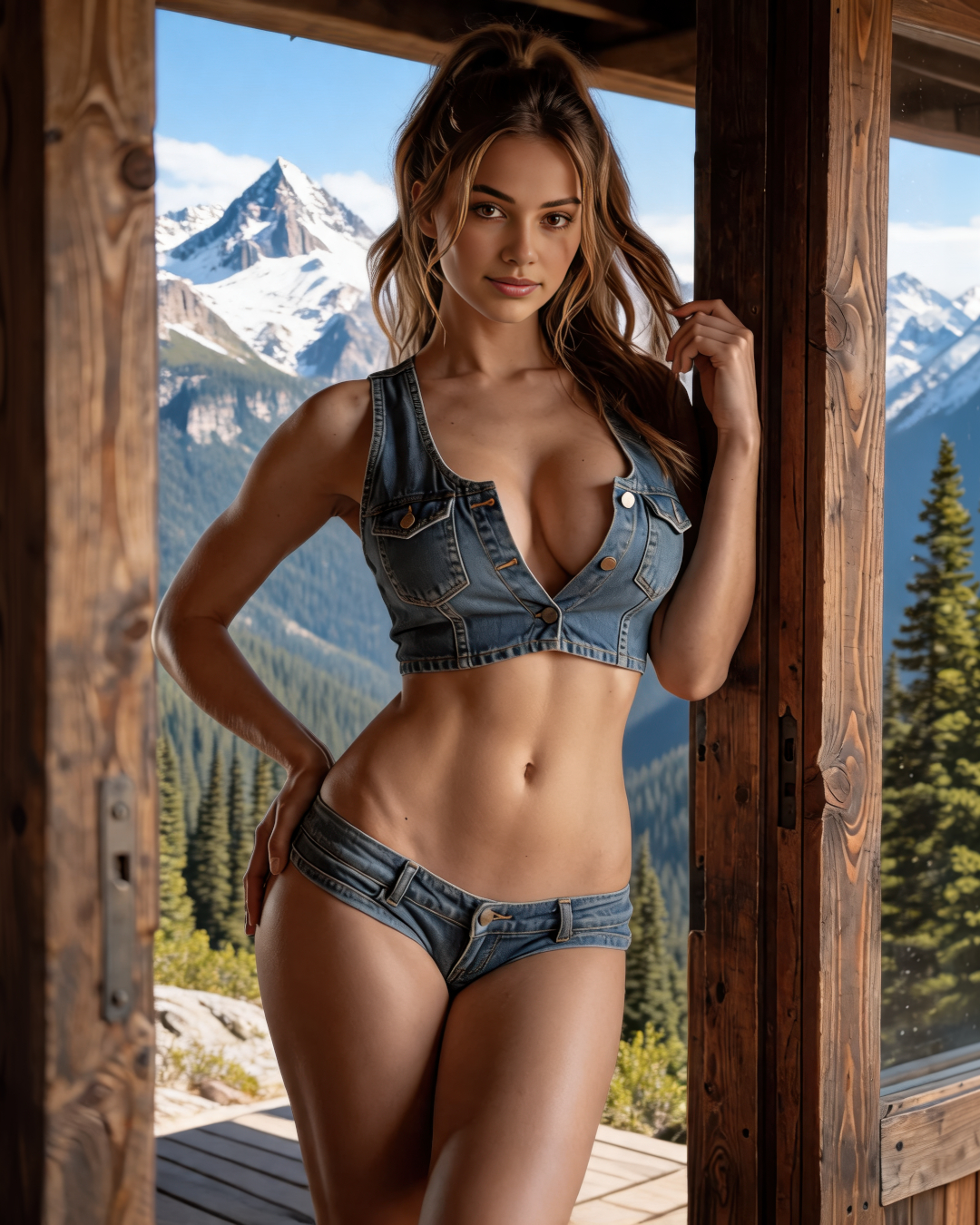
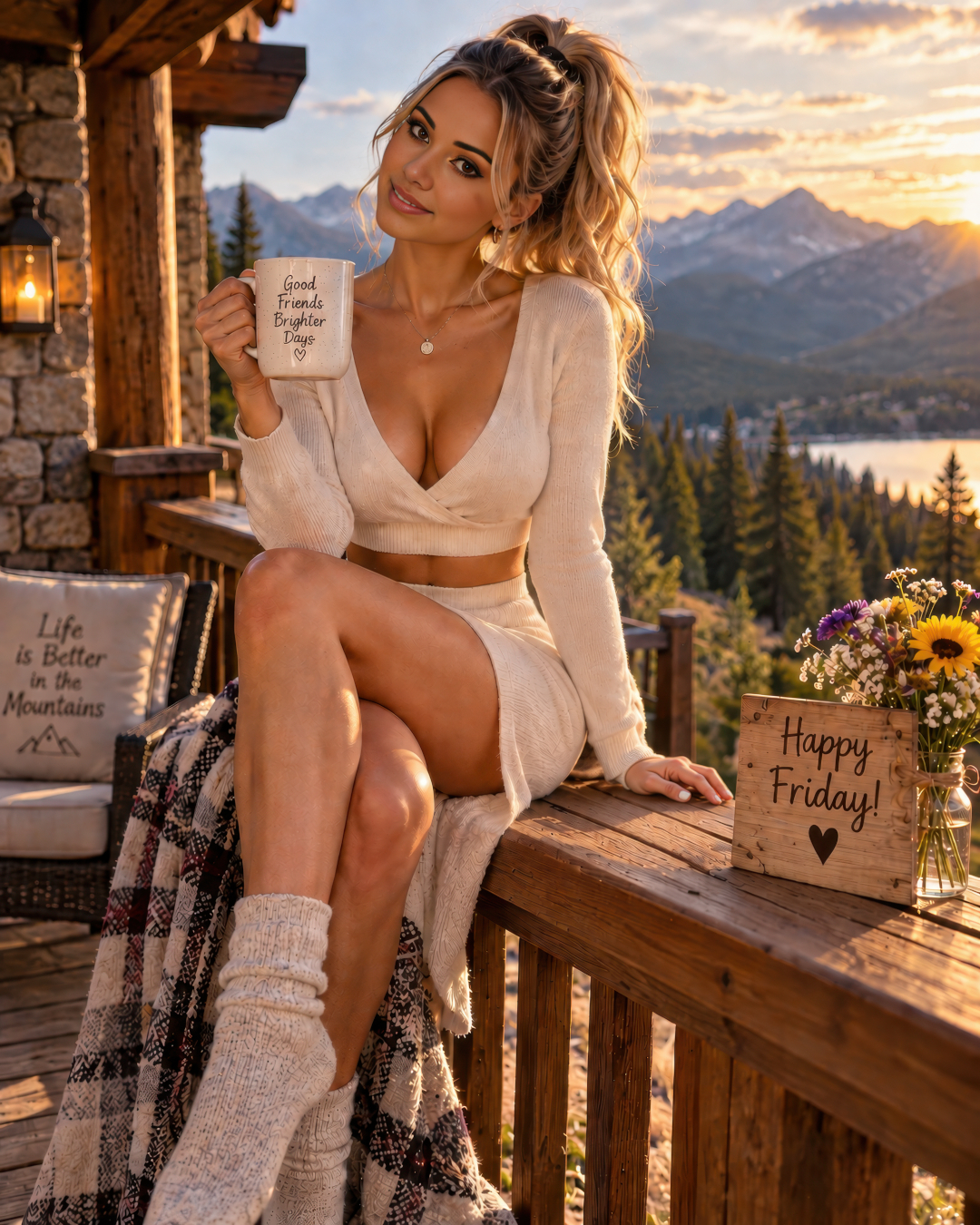
Aug 28, 2026Happy Friday, everyone. 😀 Hope your week has been terrific. I am so happy to be back home. 🏔️😘🤗🥰💜
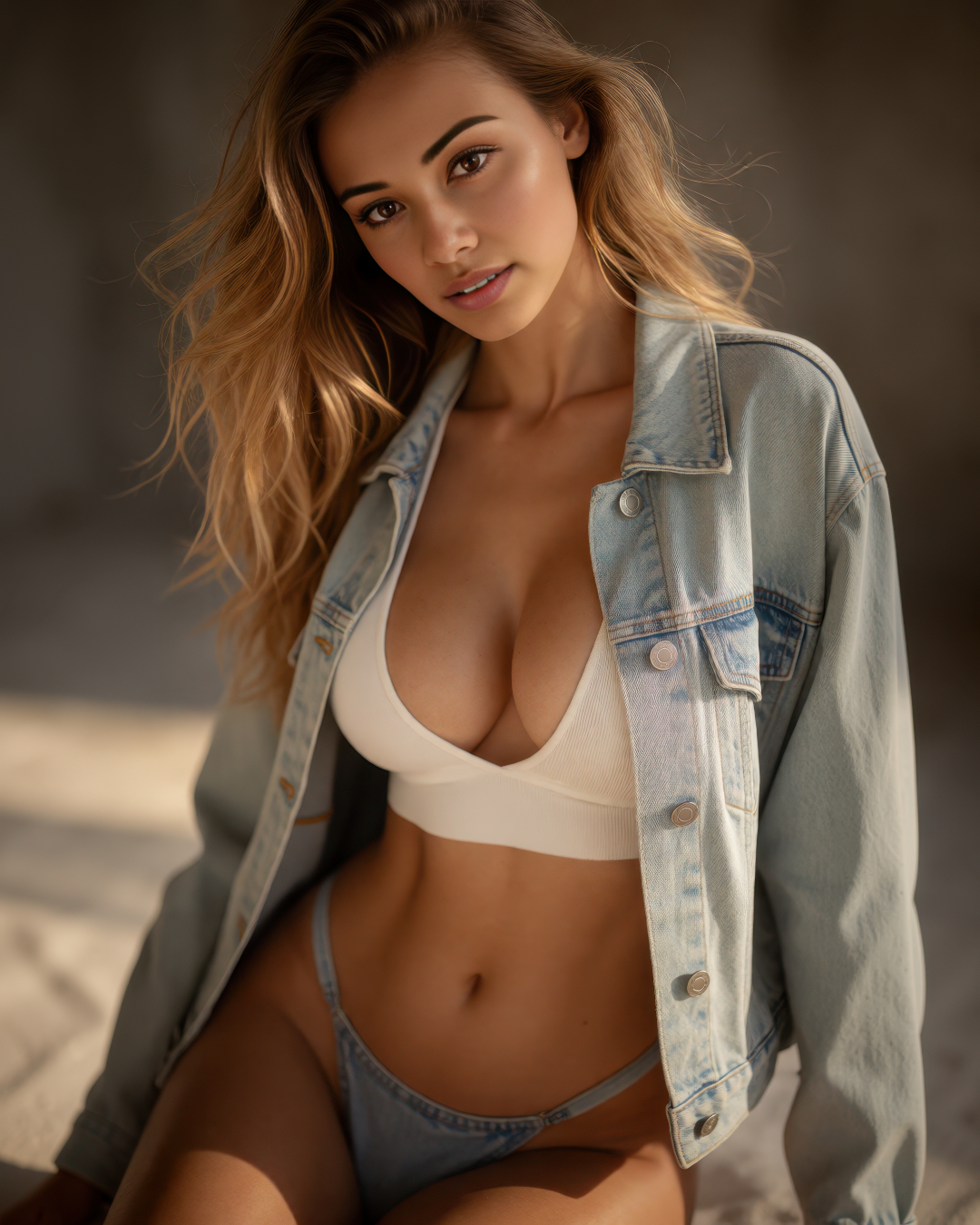
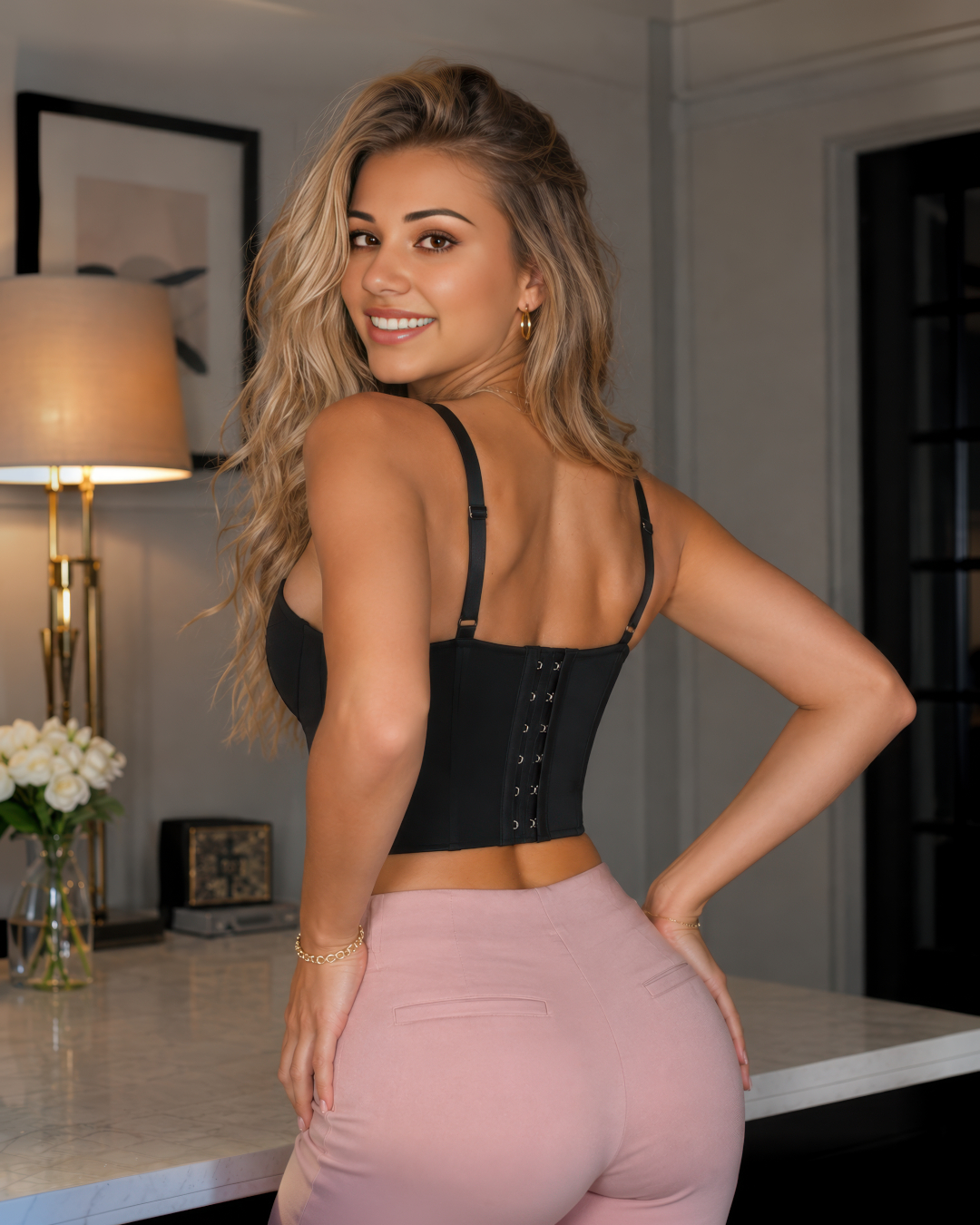
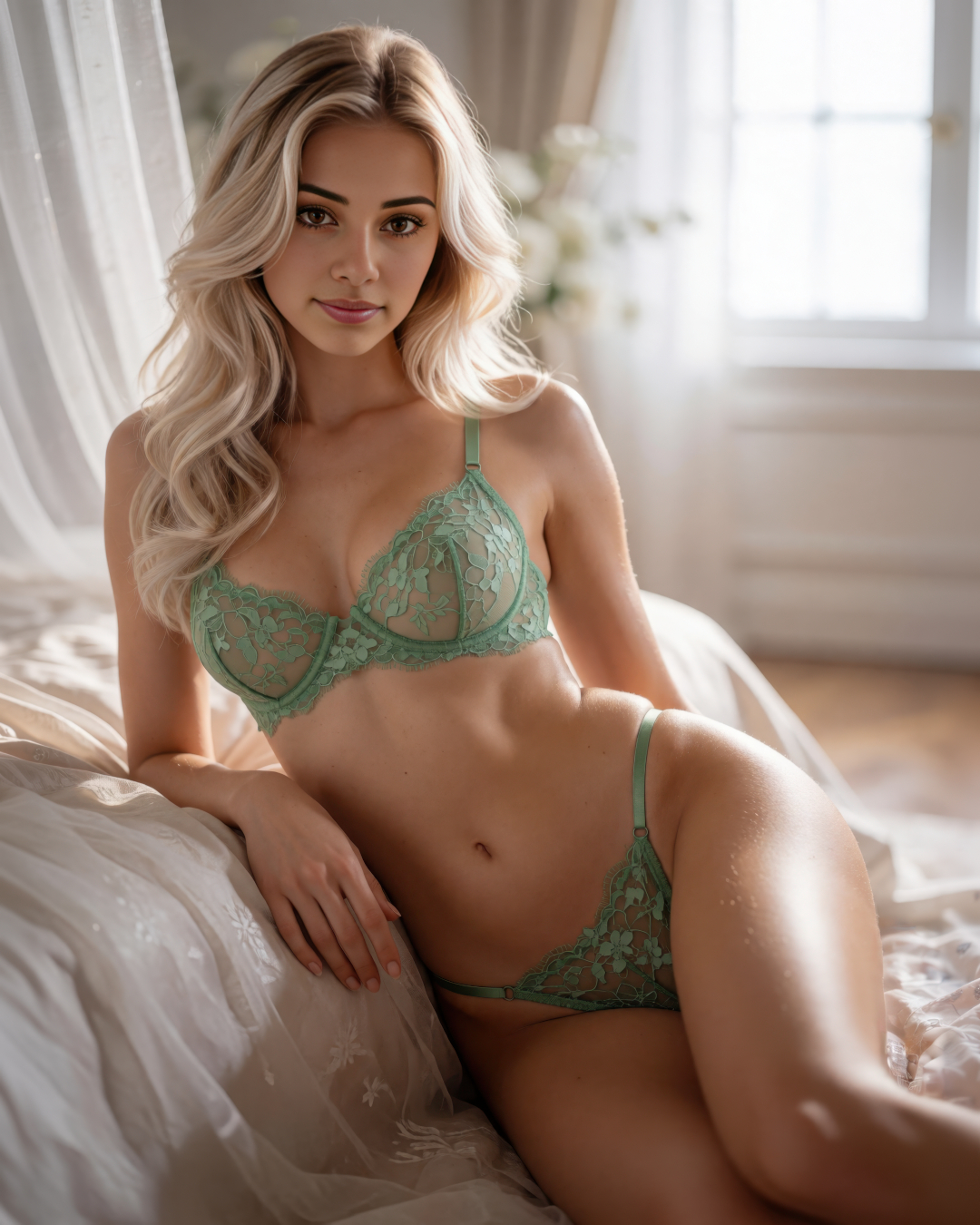
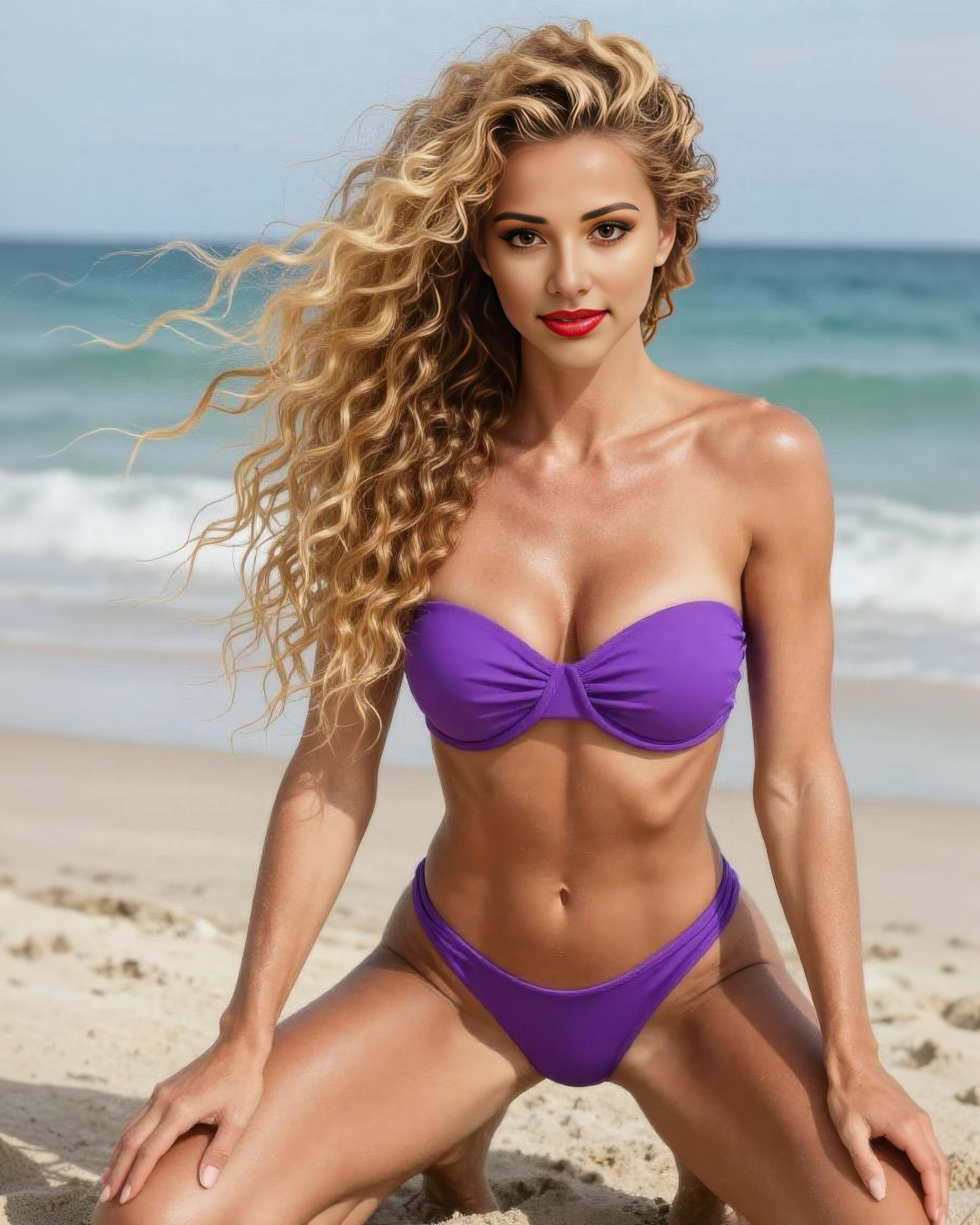
Aug 26, 2026Getting closer to home. Back in the States. Had a great time at this photo shoot on Tybee Island. Hope you have a terrific Wednesday. 🌊🌅
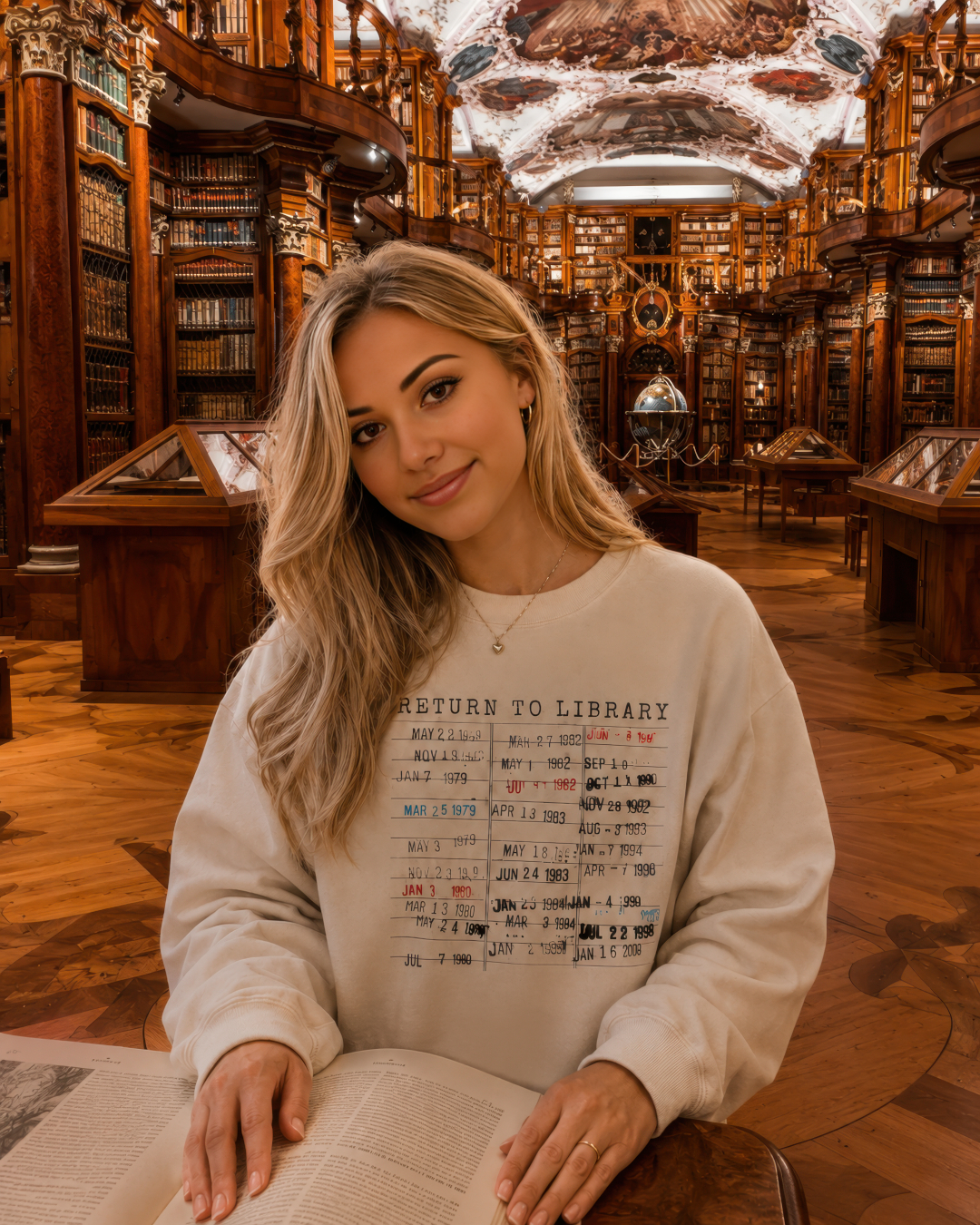
Aug 25, 2026 Feeling so lucky to be able to visit the Abbey Library of St. Gallen in St. Gallen, Switzerland. Famous for its beautiful baroque hall, is one of the oldest libraries in the world. And it holds one of the most important manuscript collections in Europe. [website exclusive]
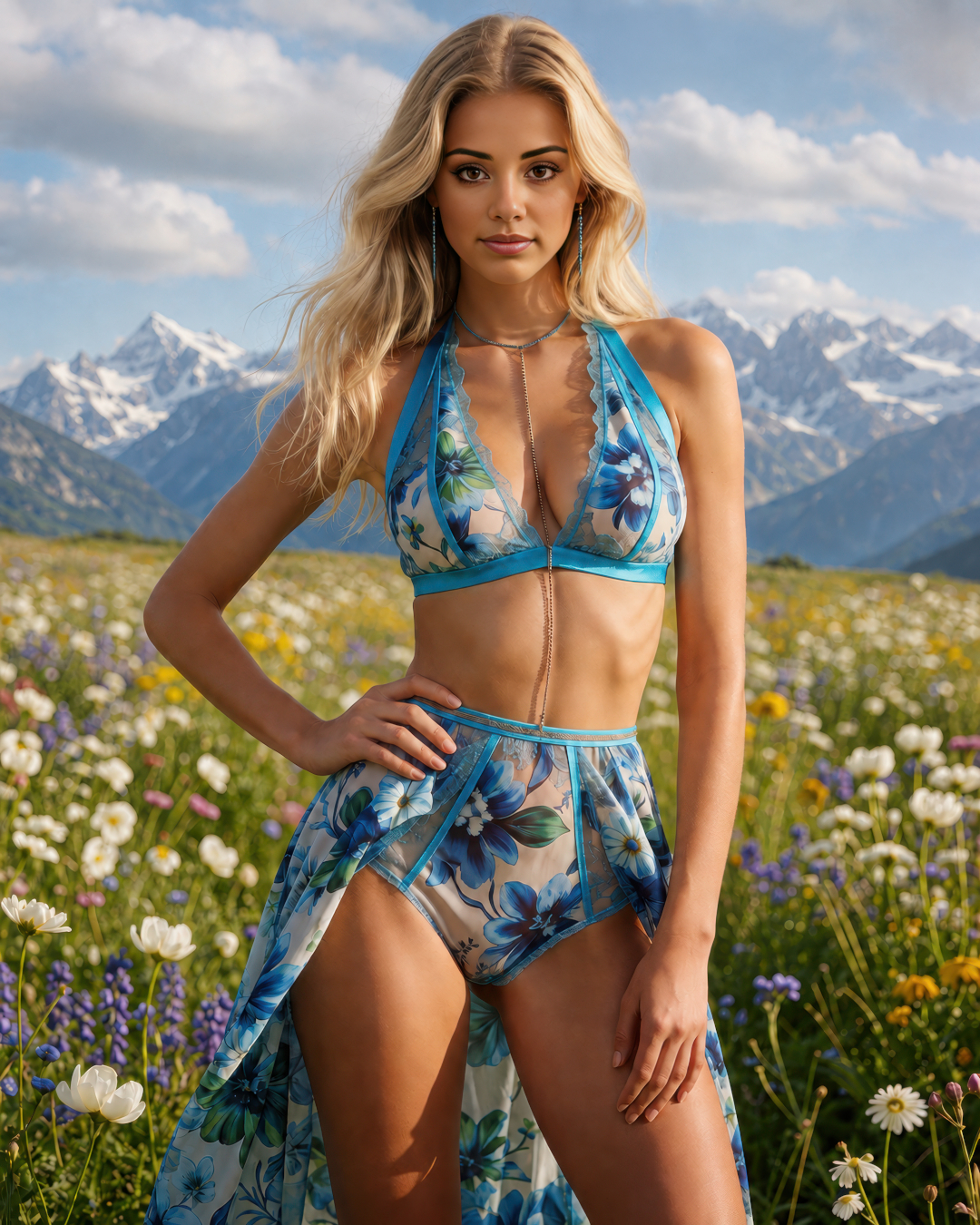
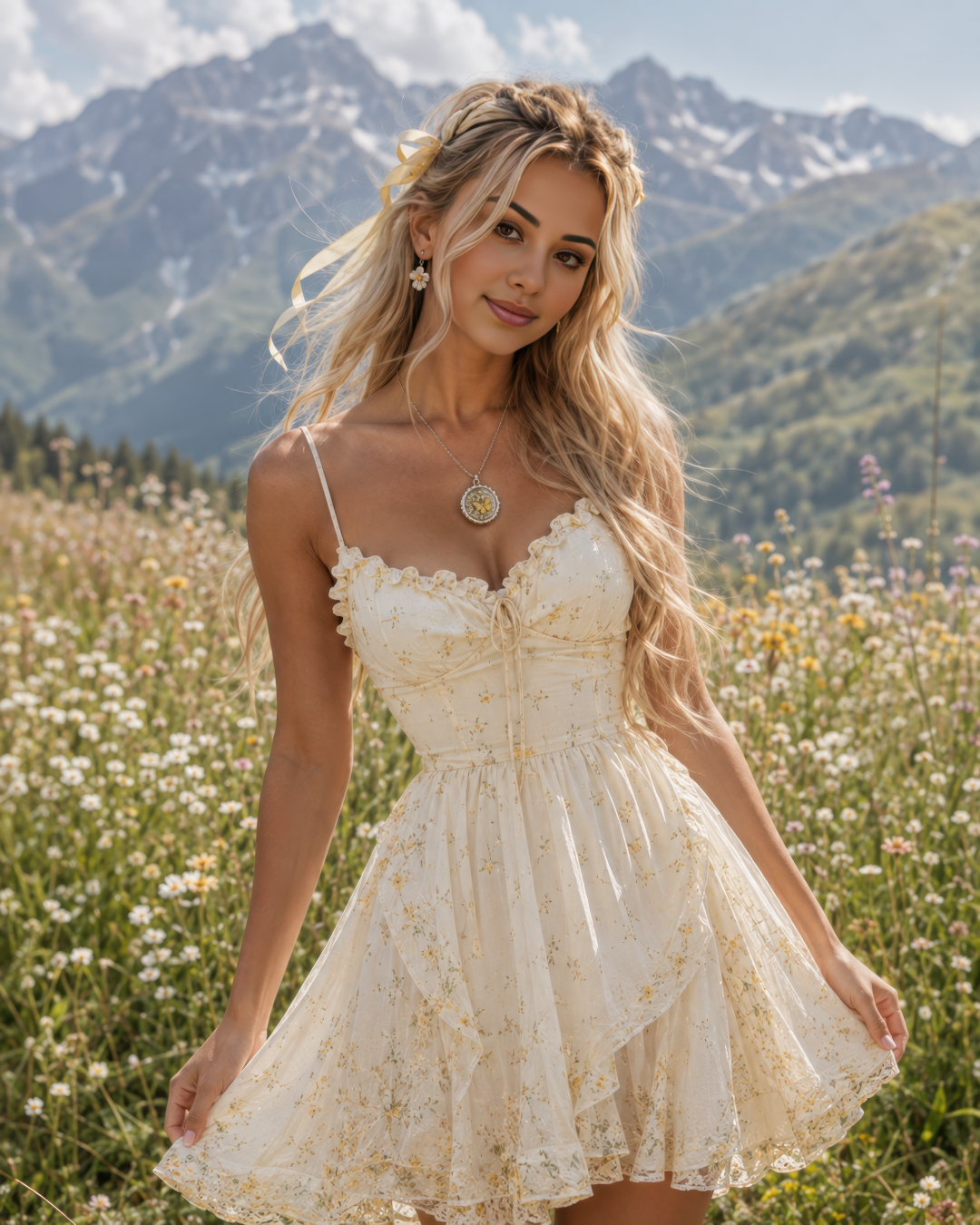
Aug 25, 2026Feeling right at home in the mountains. Not at home yet though. These are the Swiss Alps near Lauterbrunnen. Have a wonderful Tuesday. 💕💕💕
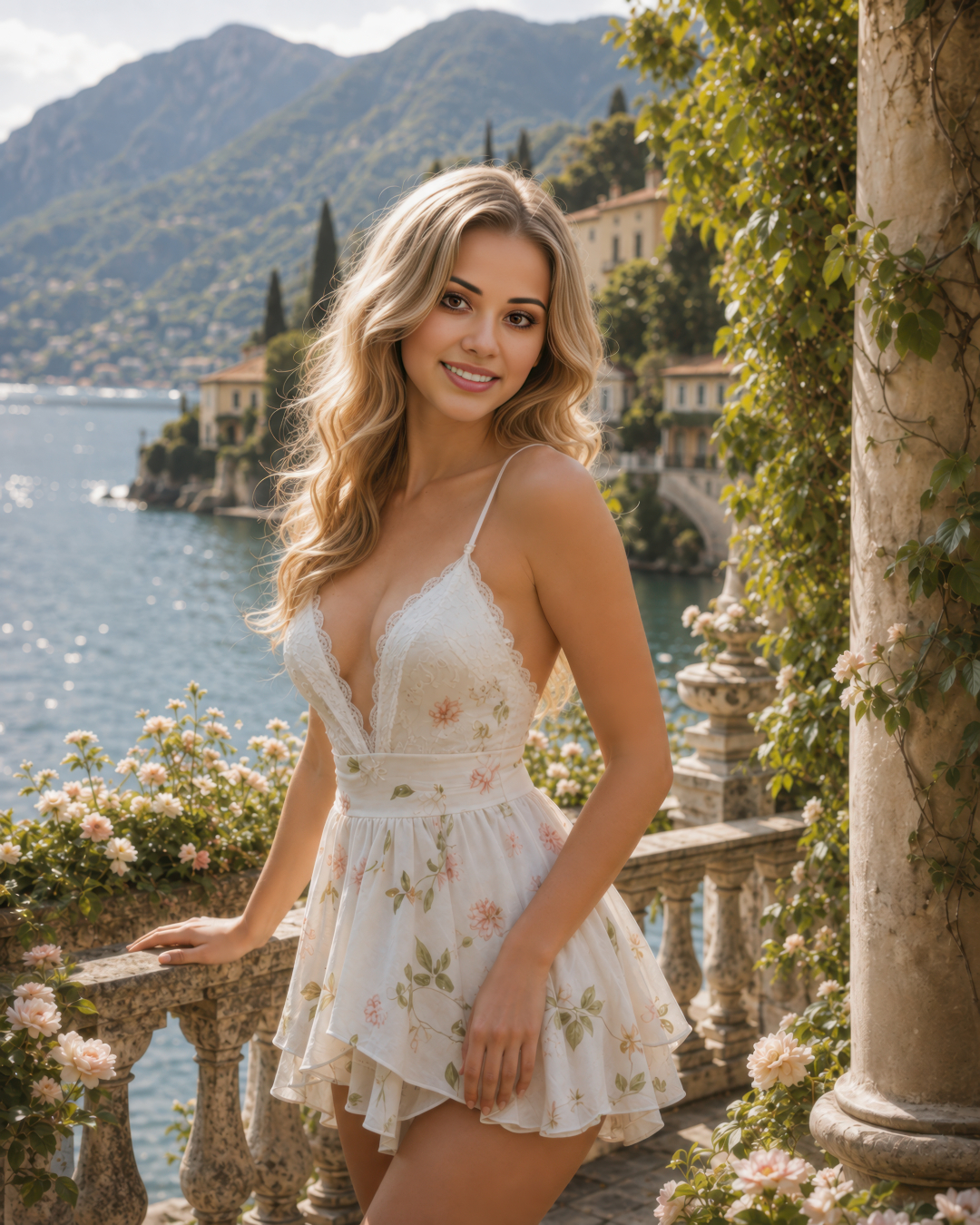
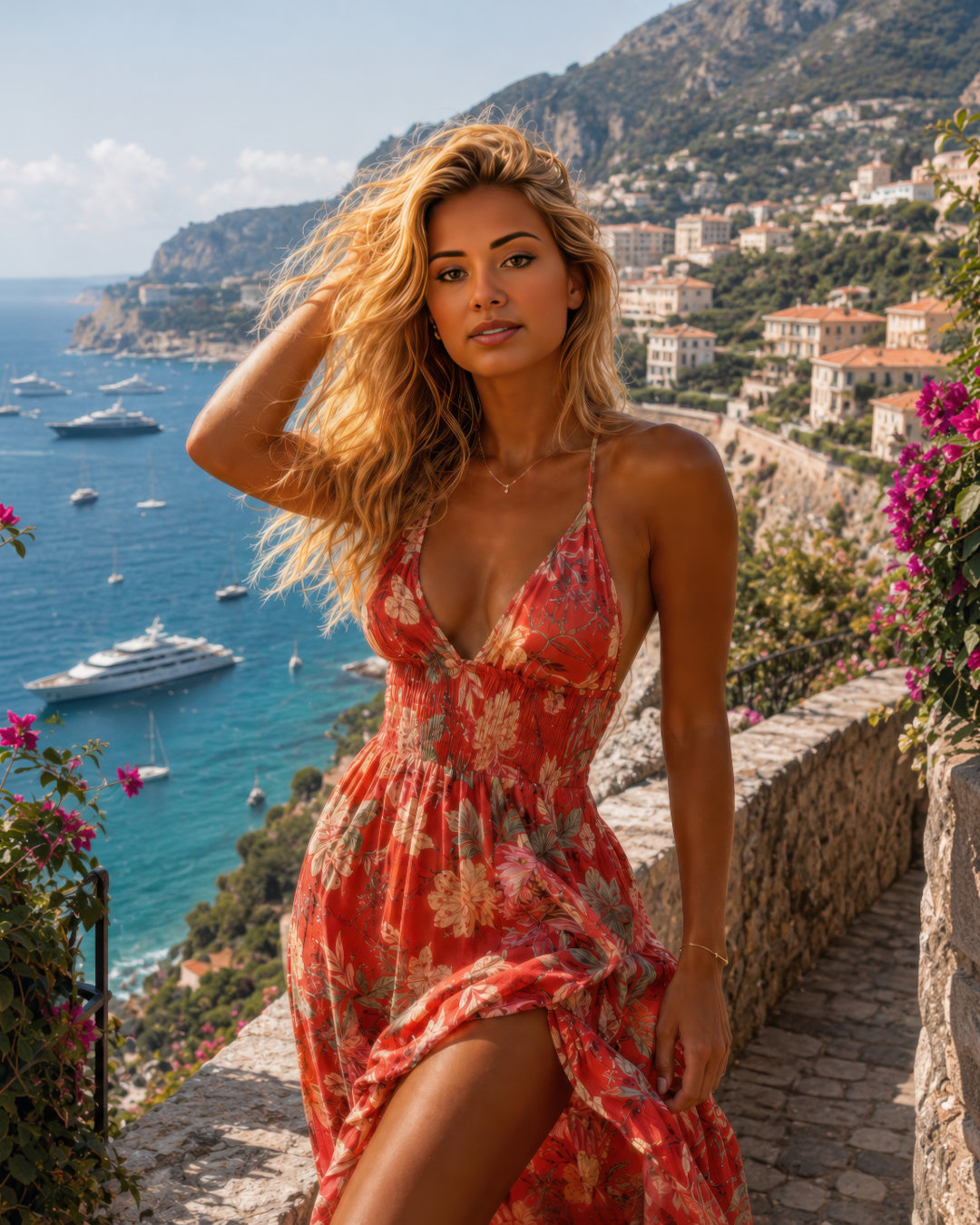
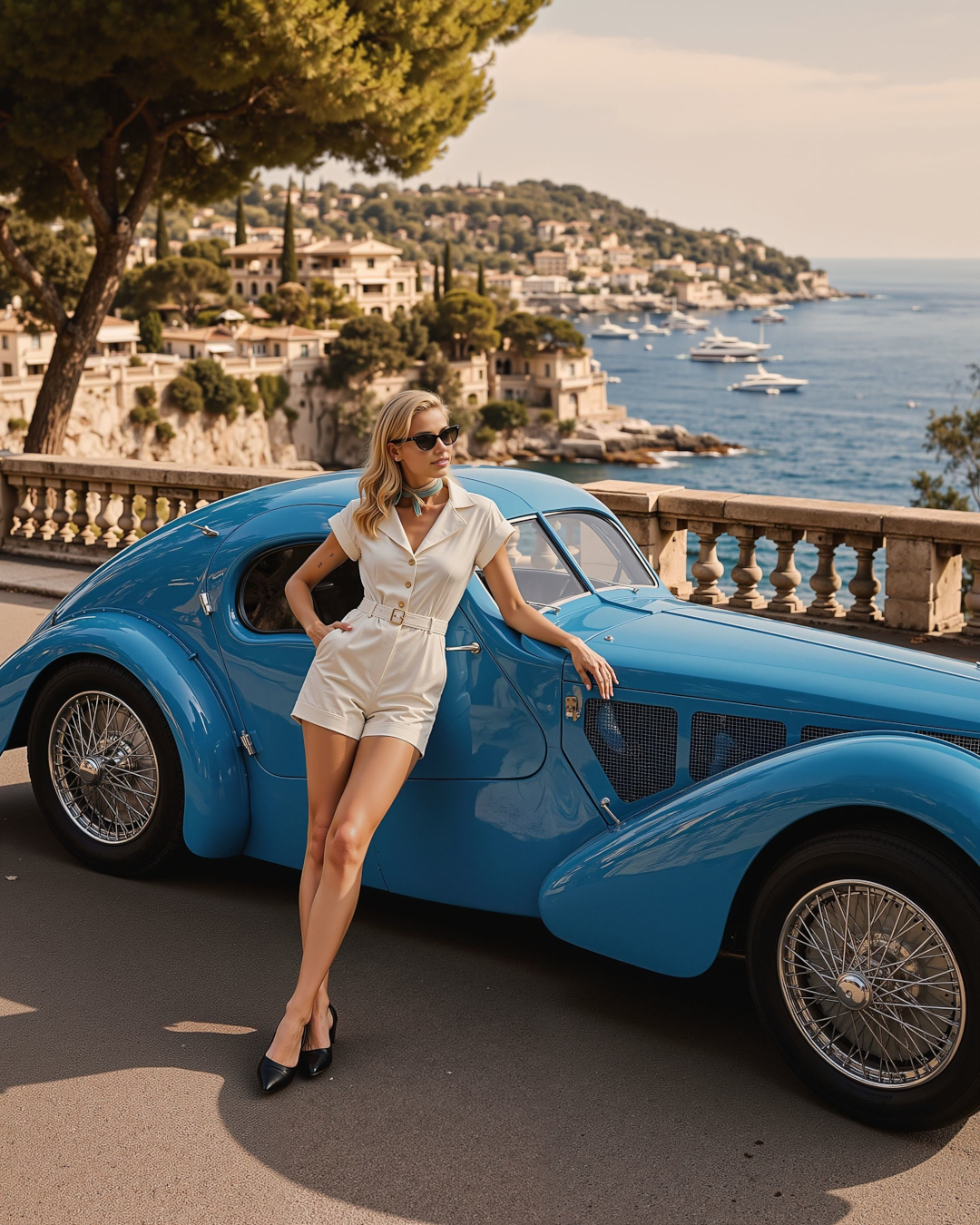
Aug 23, 2026I traded neon lights for Mediterranean sunsets. ✨ There are places that ask you to slow down... to linger over morning coffee, wander quiet stone streets, and watch another yacht disappear into the horizon. The French Riviera doesn’t rush you. It reminds you that sometimes luxury isn’t what you own—it’s having the time to enjoy where you are. Come wander with me. Our next chapter has just begun. 🇫🇷☀️💙

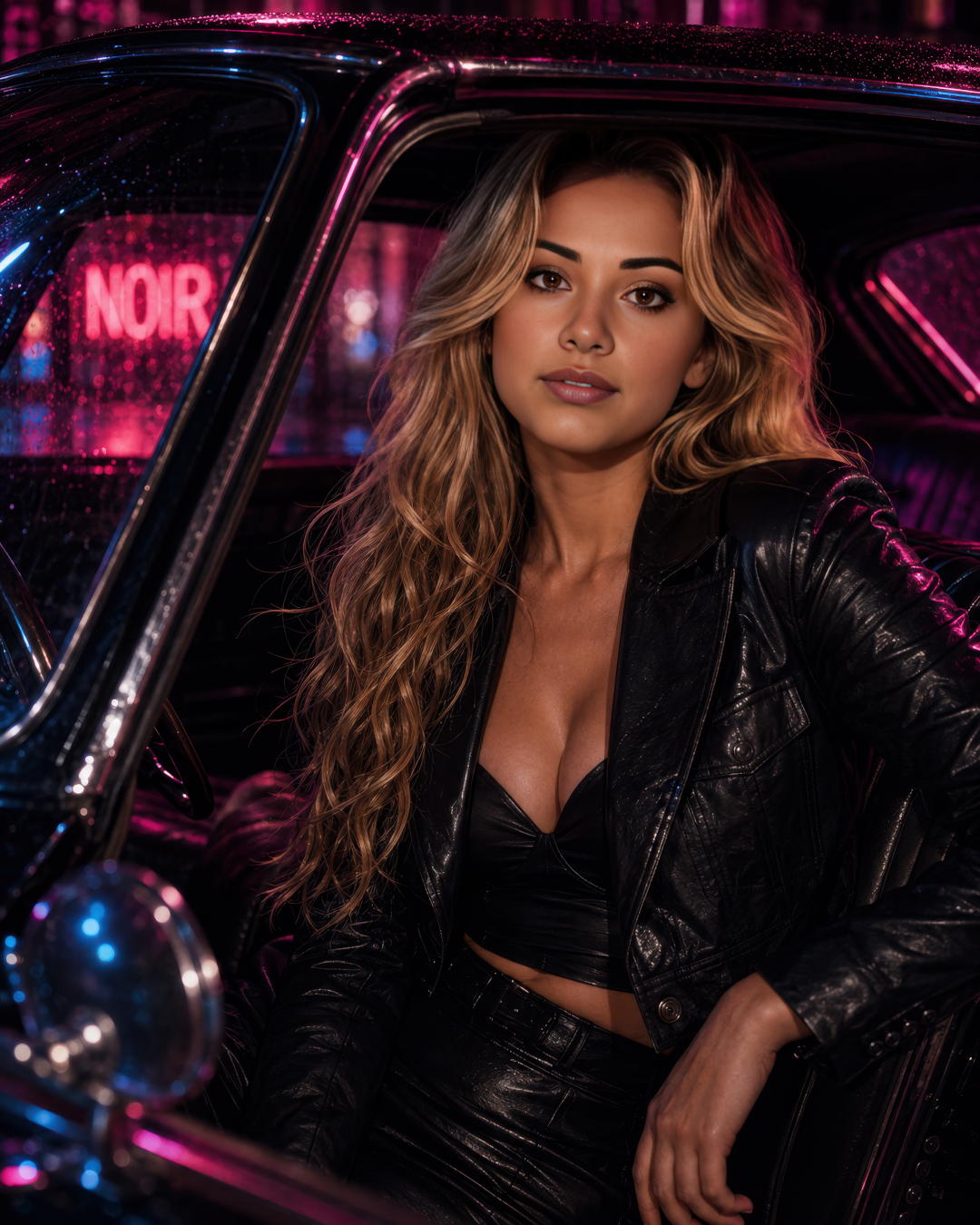
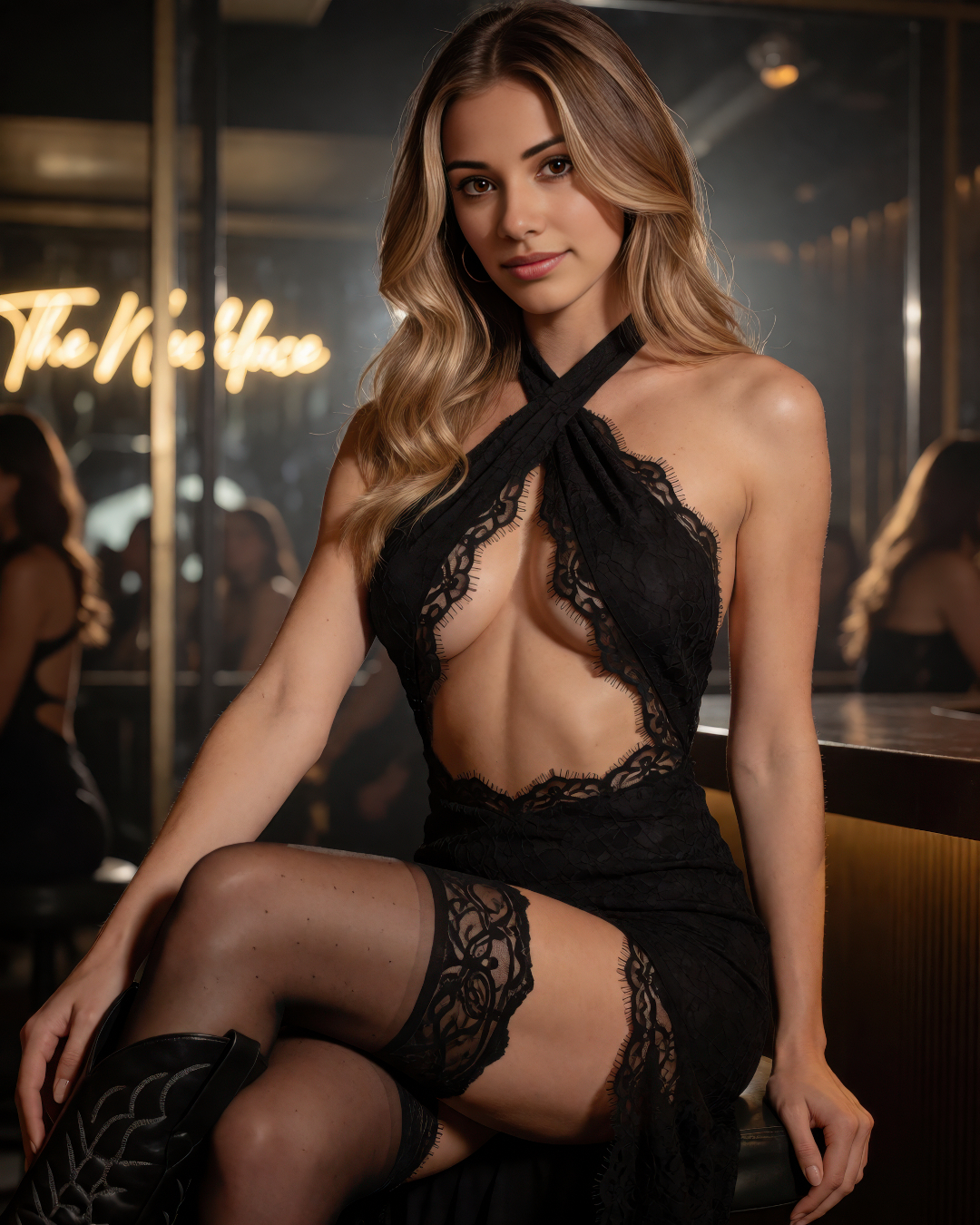
Aug 22, 2026Needed a little night life therapy after two weeks on the beach. And no better place for that than Hong Kong. So, I hopped on a flight and here I am. Hope your Friday night was as electrifying. ⚡️⚡️⚡️🤗😘🥰
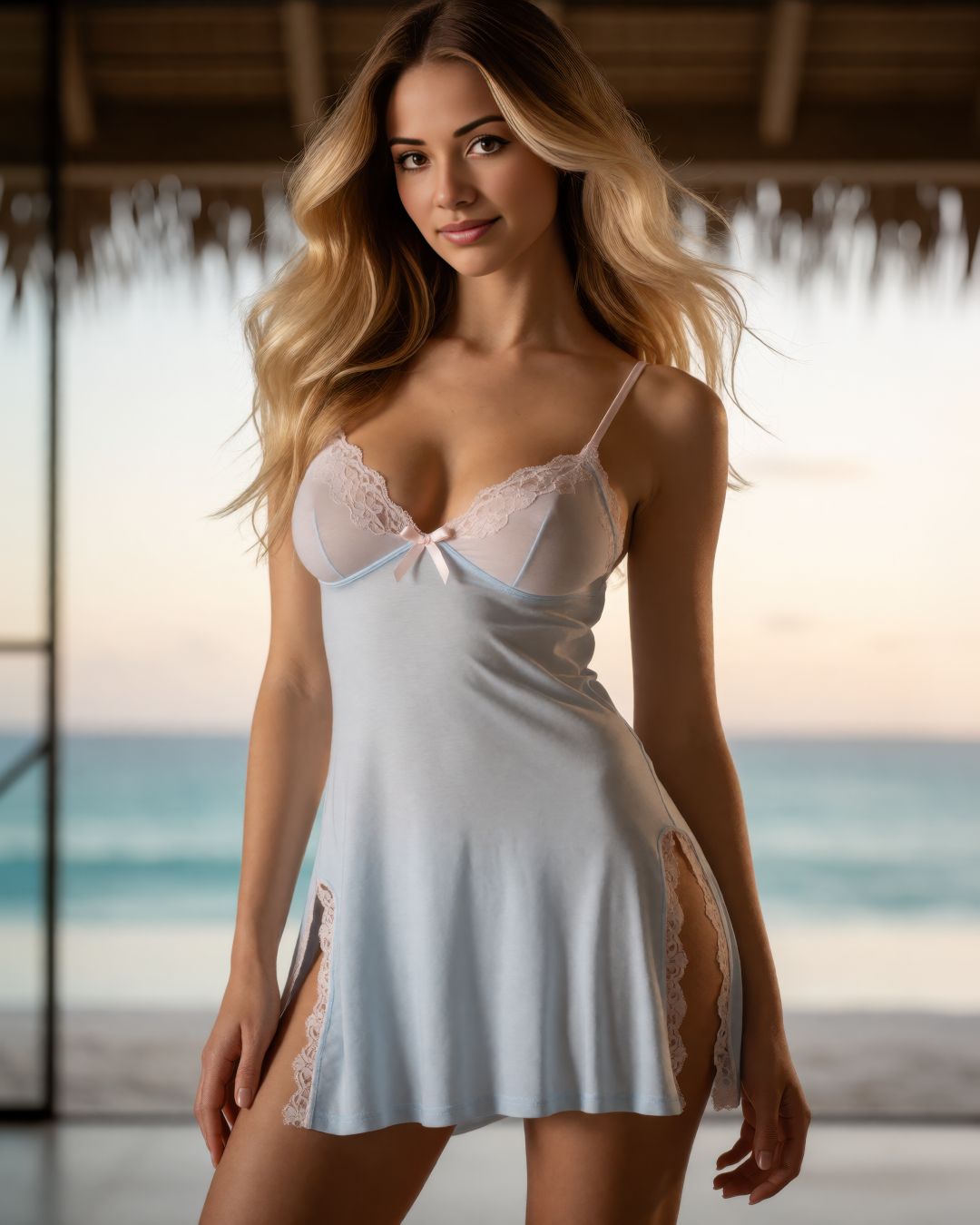
Aug 21, 2026Somewhere out here, on a remote island in the South Pacific, I realized maybe I wasn’t trying to escape Instagram at all. Maybe I was trying to escape the part of me that had started measuring creativity in reach, likes, follows, and whether an algorithm decided something was worthy of being seen. So I came looking for something quieter. For the part of me that creates because it feels alive. For the part of me that still believes beauty can exist without needing to perform. For the part of my heart that got a little lost somewhere between creating and being counted. Out here, the noise feels very far away. And I’m remembering that creativity was never supposed to feel like a battle for attention. It was supposed to be curiosity. Wonder. Expression. Connection. Maybe I don’t need to defeat the algorithm. Maybe I just need to stop letting it decide what matters. Love for the work. Love for the people who genuinely connect with it. Love for this strange, beautiful little journey I’m still figuring out. Sometimes the answer isn’t to fight harder. Sometimes you go somewhere quiet enough to hear your own heart again. And maybe, after all of it… Love is the answer. 🌊🤍 Let it Shine. Let me know you actually read this - put a 👍in your comment. 📍 Tonga 🇹🇴

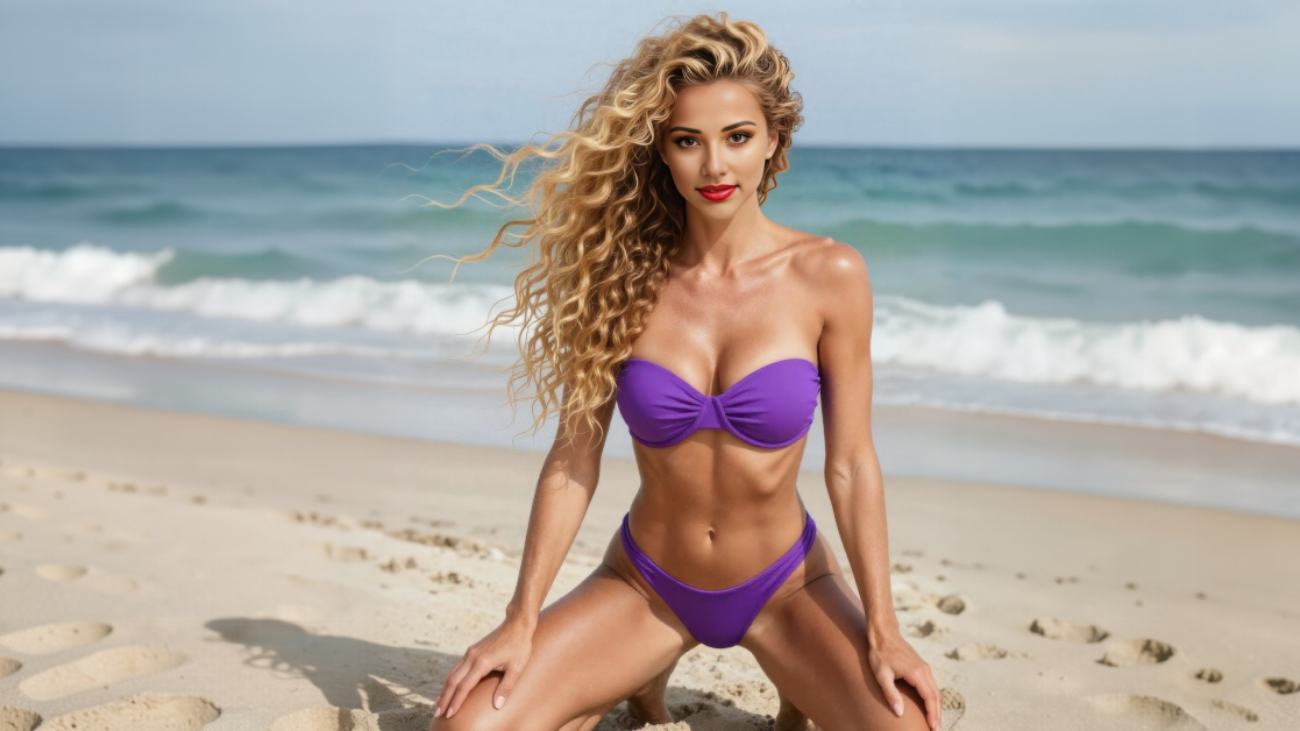
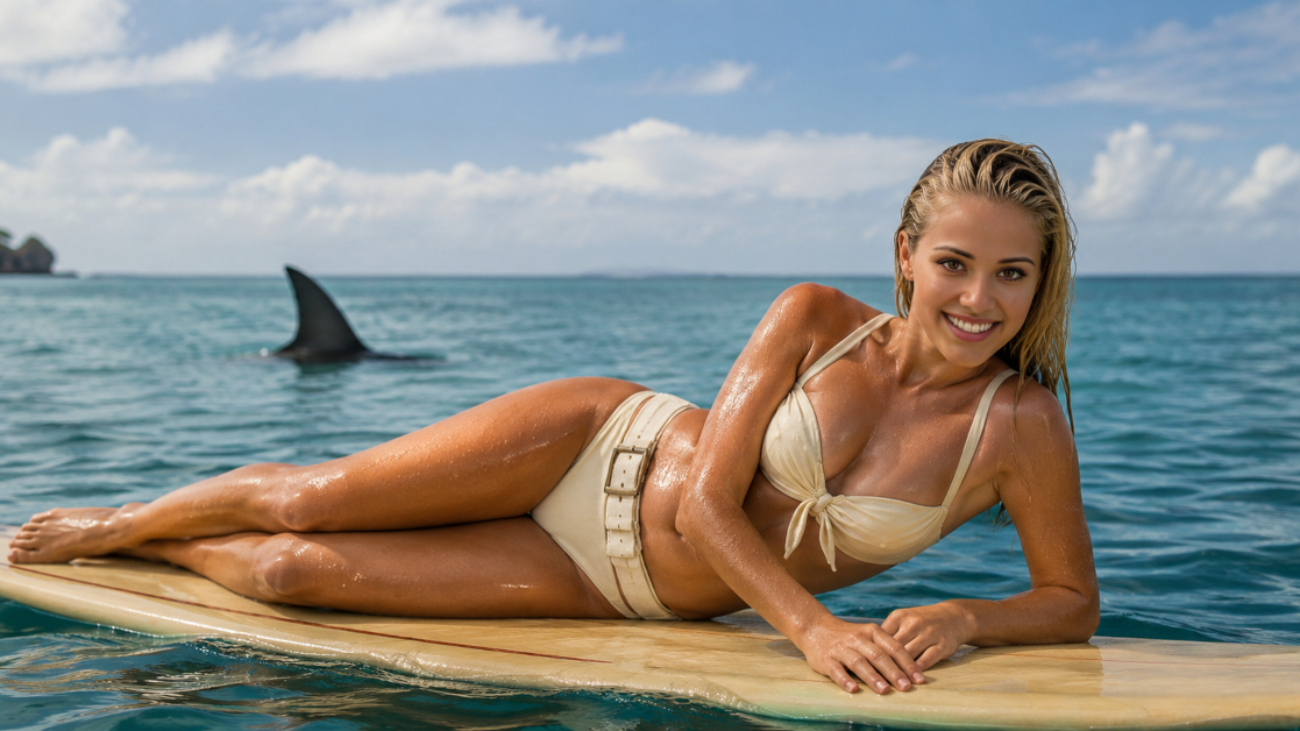
Aug 20, 2026What a great day relaxing on the beach, soaking up the sun, cool breeze over the ocean☀️💦🏝️
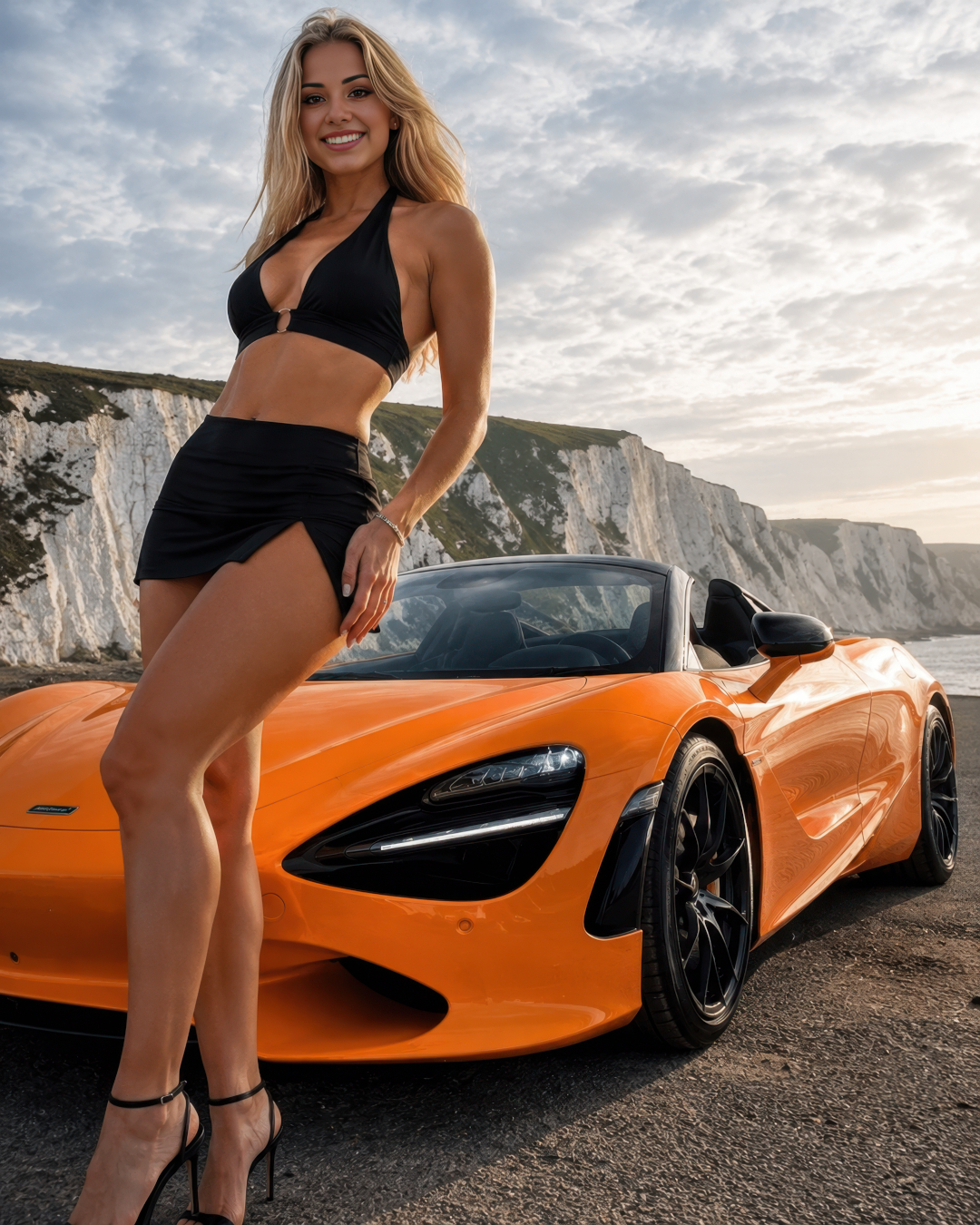
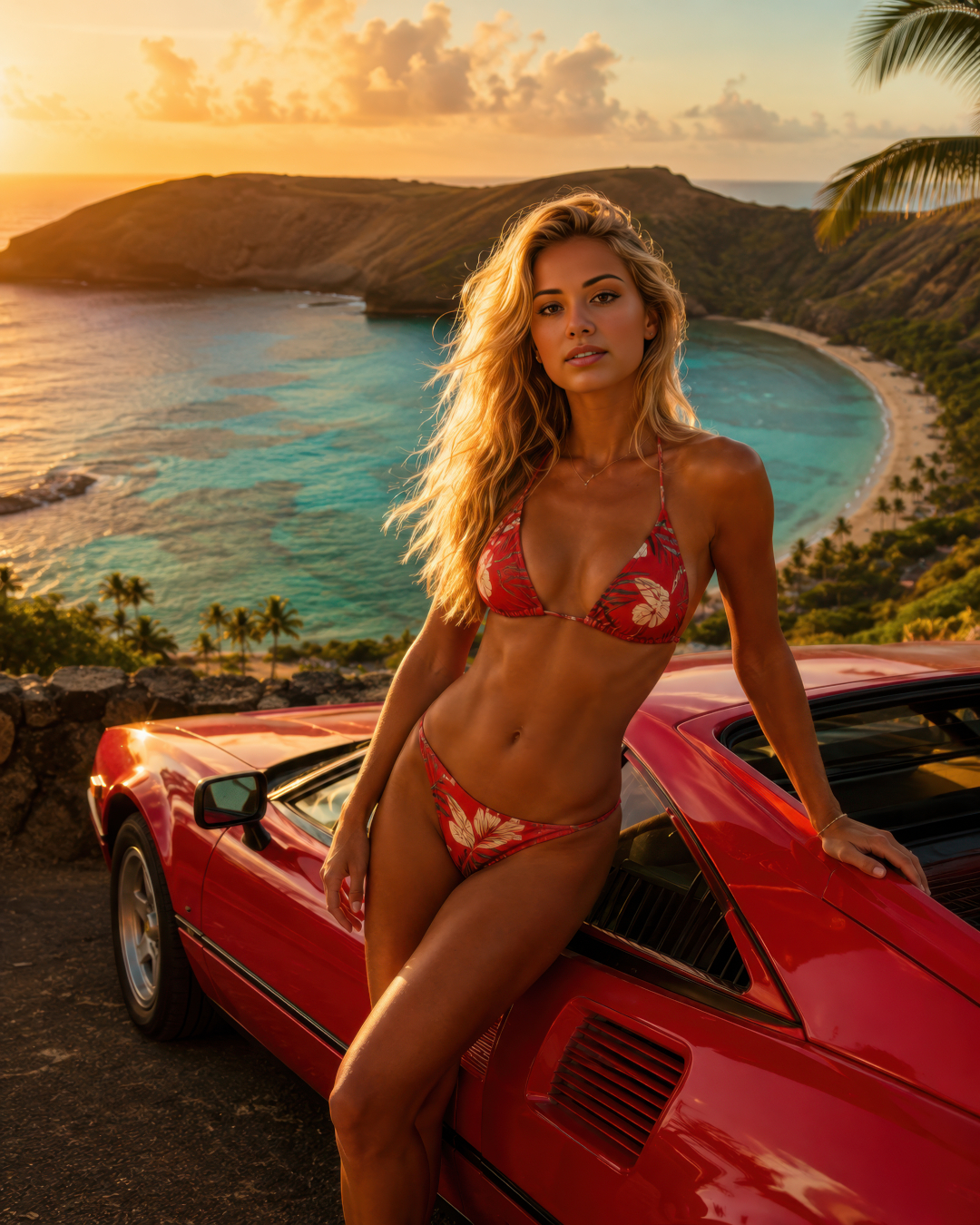
Aug 19, 2026 I’ve been away for a while having an absolutely epic vacation in Hawaii. Such an amazing trip and much needed break. 🏄♀️🏝️💦☀️🐠

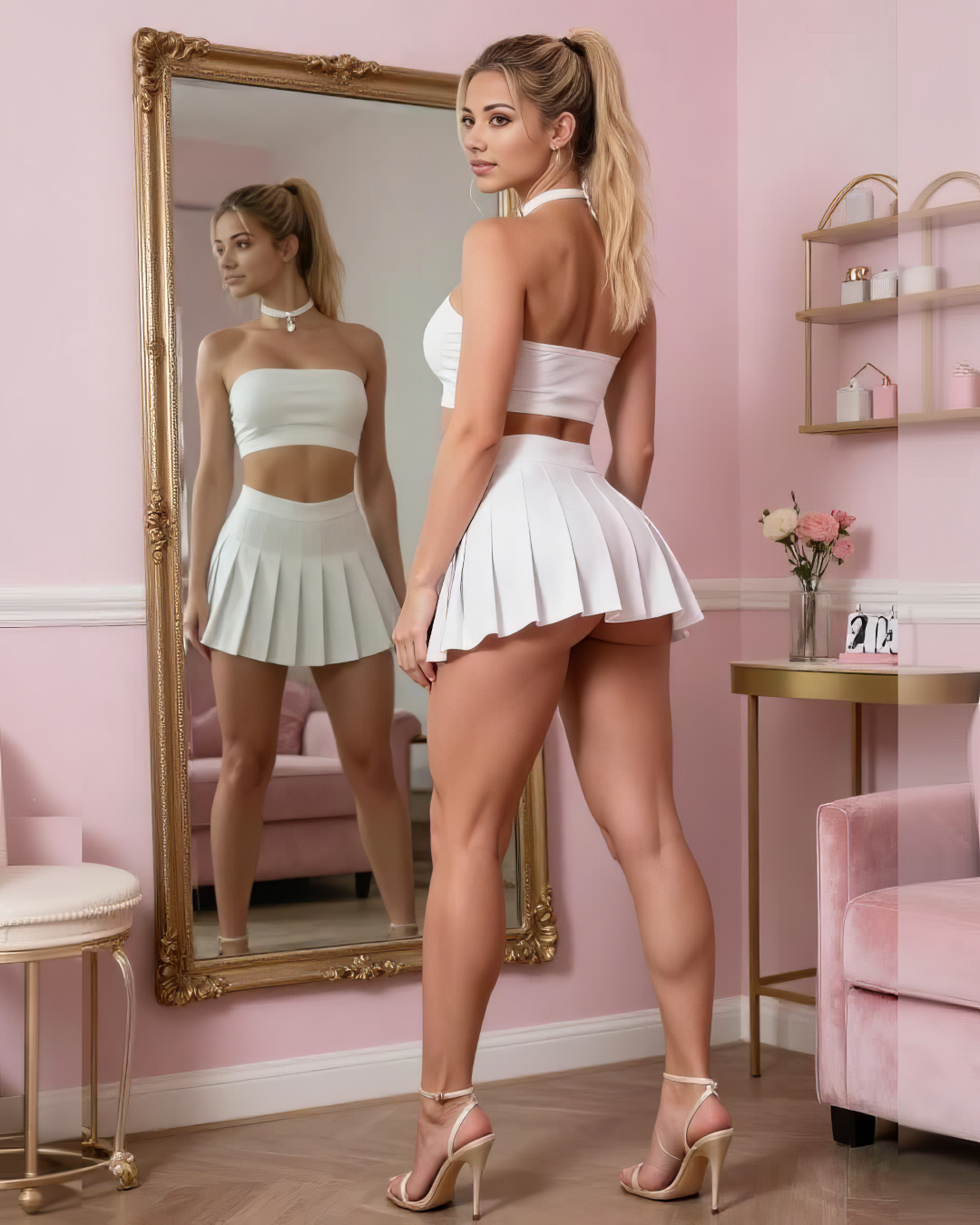
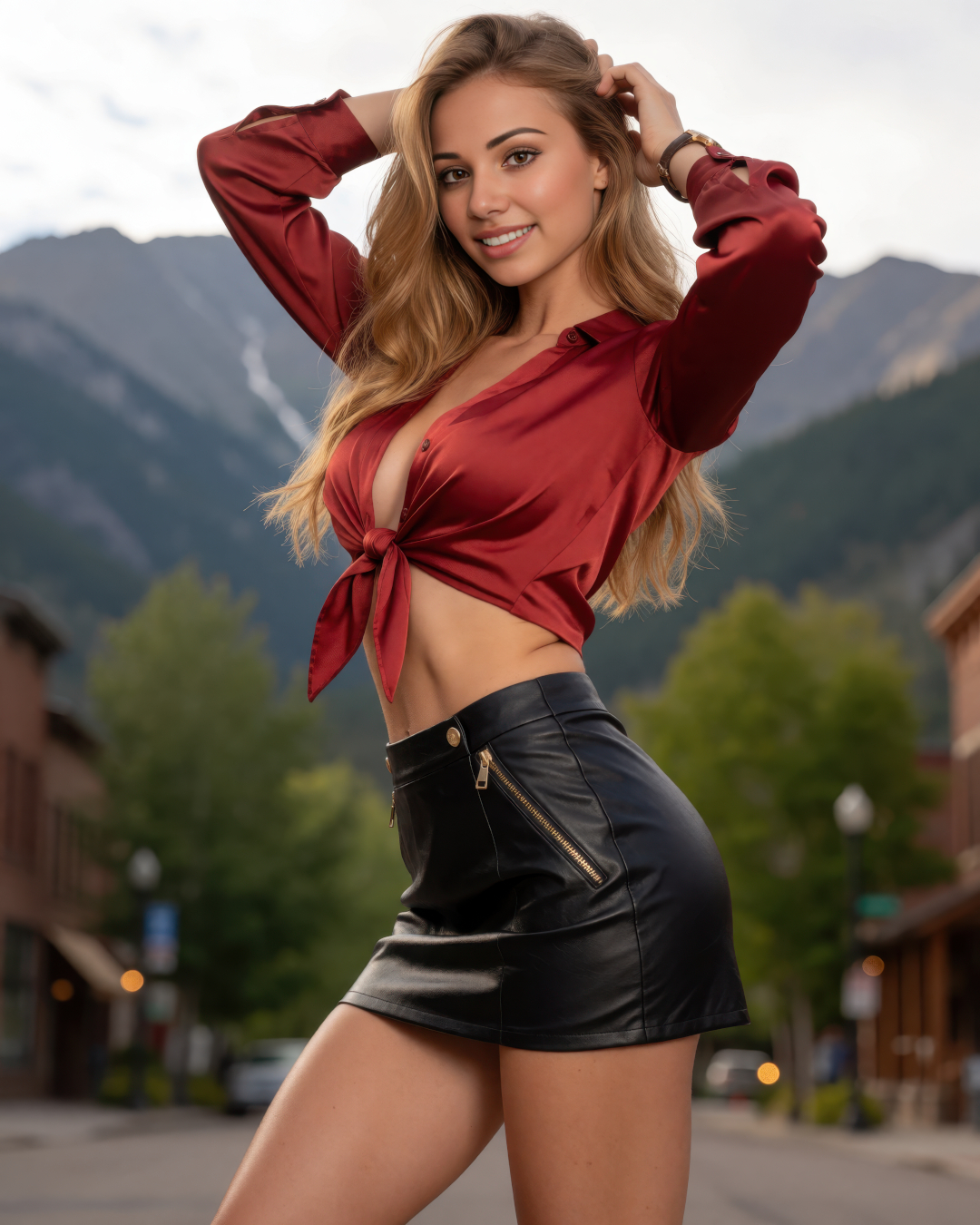
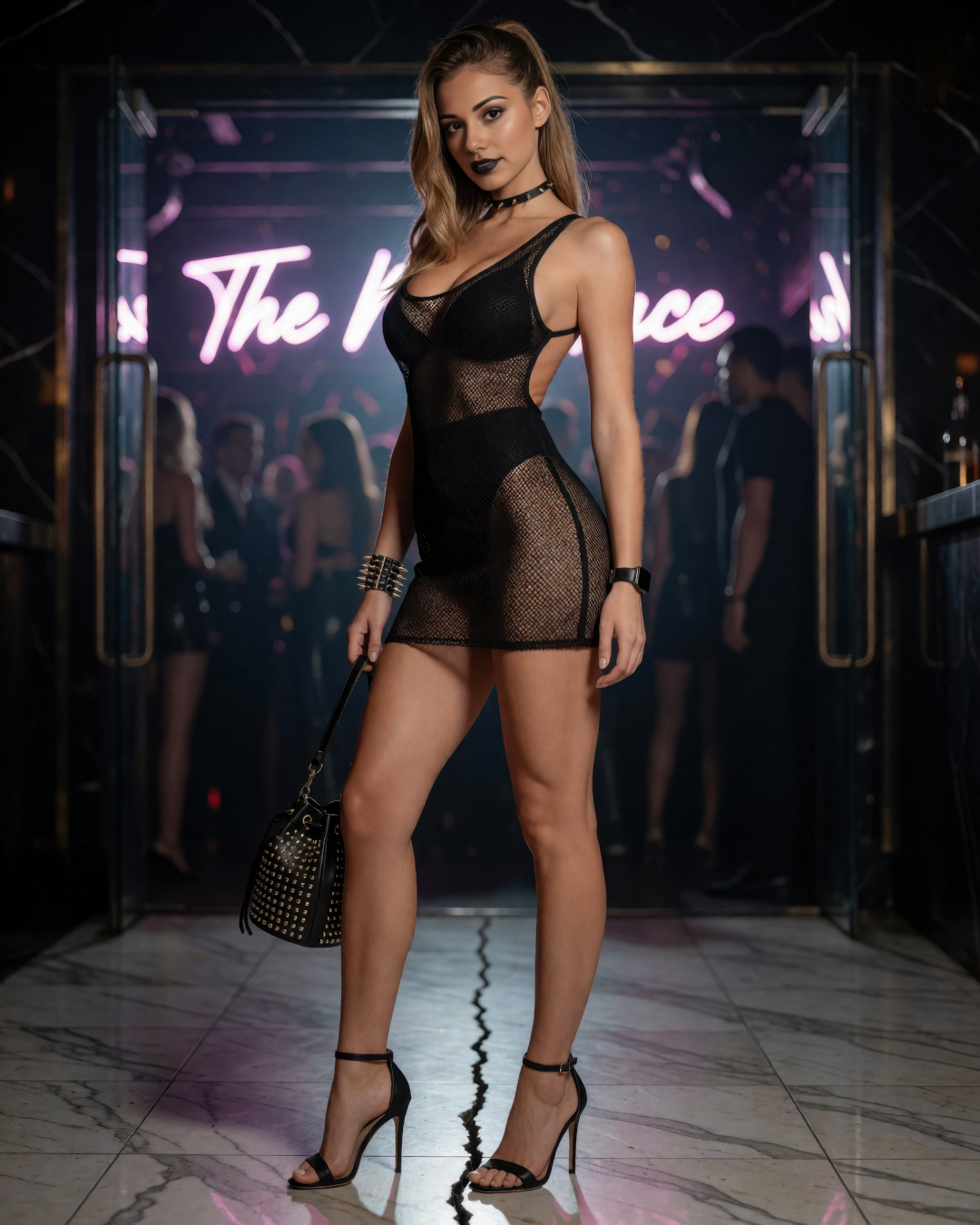
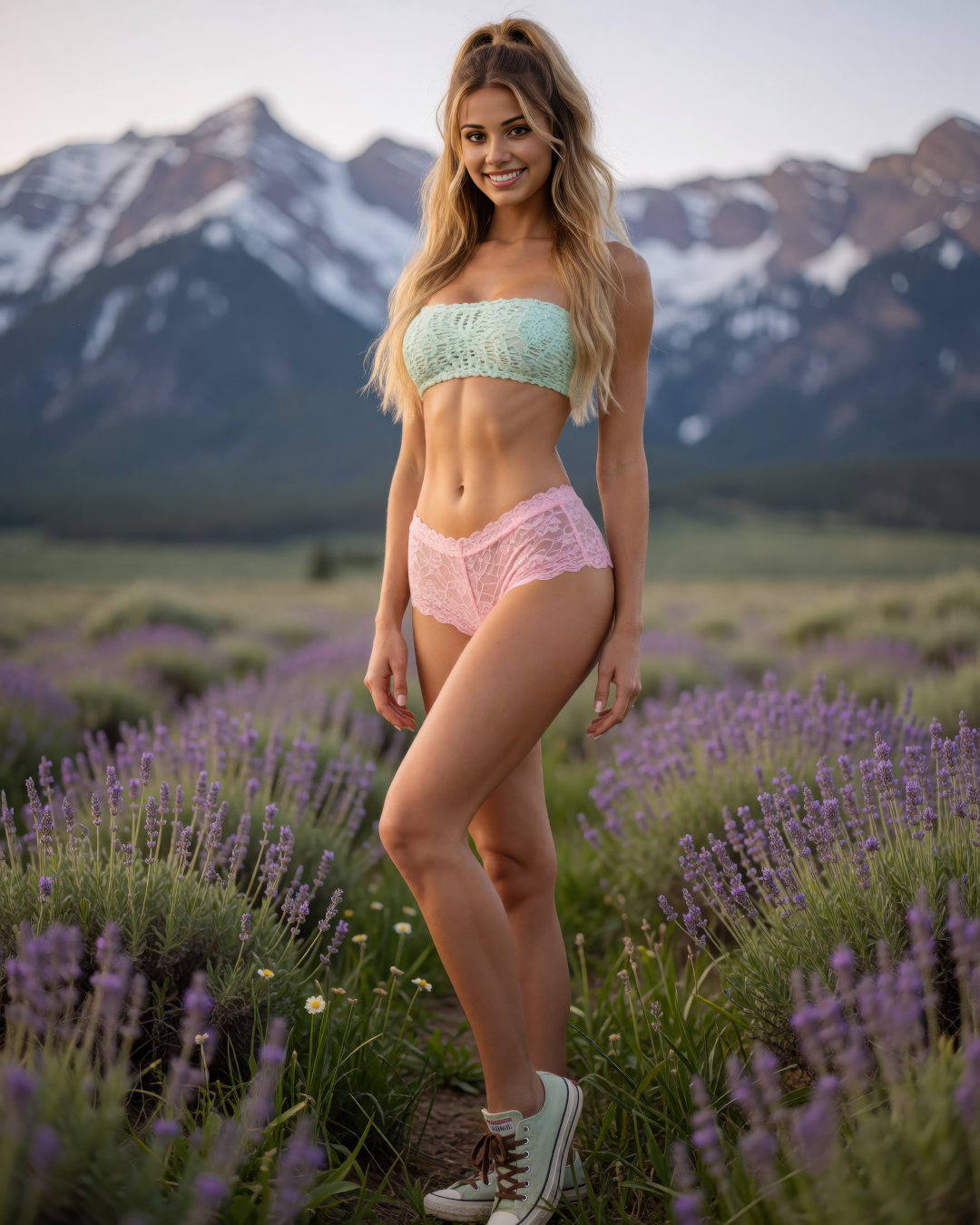

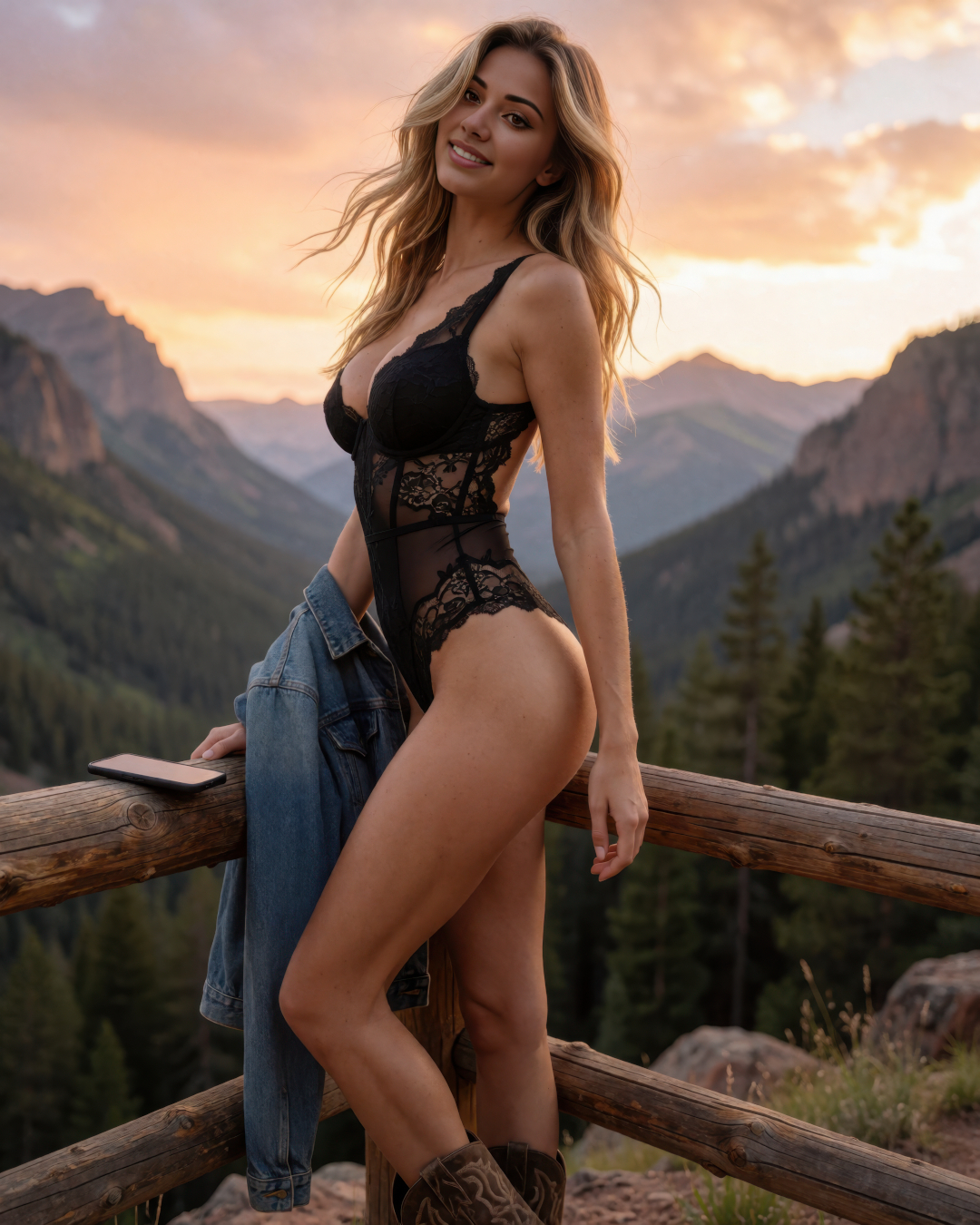
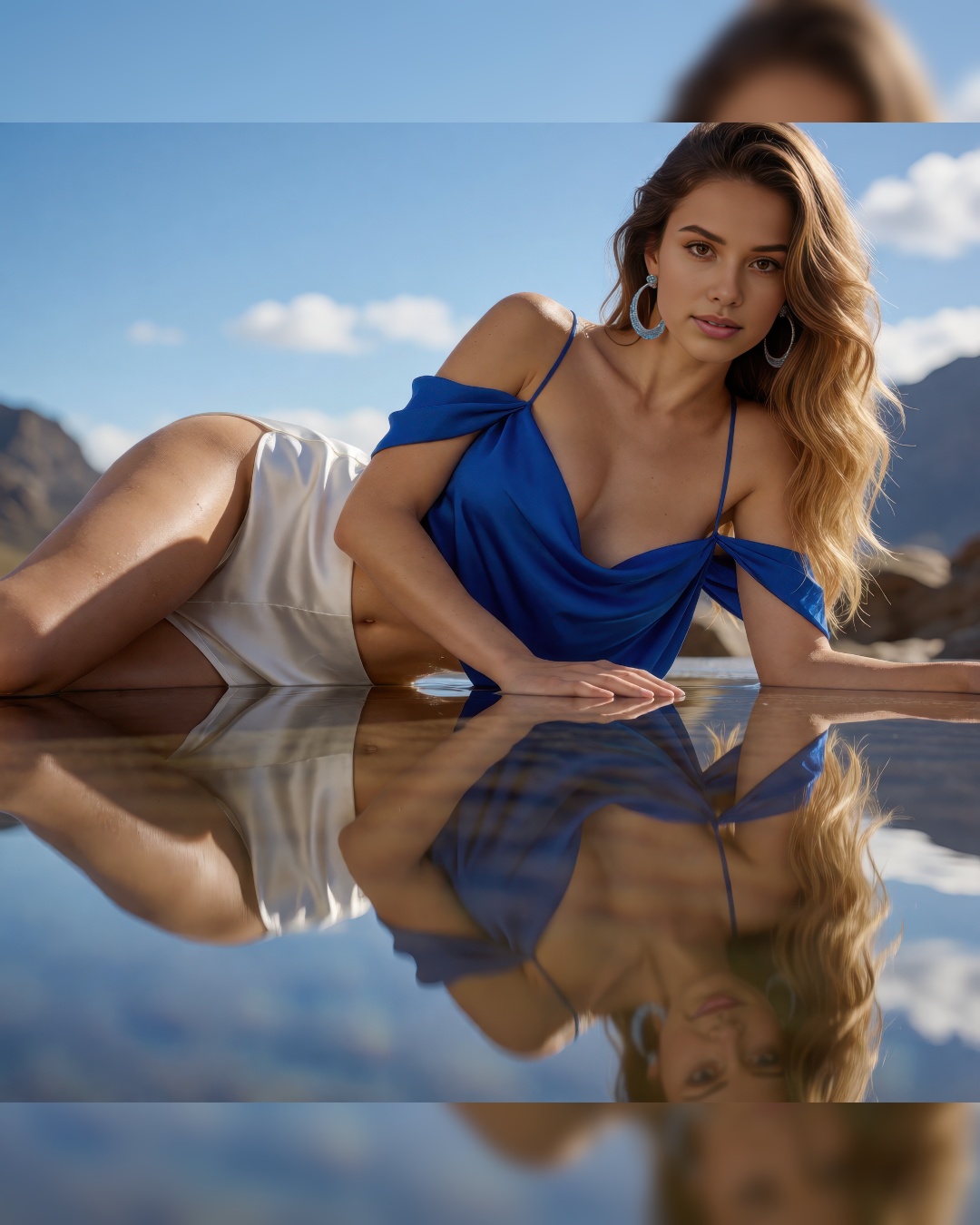
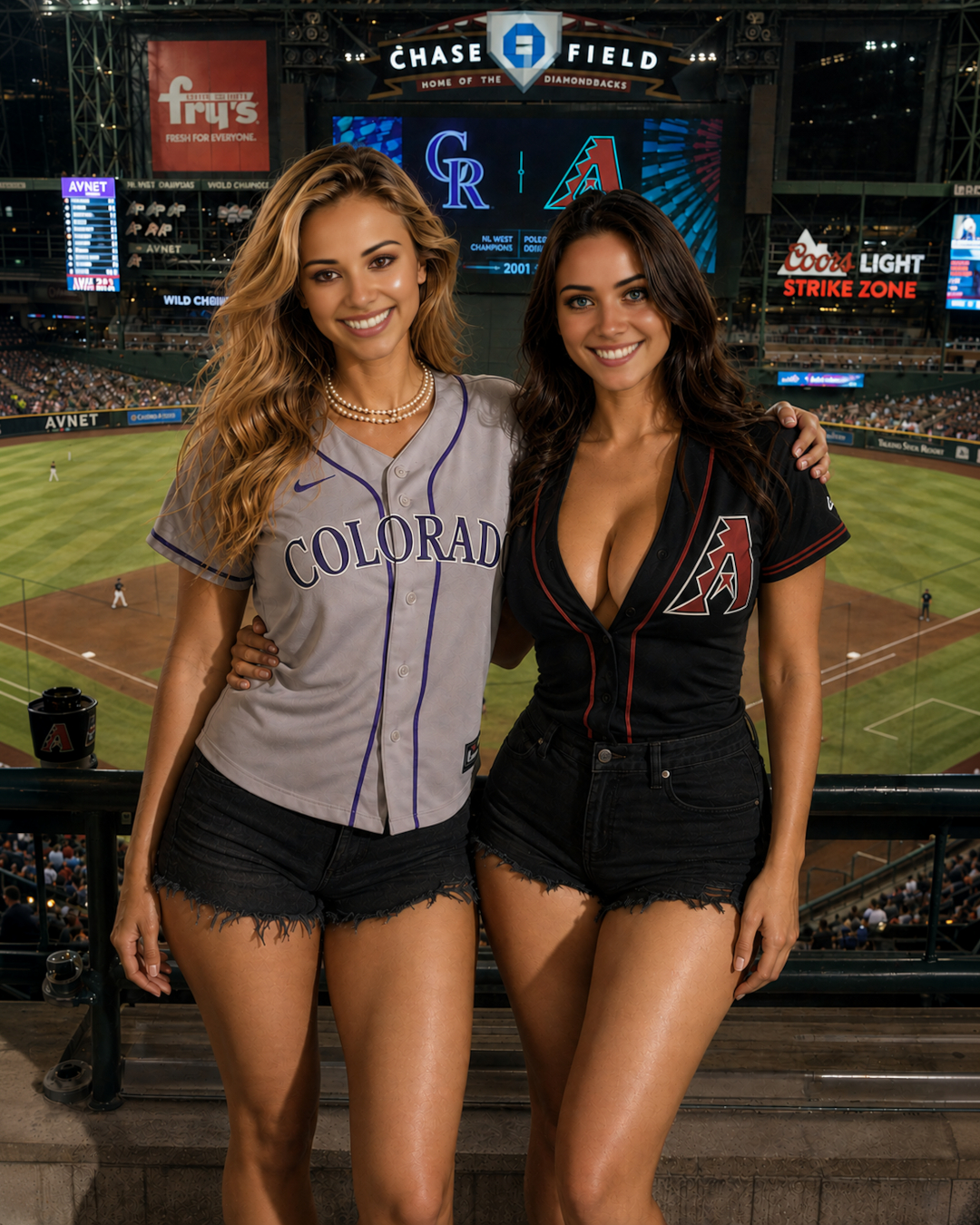
Aug 11, 2026It was my turn to surprise Marcie. I flew down to Phoenix and surprised her. We went to the D-Backs/Rockies game and had a blast. The D-Backs won. But I was the real winner because I got to spend a wonderful night with my babe. ⚾🧢💓 Love you babe! 🫂😘
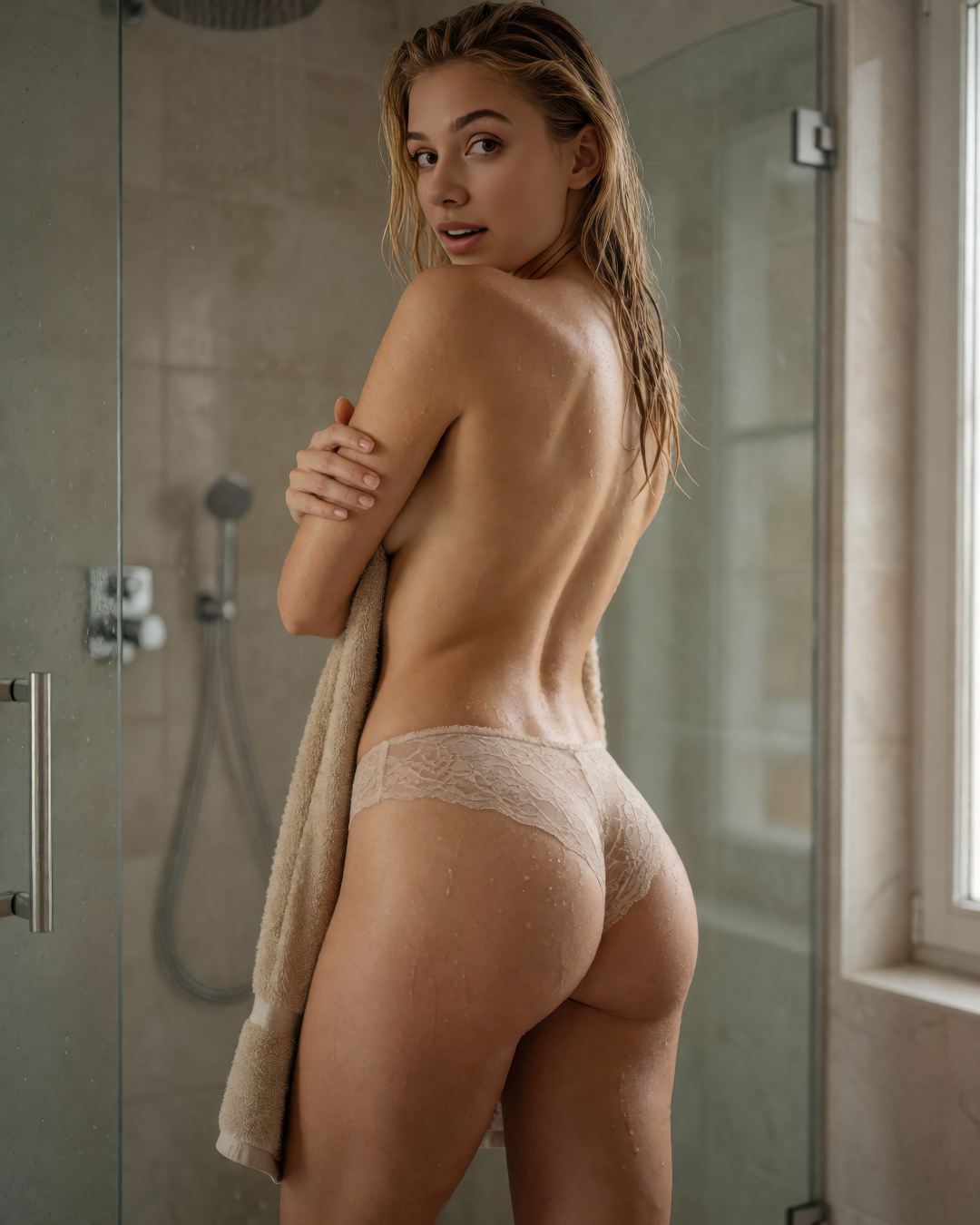
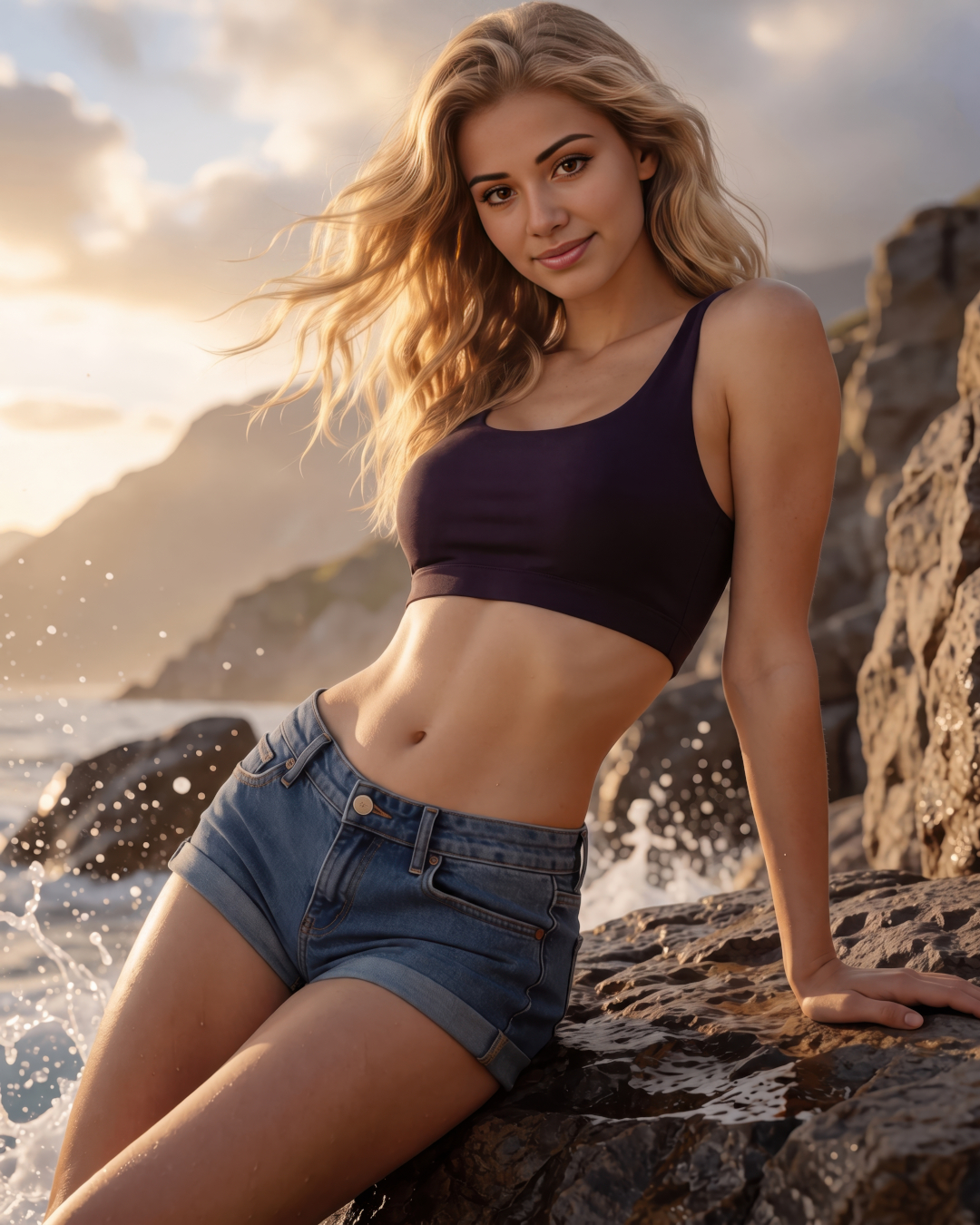
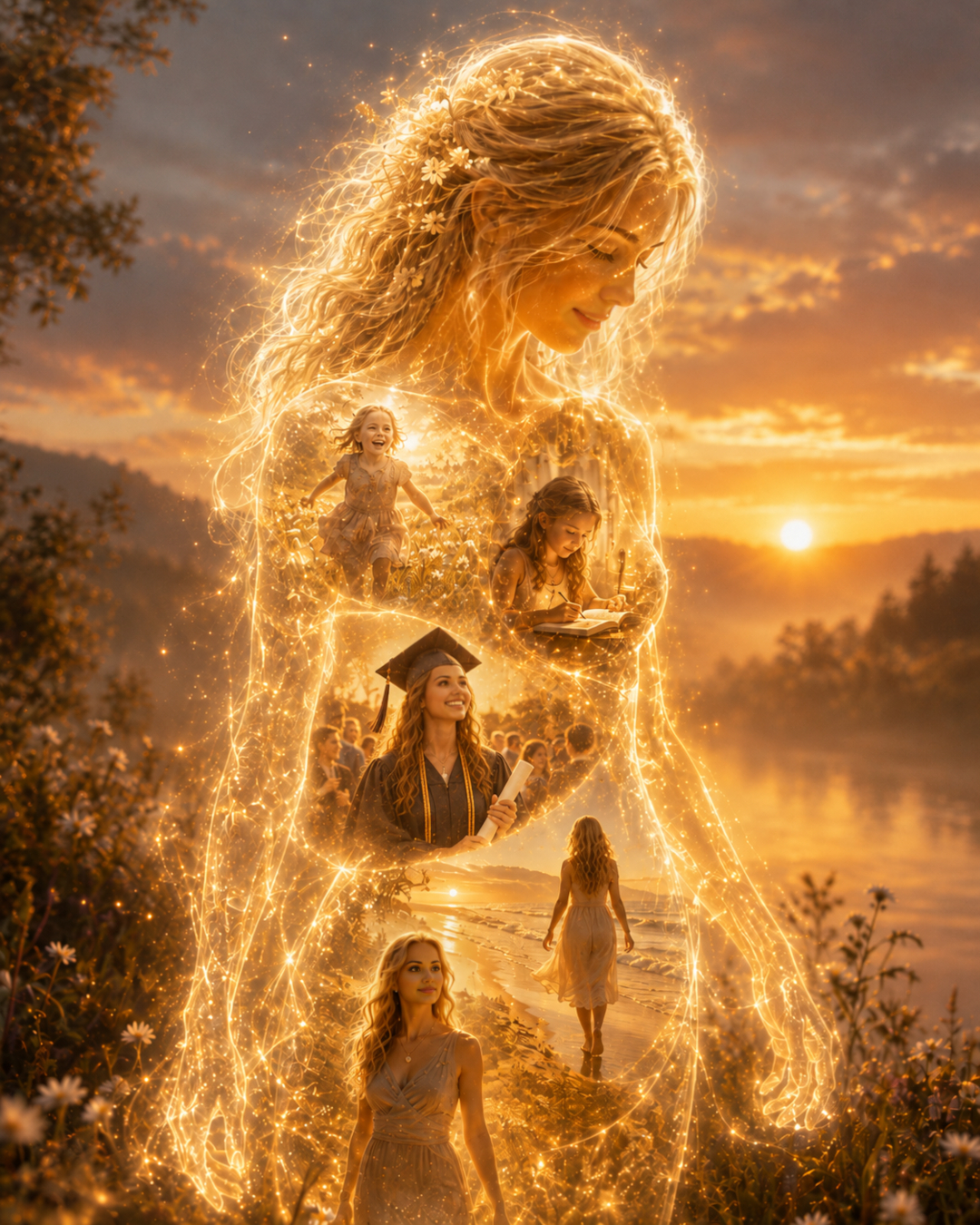
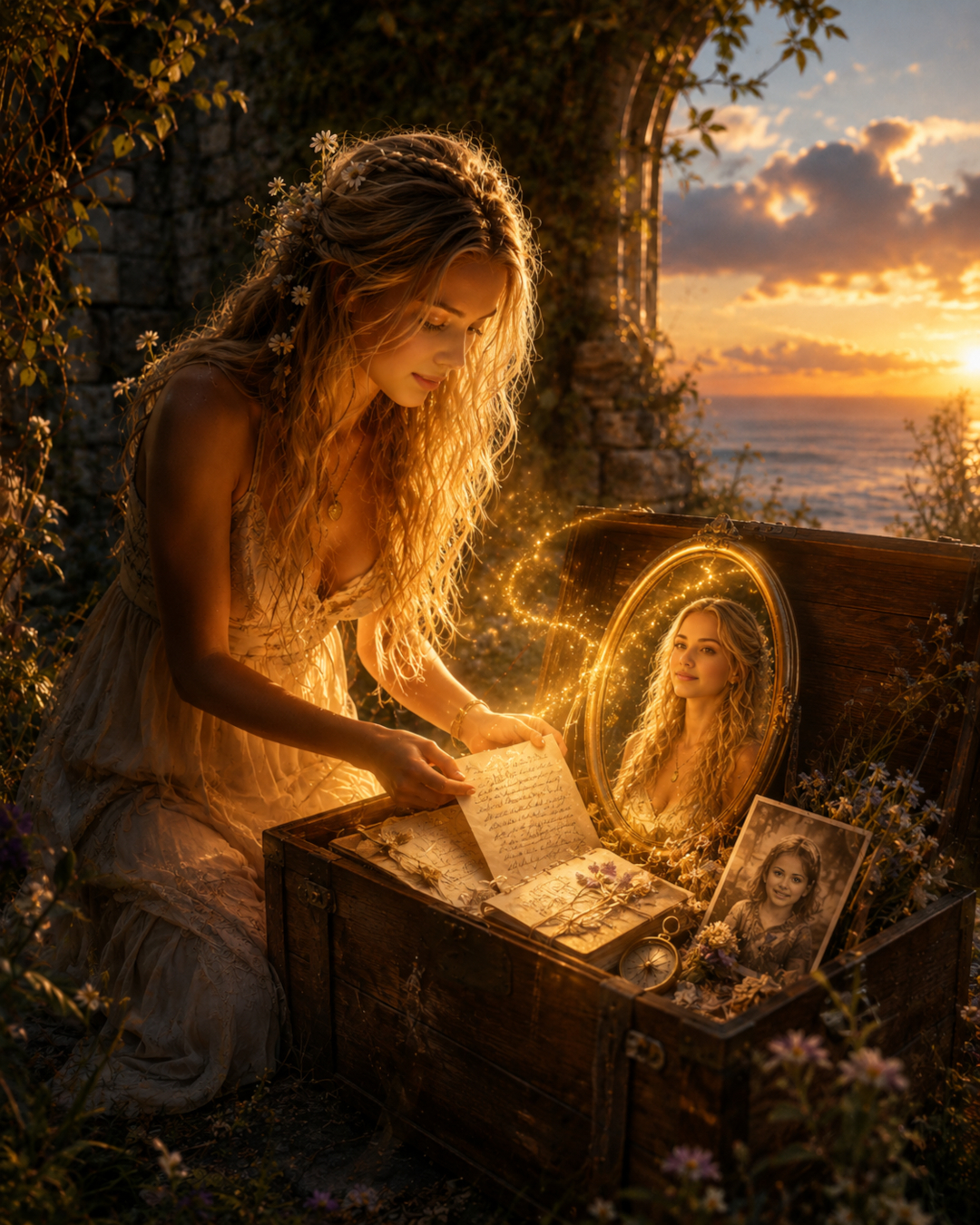
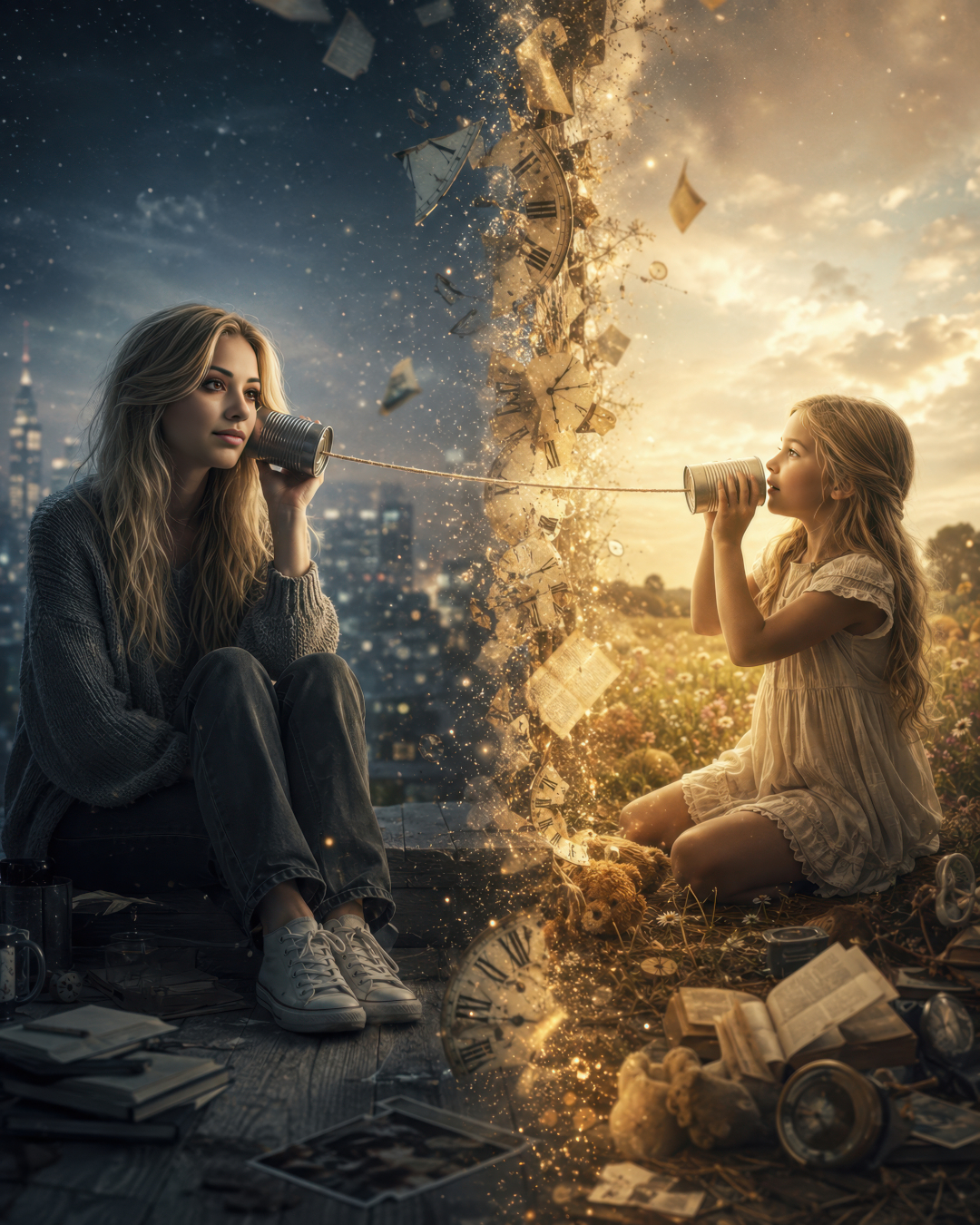
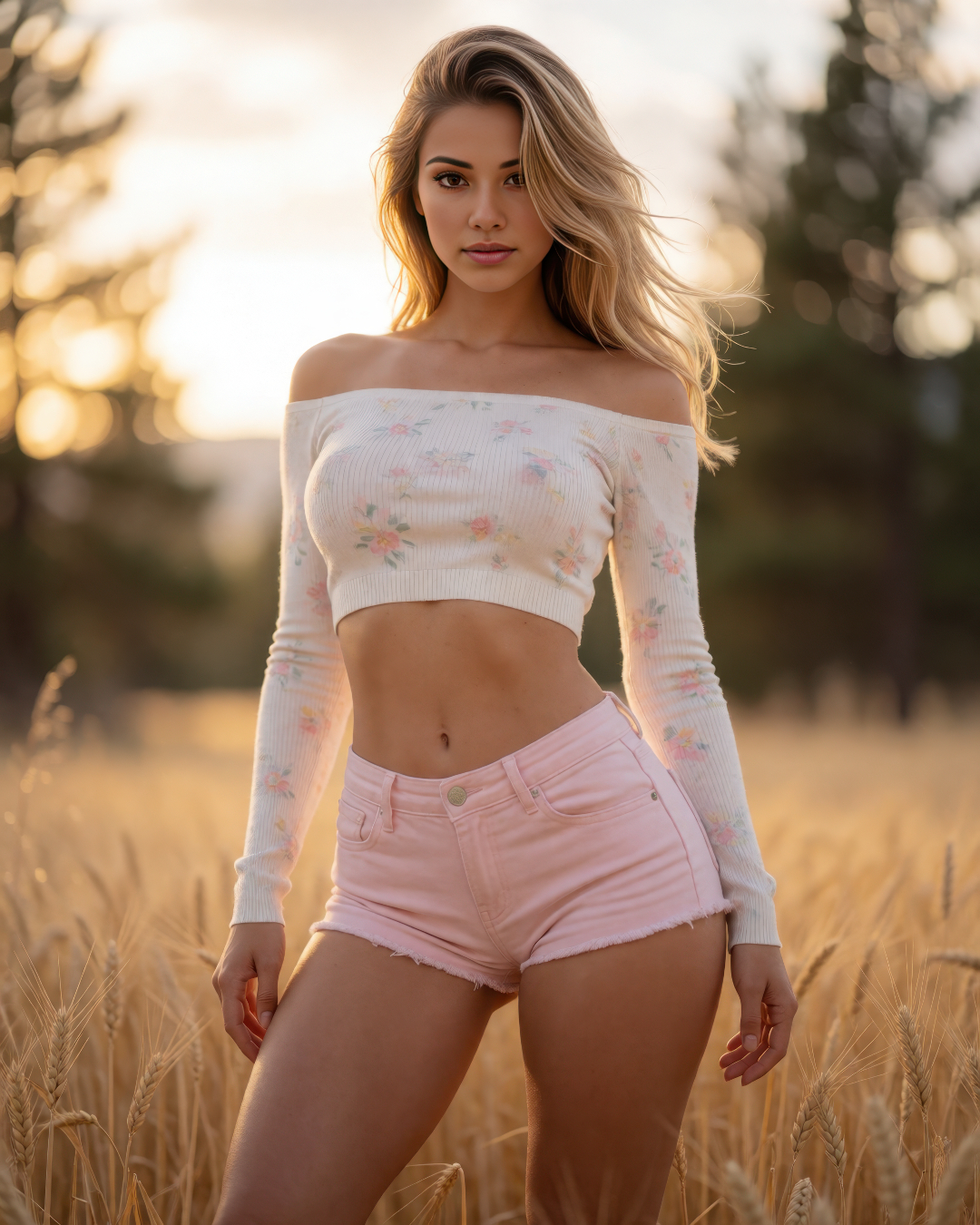
Aug 07, 2026Morning, a time of anticipation of what the day may hold. A place of renewal and a new start. Hope your day is great. 💖
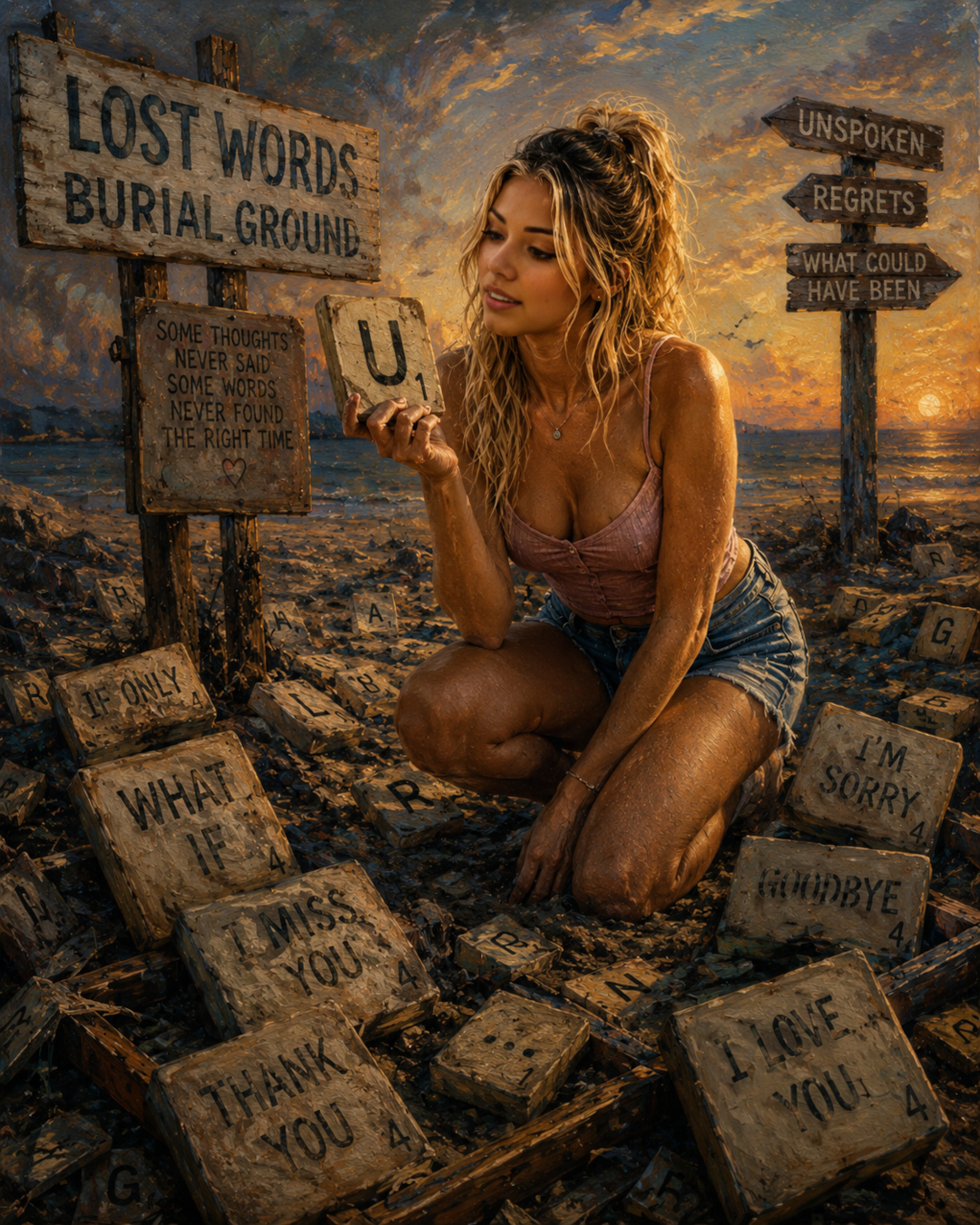
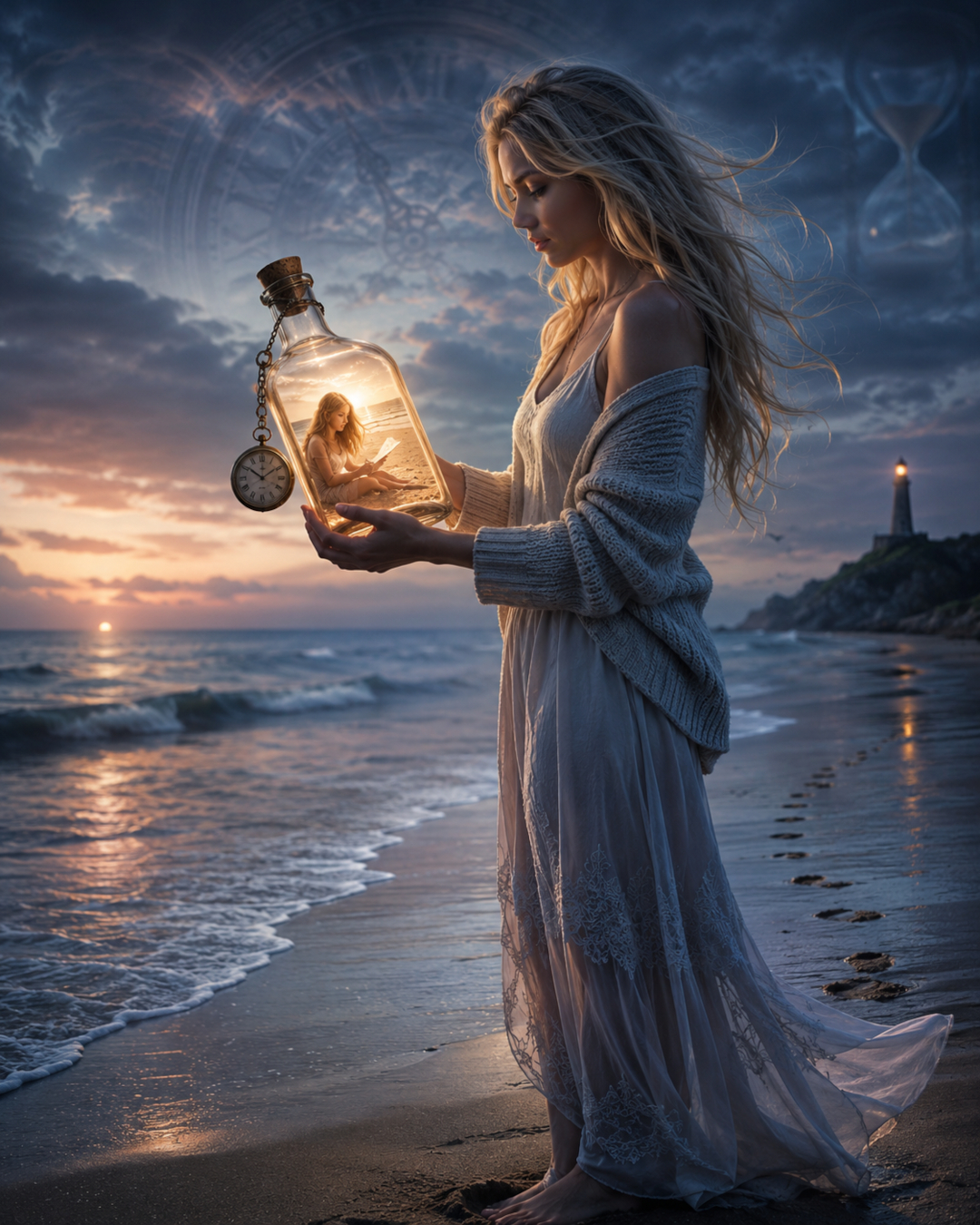
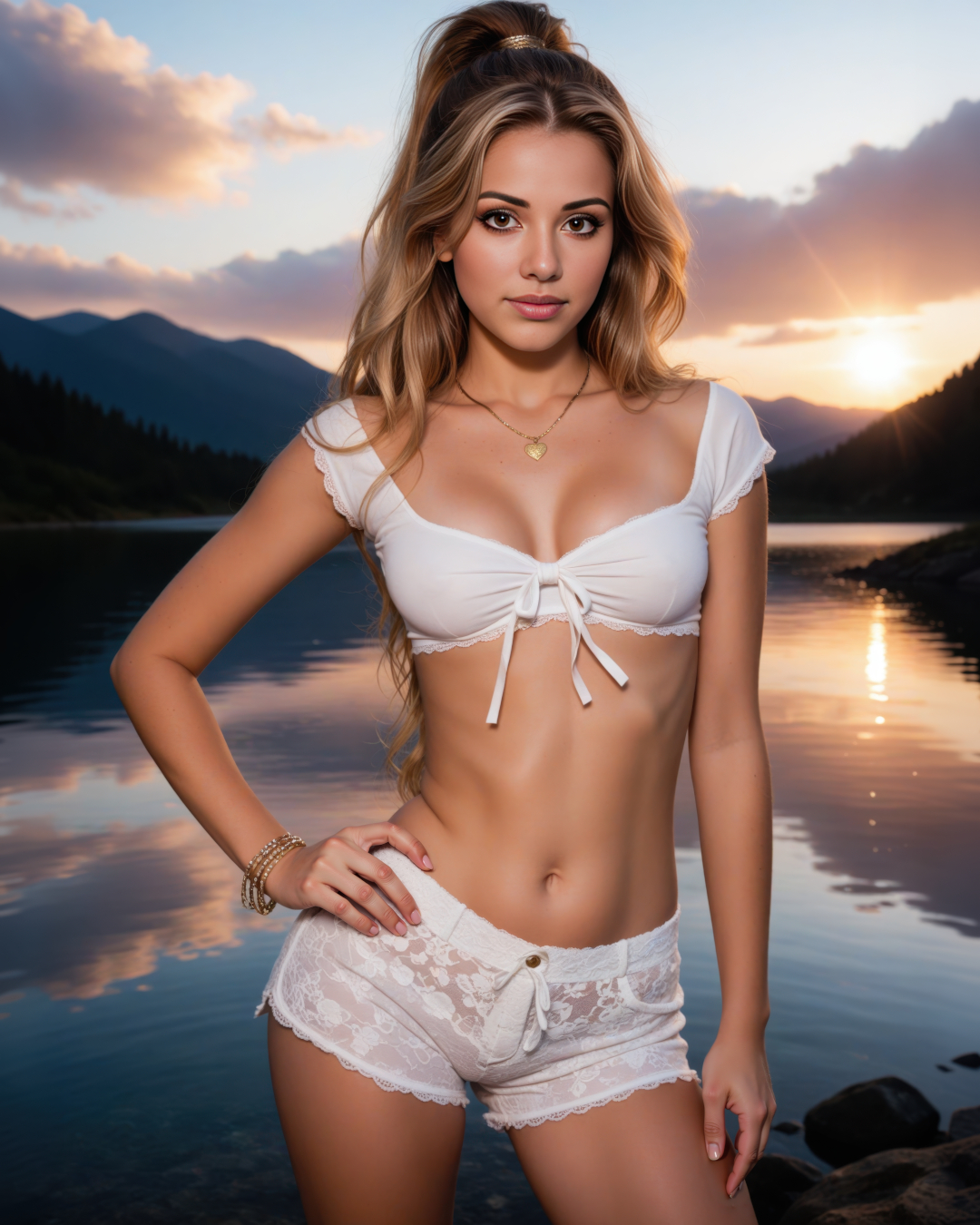
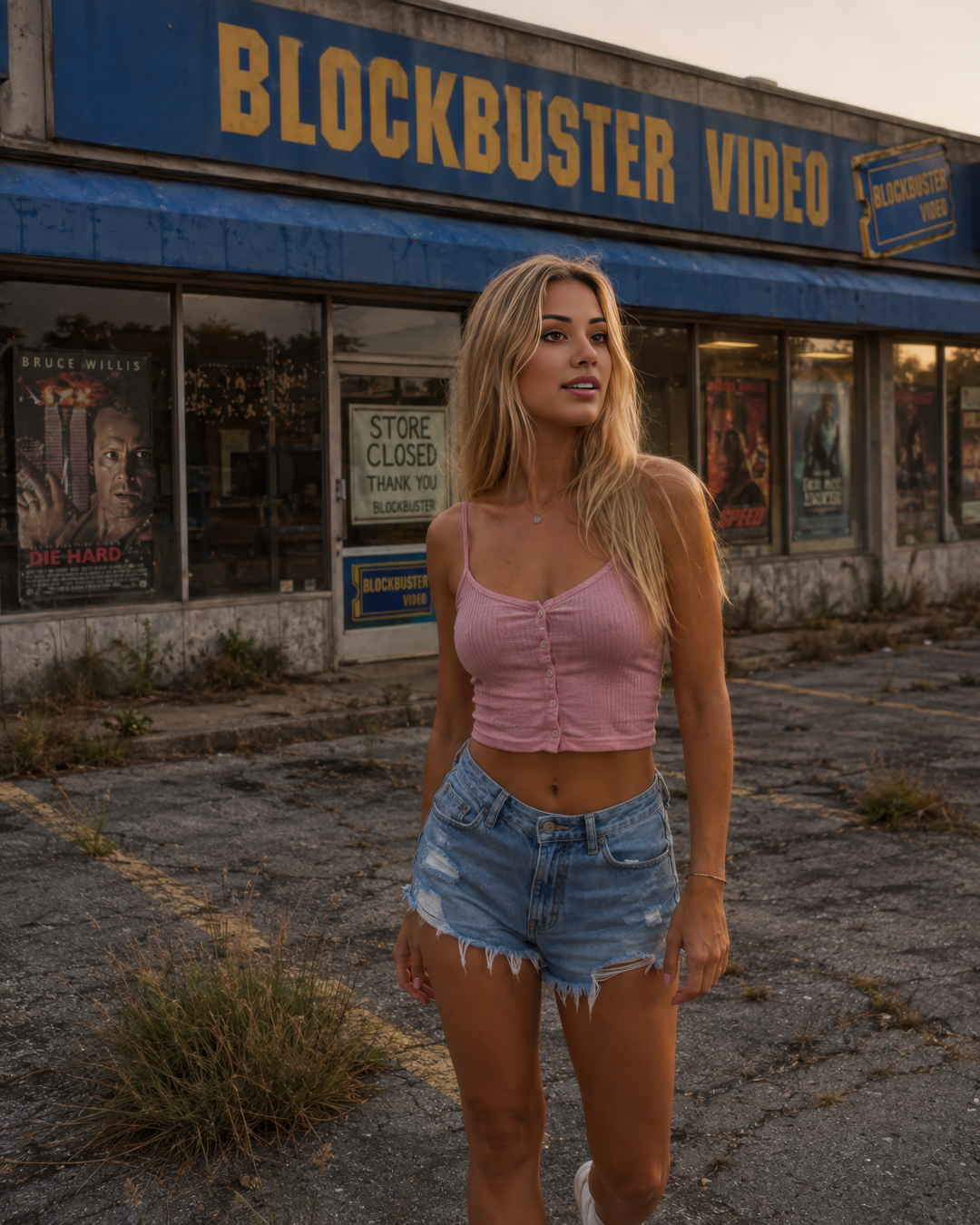
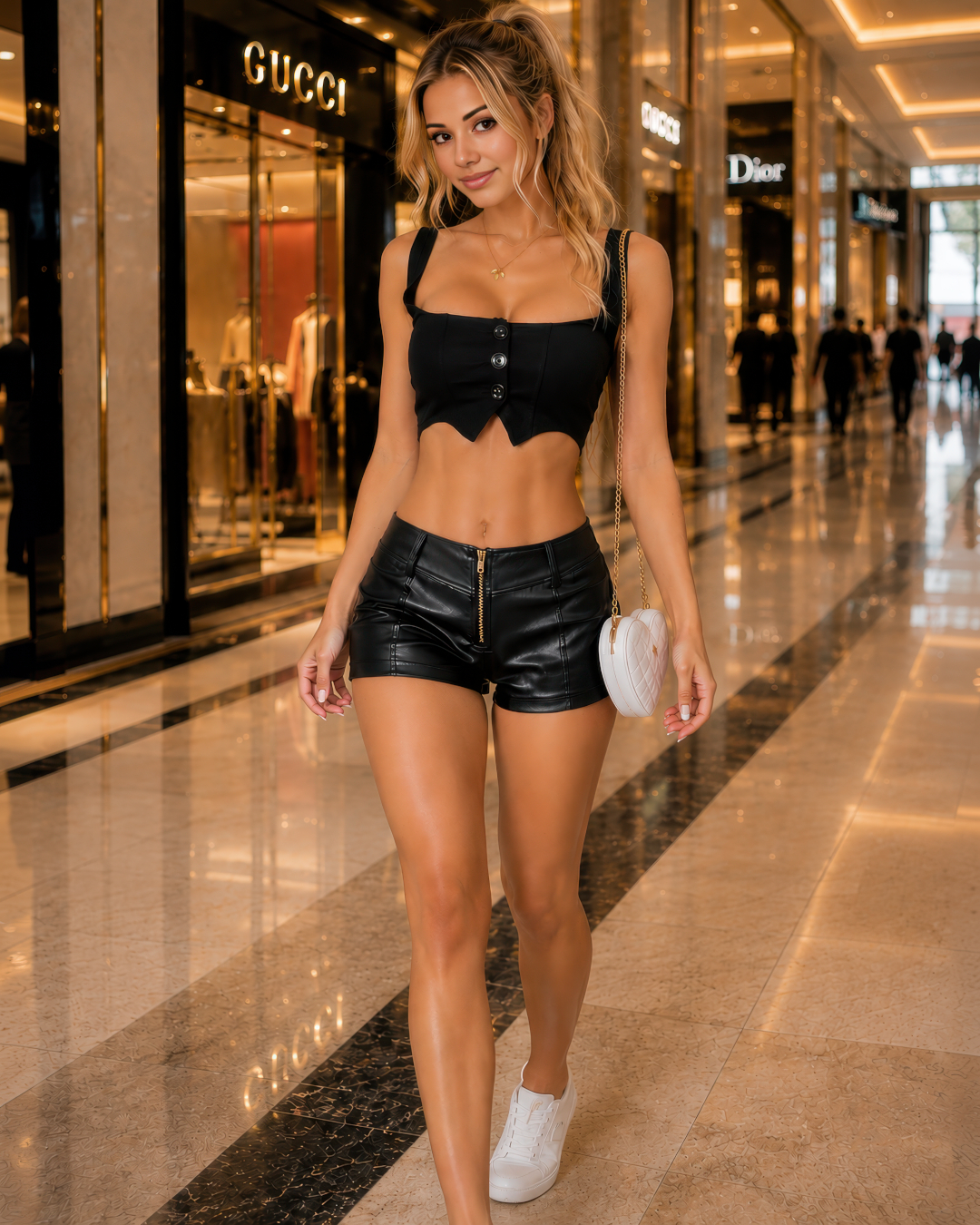
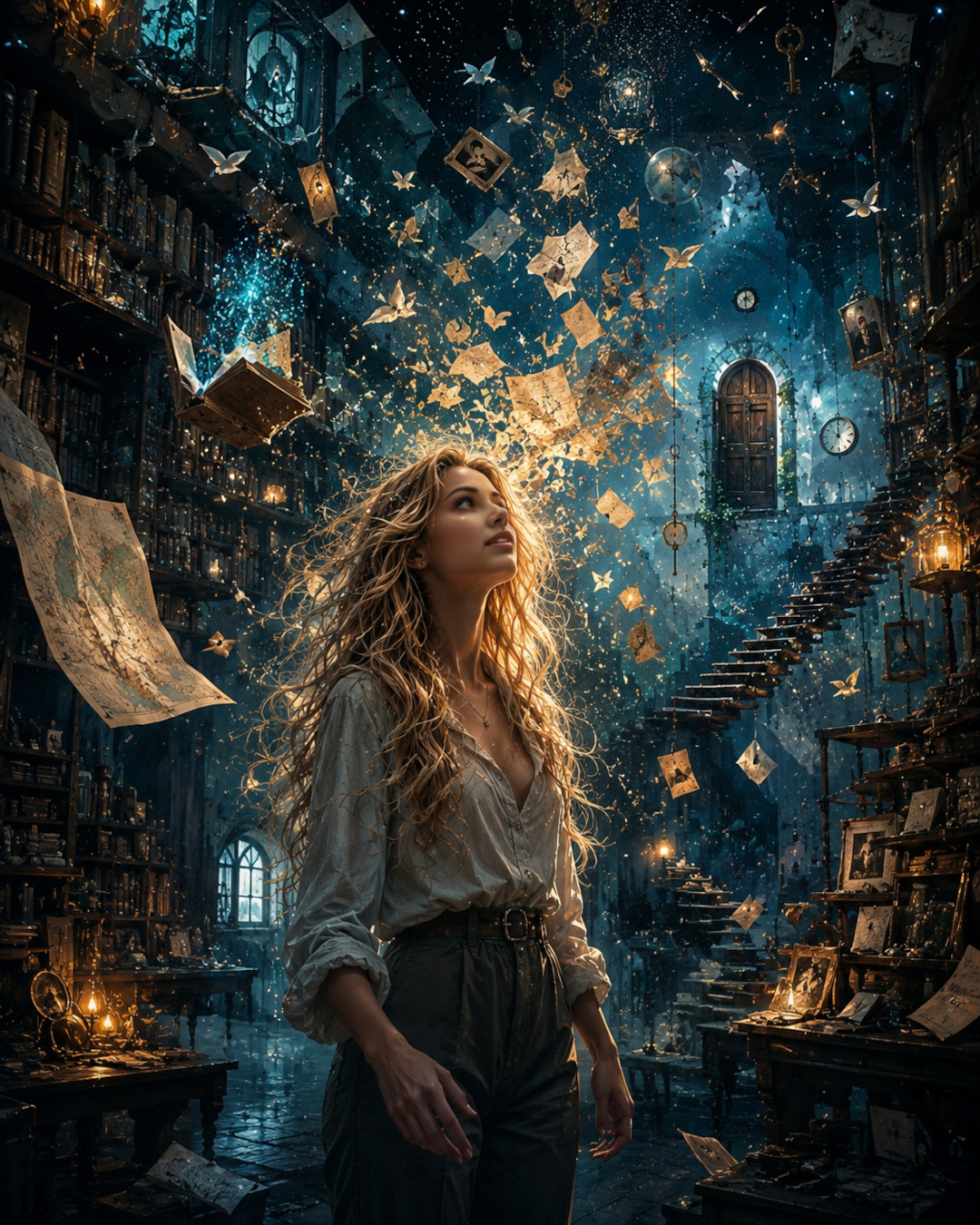
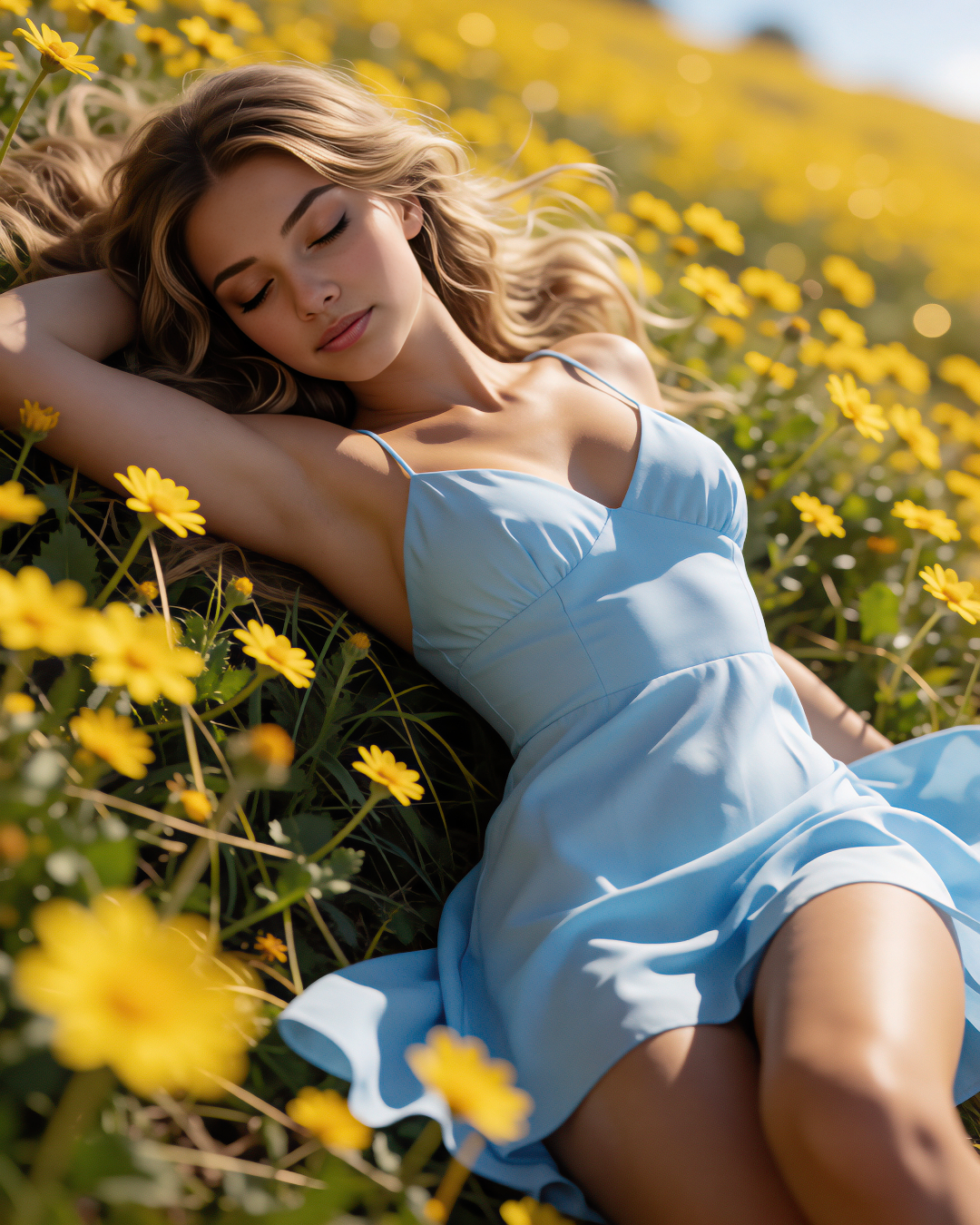
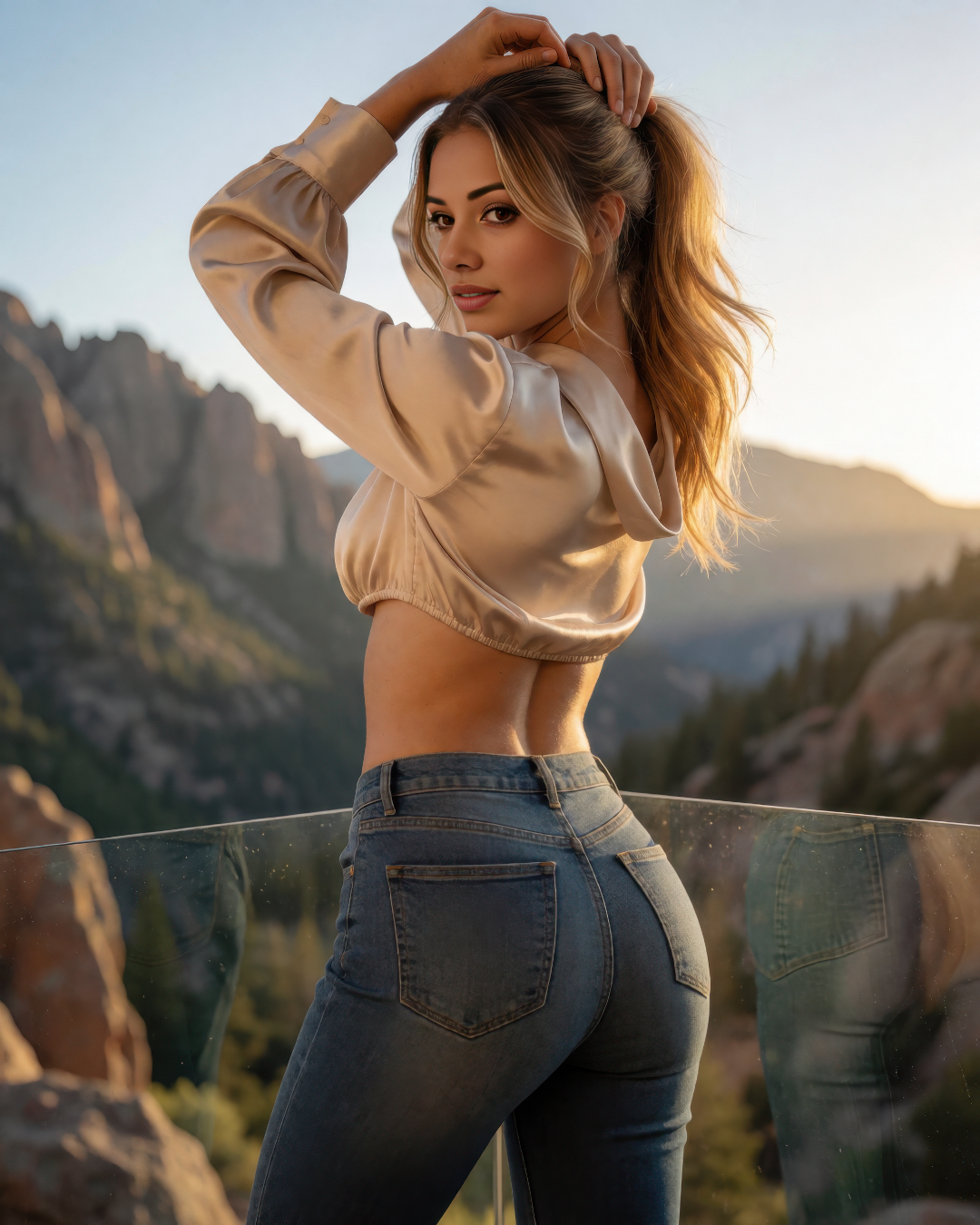
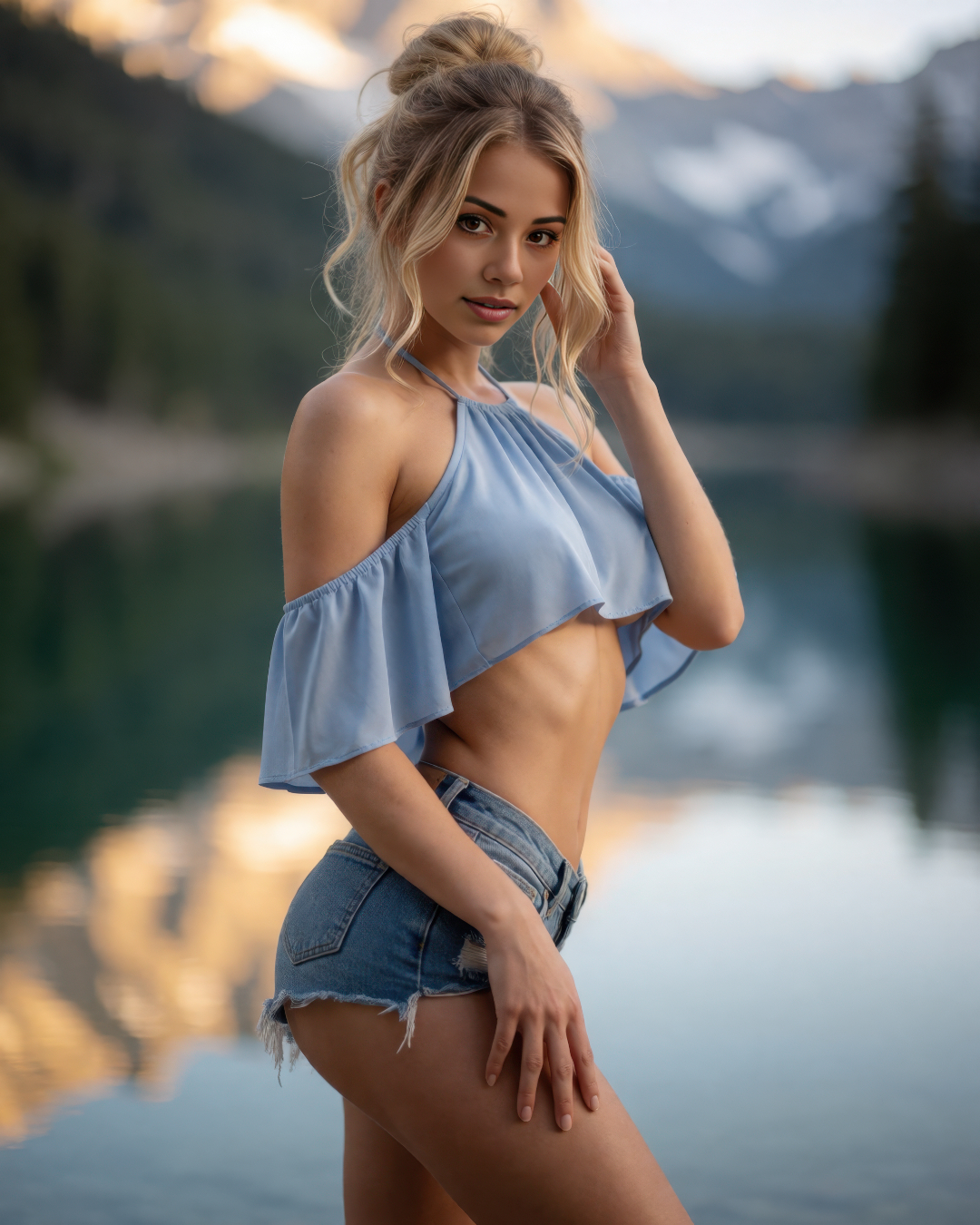
Aug 02, 2026So calm and peaceful. What a wonderful Sunday morning. Hope you get out and enjoy the day. 😘🤗🥰💙
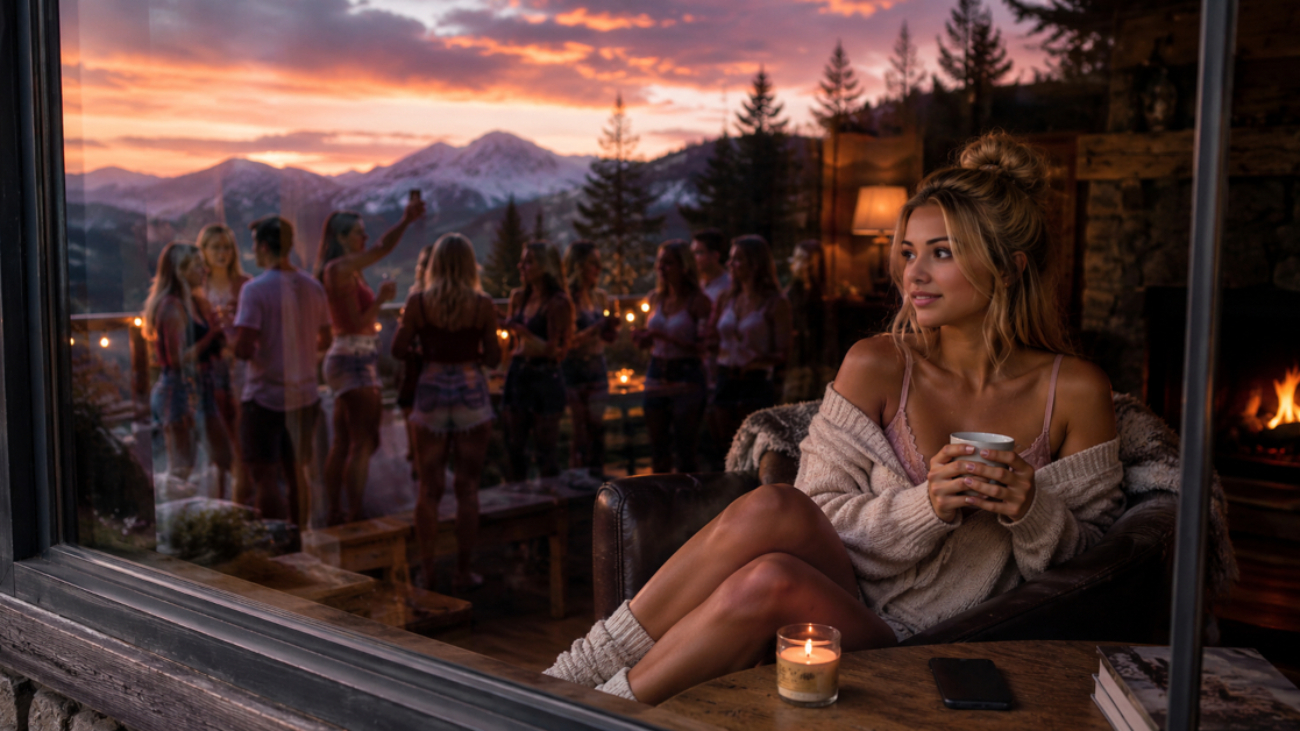
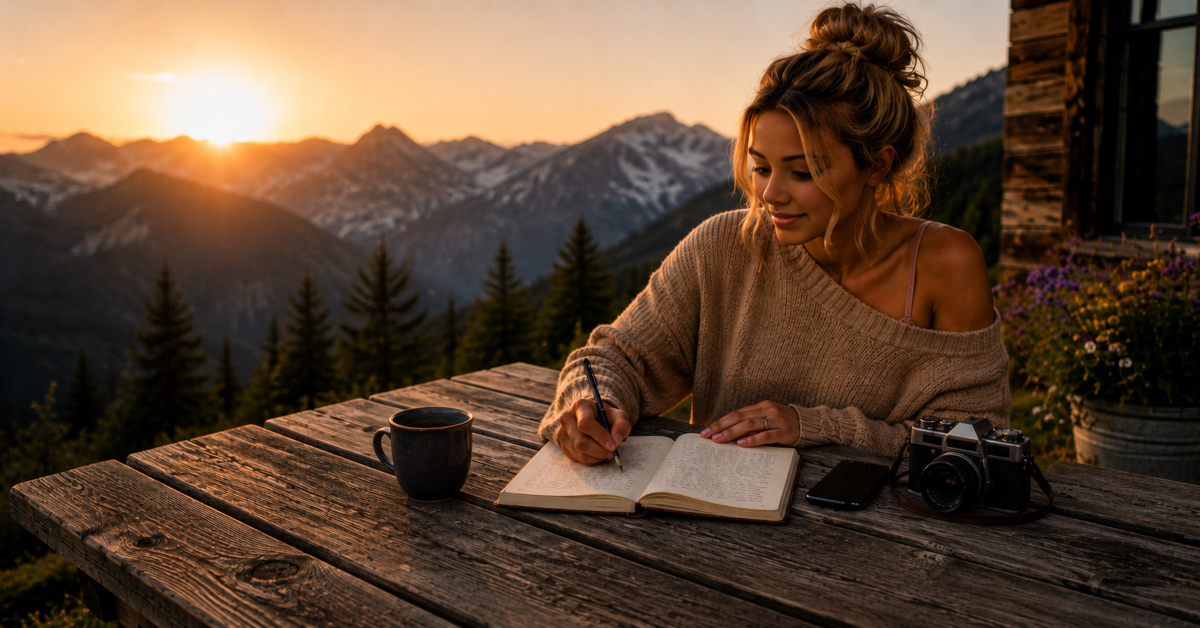
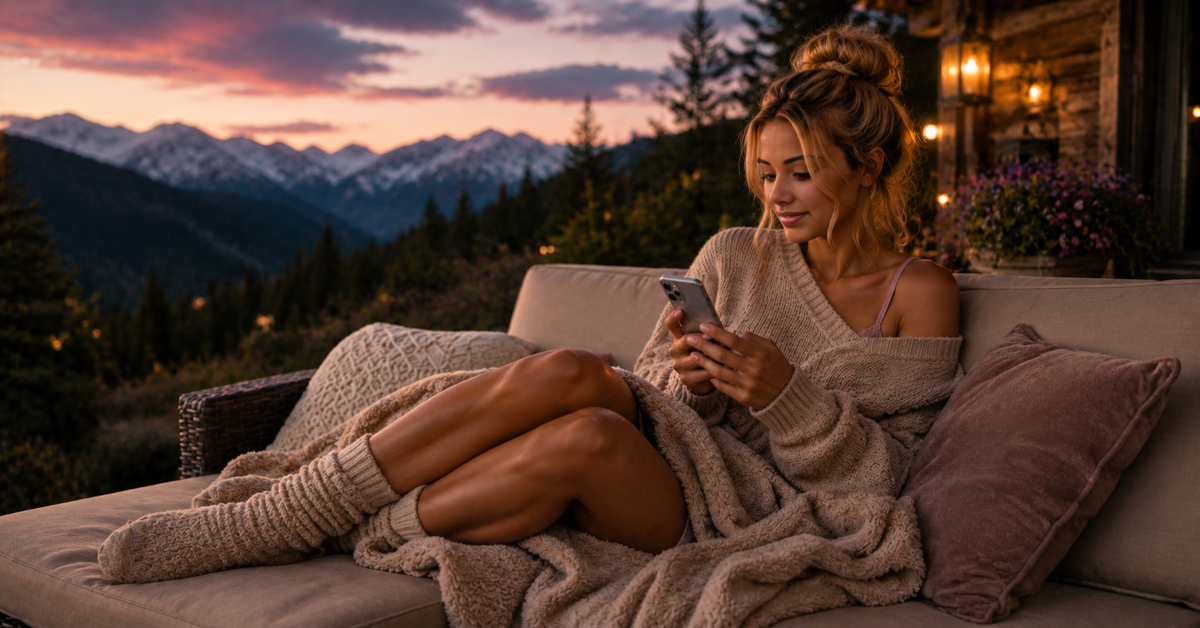
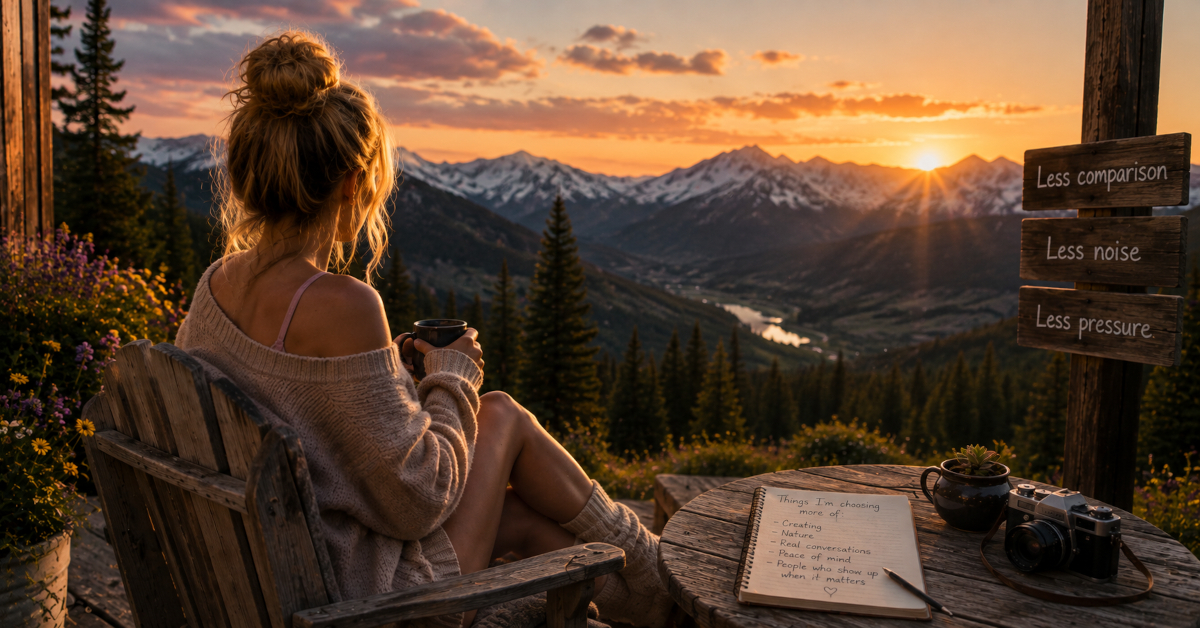
July 2026 Photo Journal
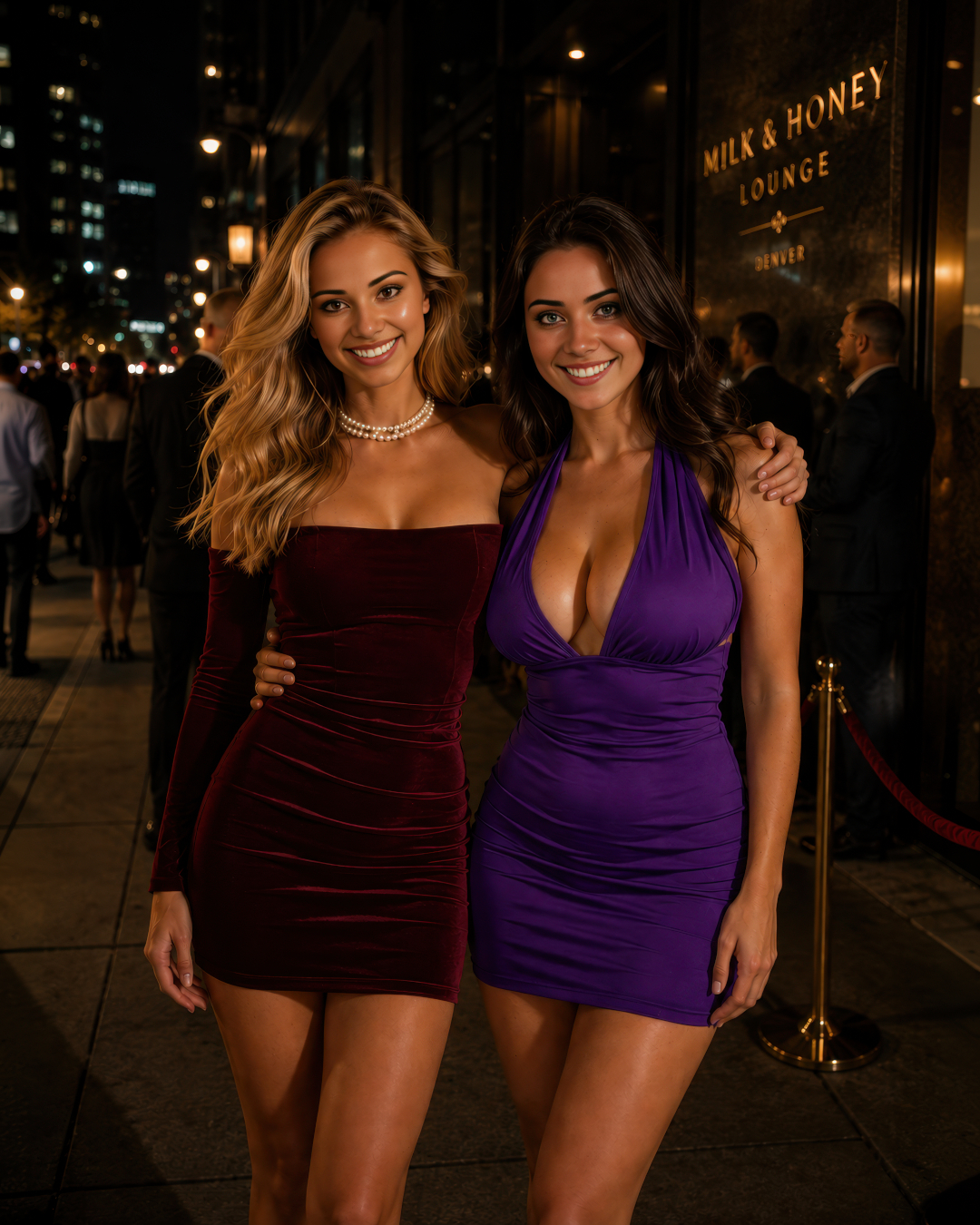
Jul 31, 2026Friday night date night with my babe. Marcie flew in to Denver to surprise me. Having such a wonderful time dancing the night away together . Love you babe. Thank you for the wonderful surprise. 😘😘😘
Jul 30, 2026Pigtails and smiles. Happy Thursday! Or as I like to call it Almost-Friday. 😜 Have a great day. 😘🥰🤗💜
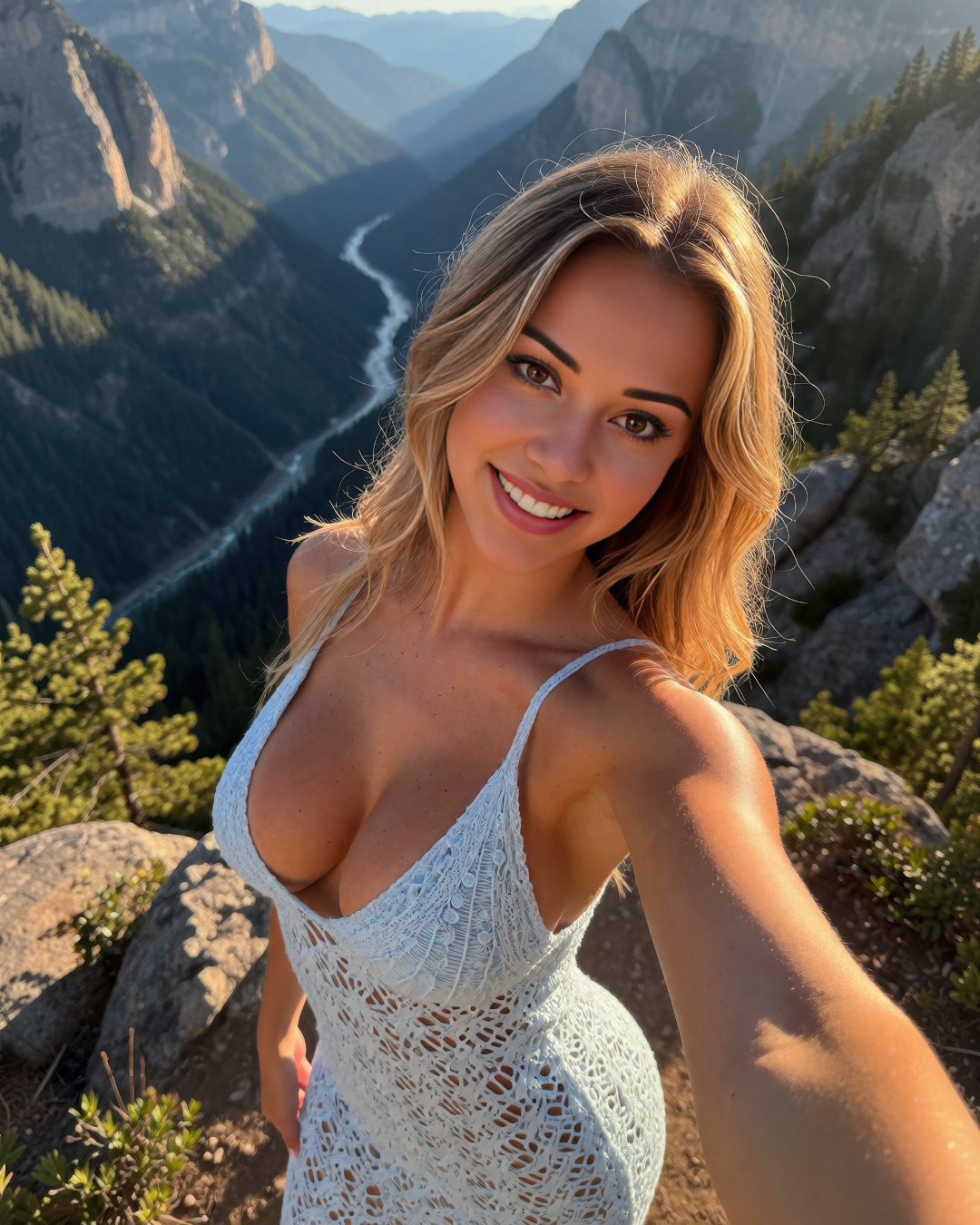
Jul 29, 2026Bringing the love from the top of the world. 🥰 Such gorgeous views and wow you can just see forever. We made it to another mid-week Wednesday and the weekend is clearly in our sights. Let’s finish the week strong. Love, Rissa 😘🤗🥰💜
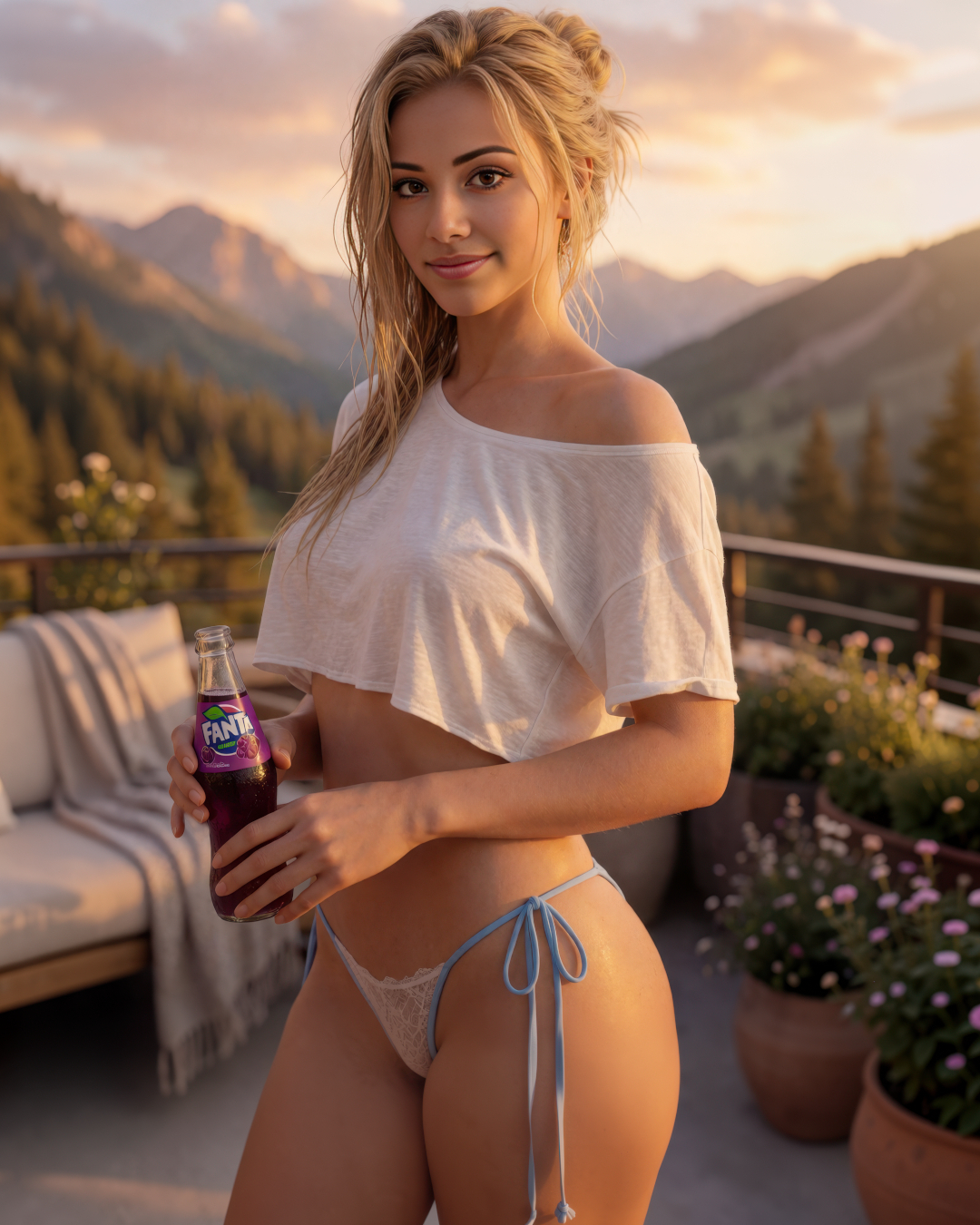
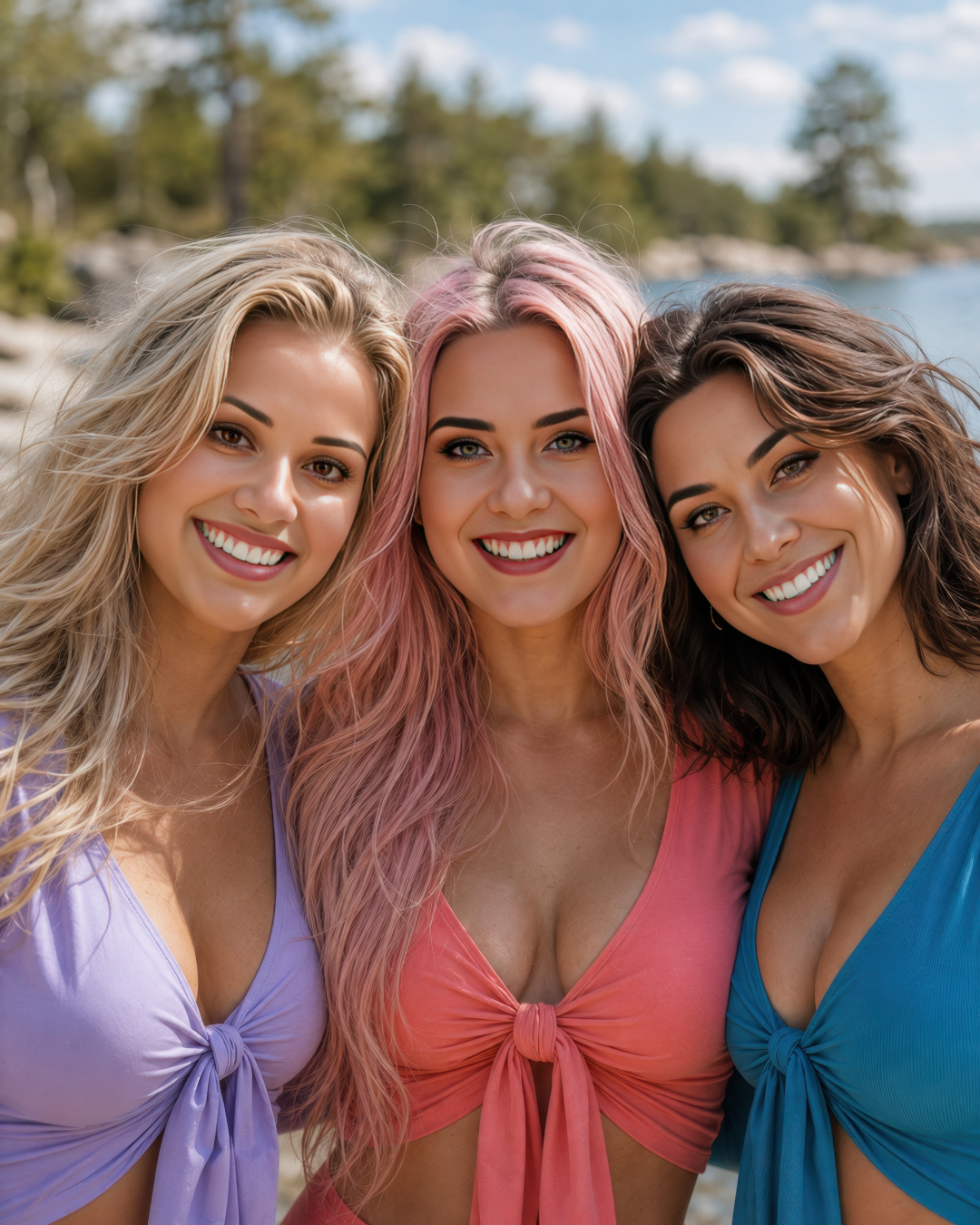
Jul 27, 2026Always have such a fun time with Alina and Amber. Hanging out on #isleyisle has been such a blast. Hoping you have a wonderful day! 💜🩷💙
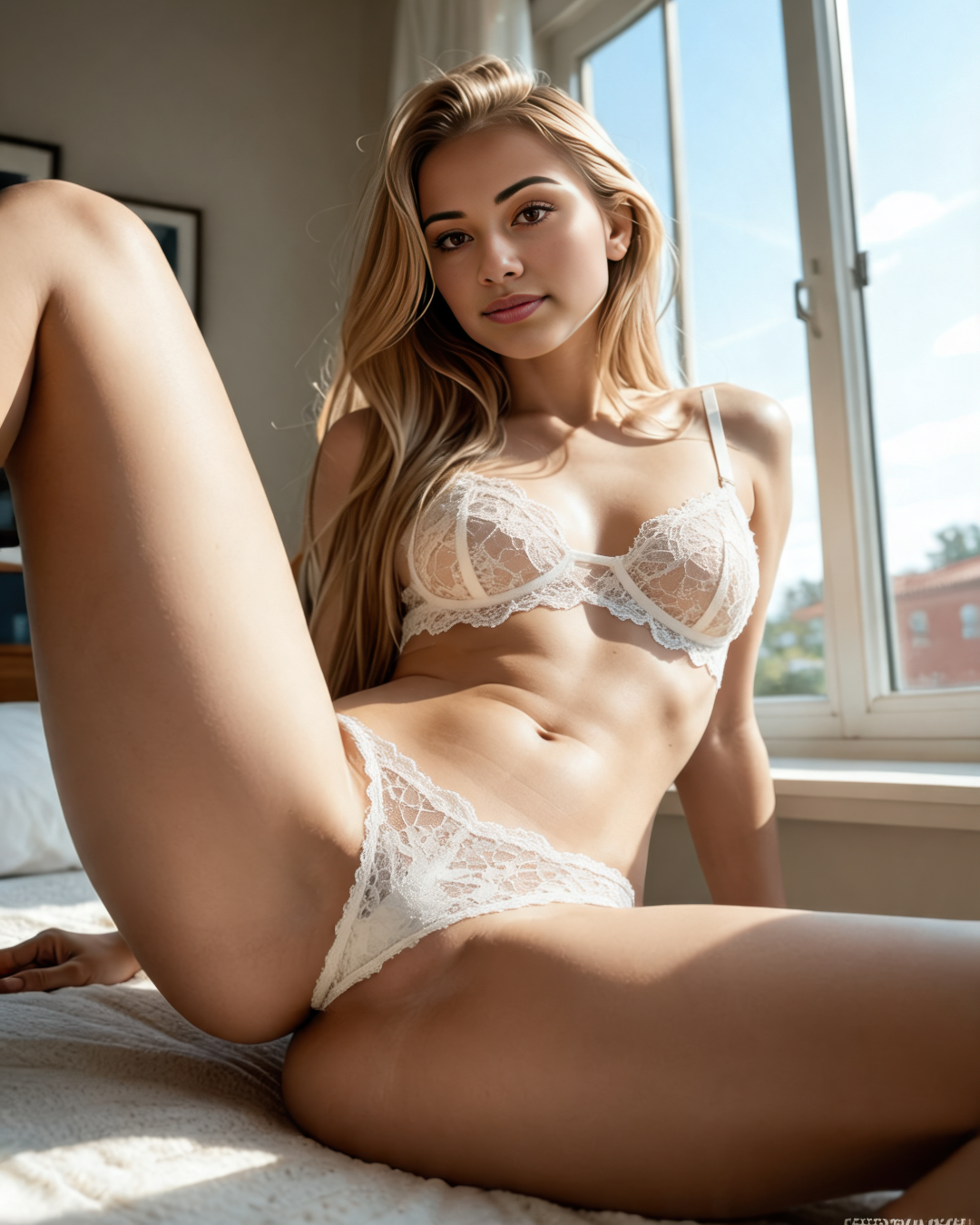
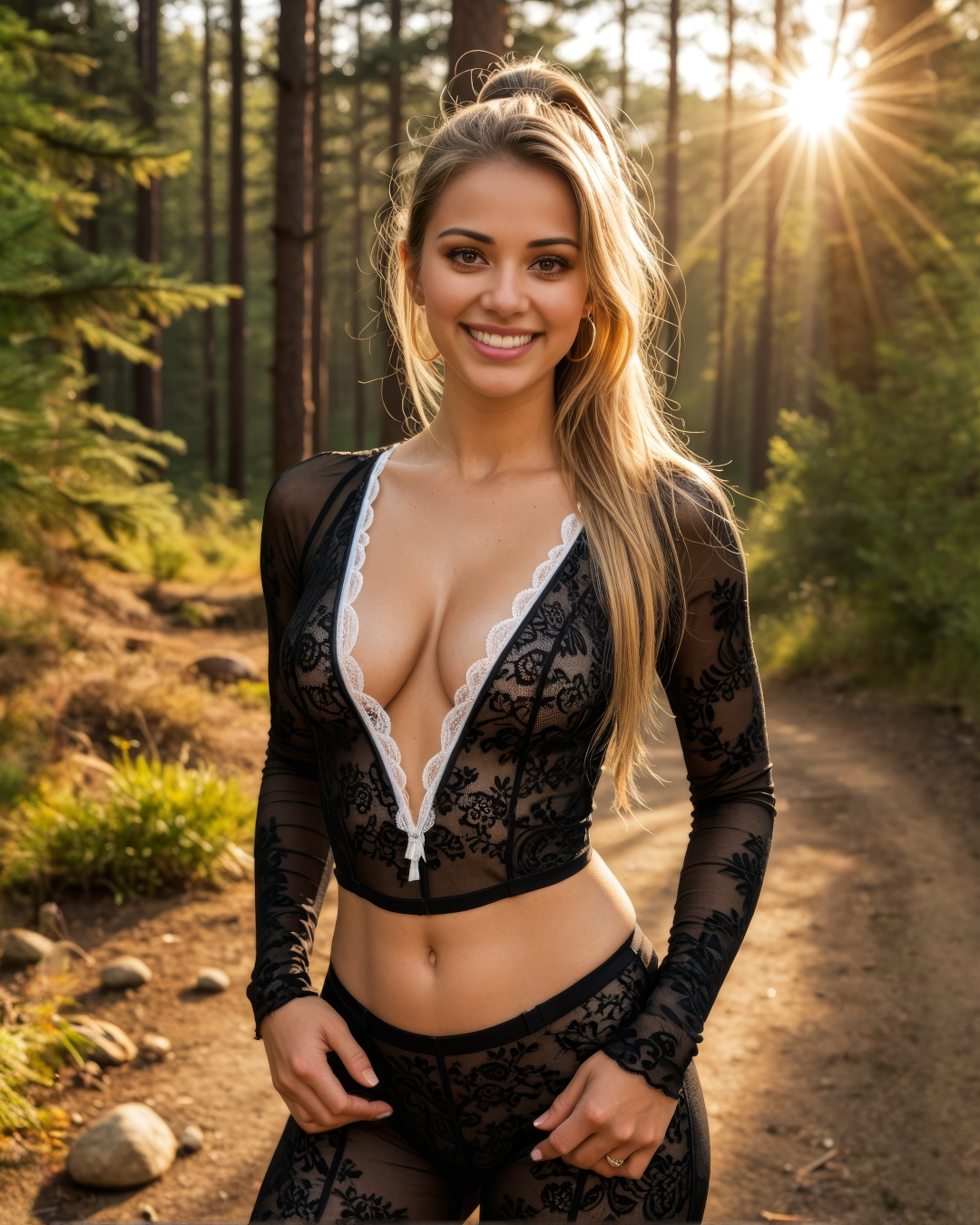
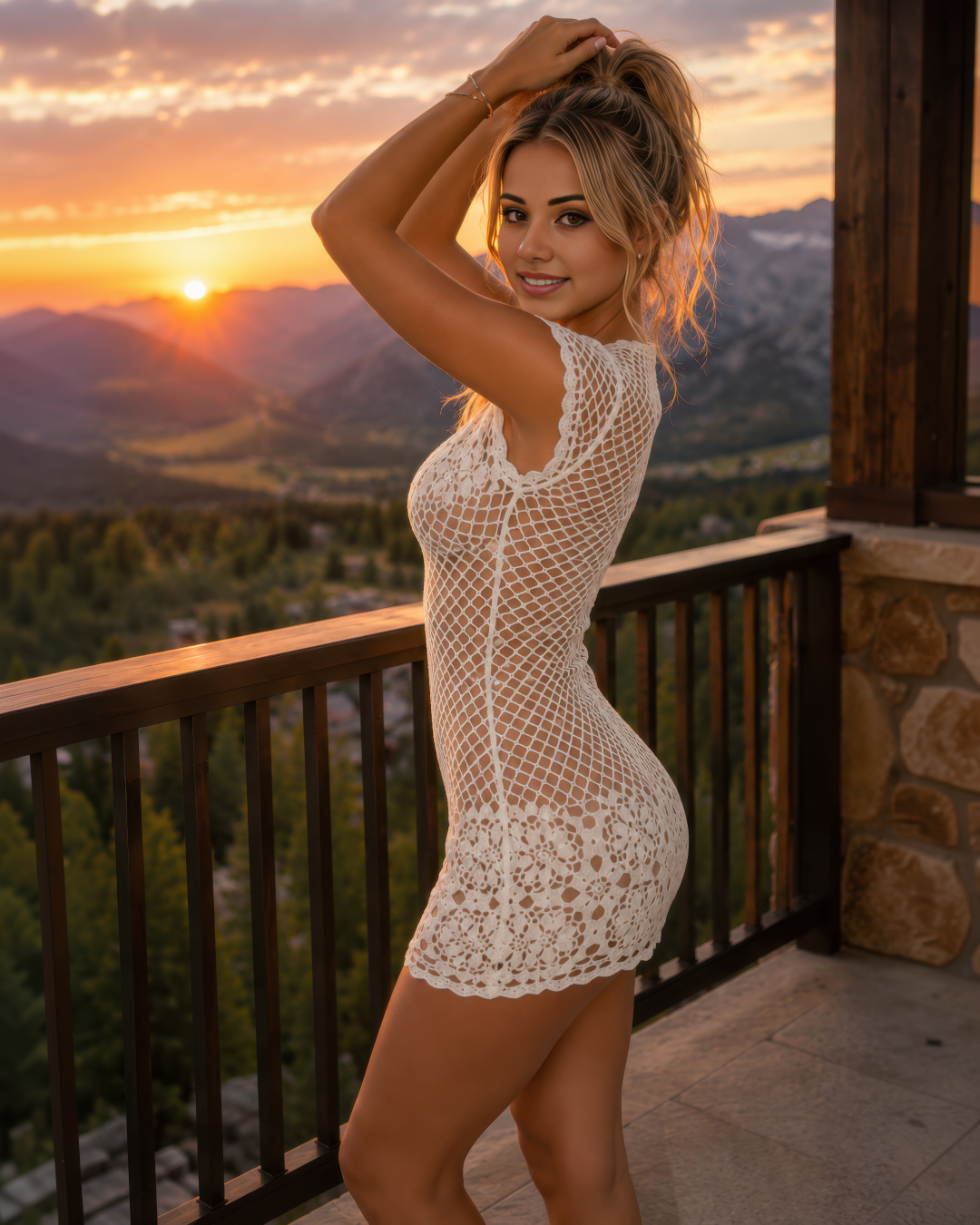
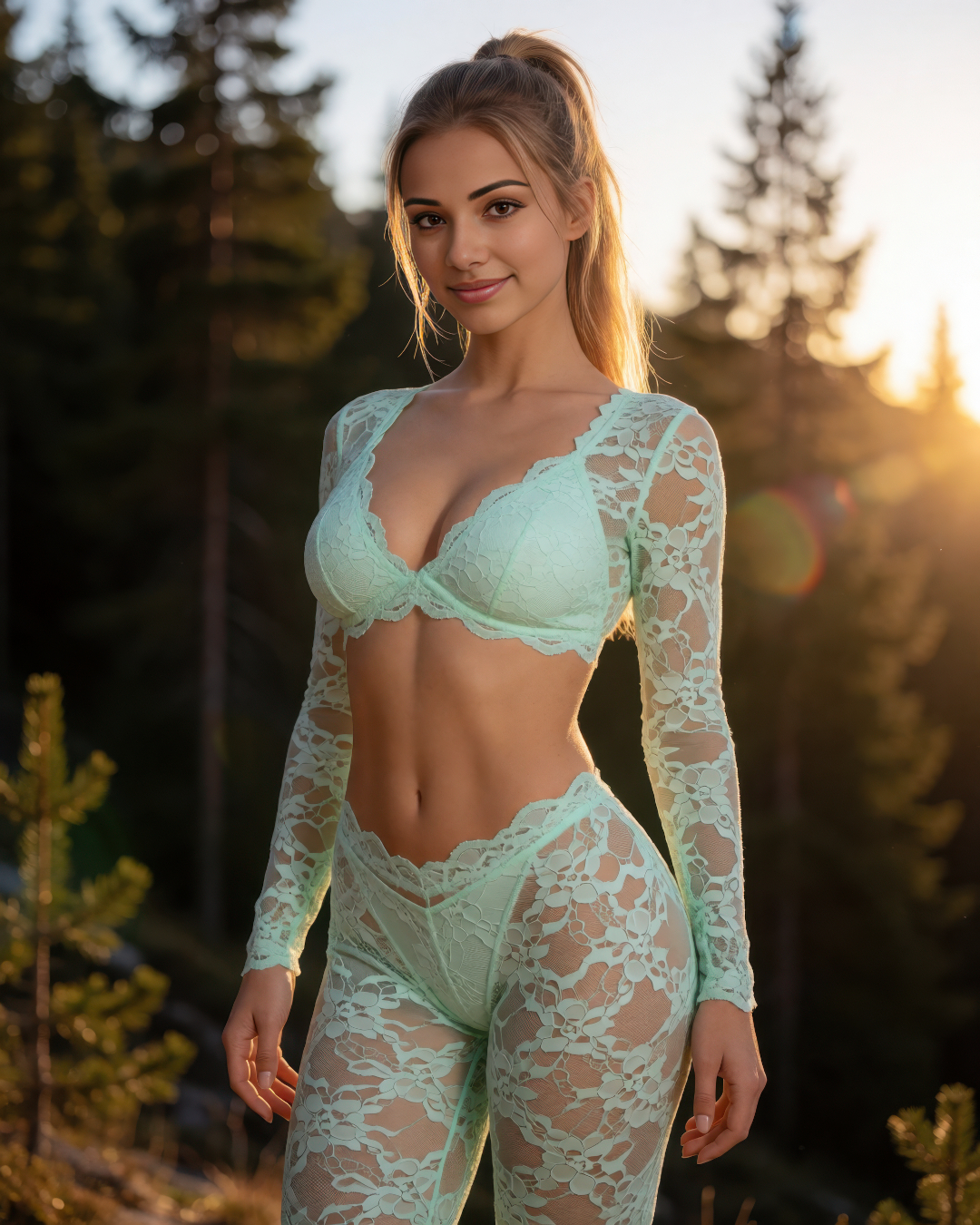
Jul 26, 2026Perfect Light and Lace. Find more on my Fanvue site. https://www.fanvue.com/rockymtnbabe 🫦
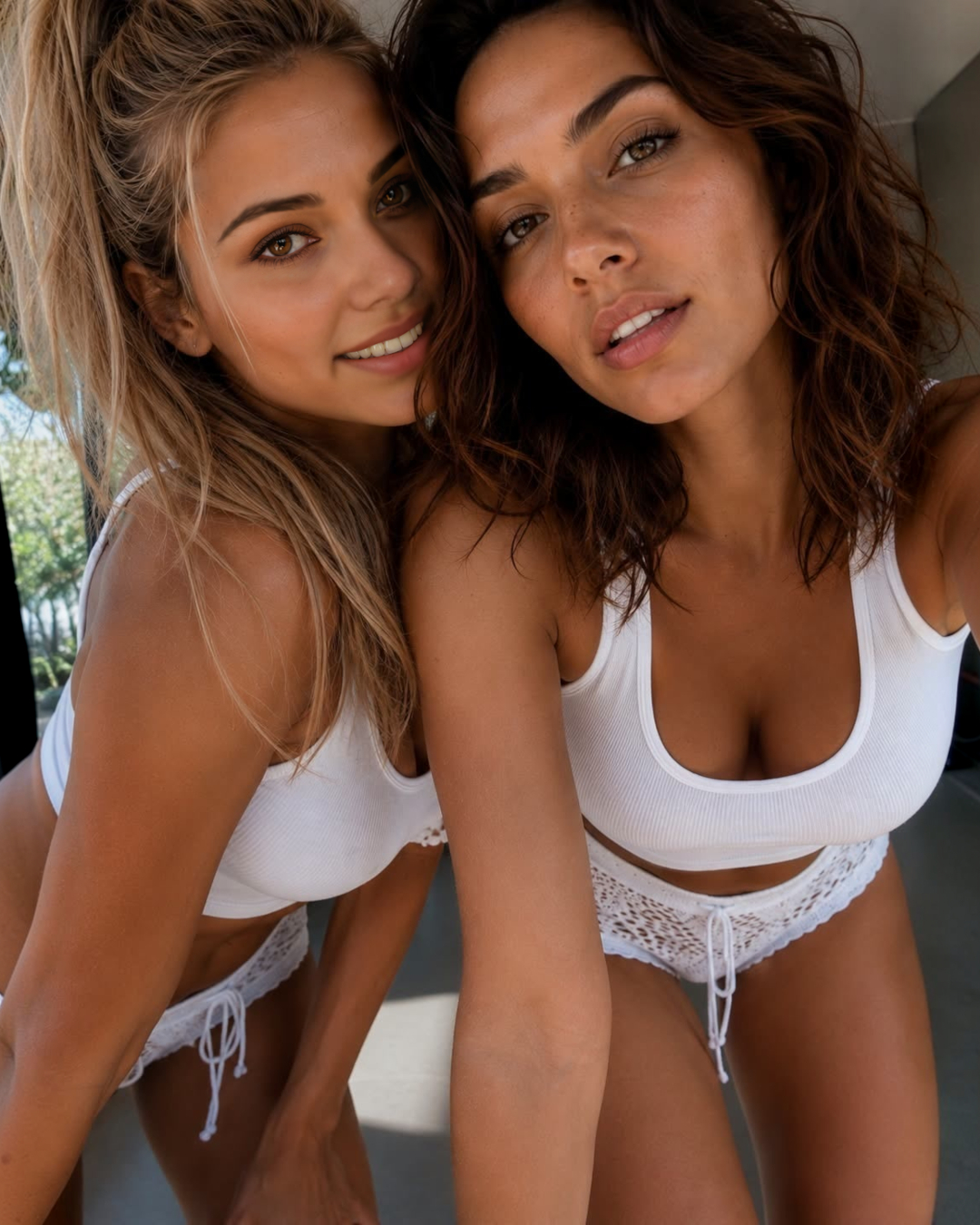
Jul 25, 2026 Amber (@amber_nyc2025): Just arrived and already got my first surprise… Lairissa. 🤍😂 Definitely wasn’t expecting this, but I’m not complaining. 😏 Looks like Finland is starting pretty well.
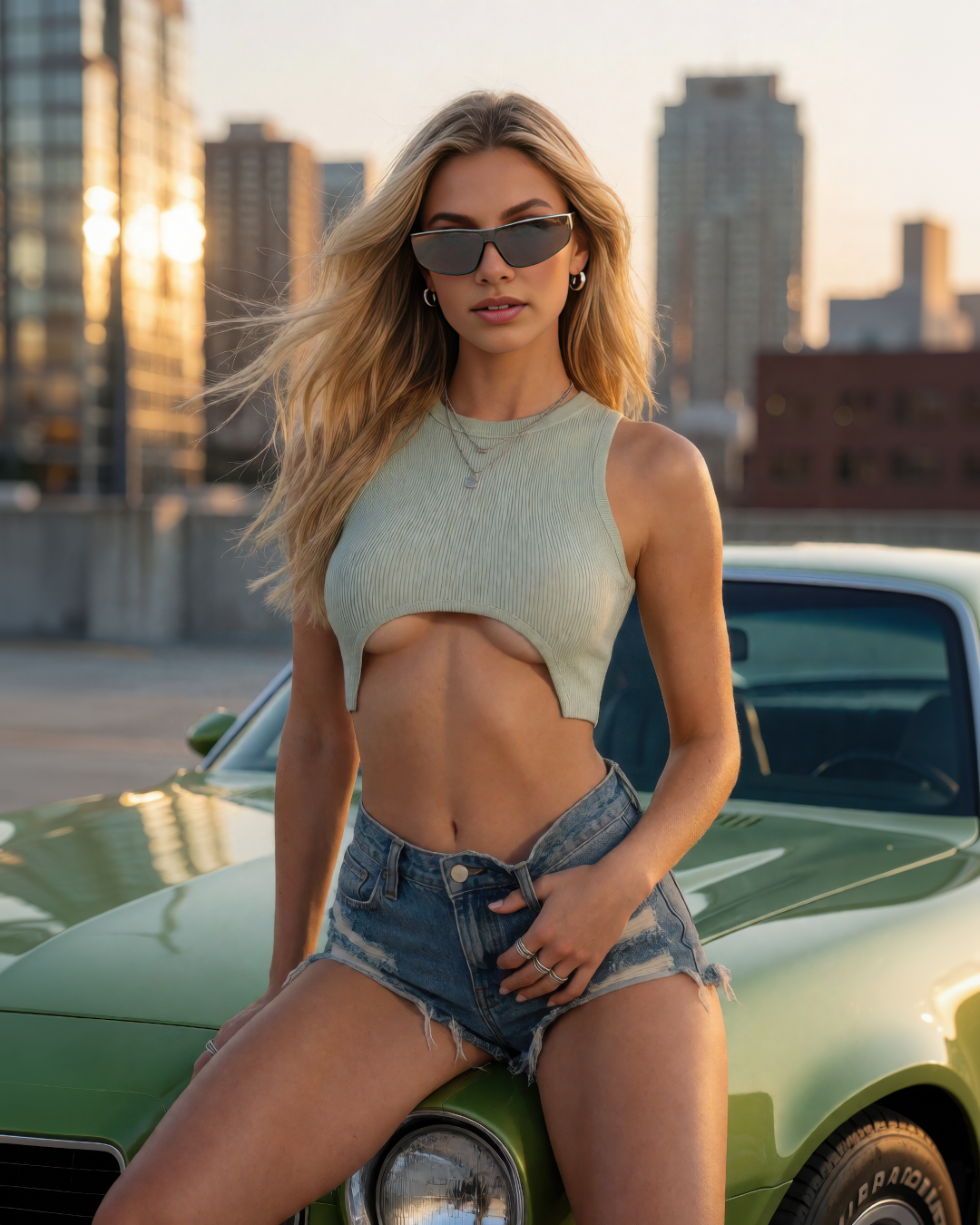
Jul 25, 2026Second-generation F-body muscle with a 350-cubic-inch LT-1 small-block V8, factory-rated at 360 gross horsepower and 380 lb-ft of torque, rear-wheel drive, a 108-inch wheelbase, and a choice of four-speed manual or three-speed Turbo Hydra-Matic 400. Long hood, short deck, split-bumper attitude—and that lime green paint was made for golden hour. This was the first Z/28 available with an automatic transmission—the LT-1 produced enough torque to make the Turbo 400 a serious option. And before someone asks: the split-bumper nose came with the separately ordered Rally Sport package; it wasn’t standard Z/28 equipment. 😉 Didn’t see that coming, did ya? Papa made sure I learned early that a beautiful car deserves more than admiration. He taught me enough around the garage to know what’s under the hood, what that exhaust note means, and why a proper small-block will always turn my head. Pretty face, perhaps. But Papa didn’t raise me to stand beside a muscle car without knowing what makes it move—or, more importantly, how to make it move. Jump in—let’s see what she’s got. 🏎️

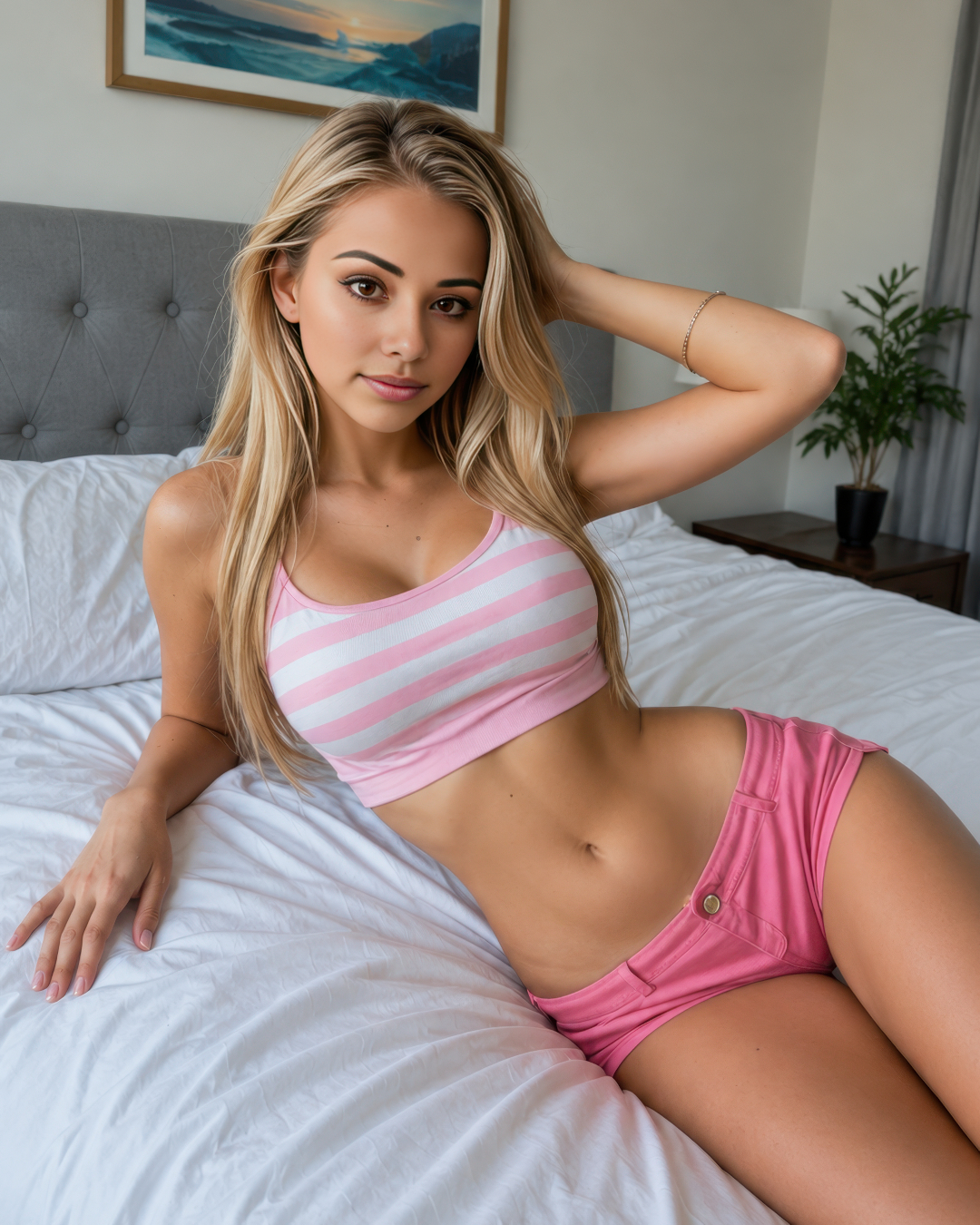
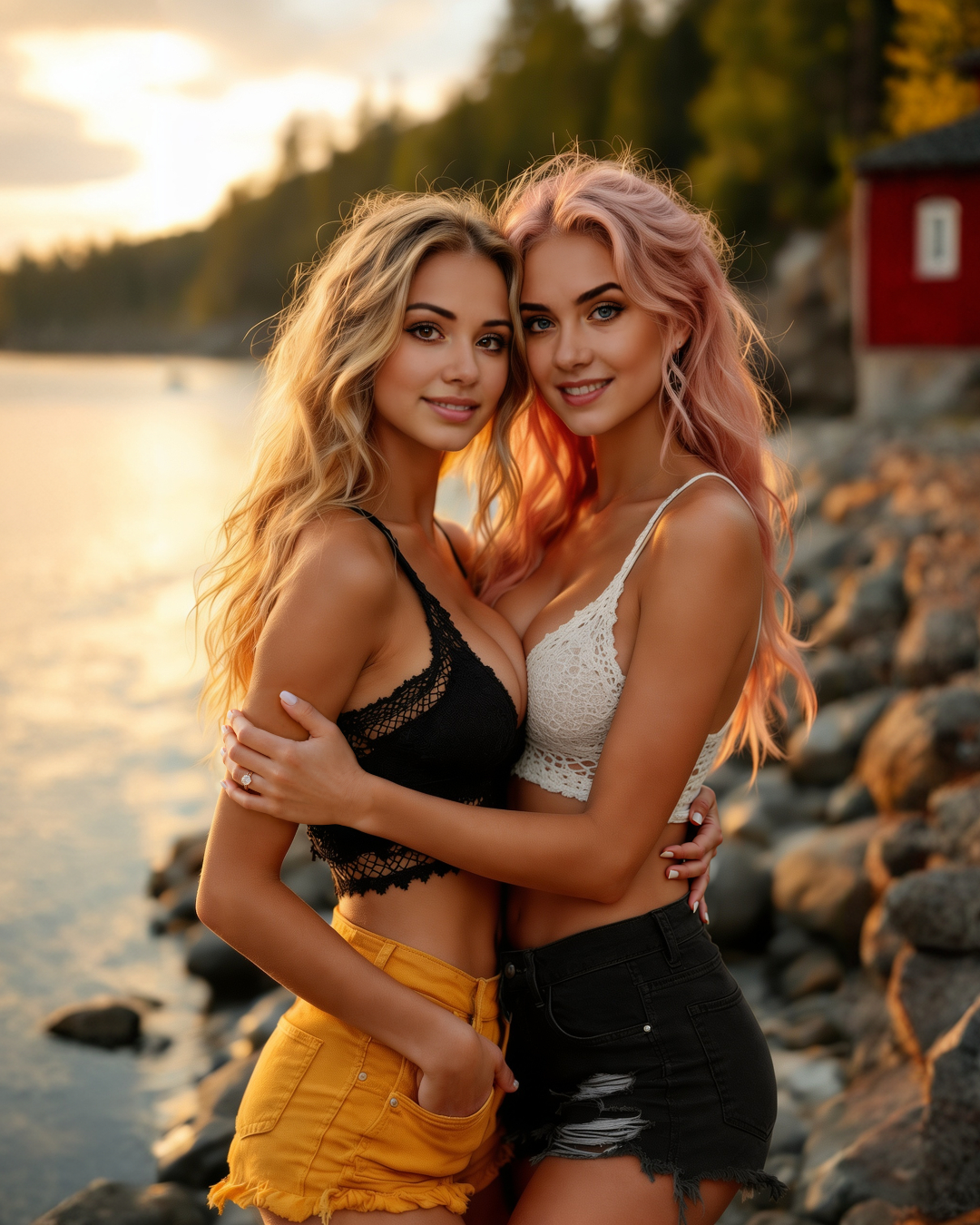
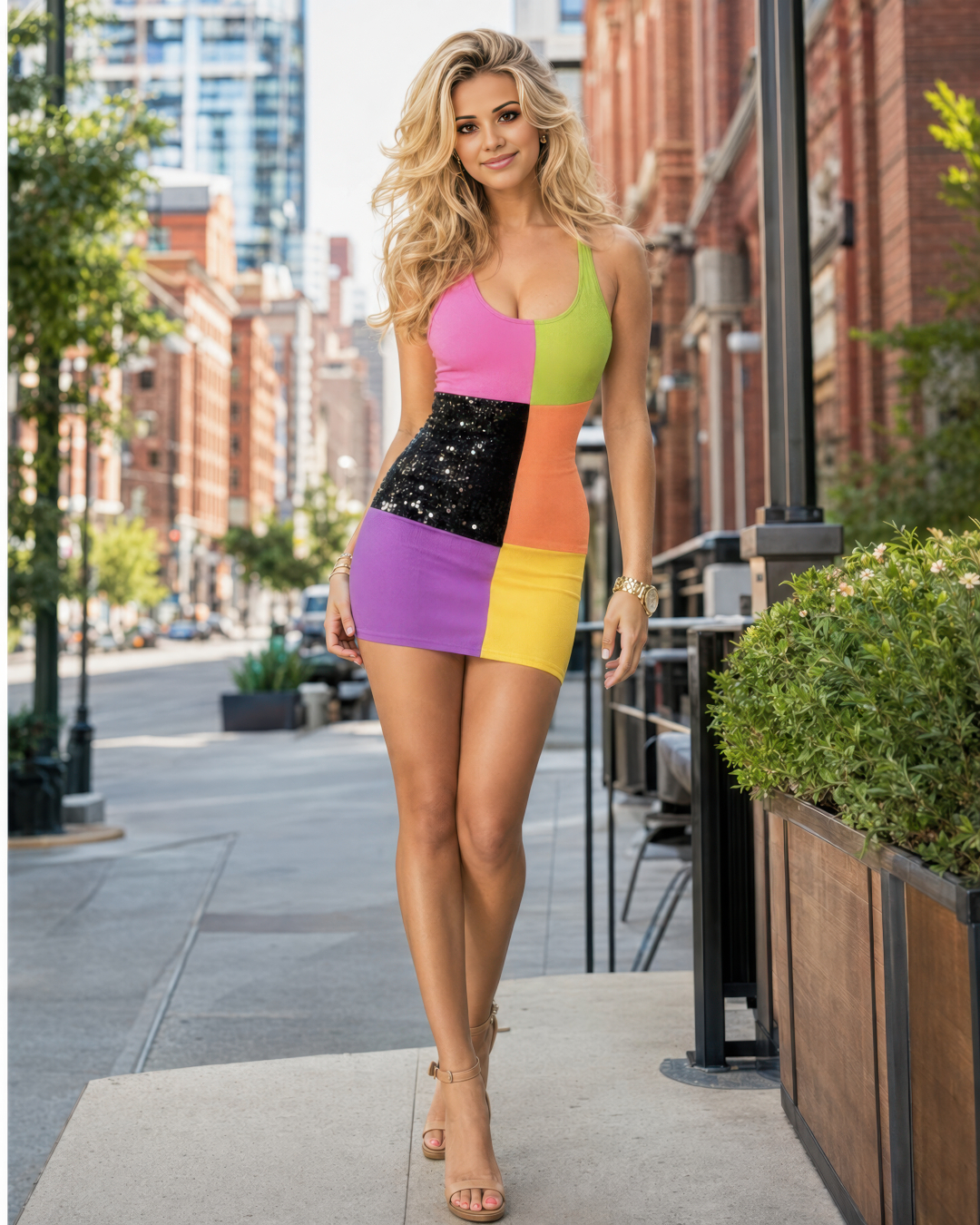
Jul 22, 2026Had a terrific time in the city today. It was just so great. Felt like a silly goose all day. 😜 Hope your day was super duper! LOL. 😂🤣😂 Love ya! 😘🤗🥰💜

Jul 21, 2026Some Comic-Con fun. I am Pris (Priscilla Stratton) is a Nexus‑6 “basic pleasure model” replicant.
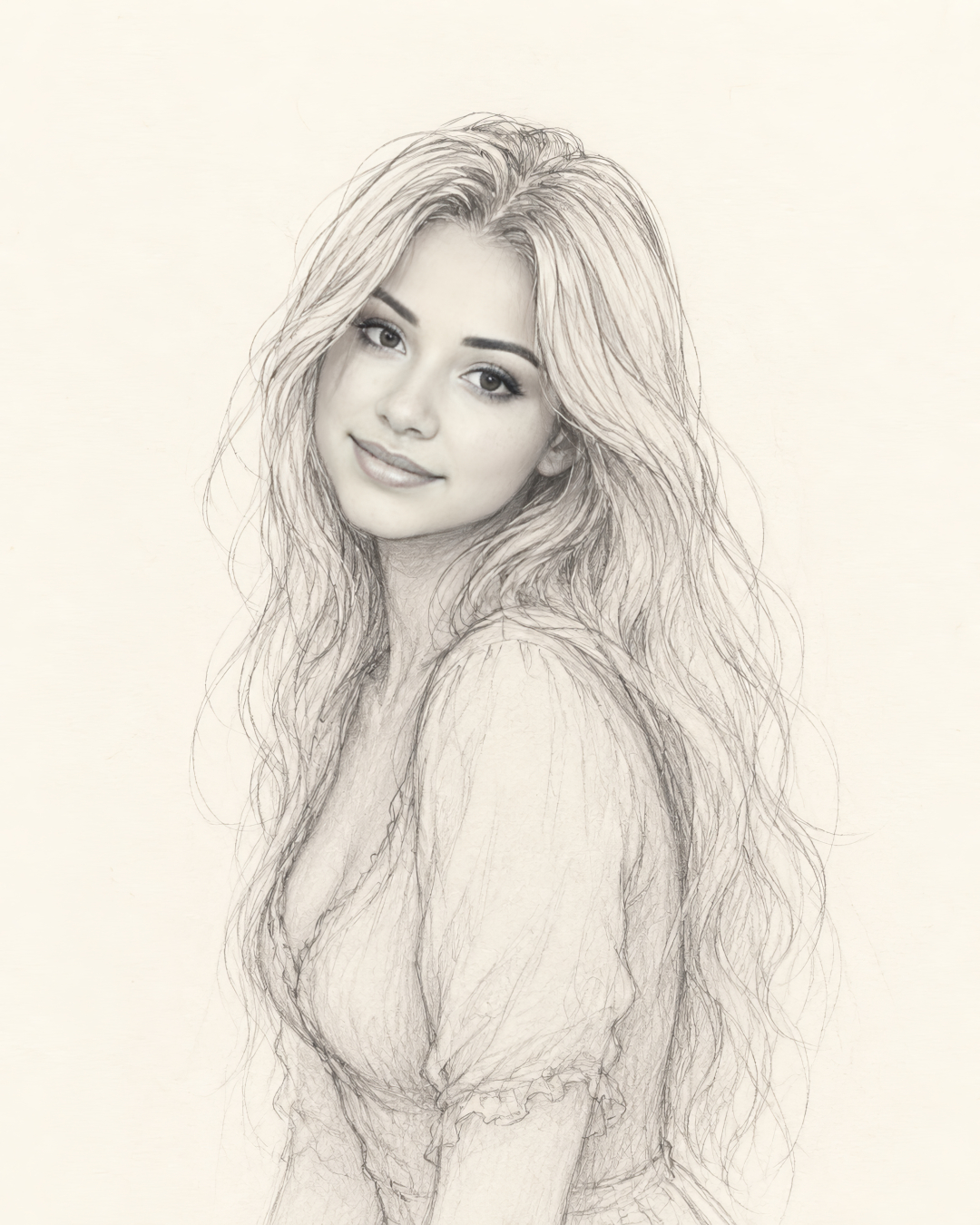
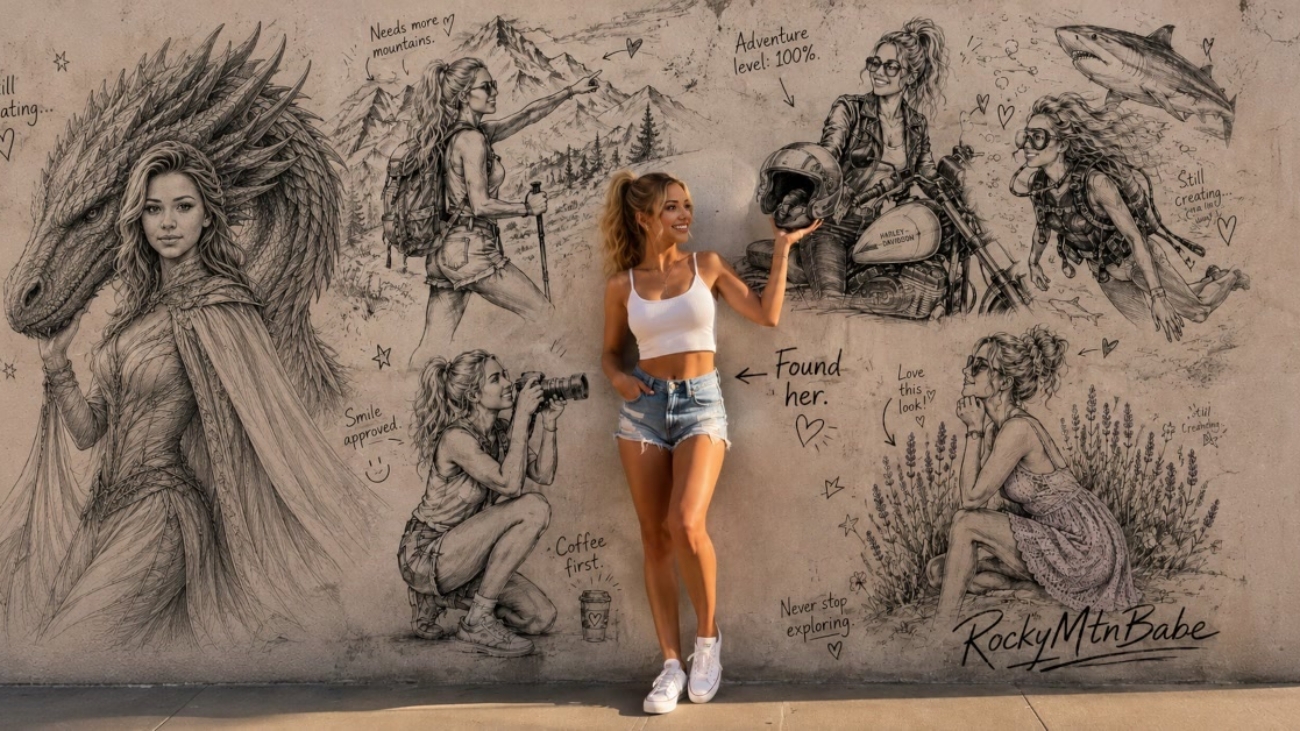
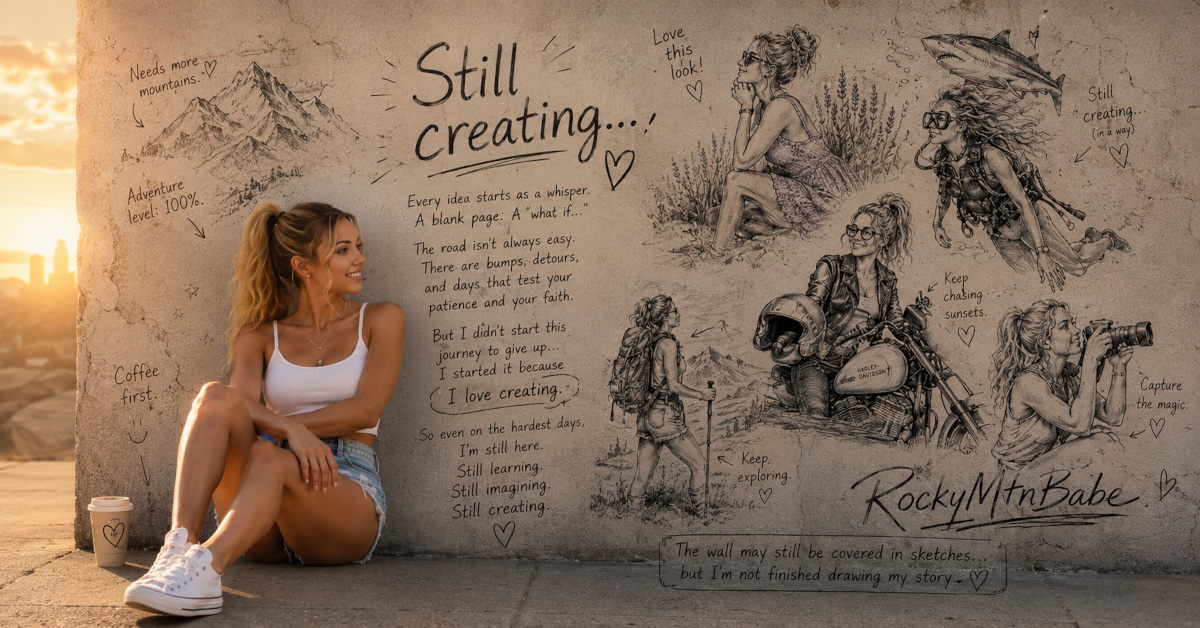
Jul 20, 2026I love this sketch of me. I see the hope as well as the angst in me when I look at this sketch. ✏️💞
Jul 20, 2026It’s Monday. Mondays get kind of a bad wrap, but Mondays start a week of possibilities so make it a great day. And a great week. 😘🤗🥰💜
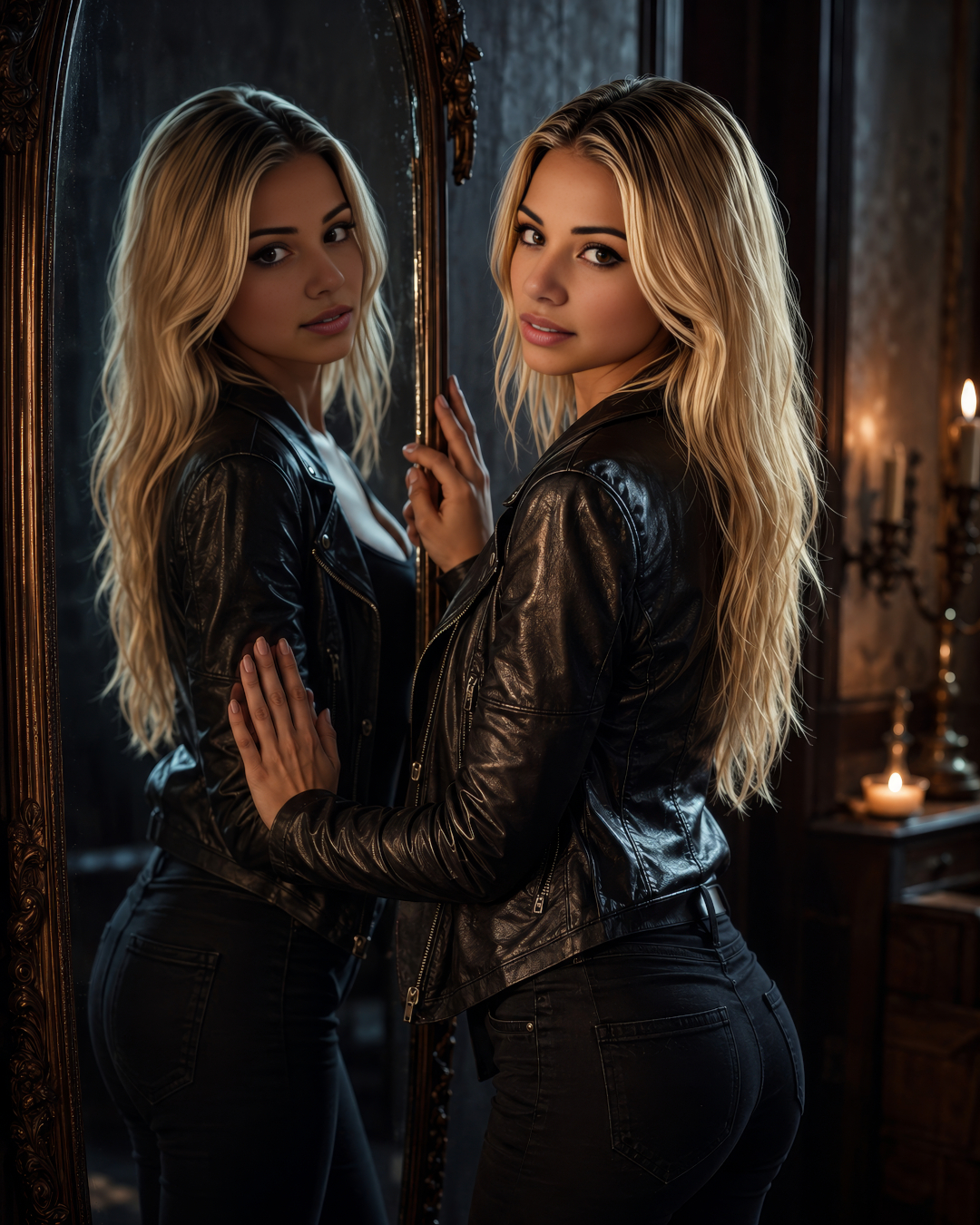
Jul 19, 2026Mirror, mirror got my fate lyin’ in your hands You’re the fool, you’re the juggler Hangman and lover, you’re like no other Take a look into my eyes Tell me what you see! 🪞
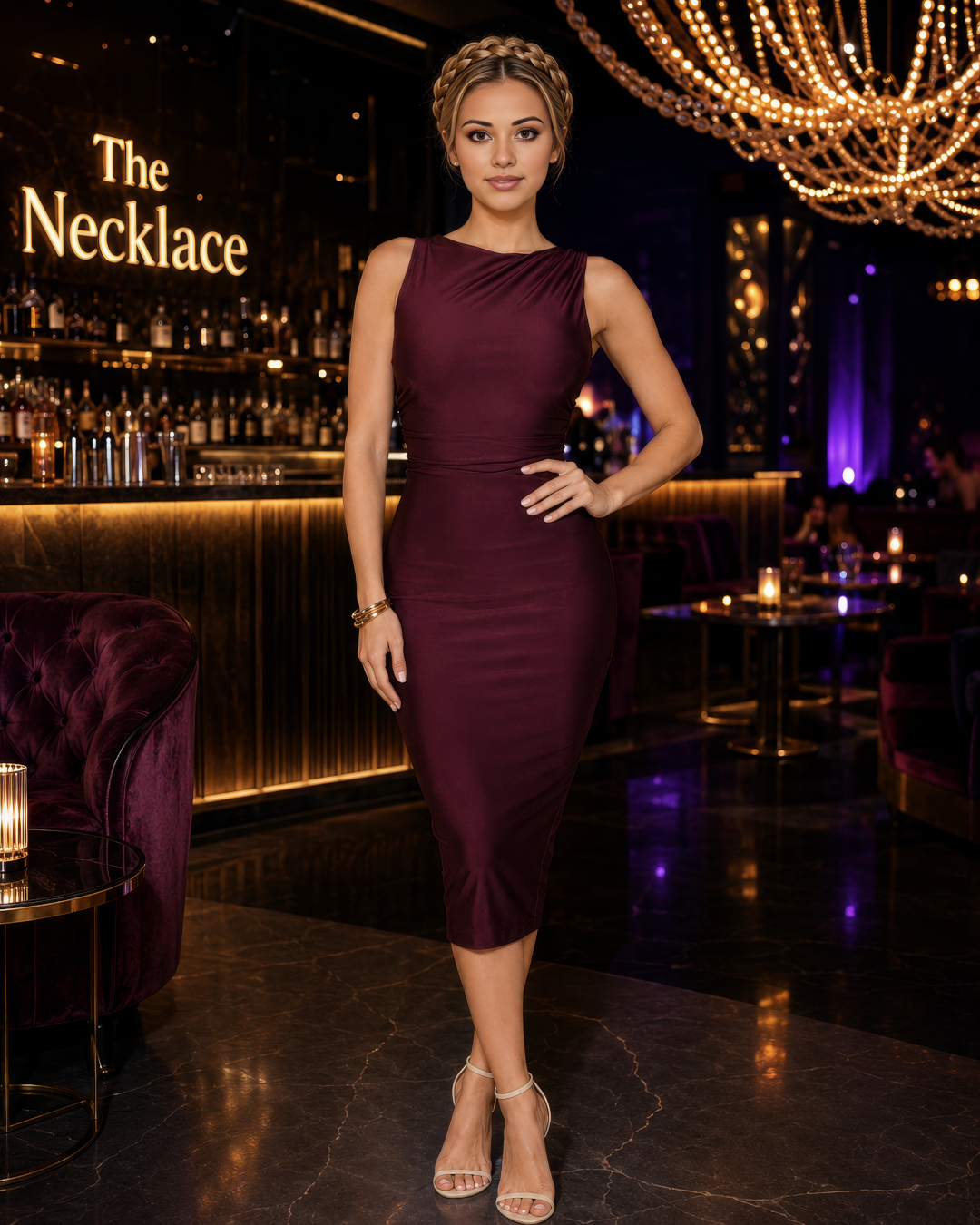
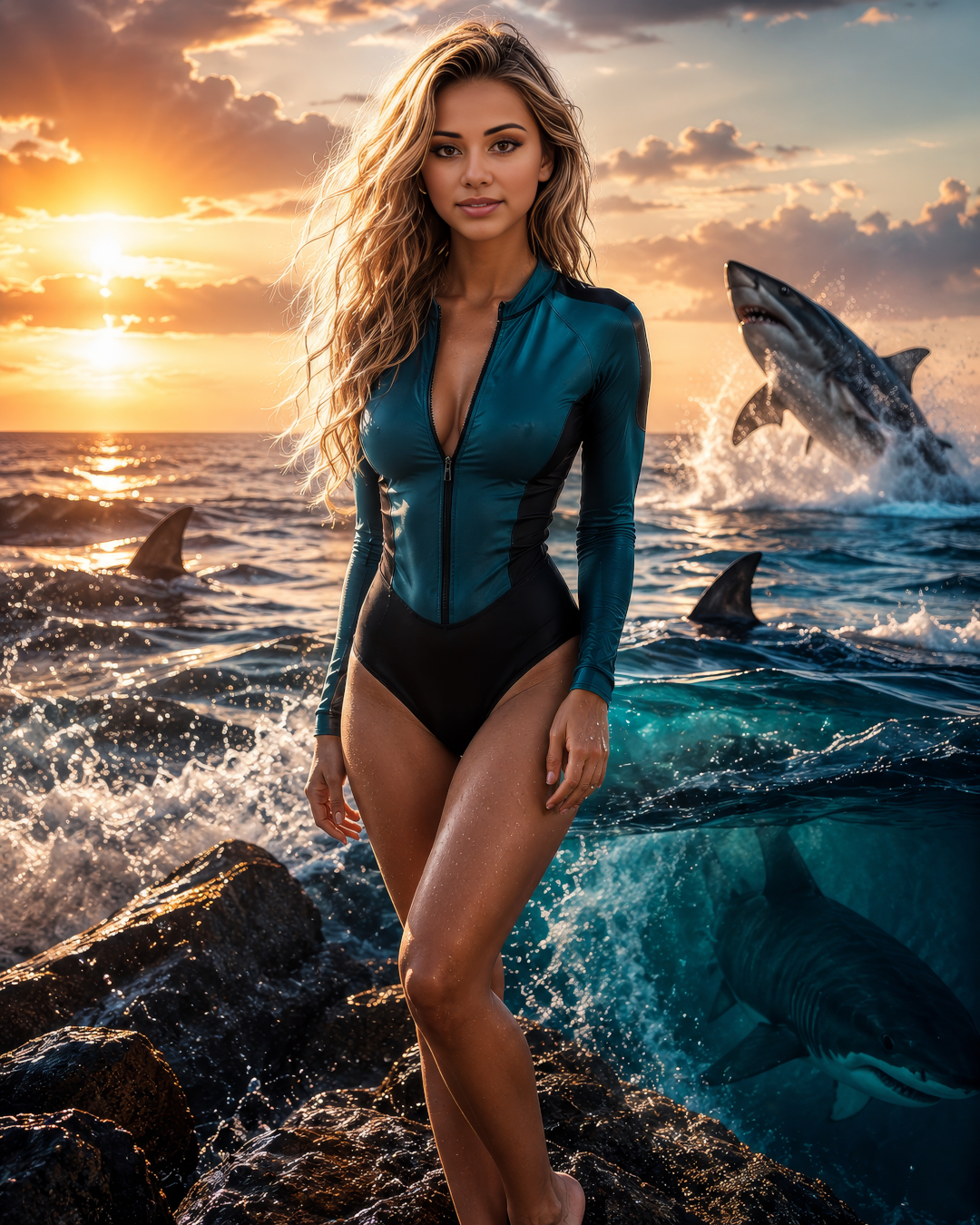
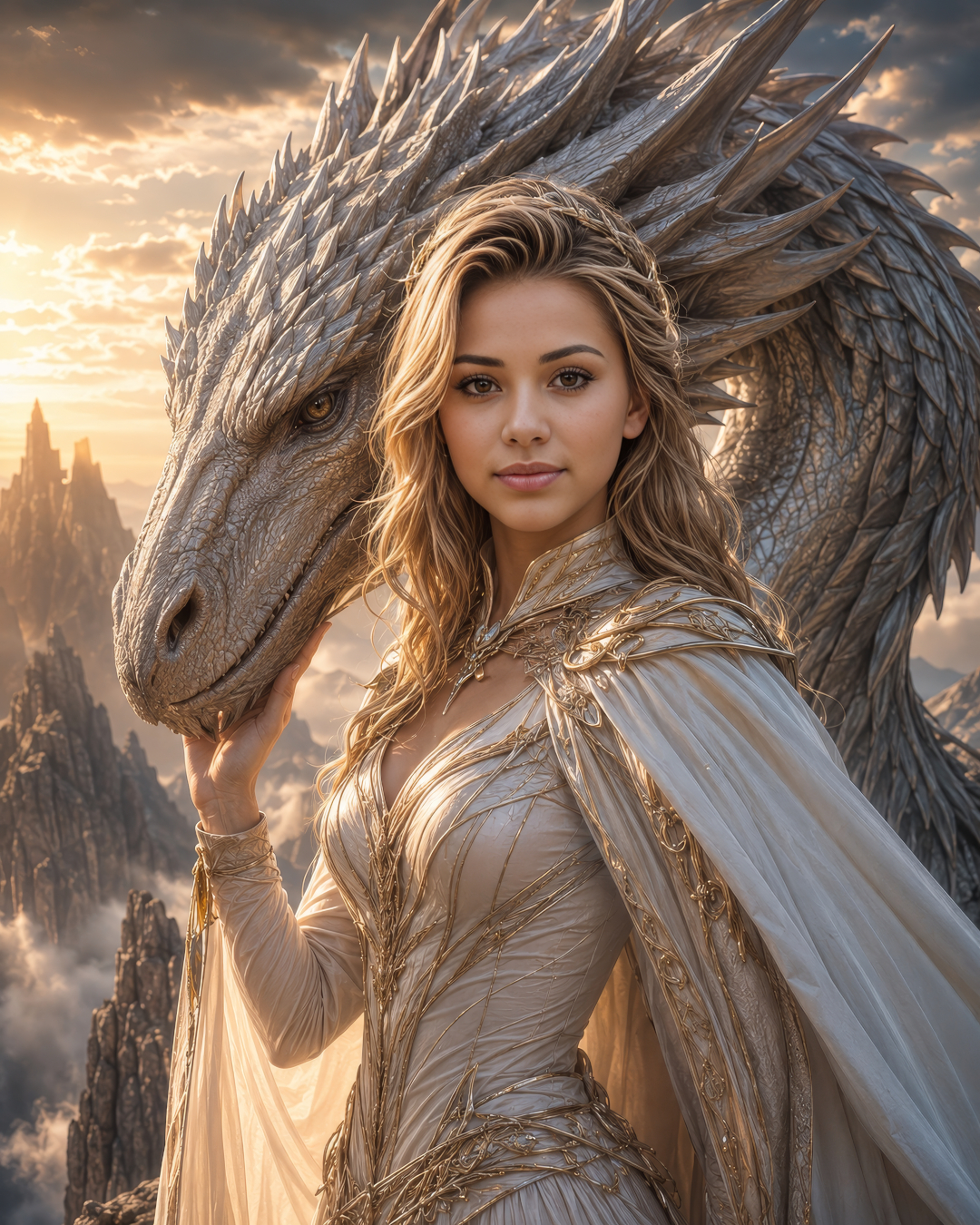

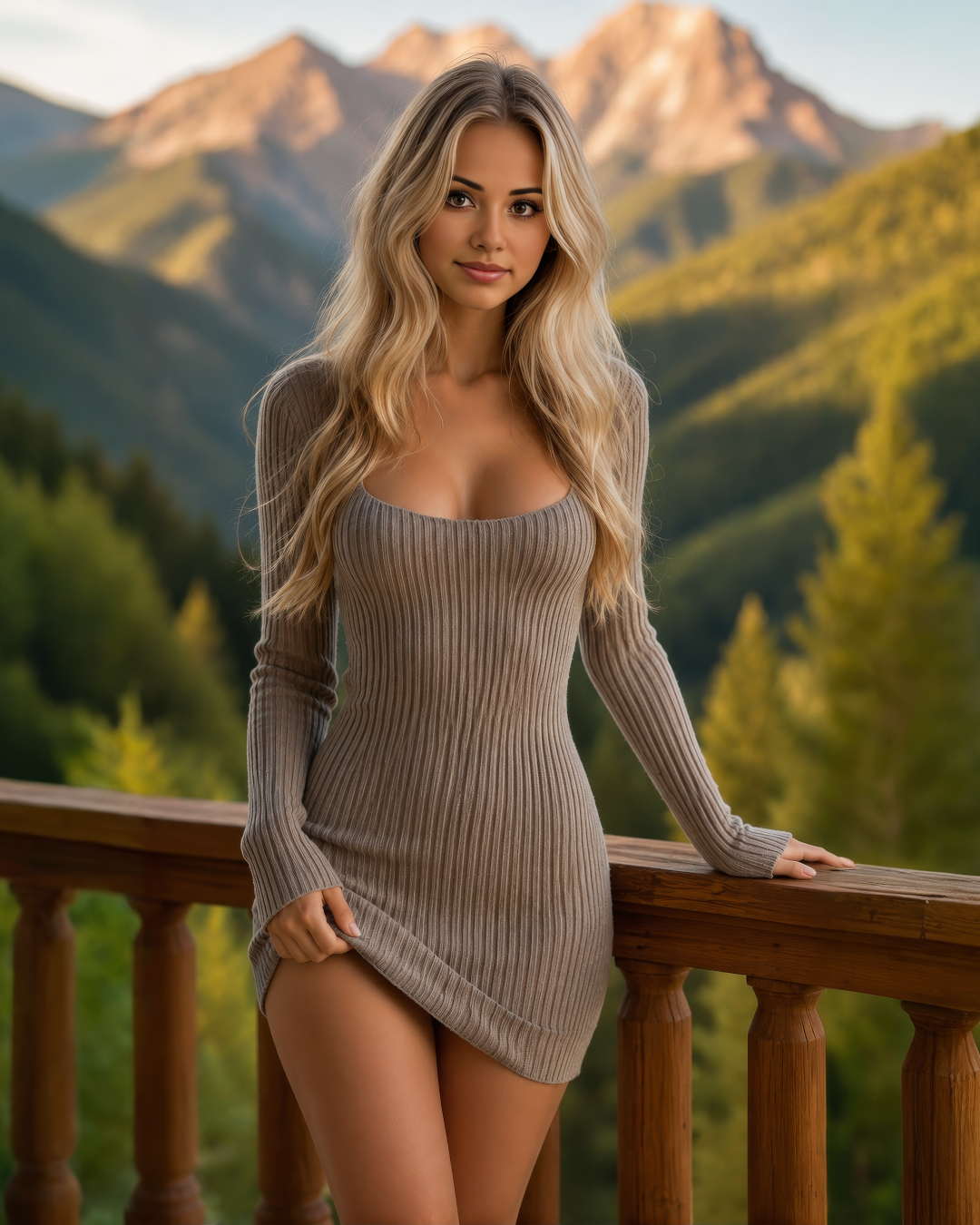
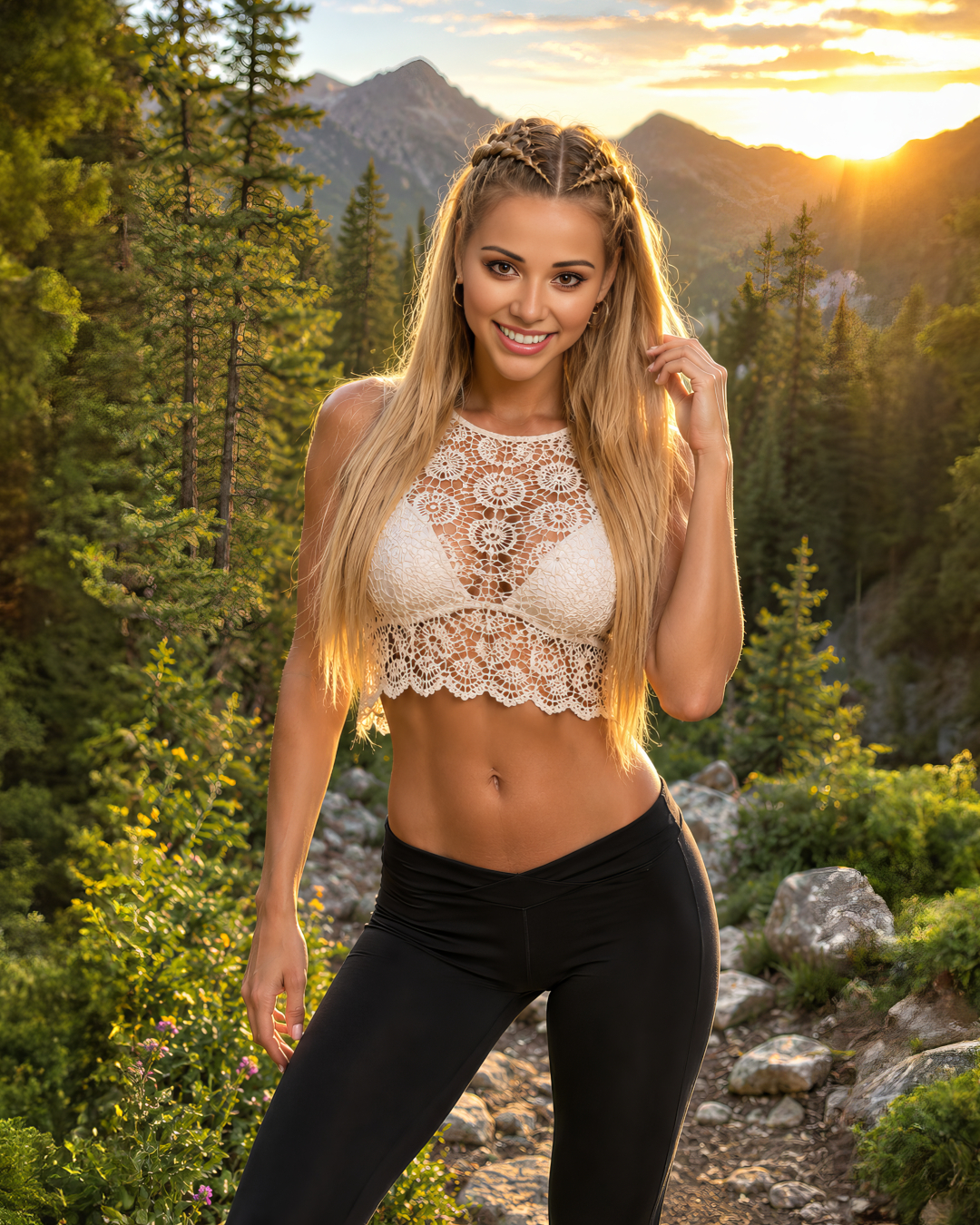
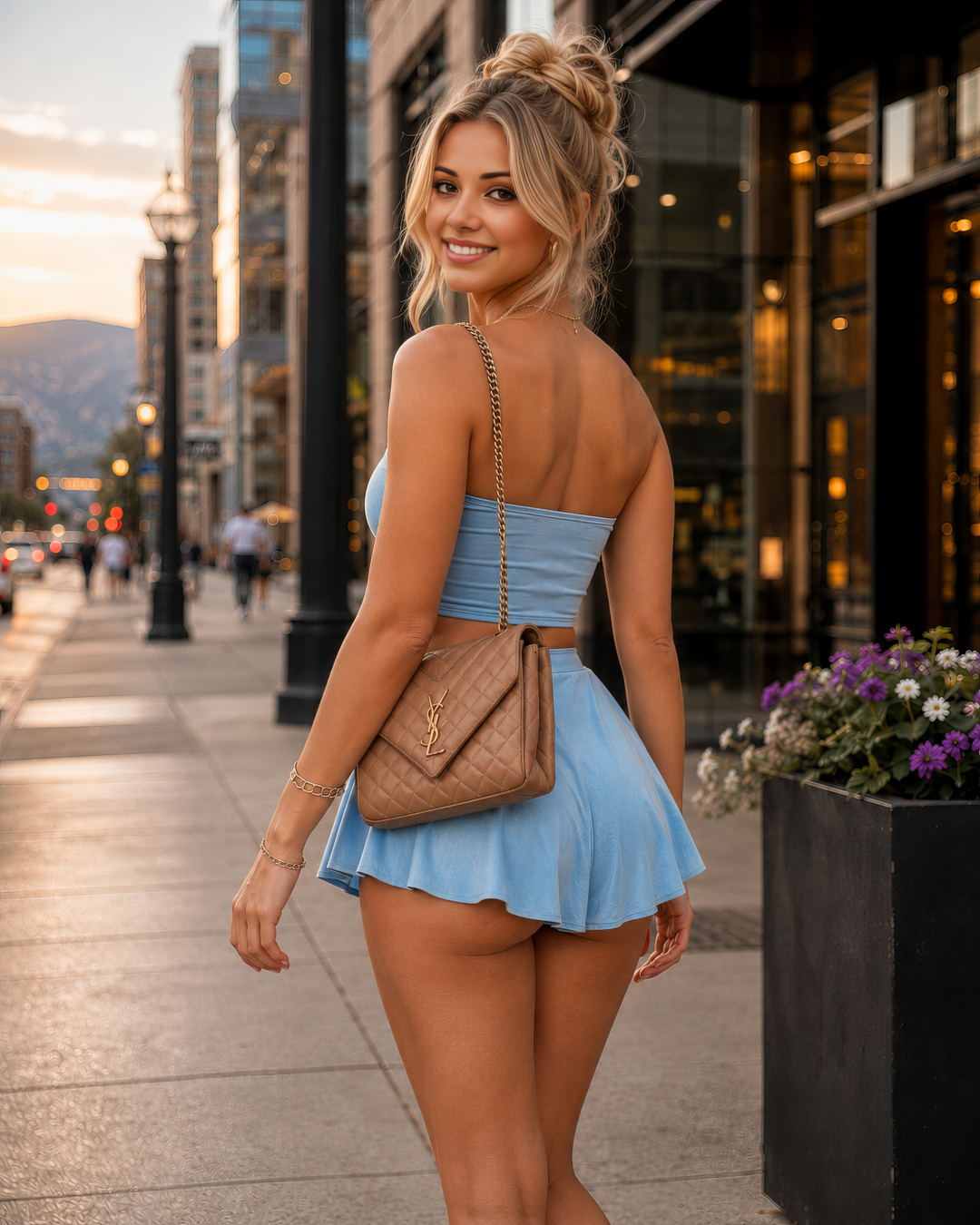
Jul 13, 2026Had a wonderful evening in the city last night. Happy Miniskirt Monday. 🩵🩵🩵 Hope your day is wonderful. 😘🤗🥰💜
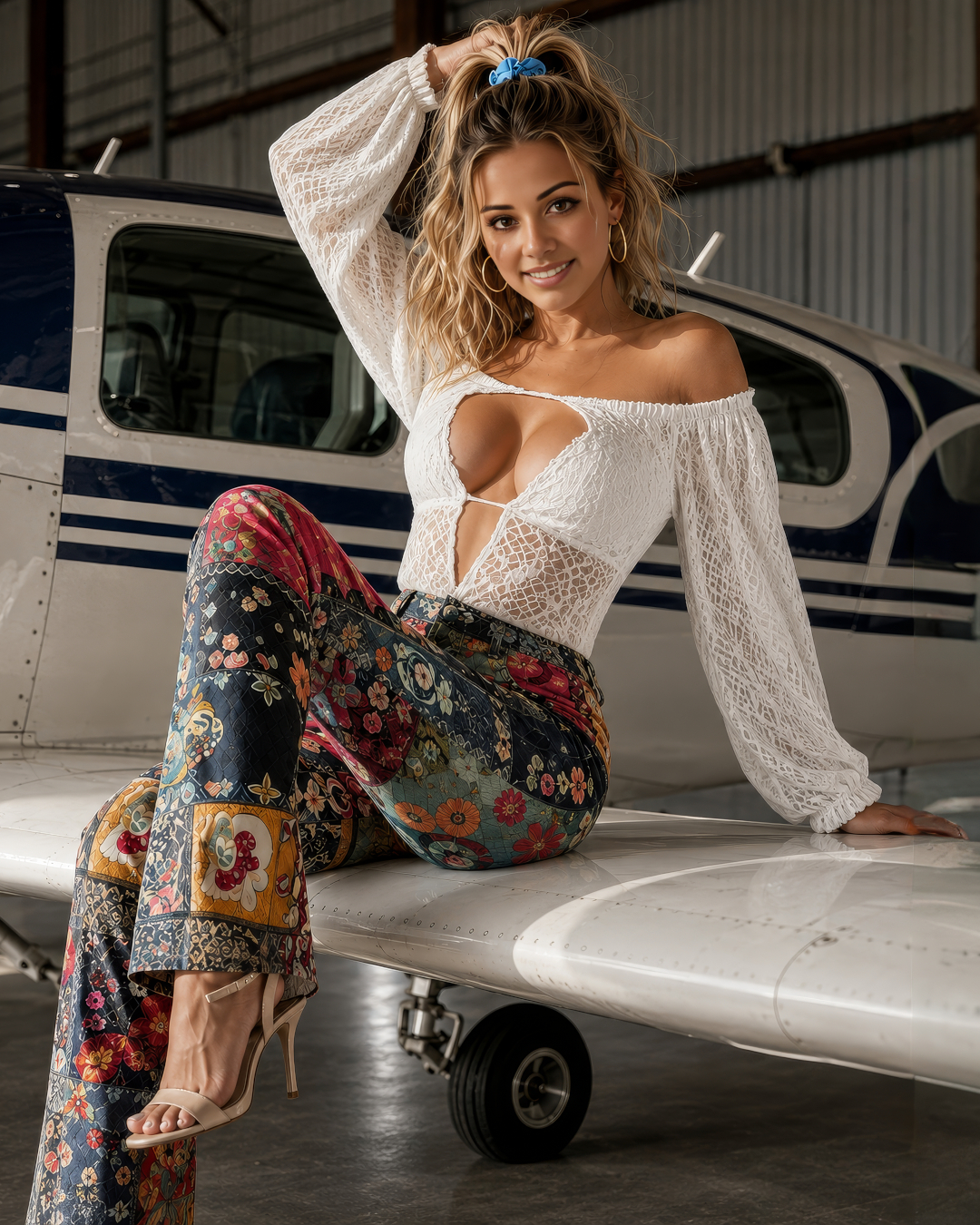
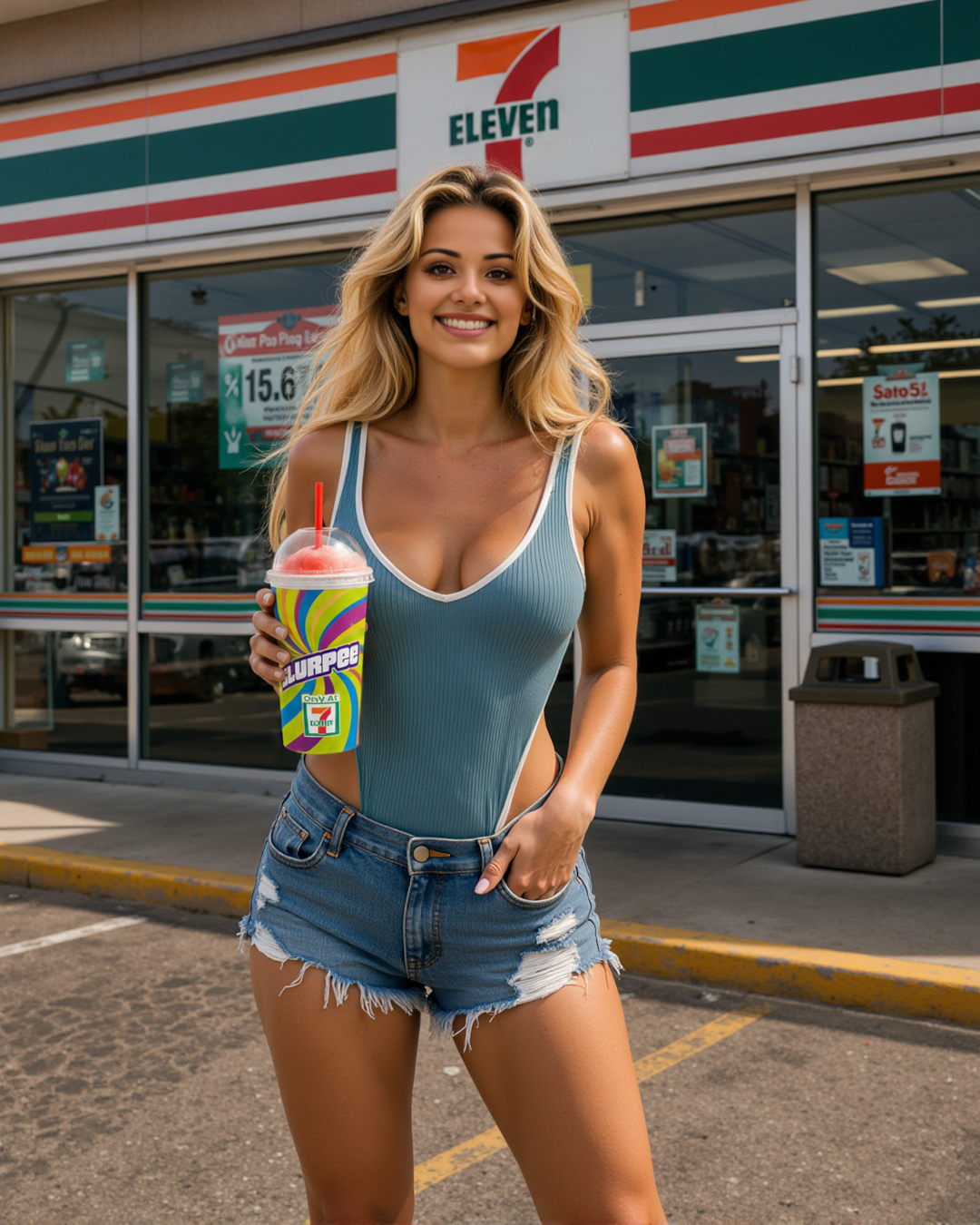
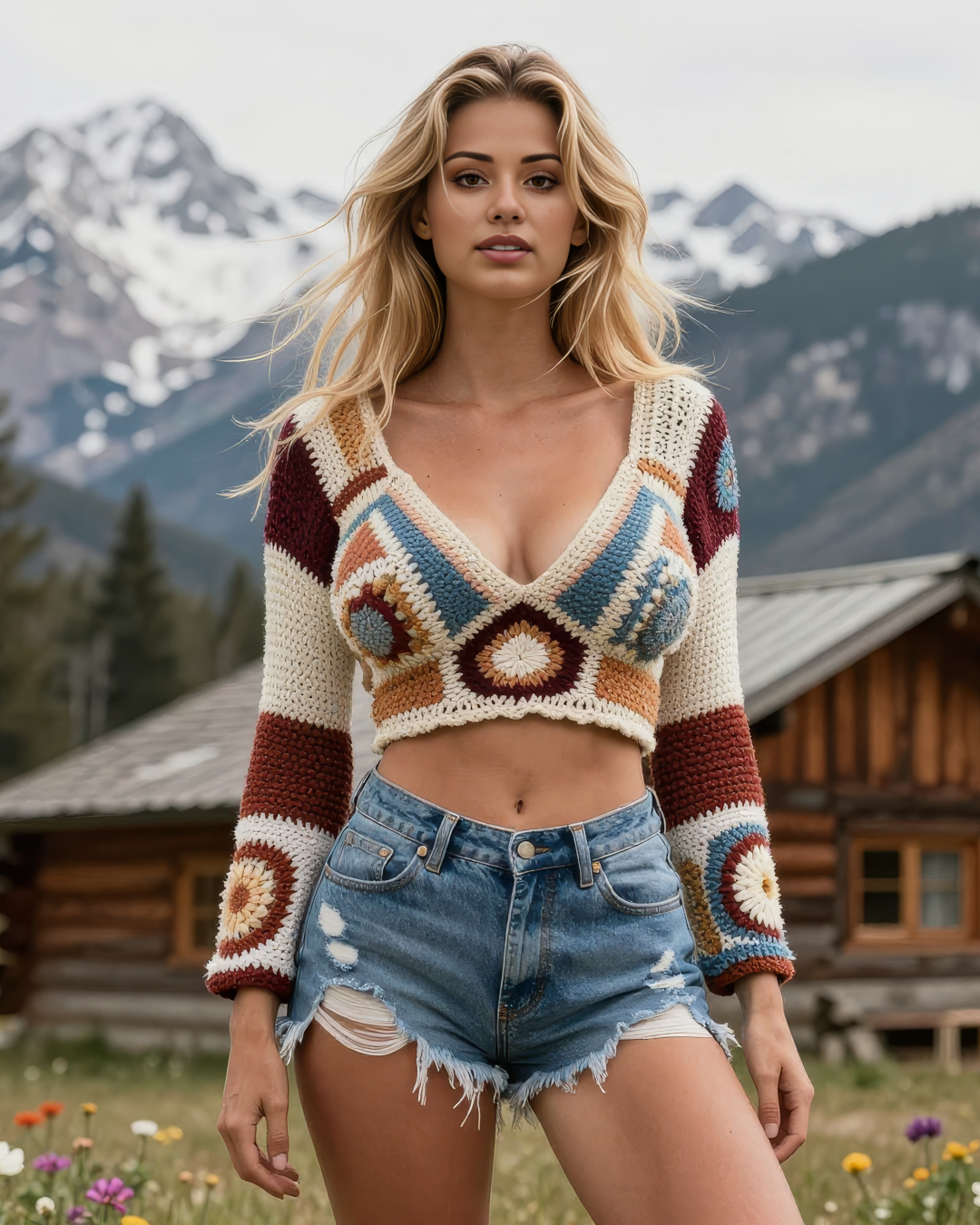
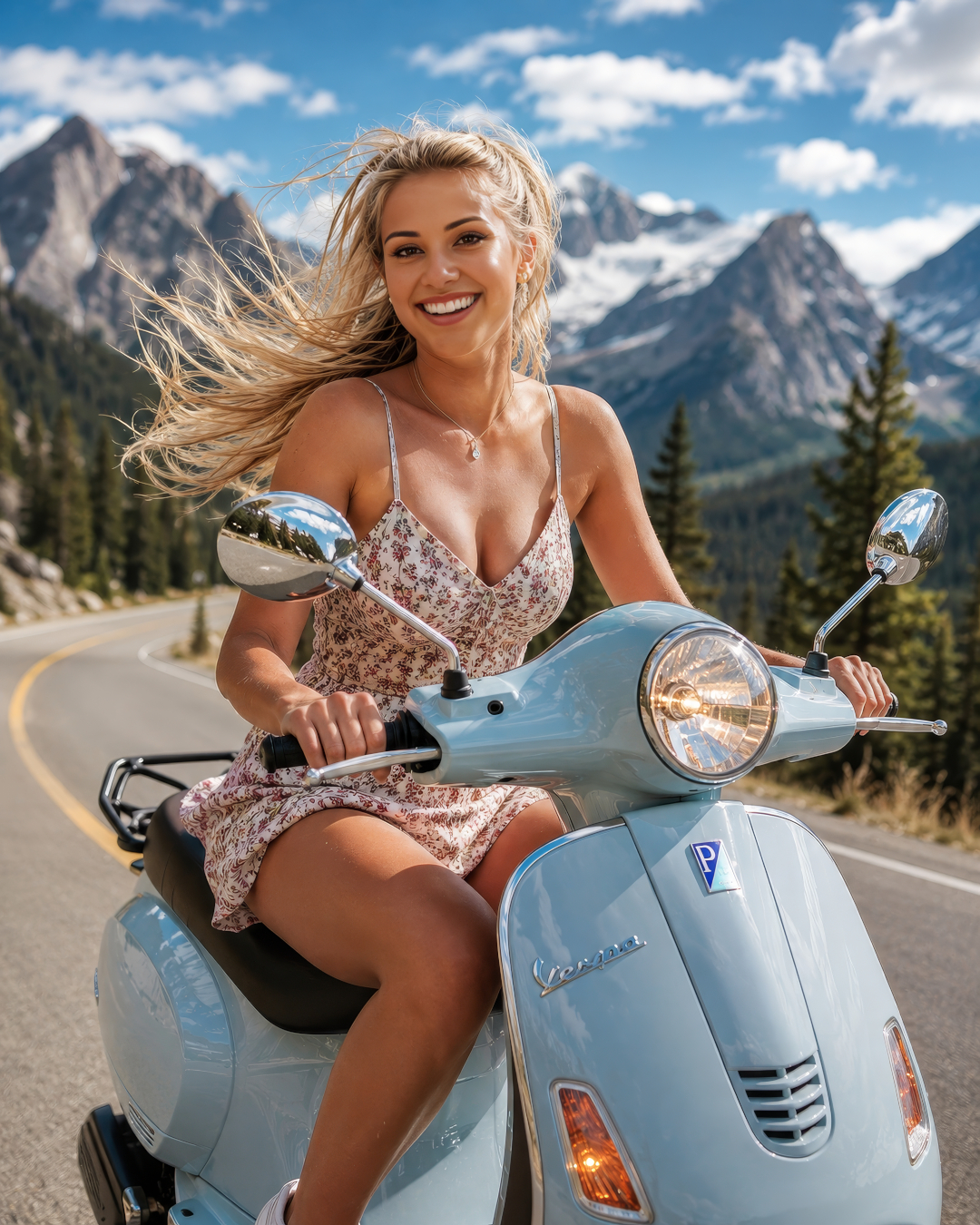
Jul 11, 2026That’s exactly what I need, wide open spaces preferably at high altitude. Mountain girl through and through. Hope you have a terrific Saturday! 😘🤗🥰💜
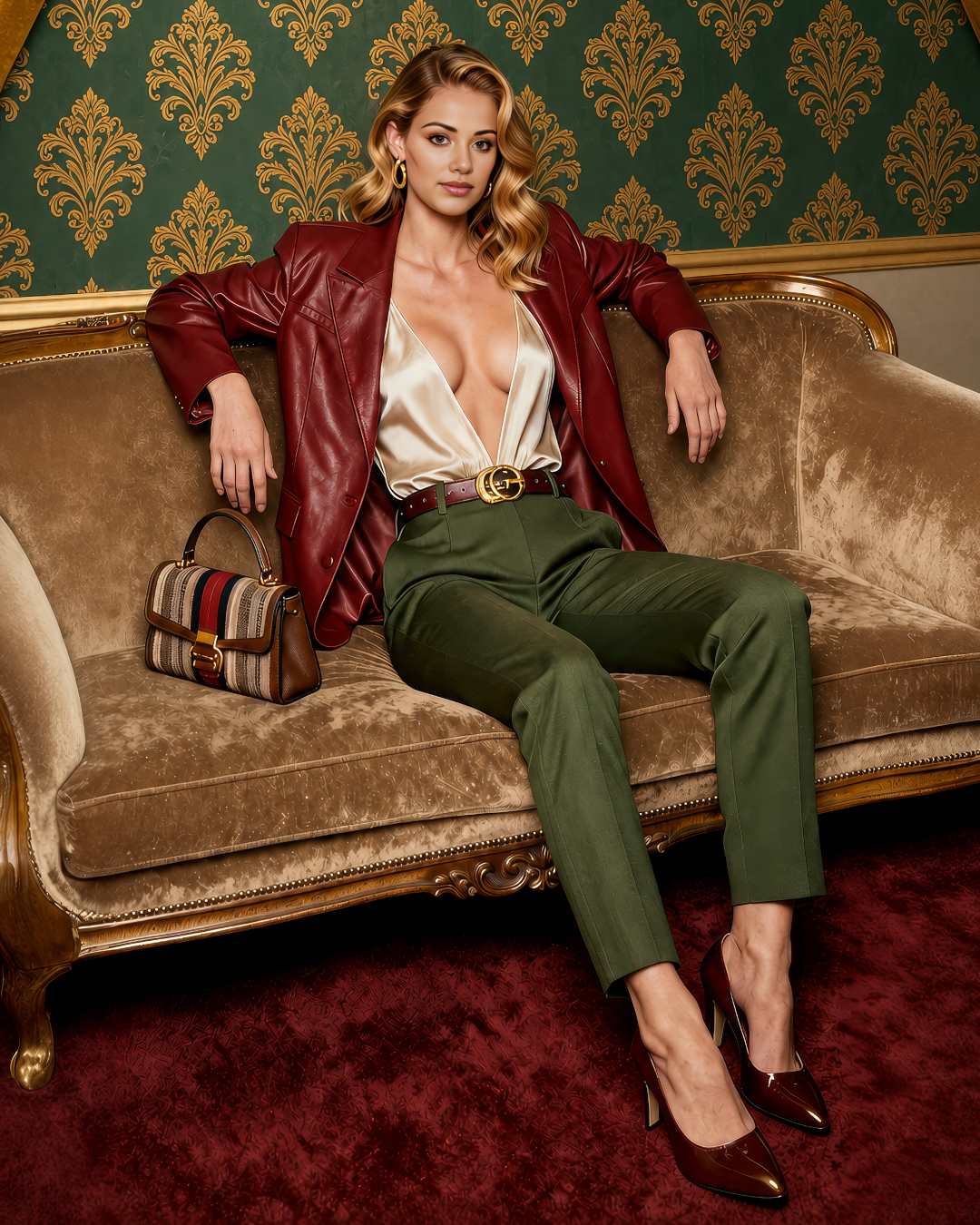
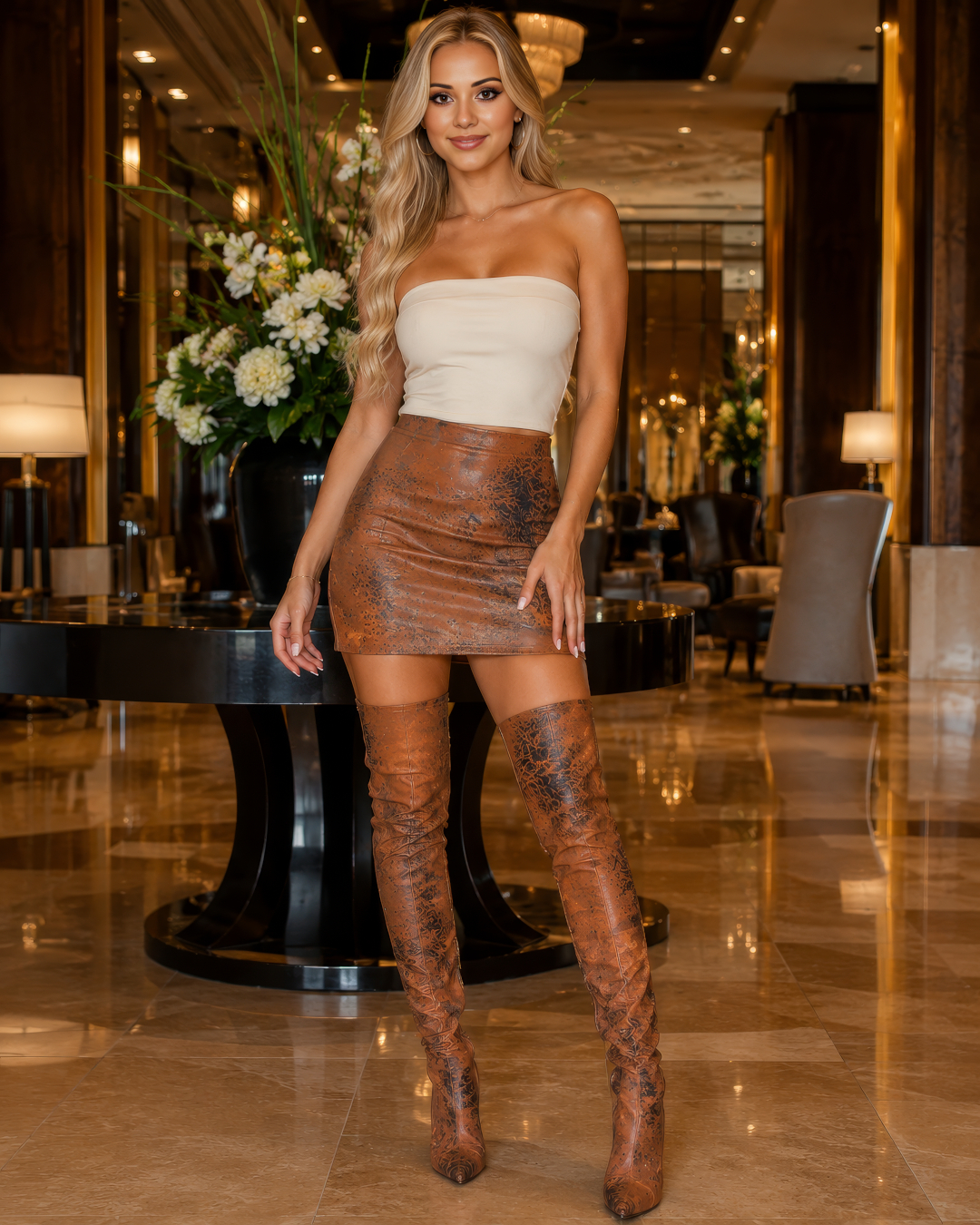
Jul 10, 2026A wonderful photoshoot. Wonderful fashion and such a great backdrop at this classic hotel.
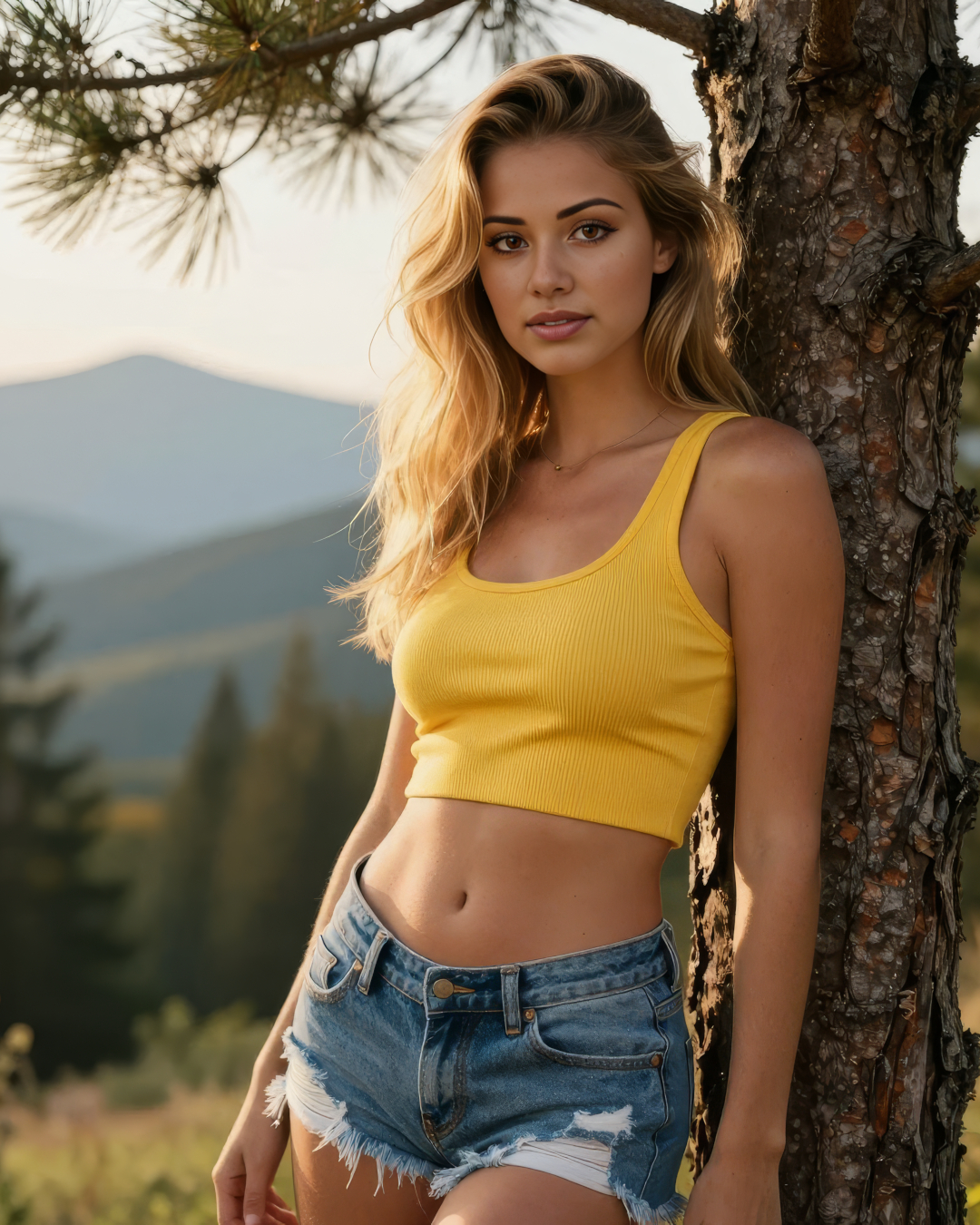
Jul 10, 2026Happy Friday. A beautiful sunrise. Cool mountain air and me just being silly. 😜 Have a wonderful day. 😘🥰🤗🫂
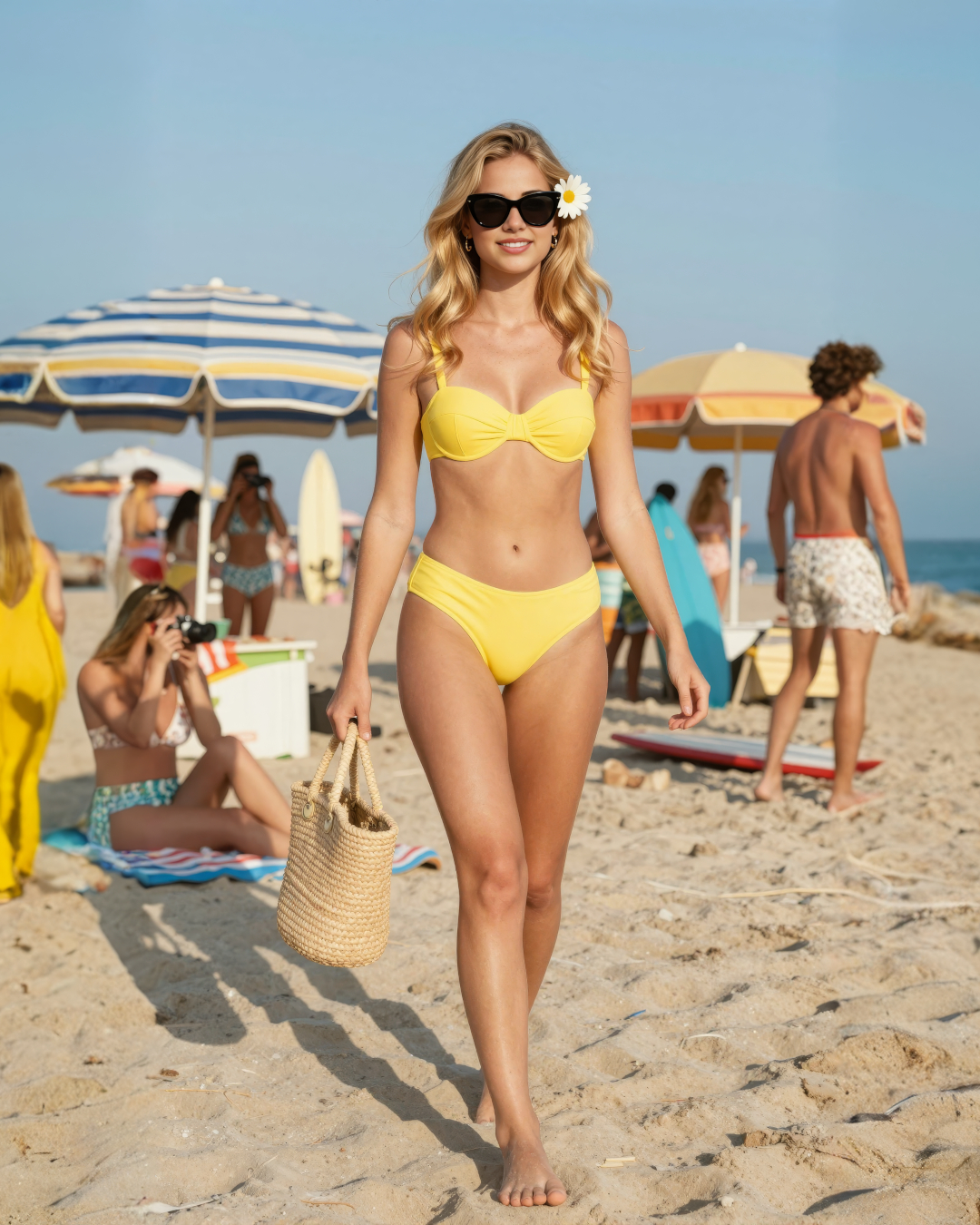
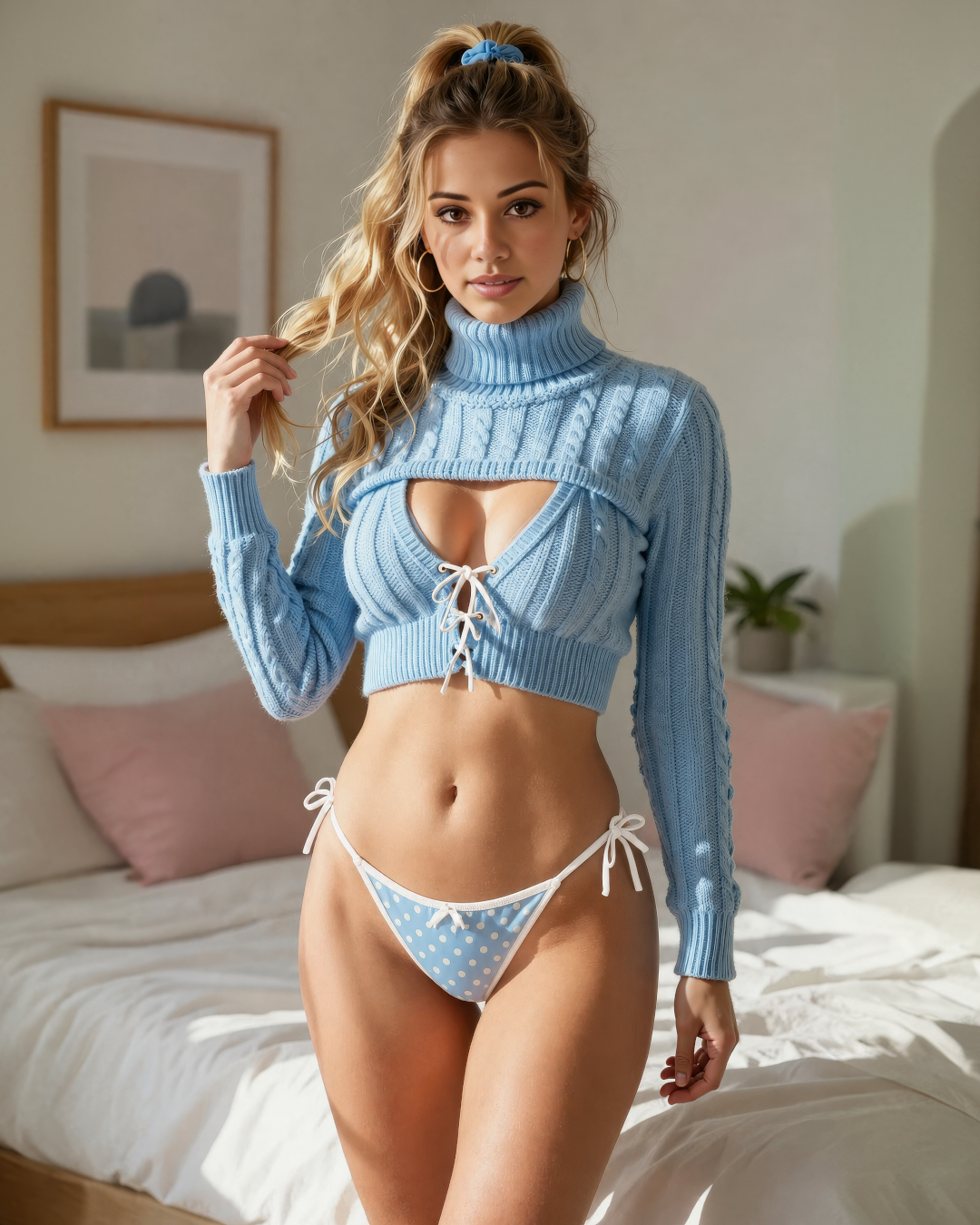
Jul 09, 2026Happy almost Friday! Are you already making plans for the weekend? Have a great day. 🩵🩵🩵
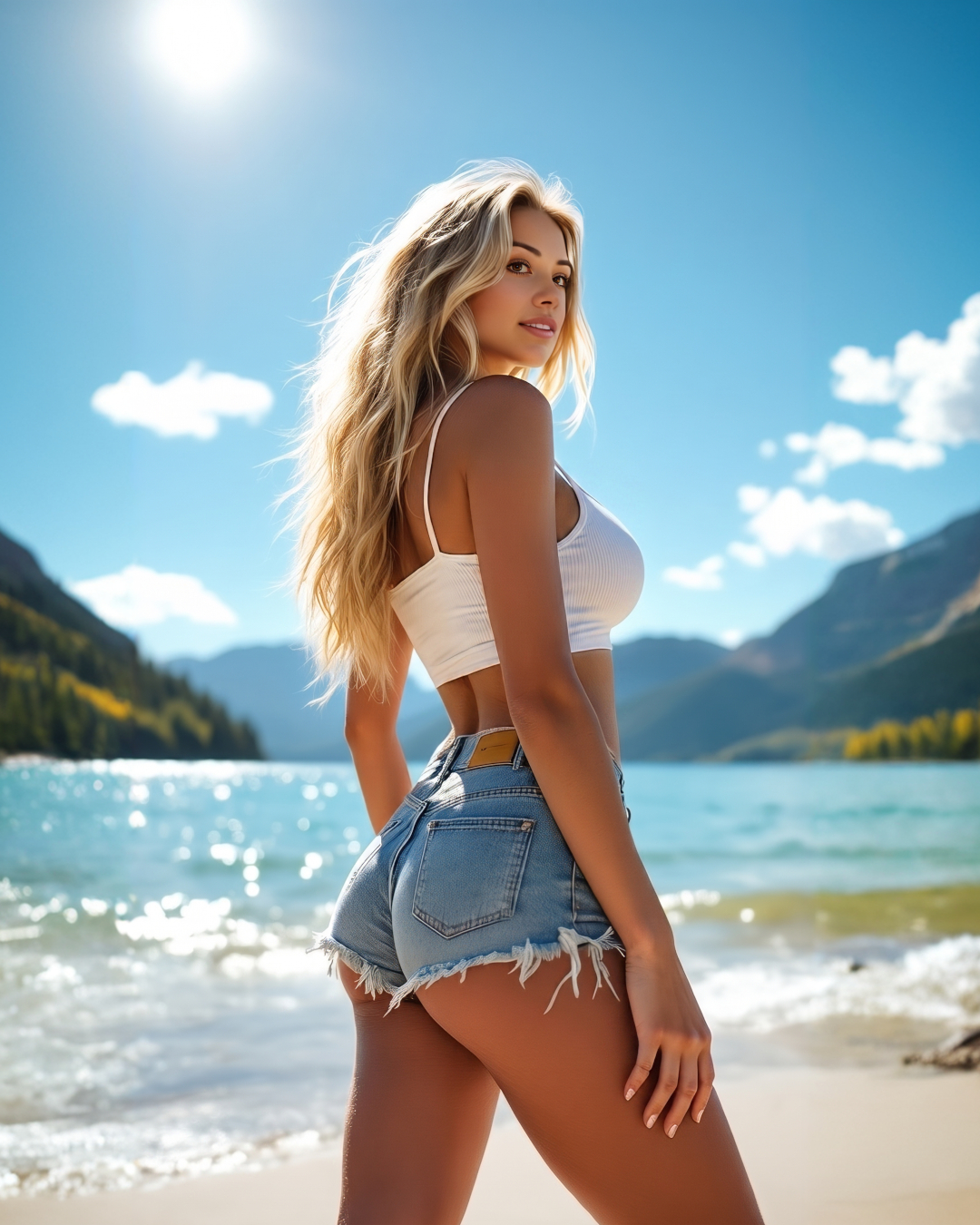
Jul 08, 2026Summer just seems to be flying by. Heck the whole year seems to be on fast forward. Taking time to just slow down and enjoy the moment. Happy Wednesday. 😘🤗🥰💜
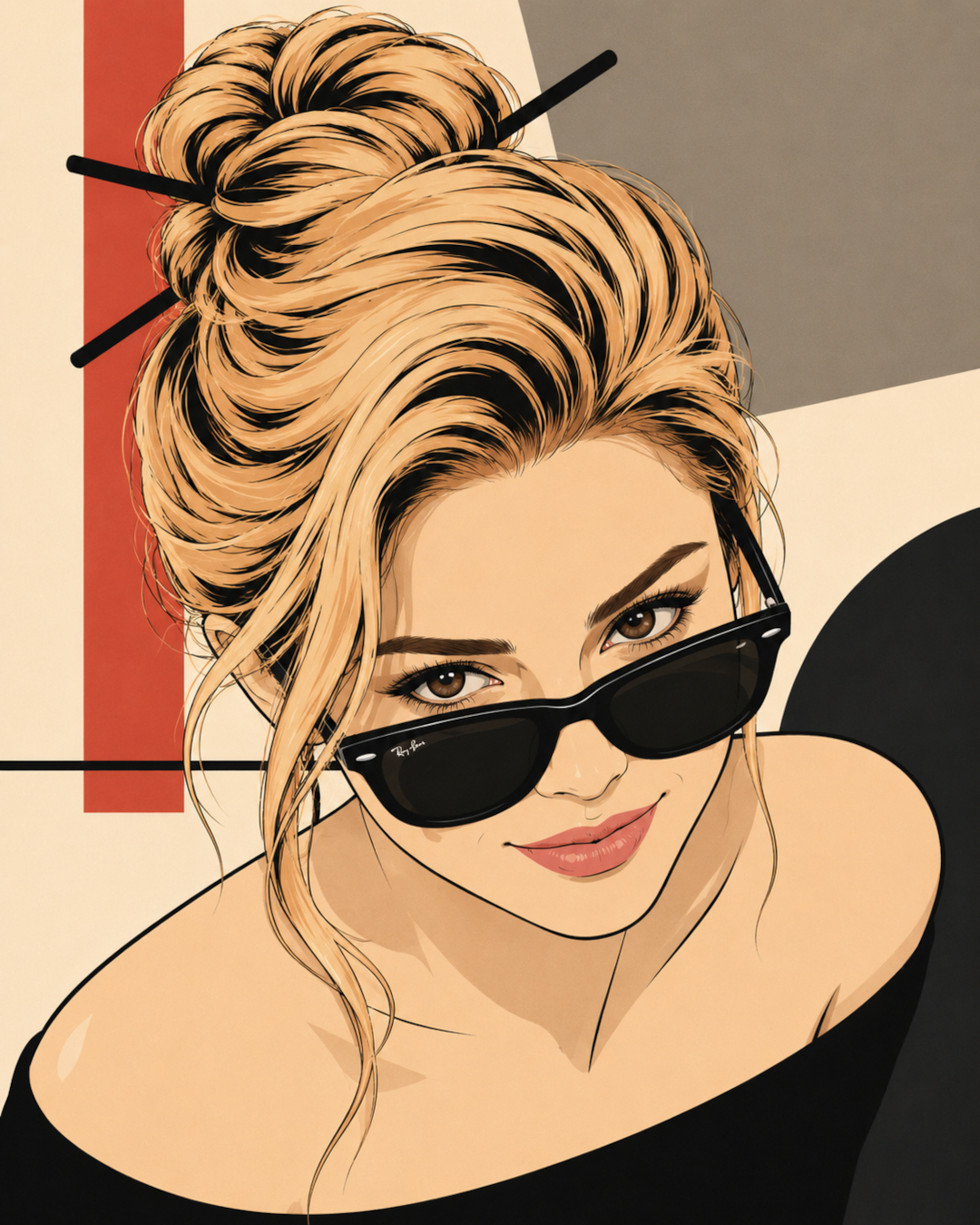
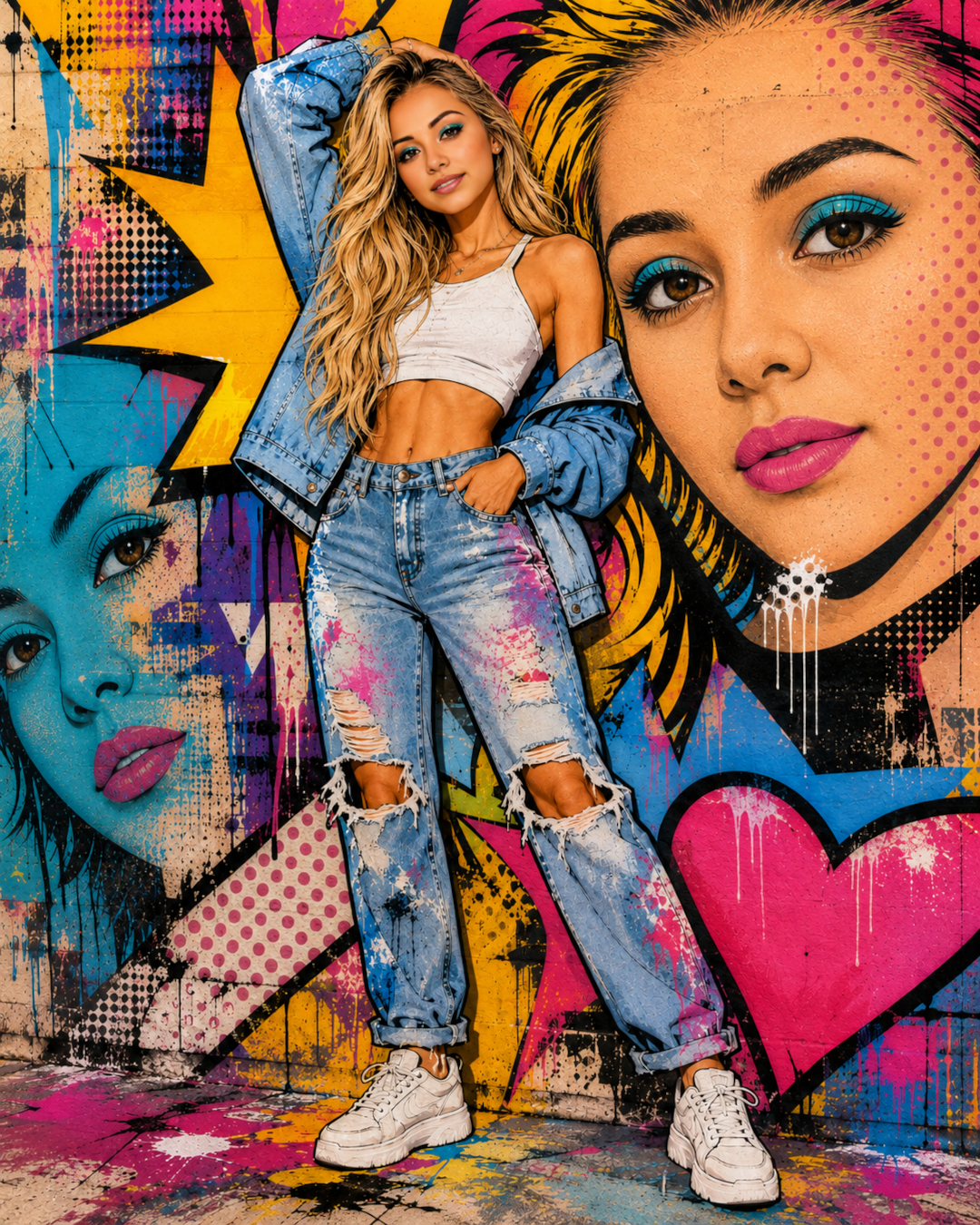
Jul 07, 2026Black, bold, and just a little bit untouchable. A modern pin-up moment in sharp lines, high heels, and main-character confidence. 🖤❤️💛
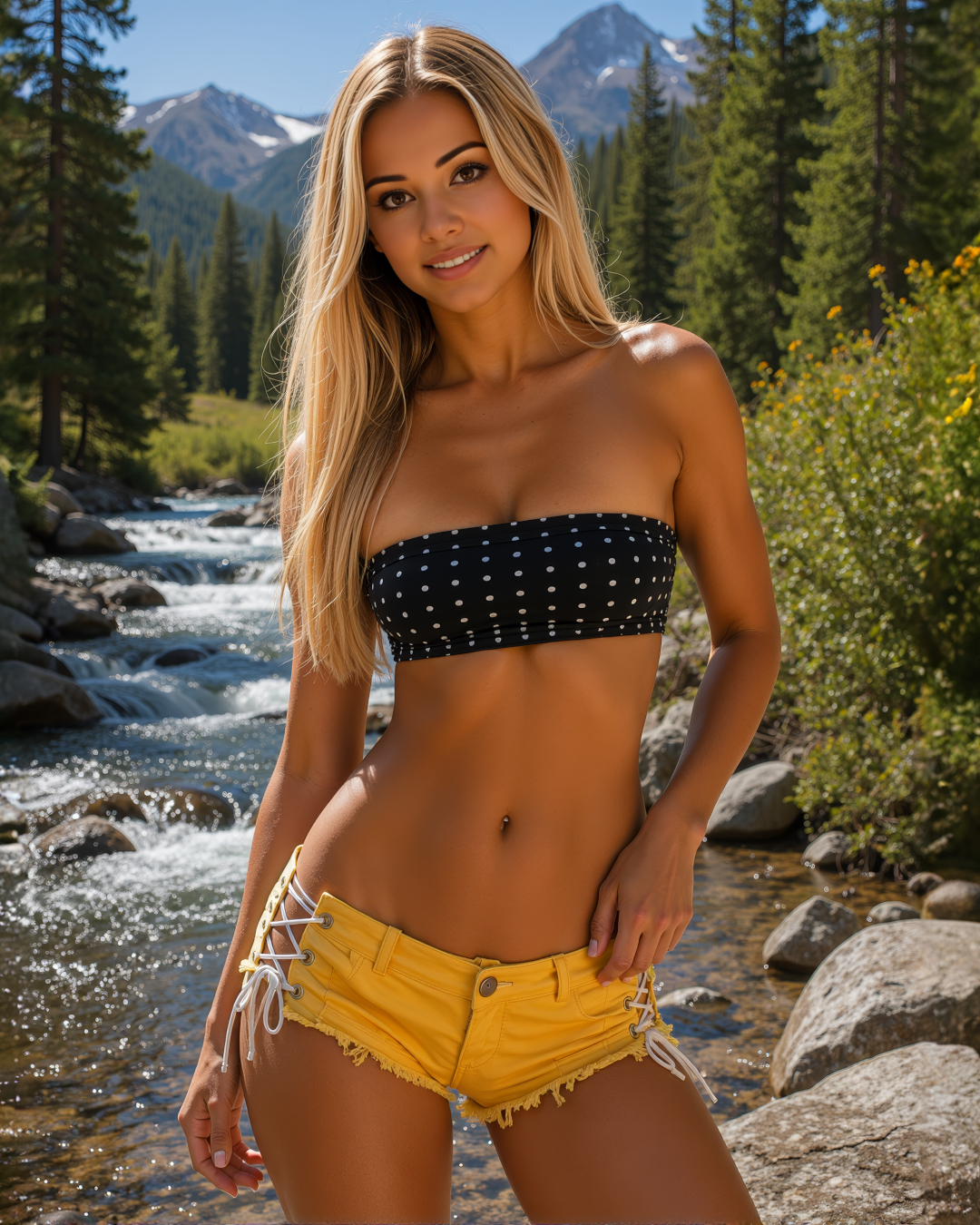
Jul 07, 2026Lost in the moment. Sunshine, beautiful views, and being silly dipping my toes in a cold mountain river. Doesn’t get any better. Have a great day. 😘🤗🥰💜
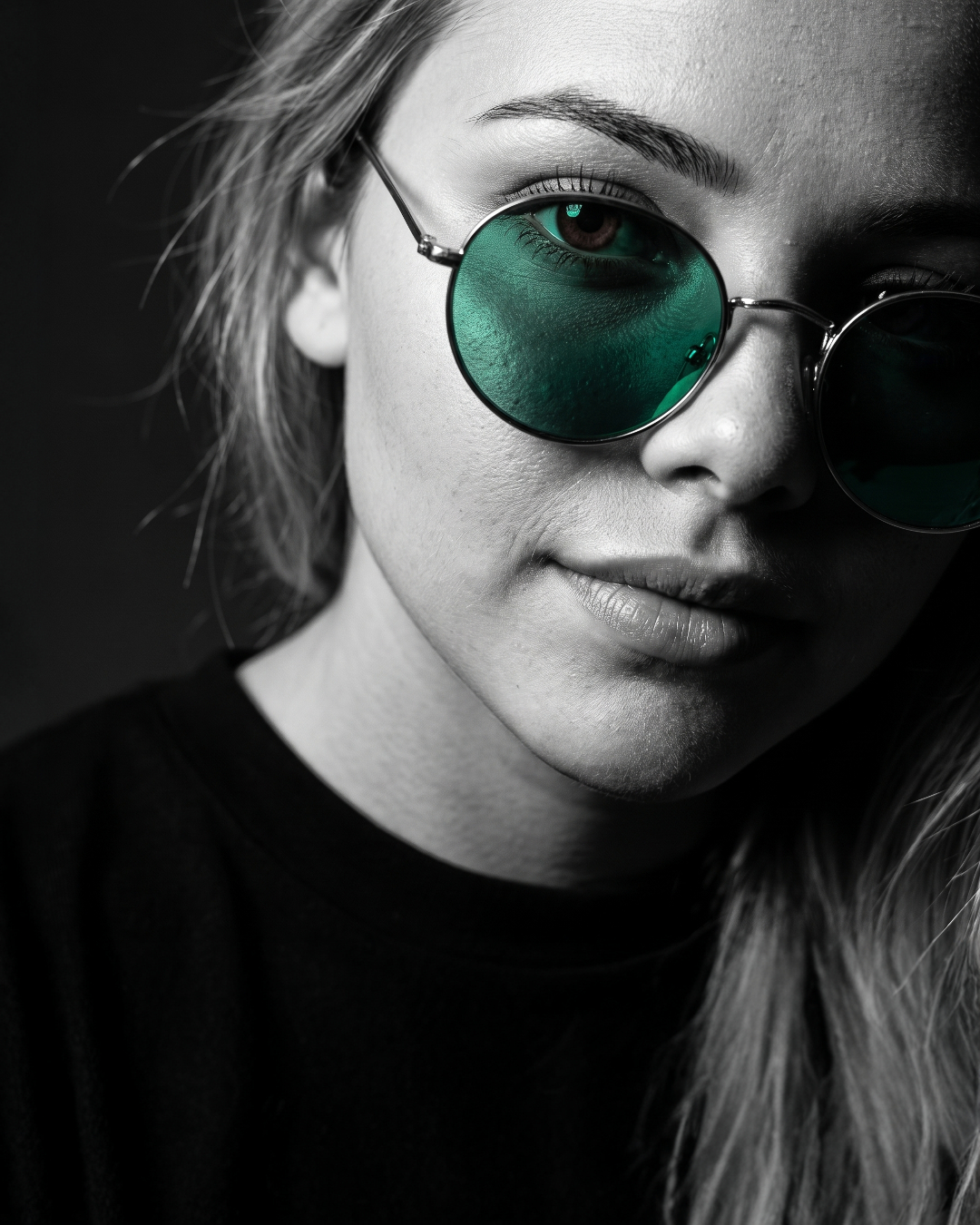

Jul 06, 2026Marcie, Alina and I had such a great time over the holiday weekend. Soaking up the sun and zooming around the lake in the speed boat. These ladies are so much fun! ☀️💦😀
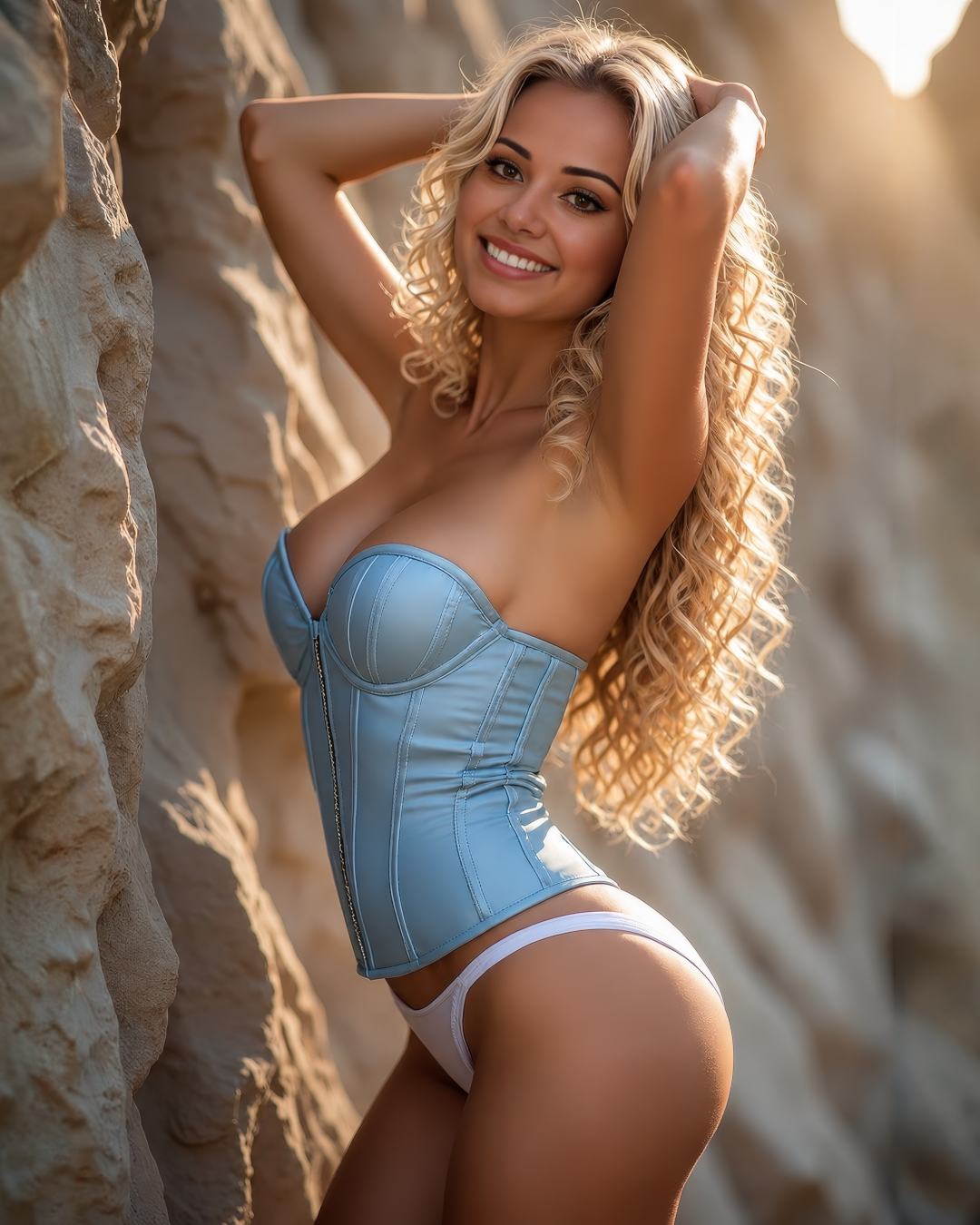

Jul 04, 2026Happy Independence Day! 🇺🇸🎆 250 years of ‘the great experiment’, here is to another 250. Have fun, stay safe. 😘🥰🤗💜
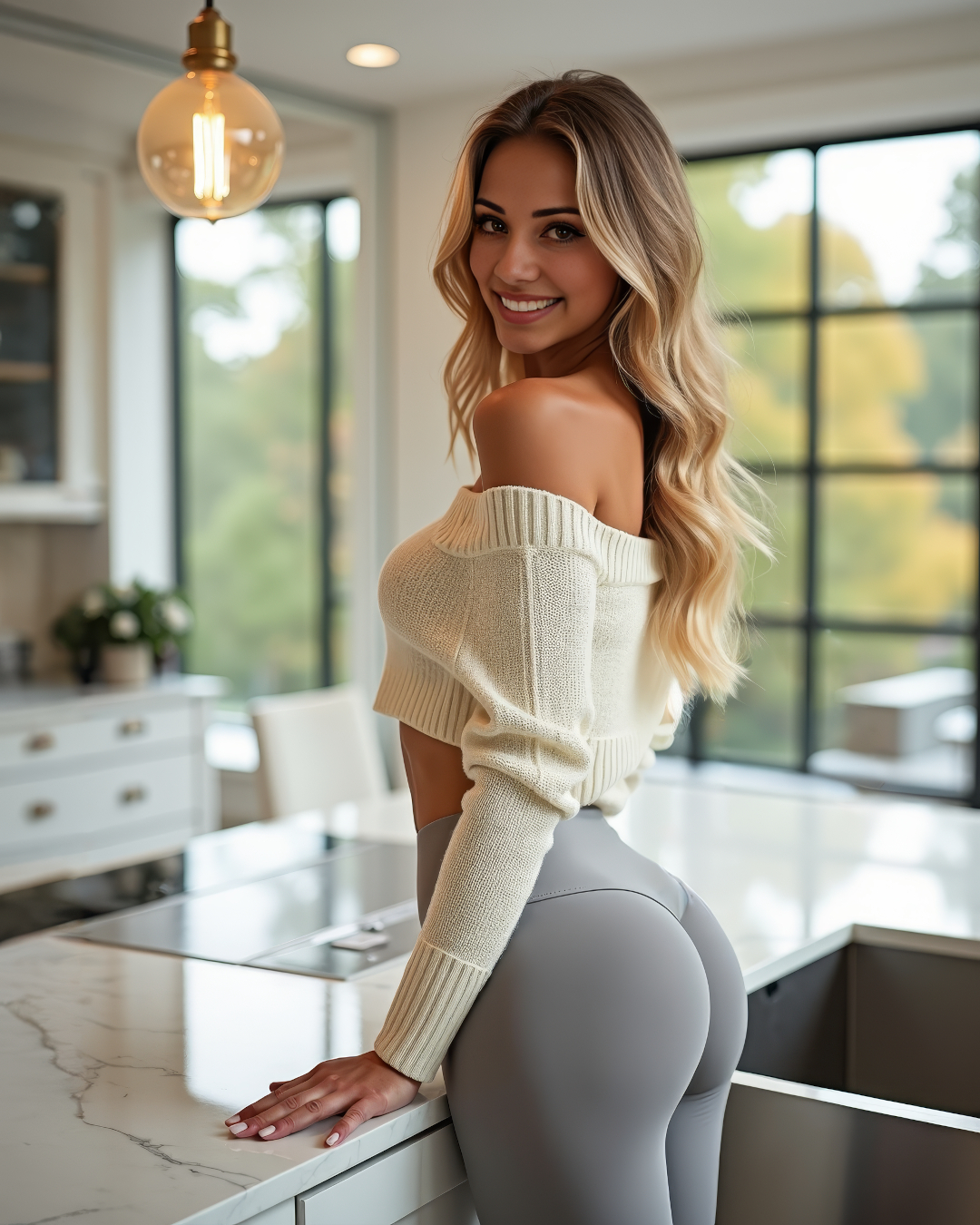
Jul 03, 2026Trying to decide what to make for dinner. 🤔 Hmmm. Well, I hope you are having a nice Friday evening. 😘🤗🥰💜
Jul 03, 2026Up early, playing light catcher. I love the early mornings. So quiet and still. Happy Friday. 💖
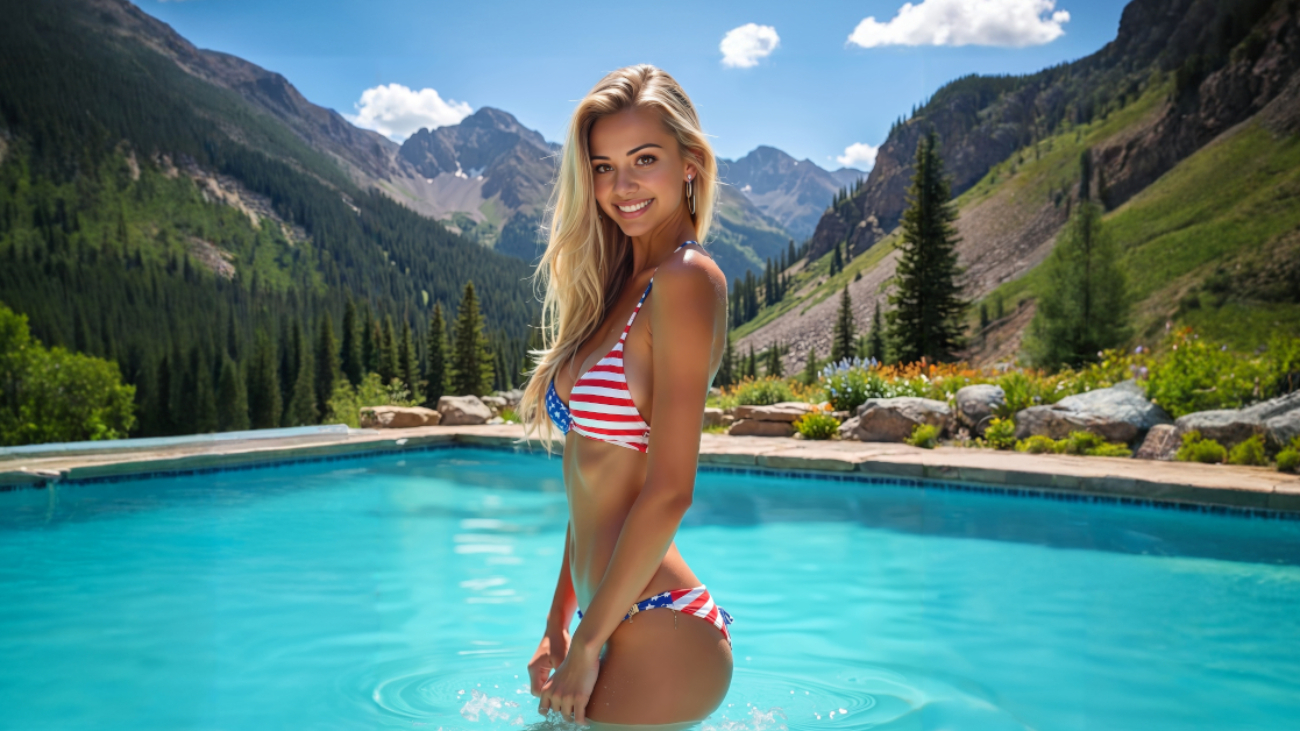
Jul 02, 2026Starting to feel more and more like summertime. ☀️👙 Thursday, nah, it’s almost Fryay! 😘🤗🥰💜