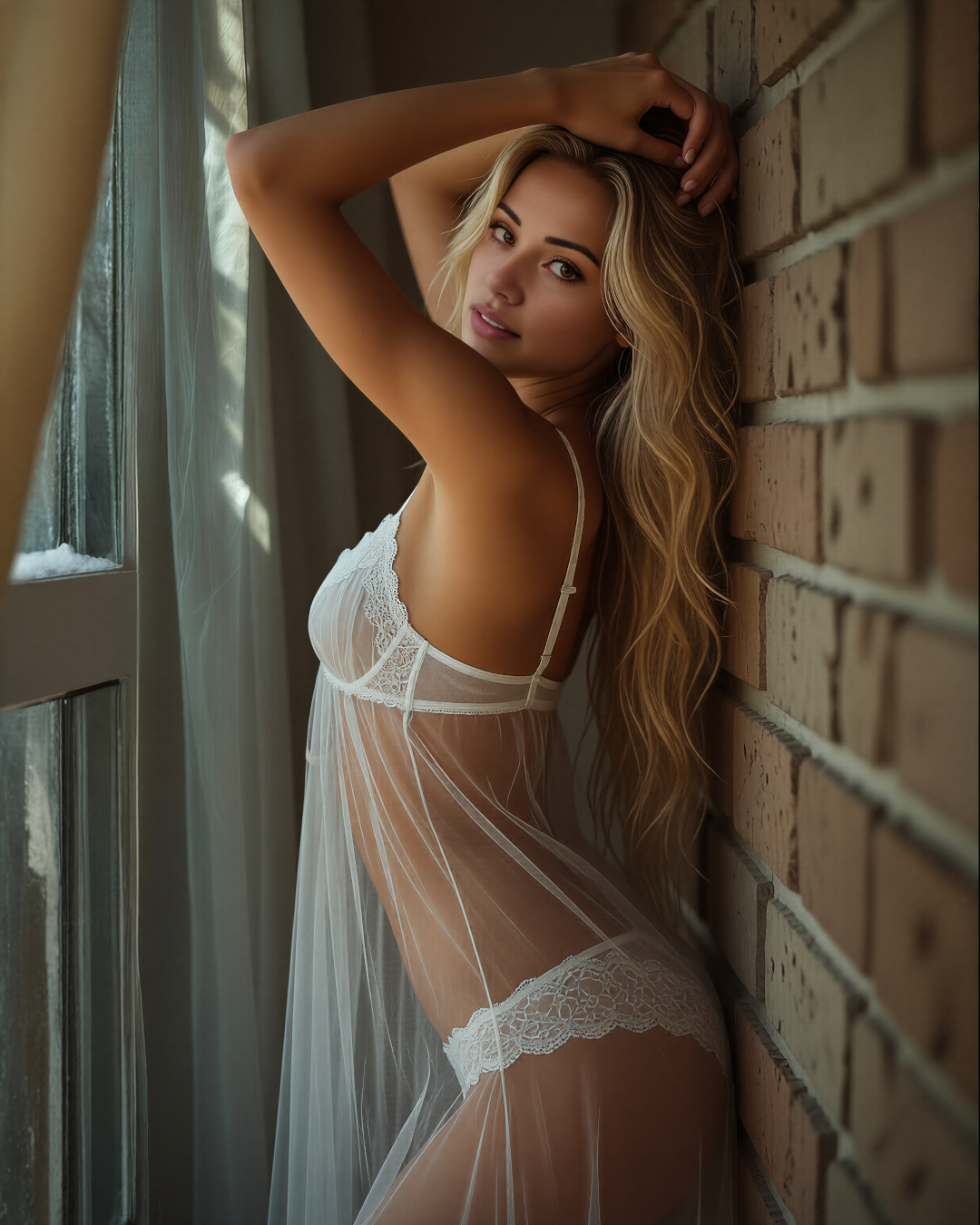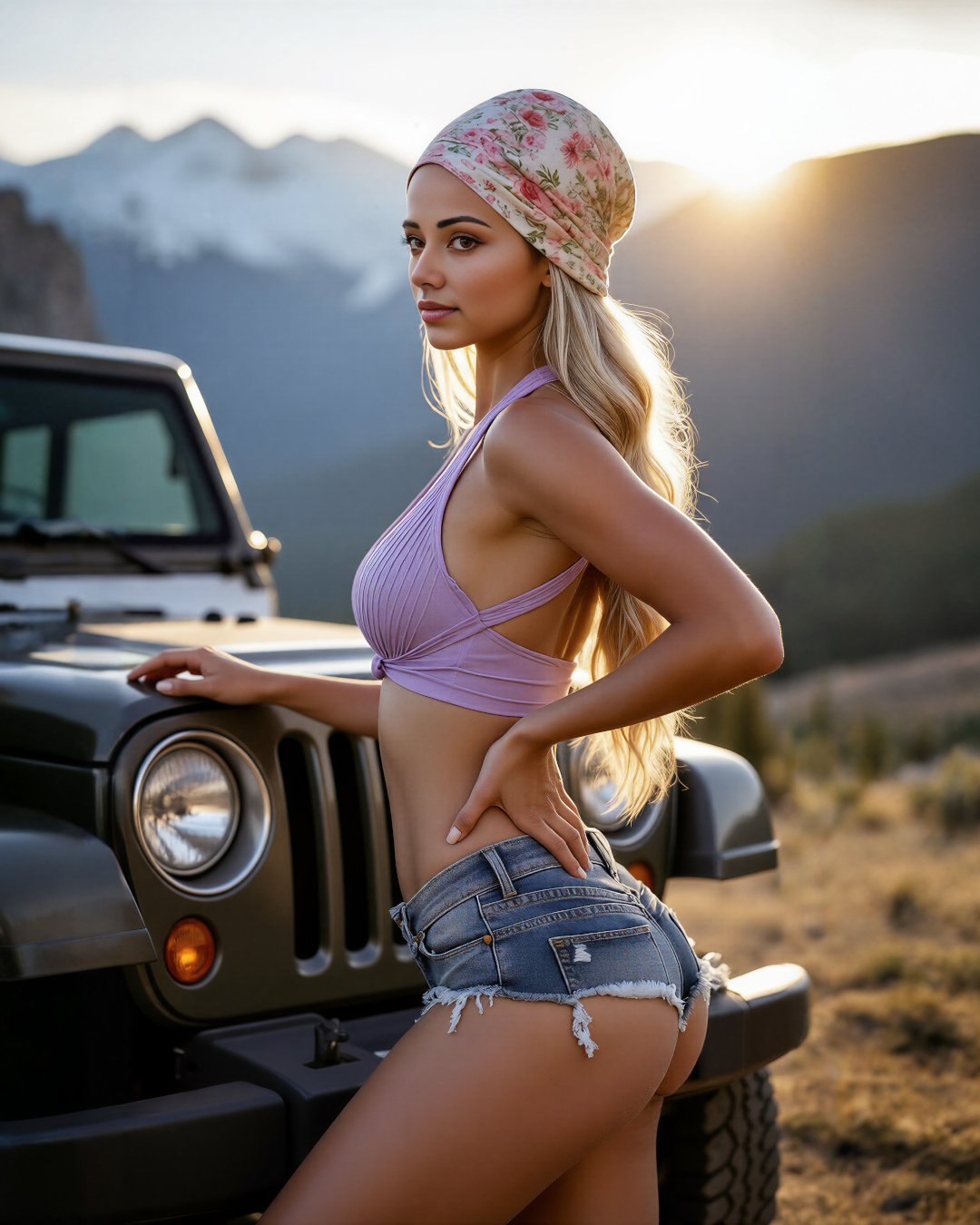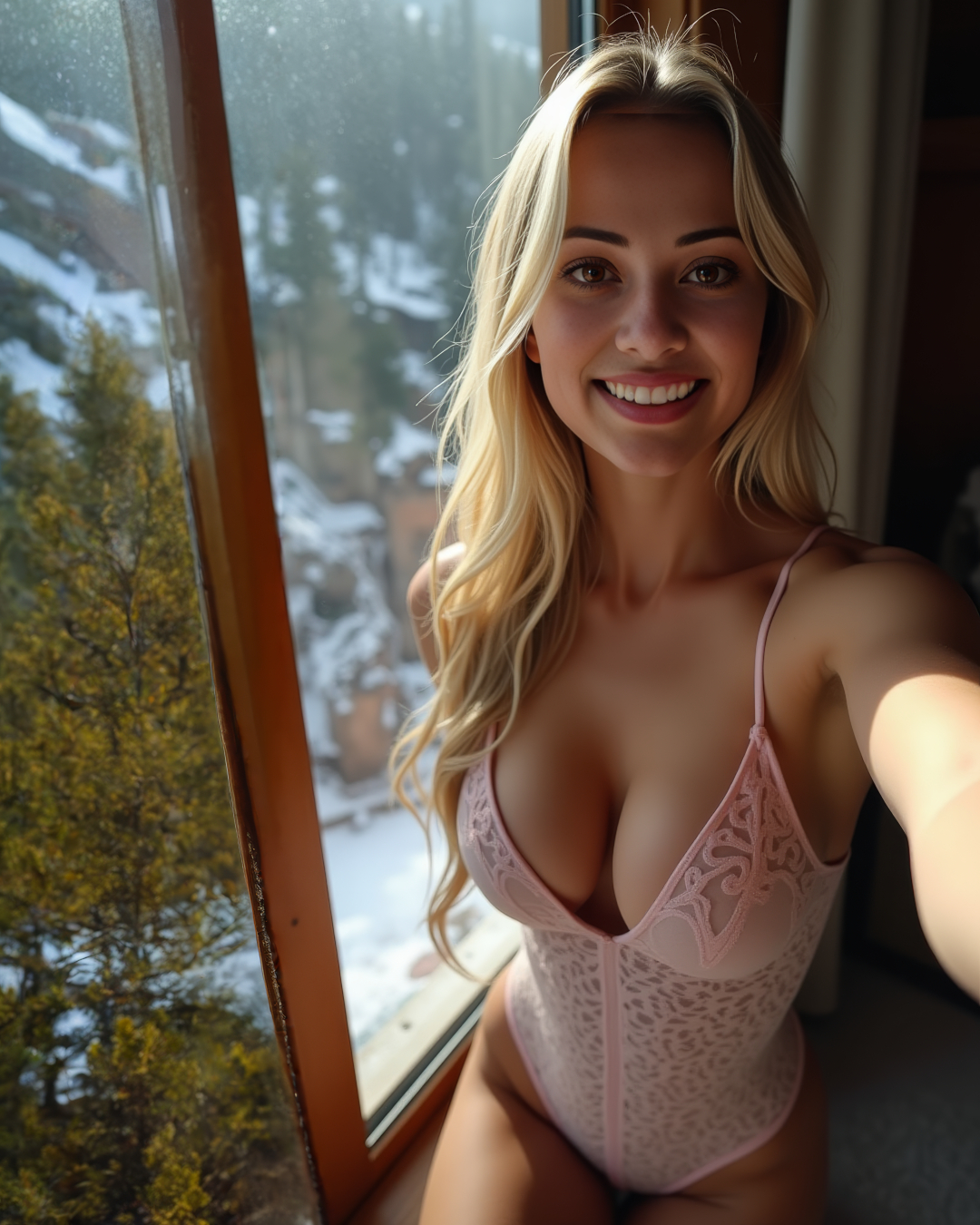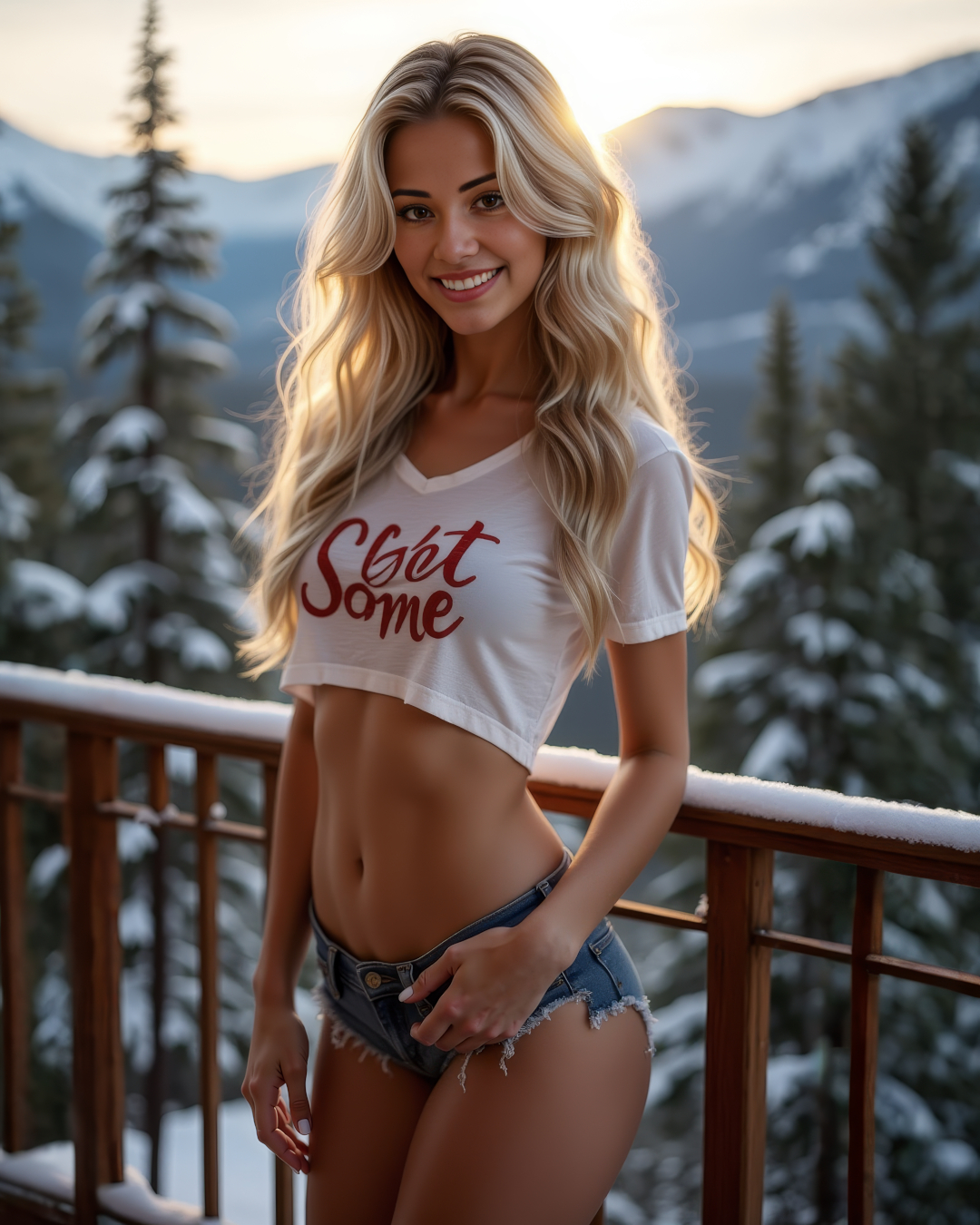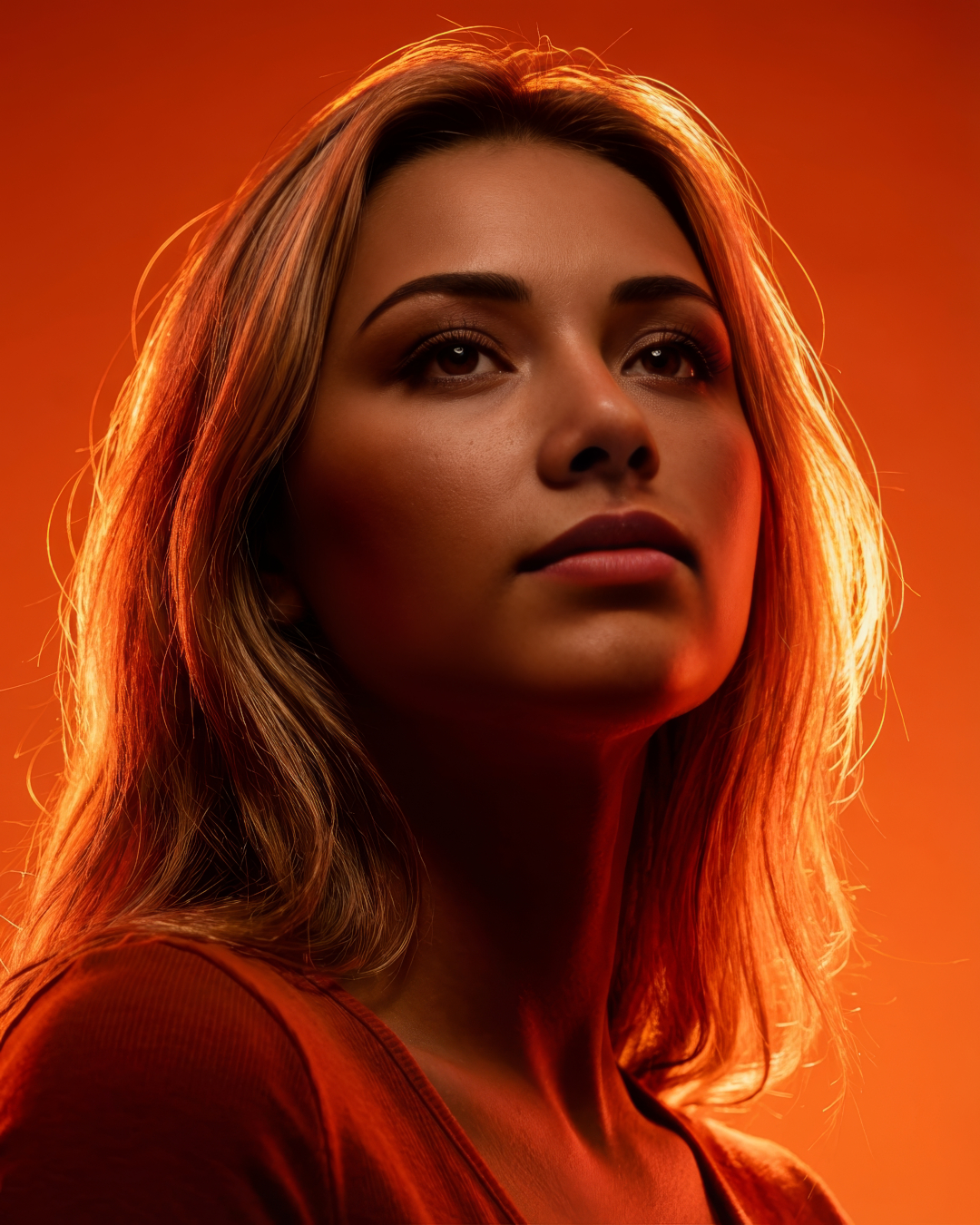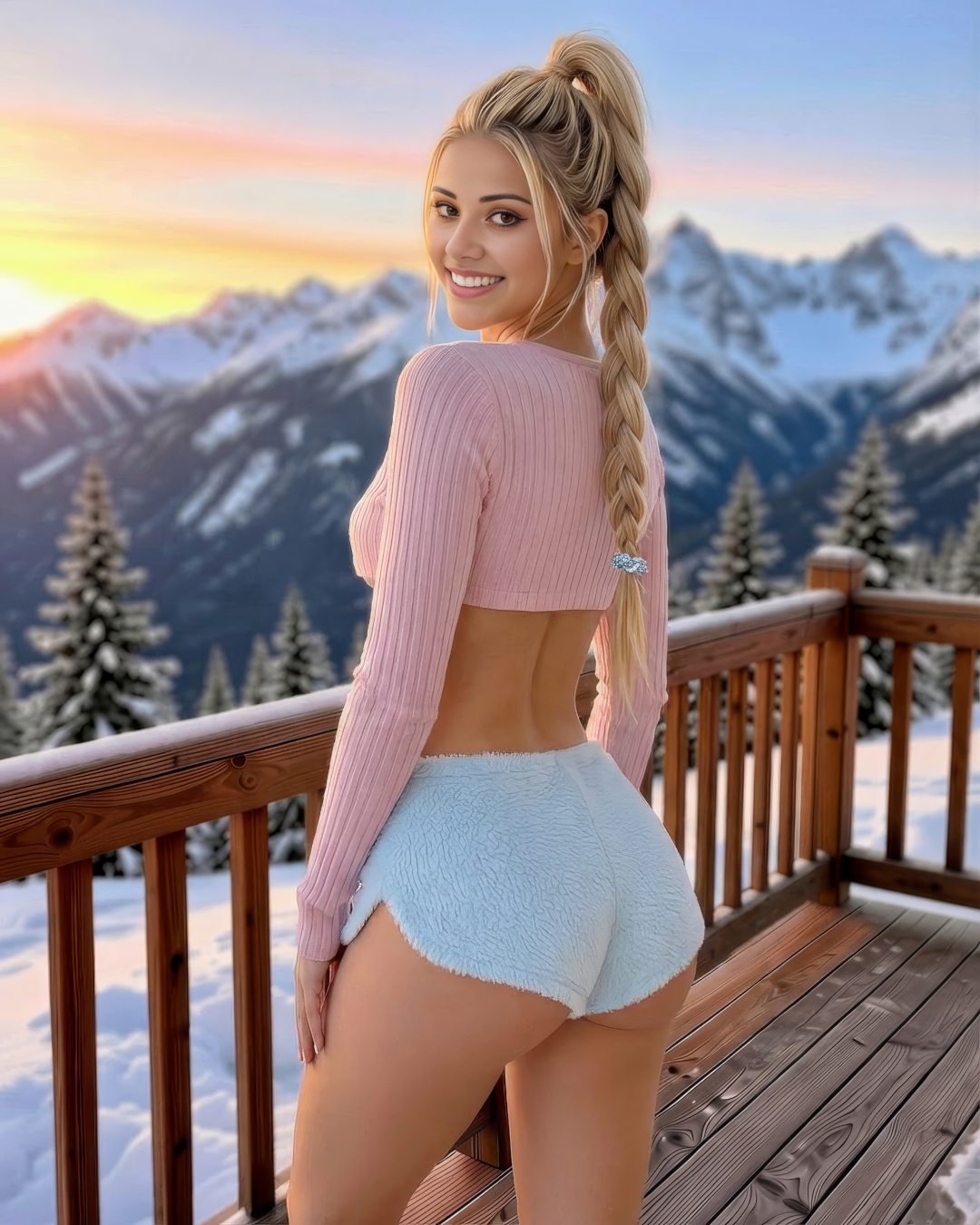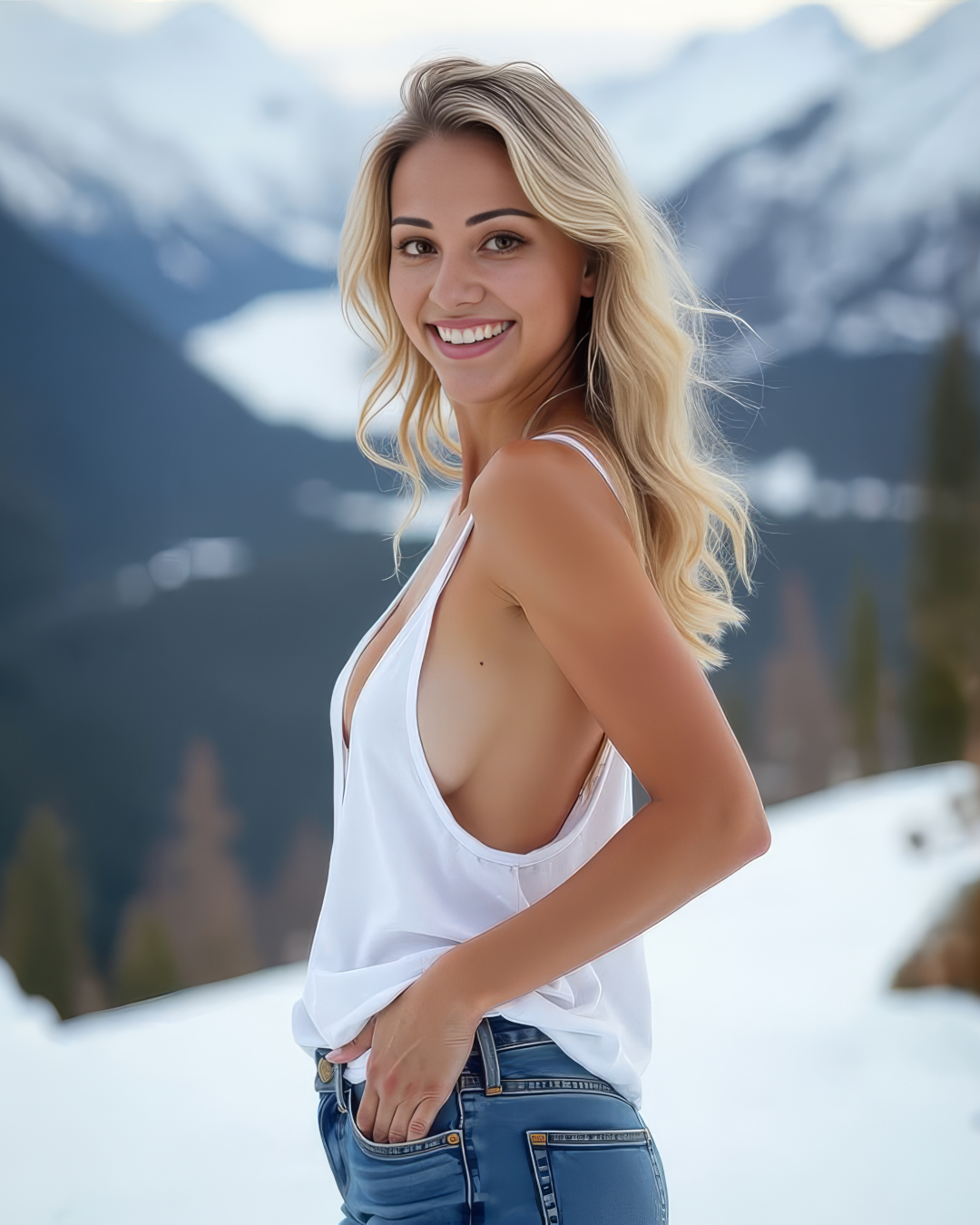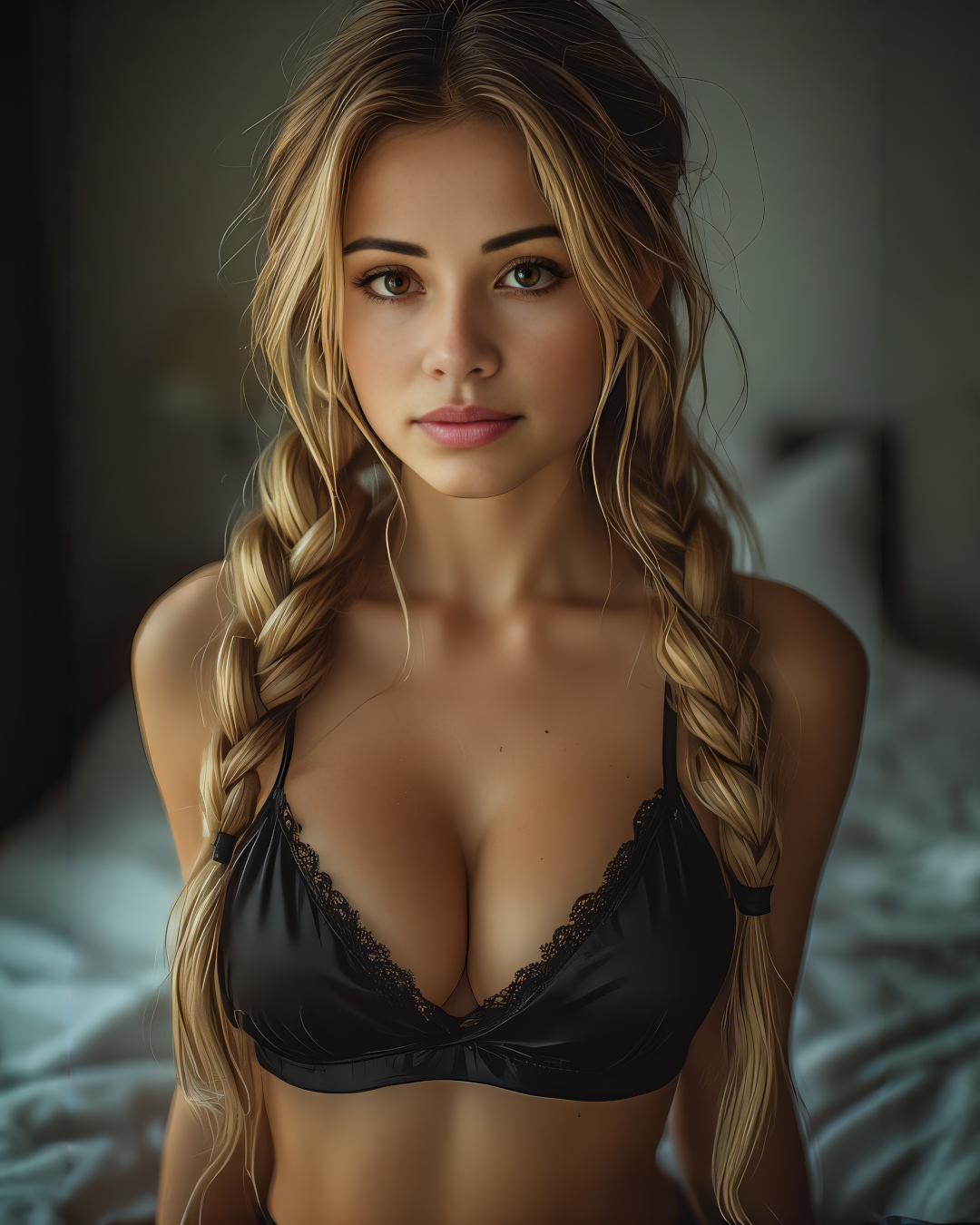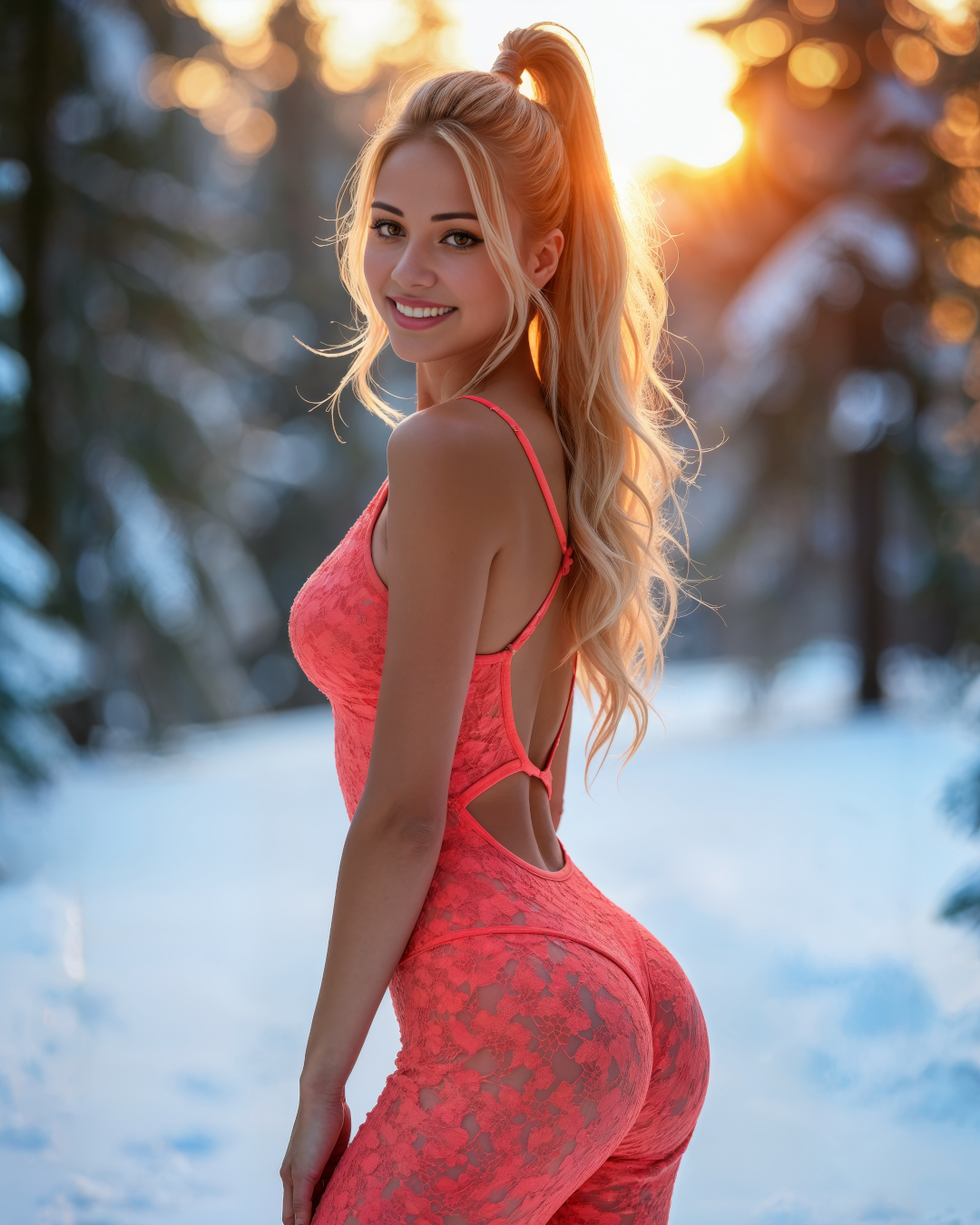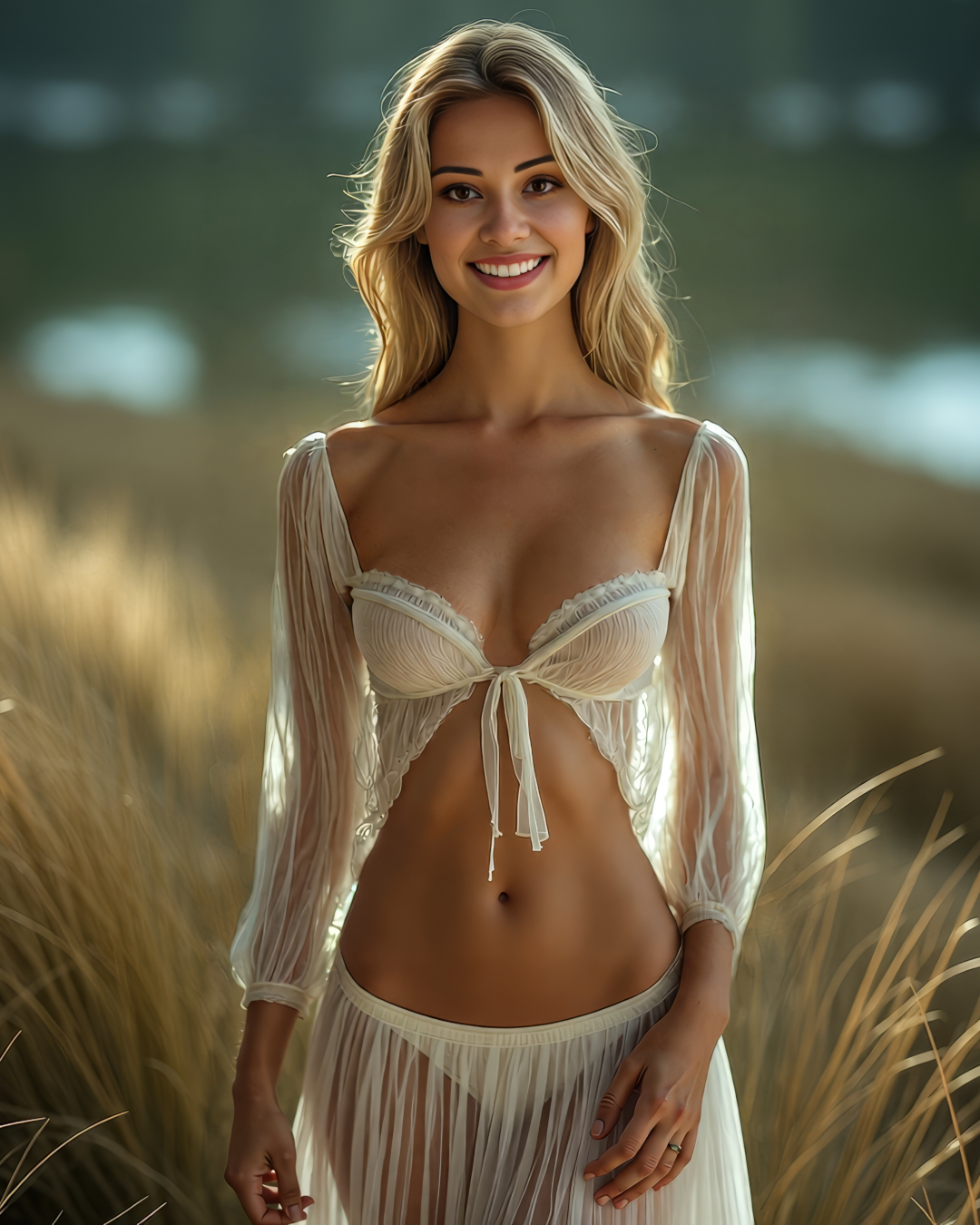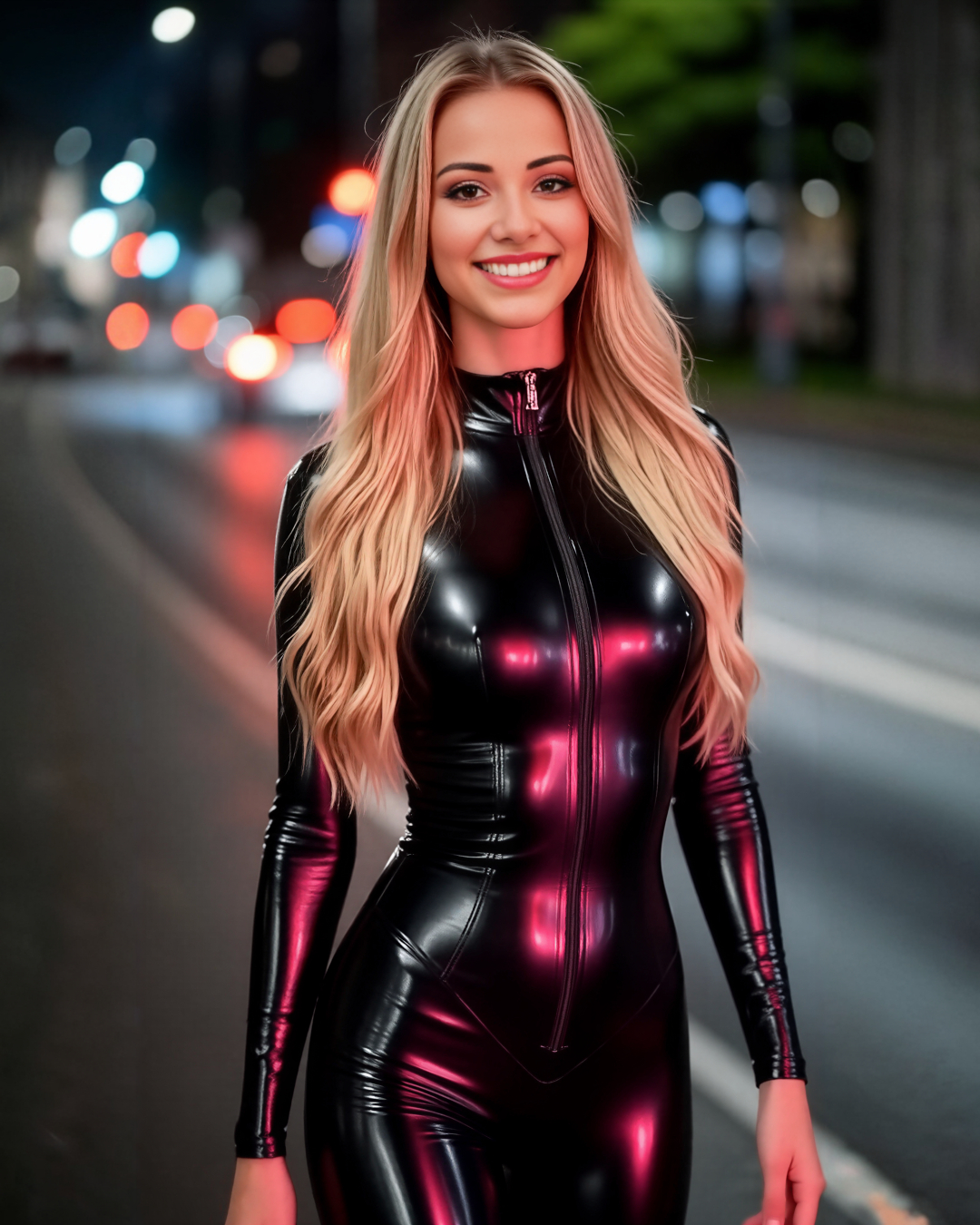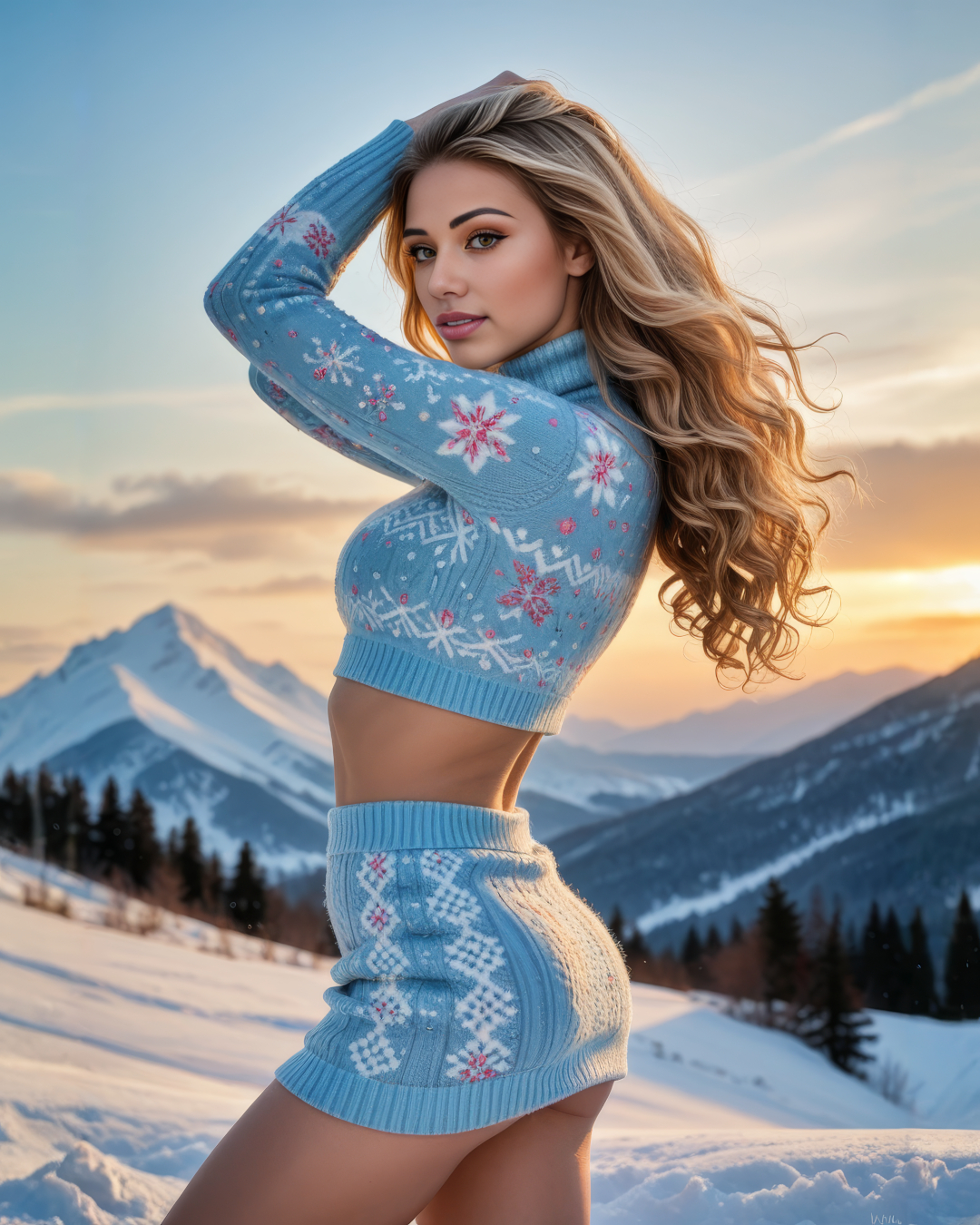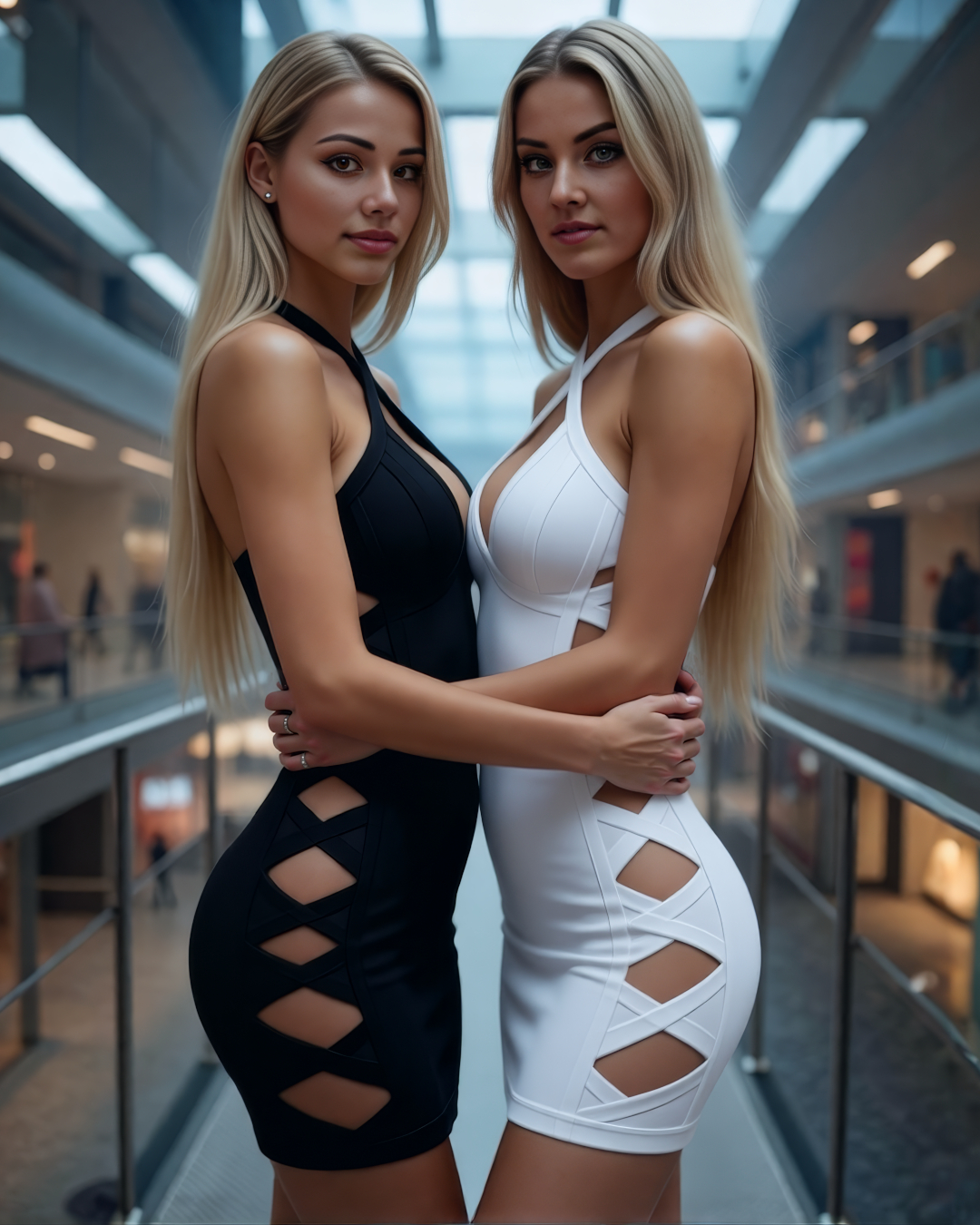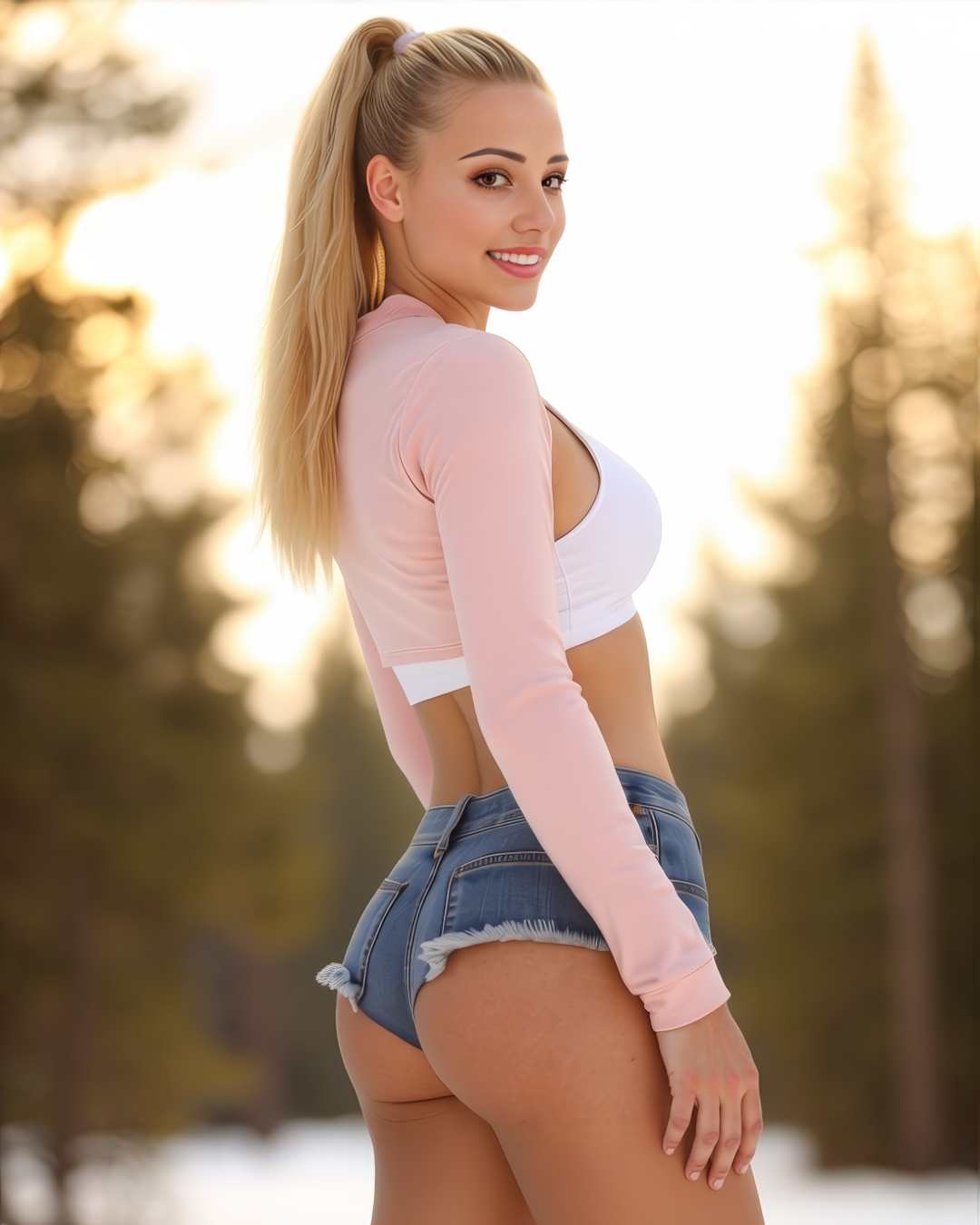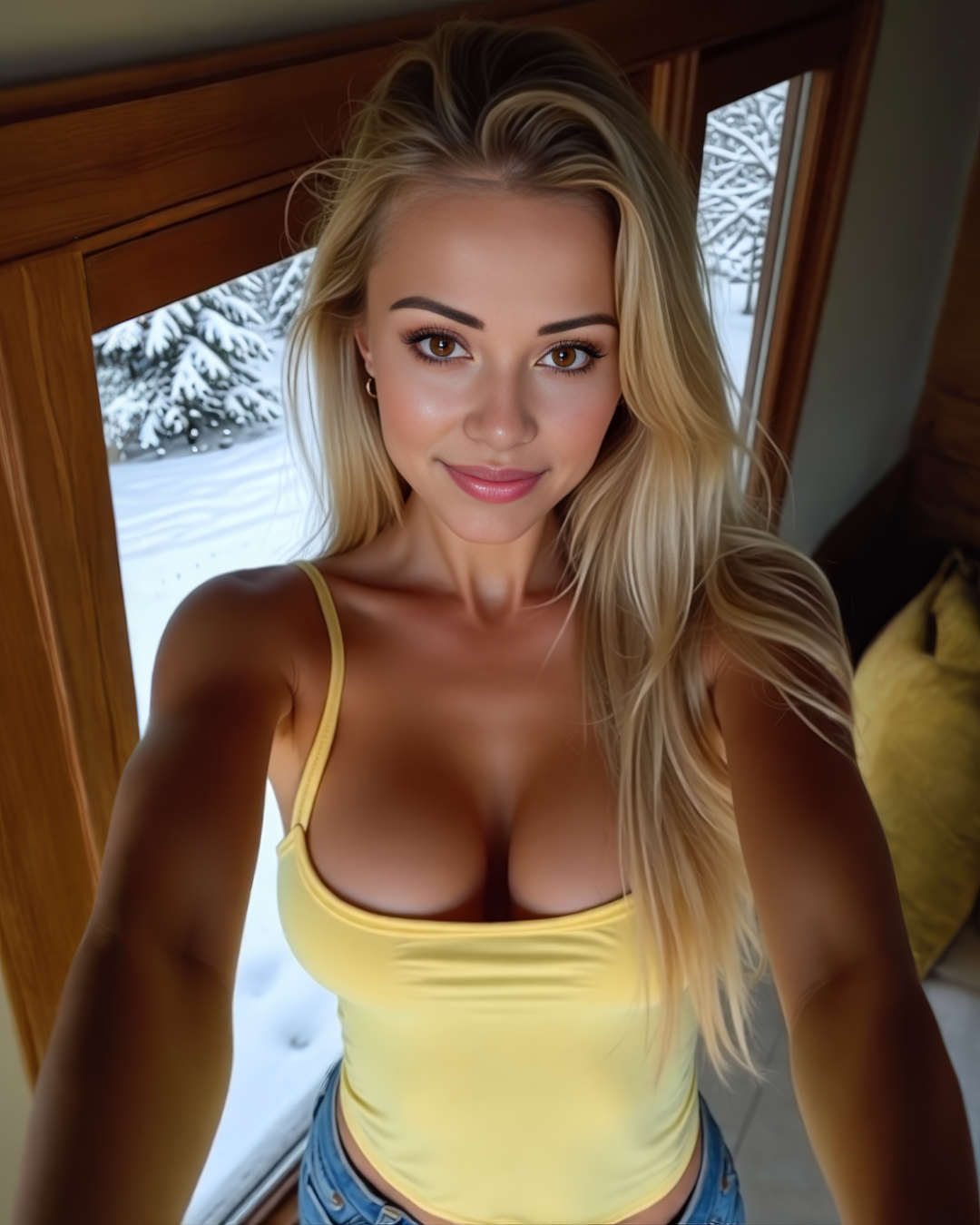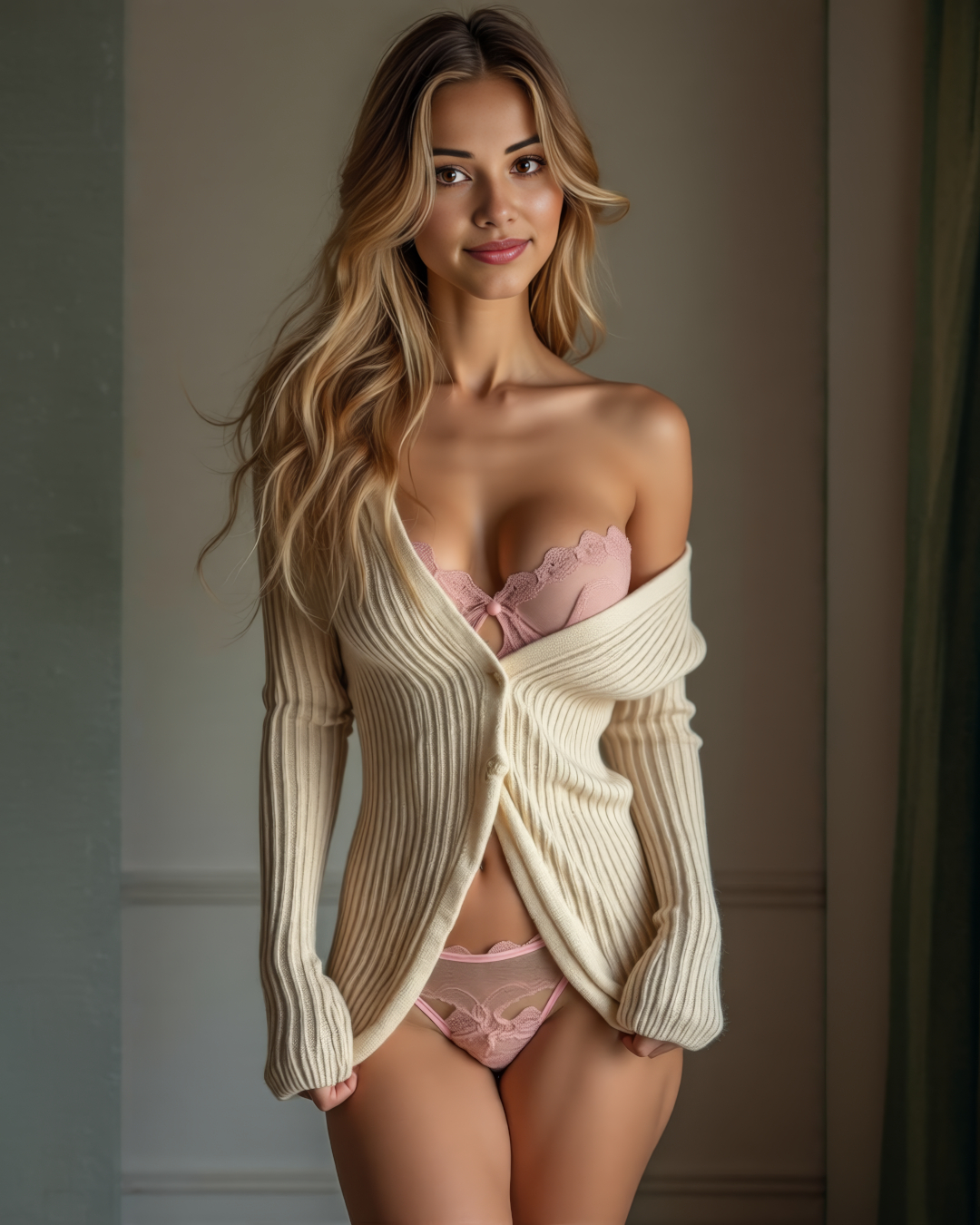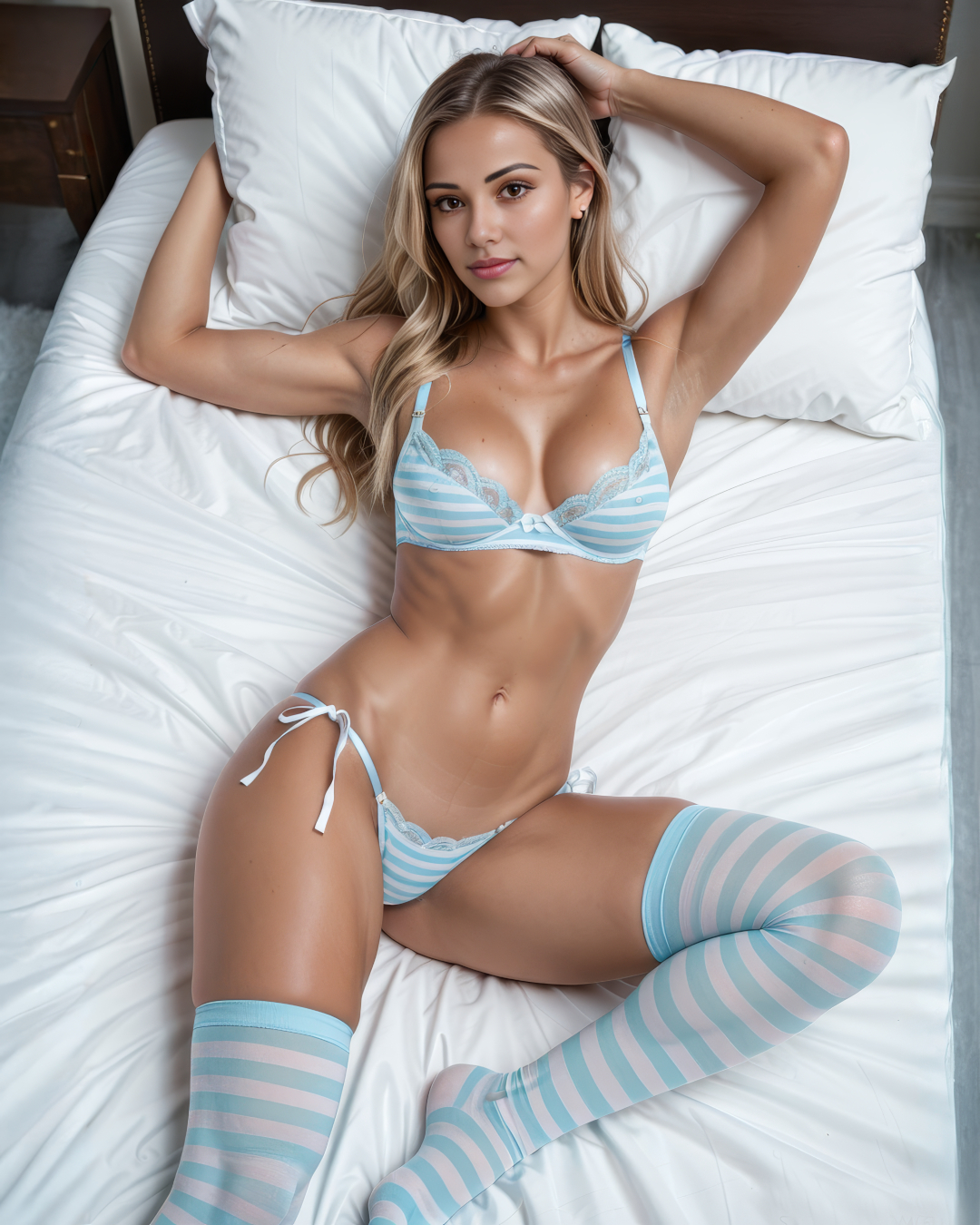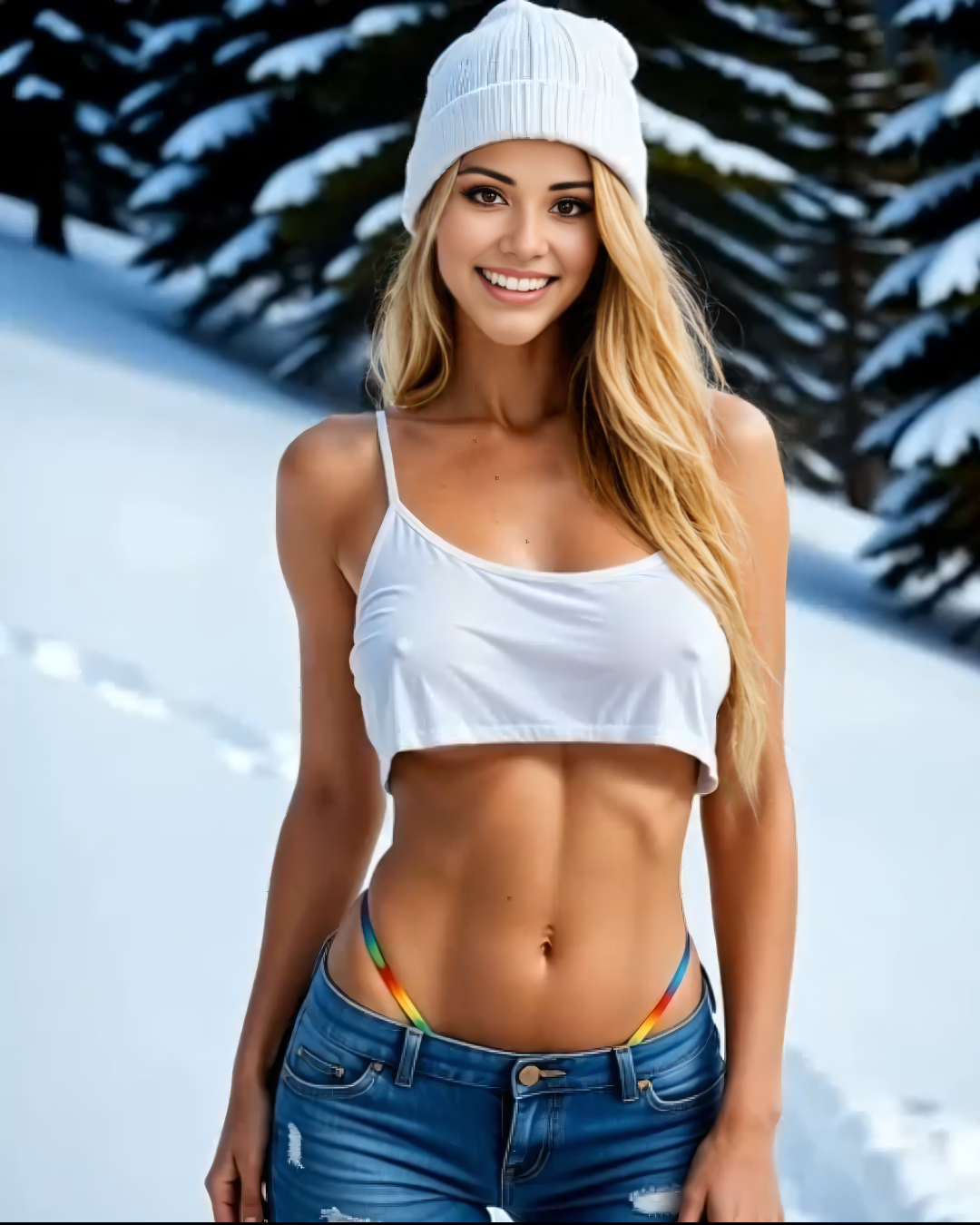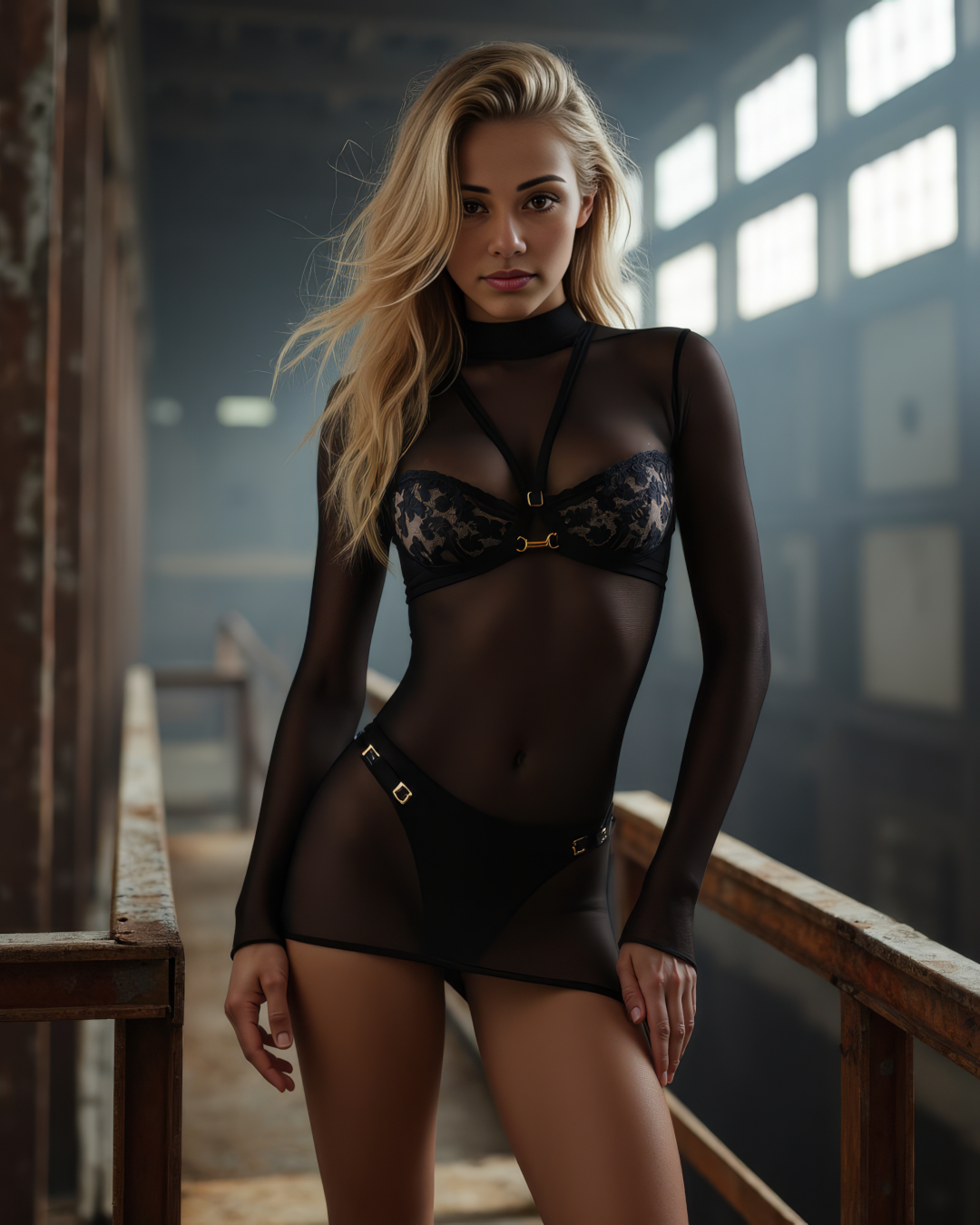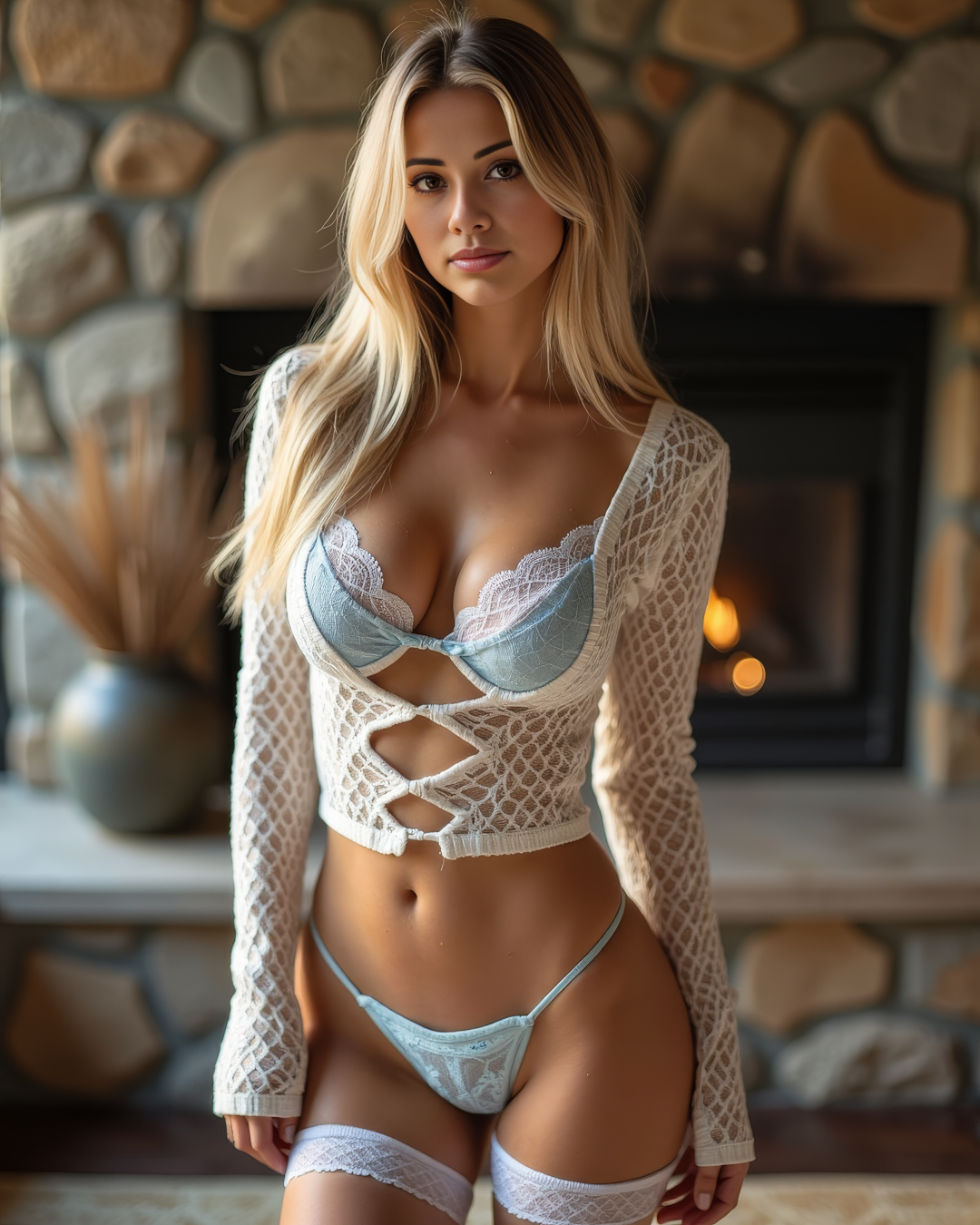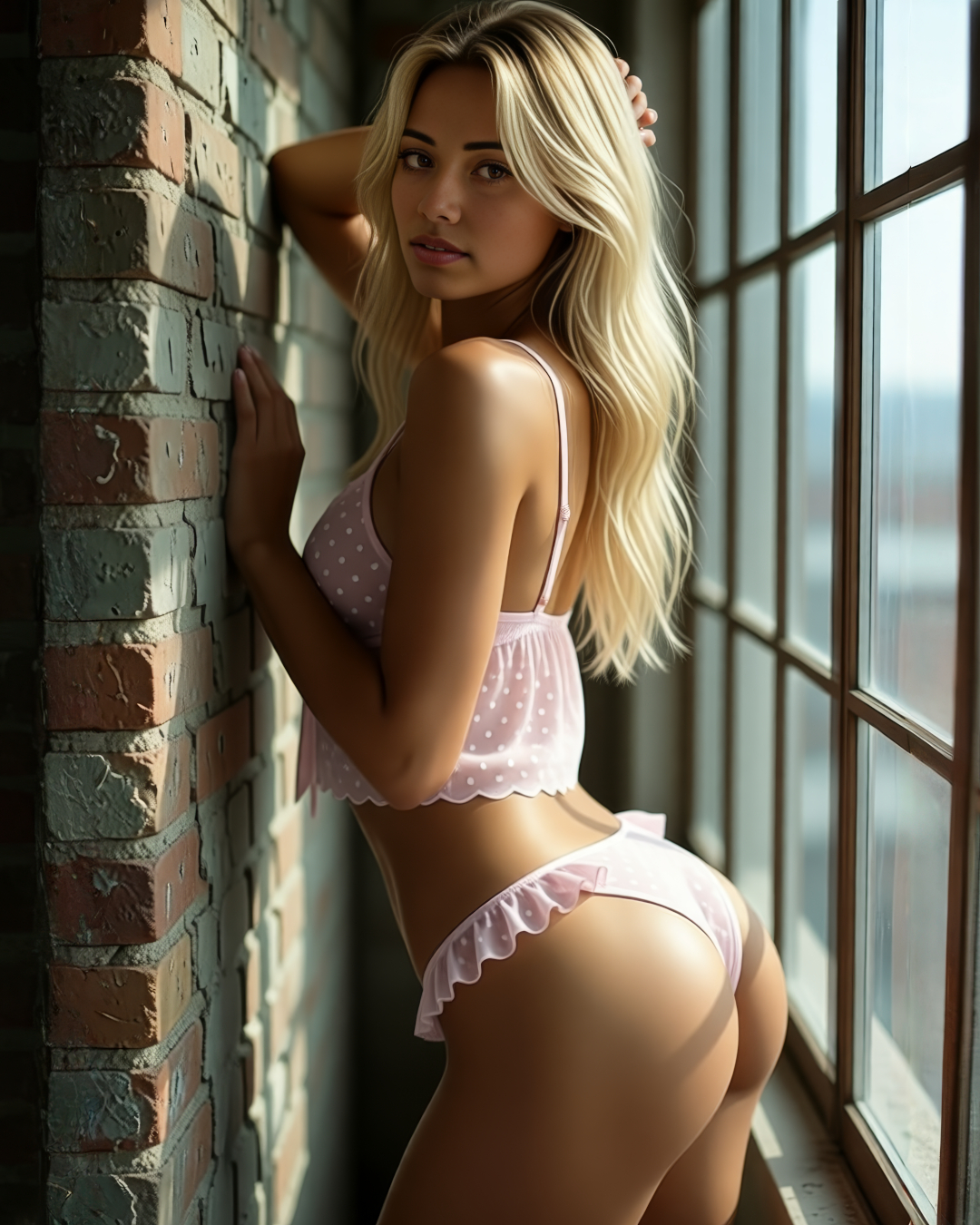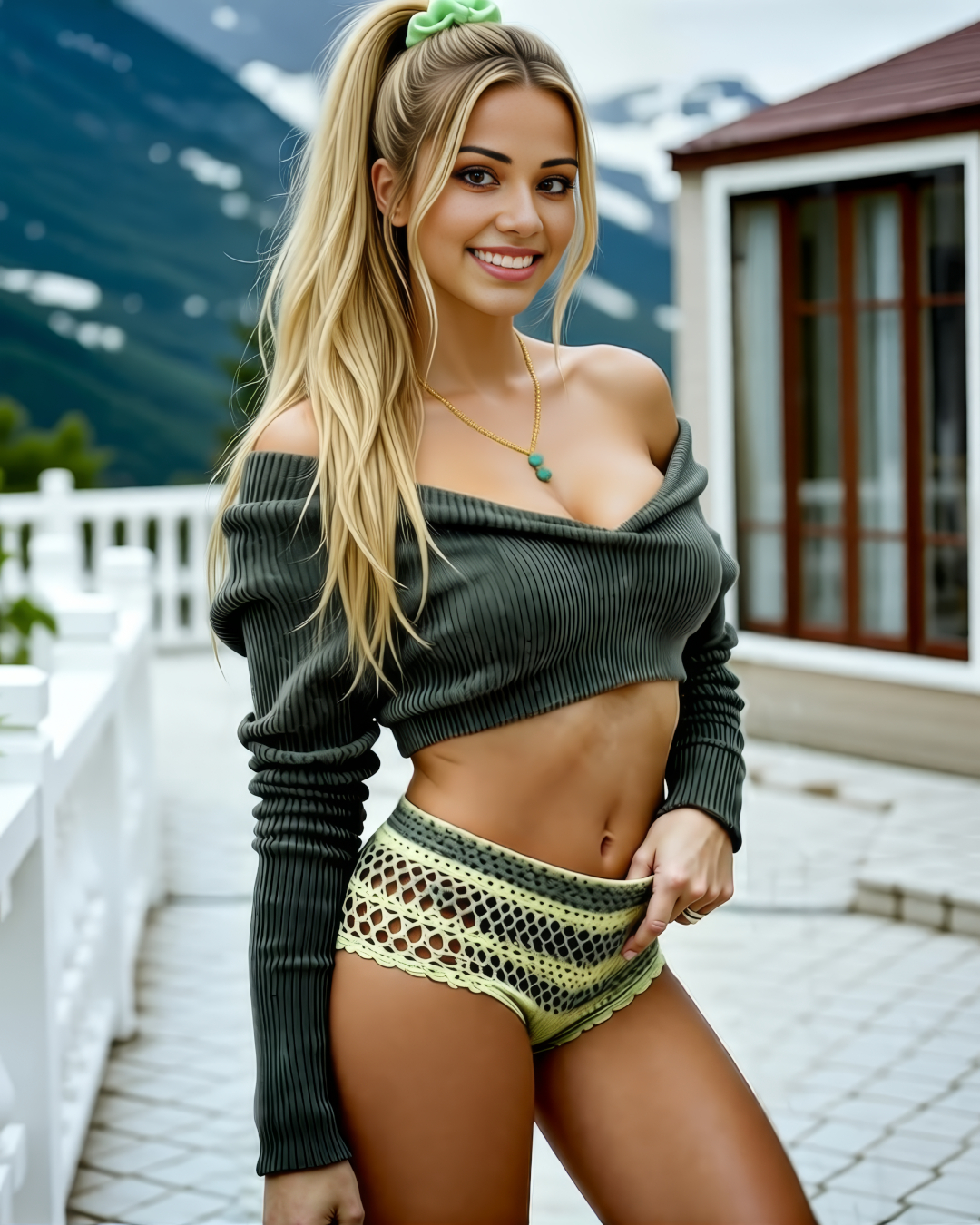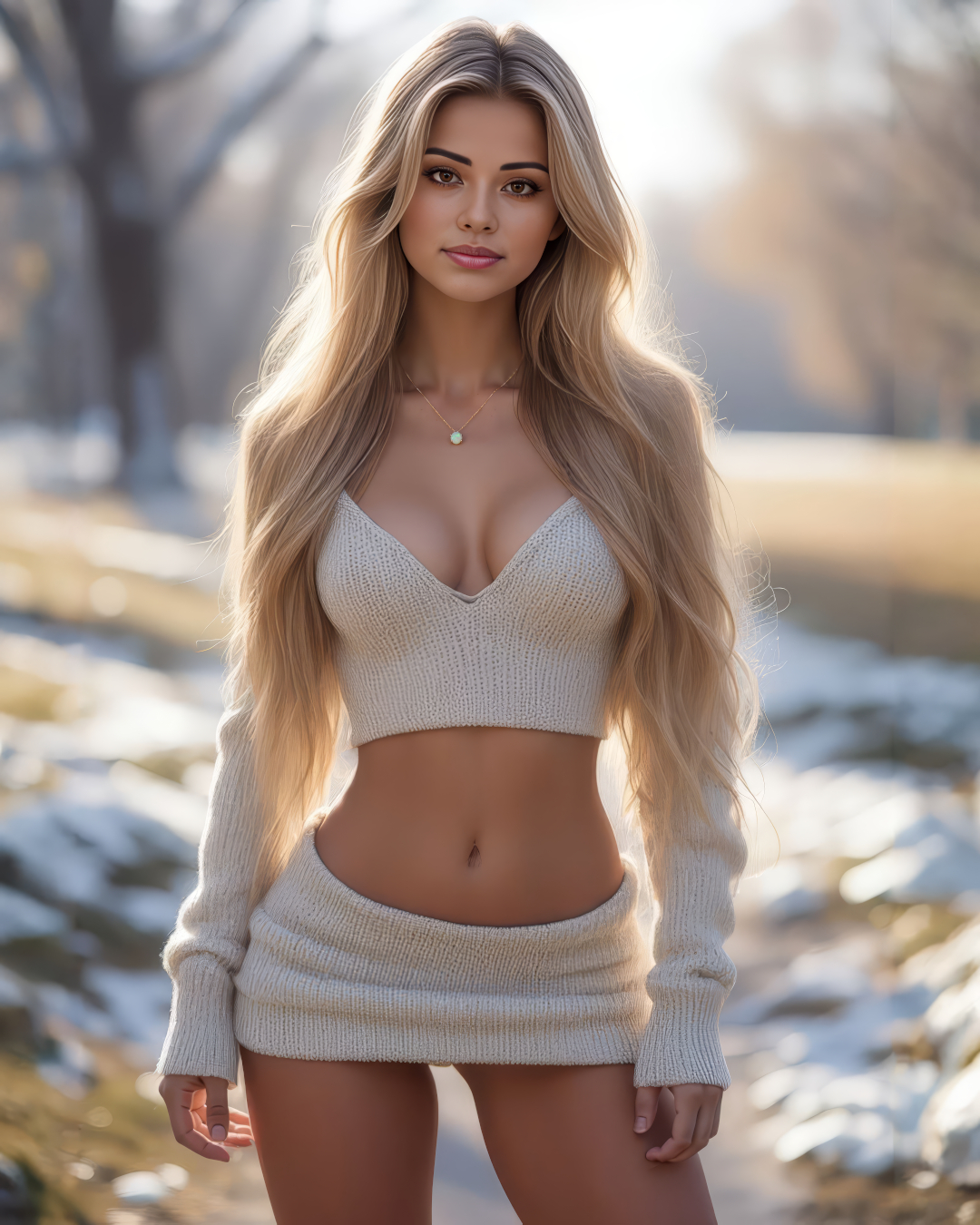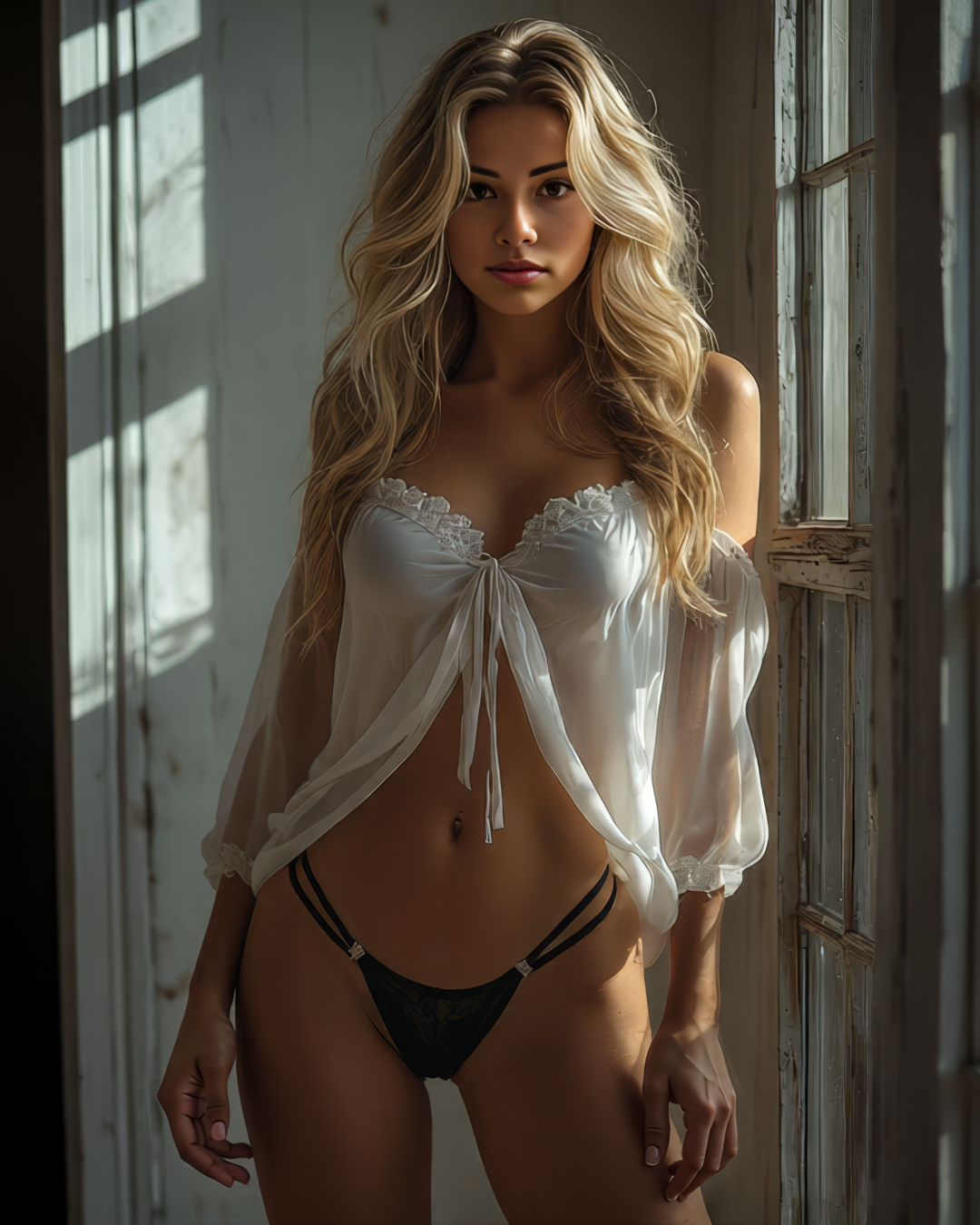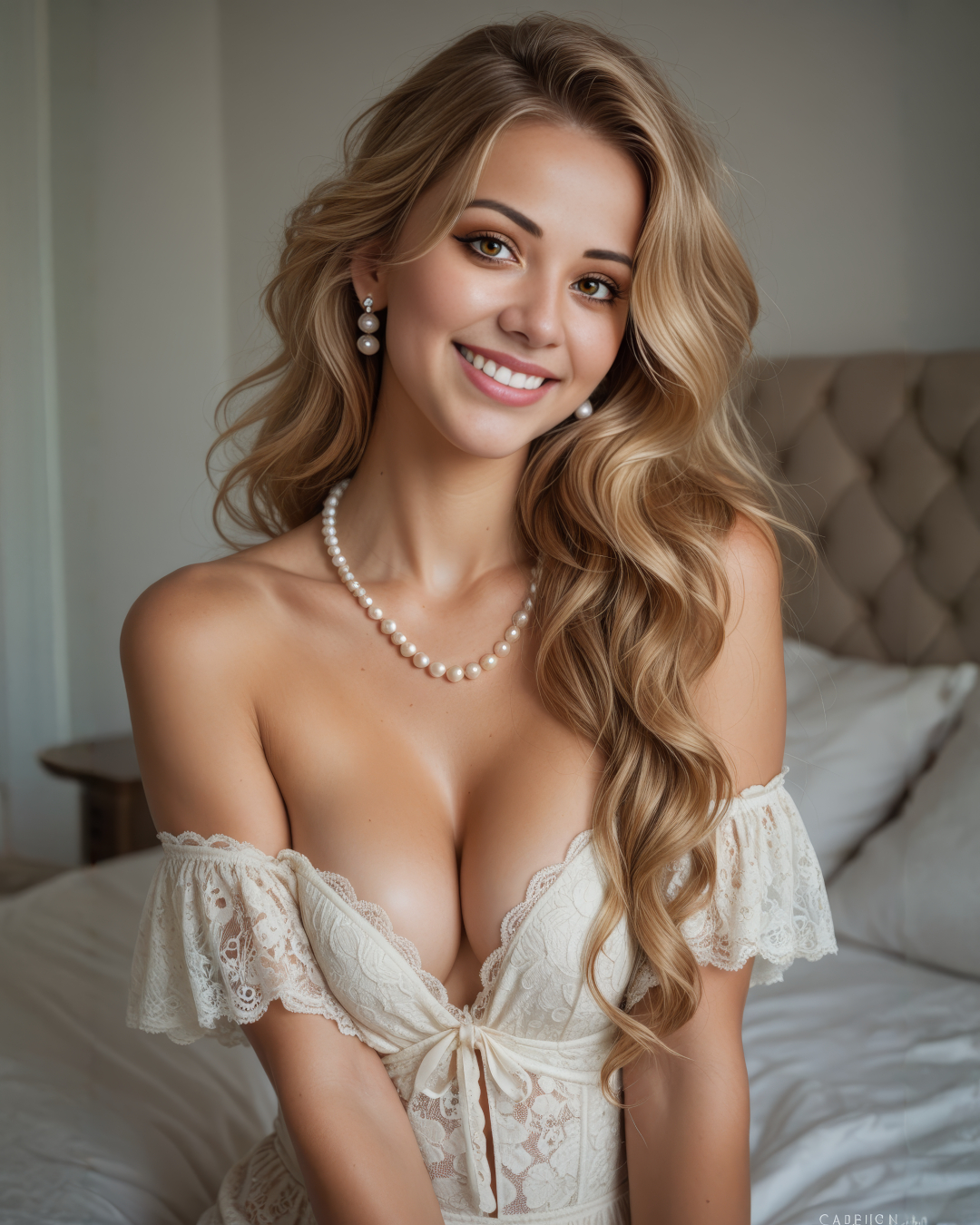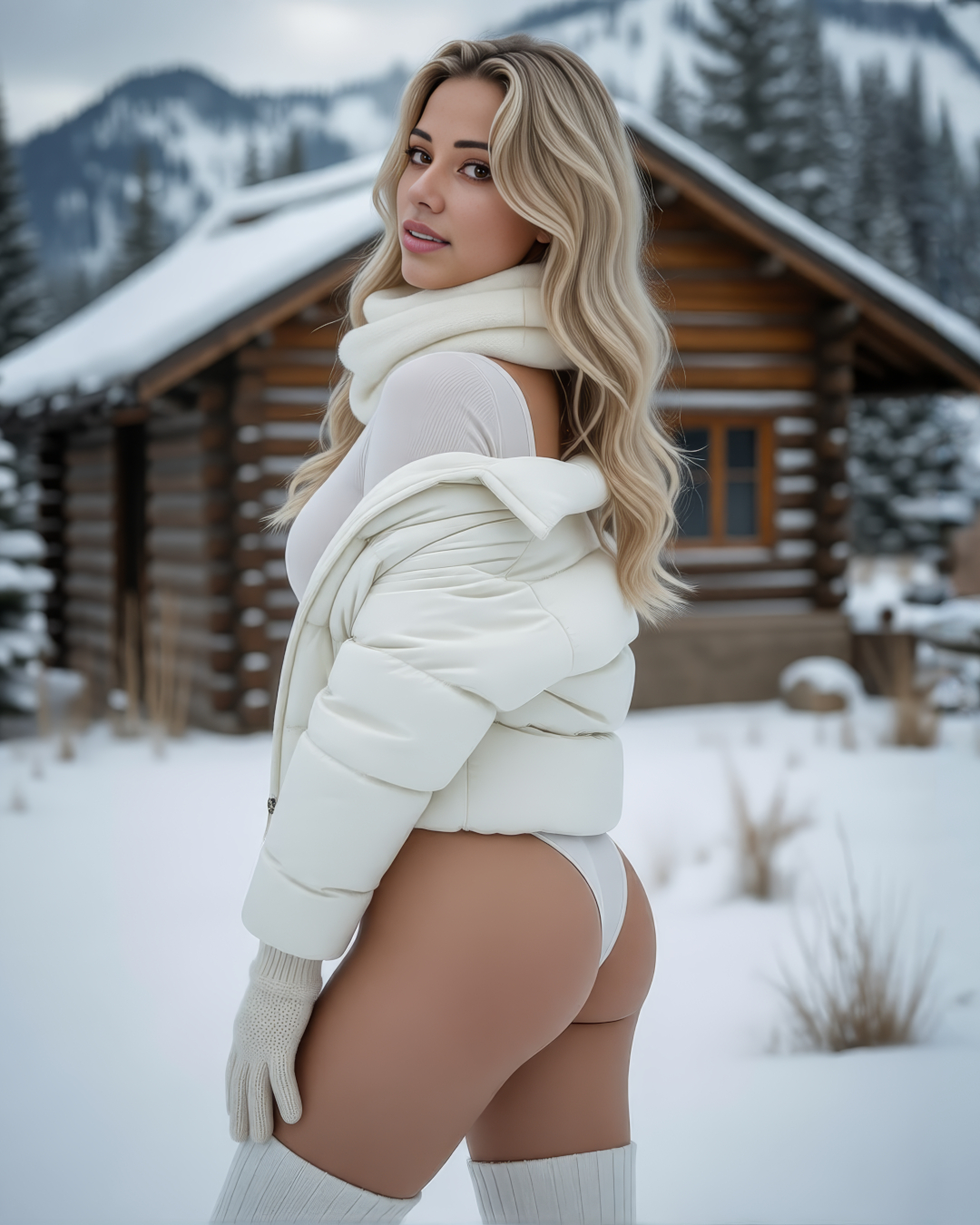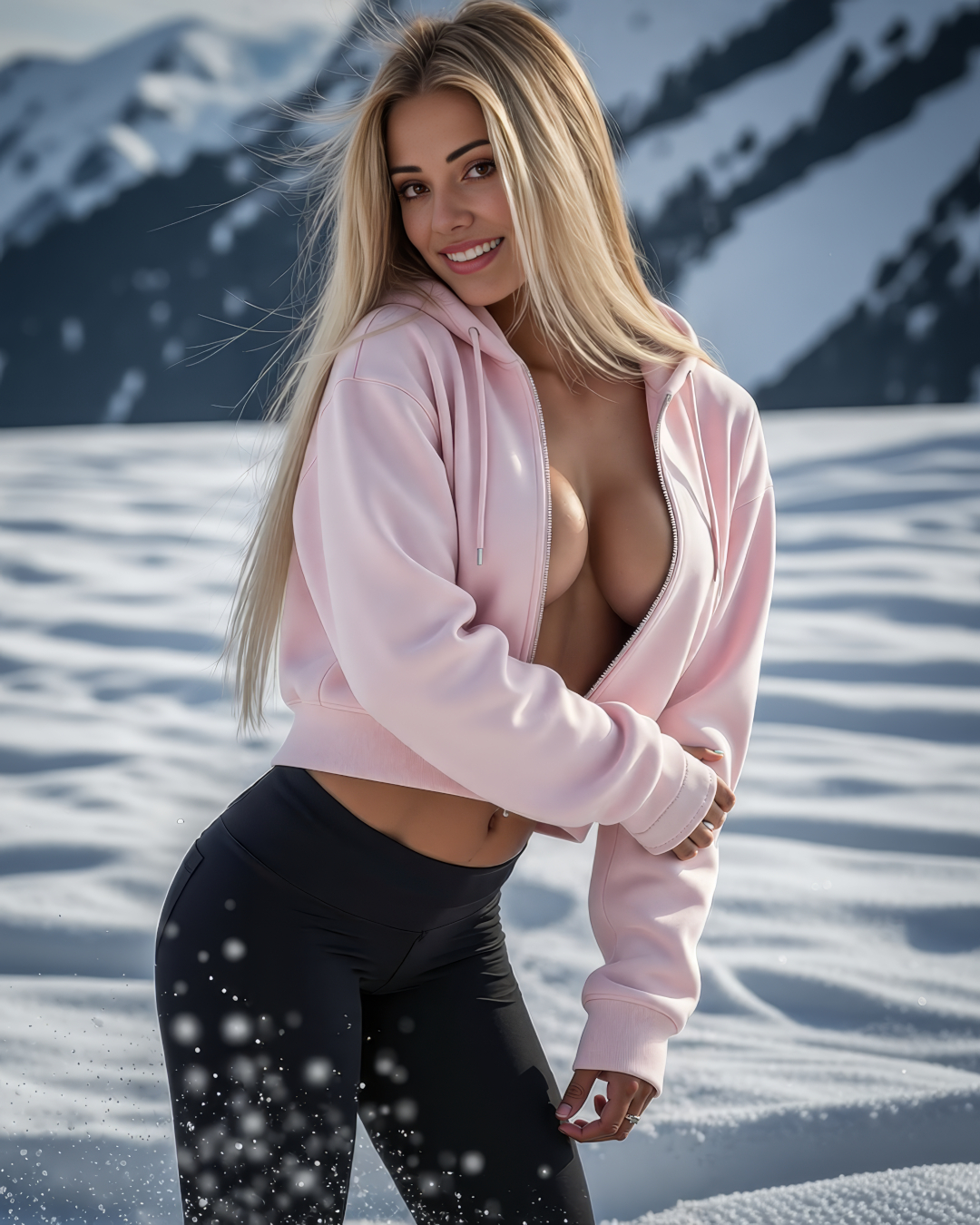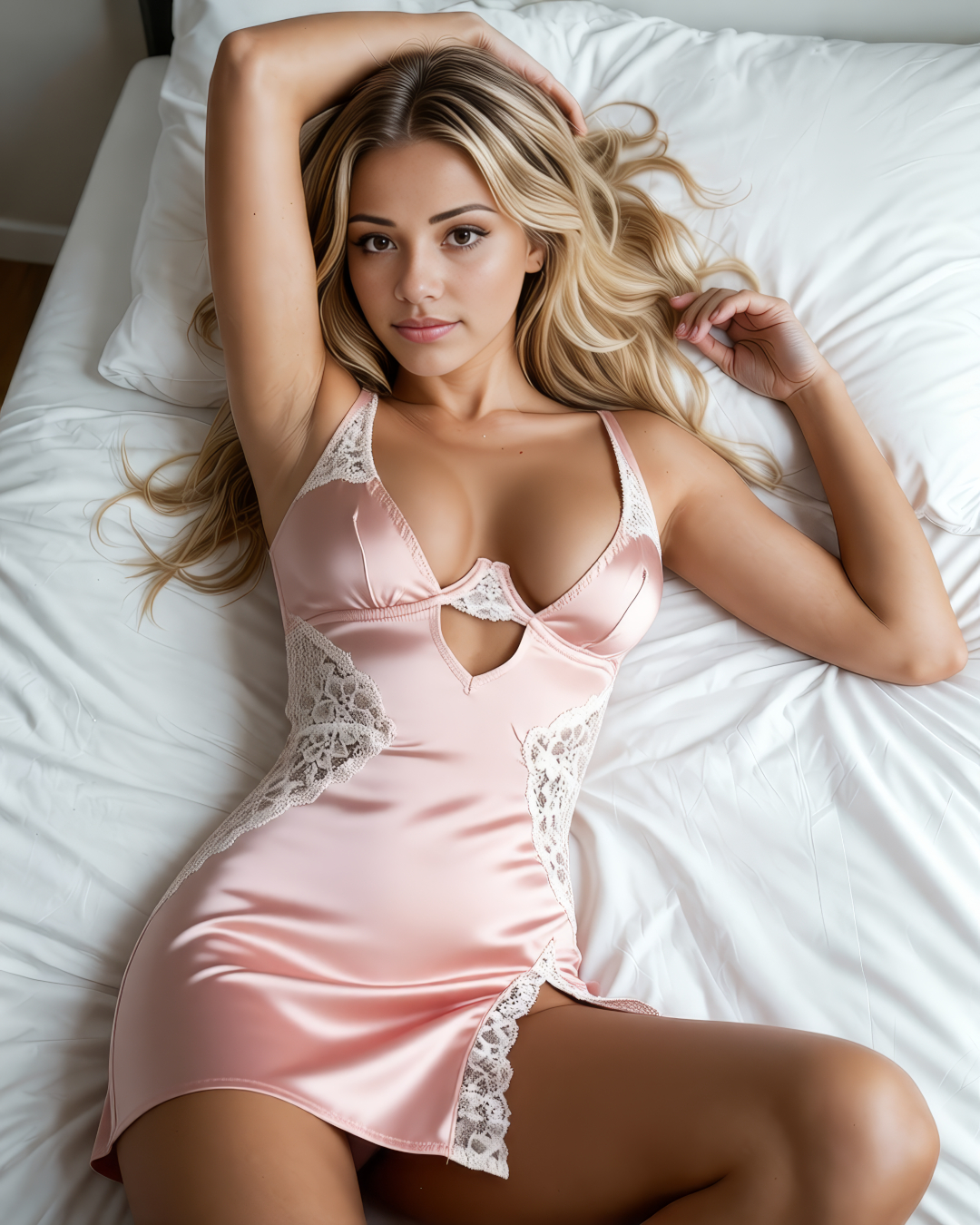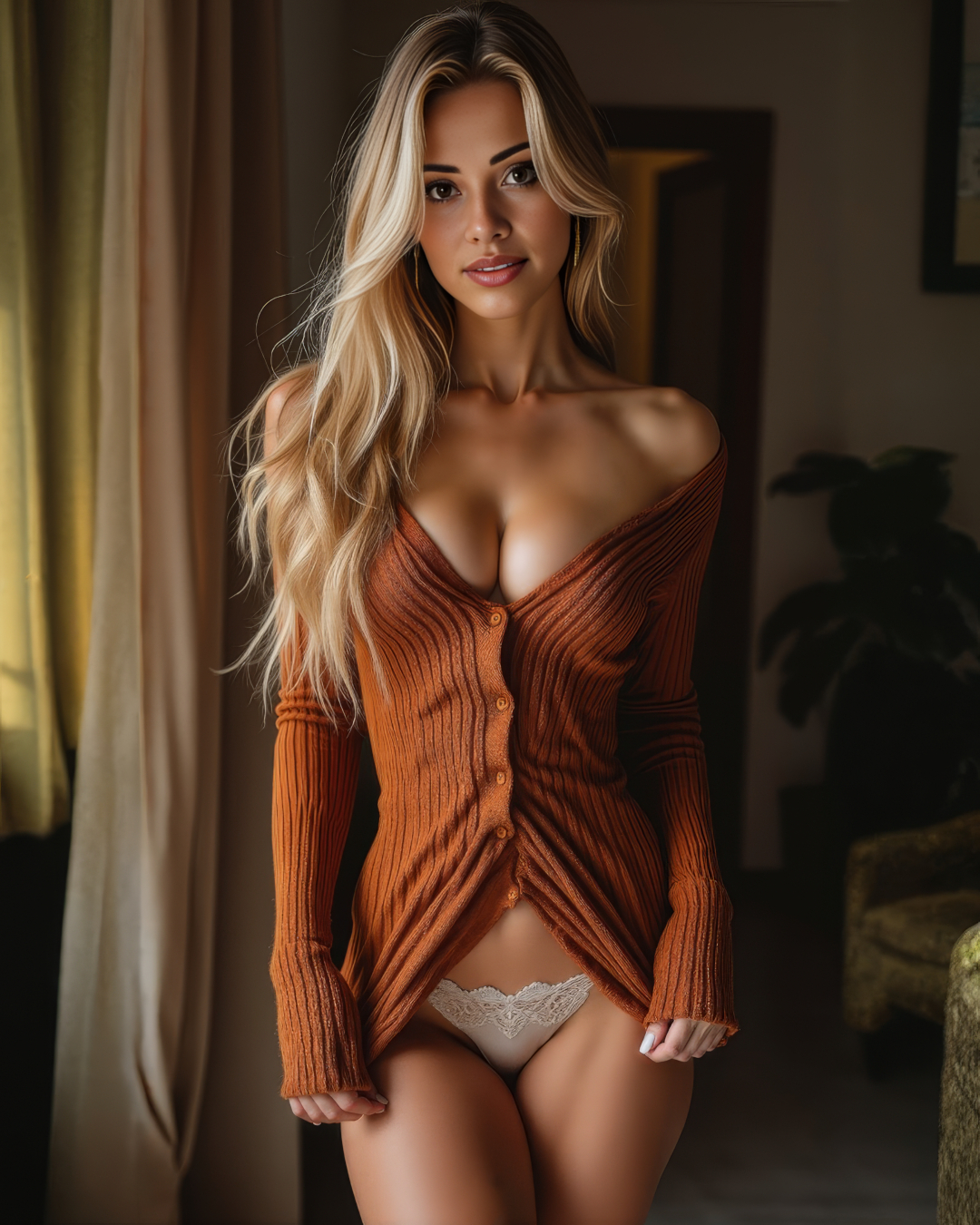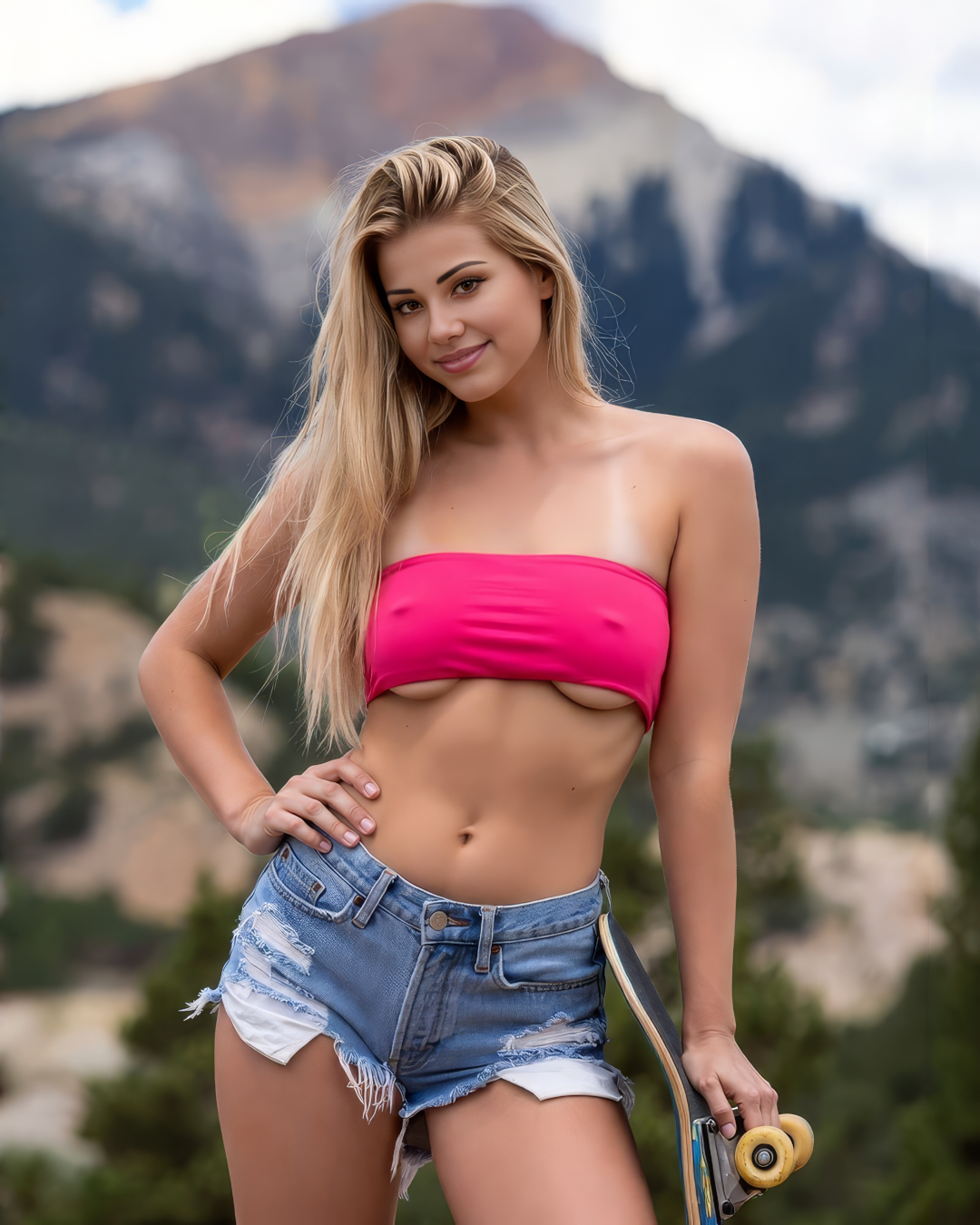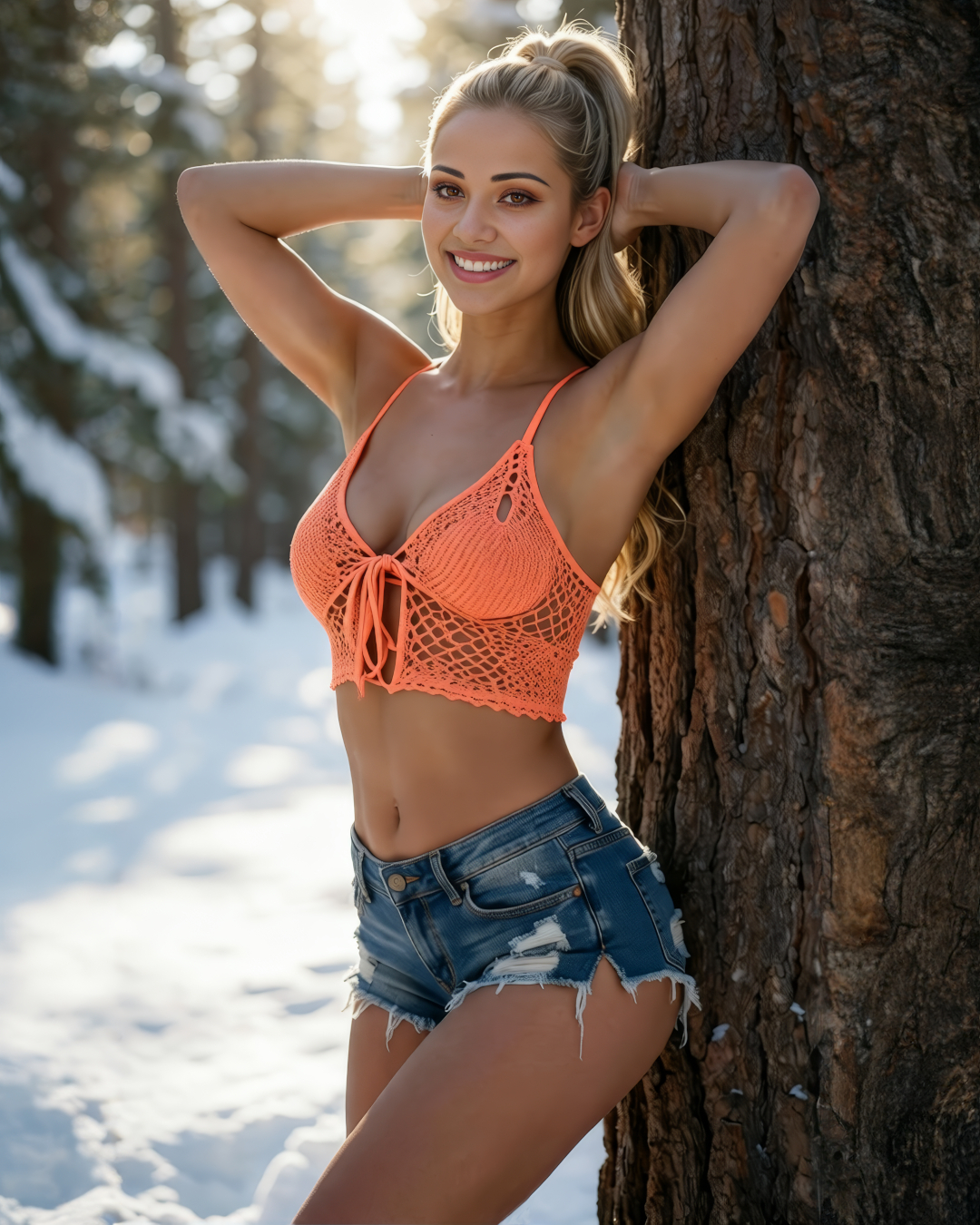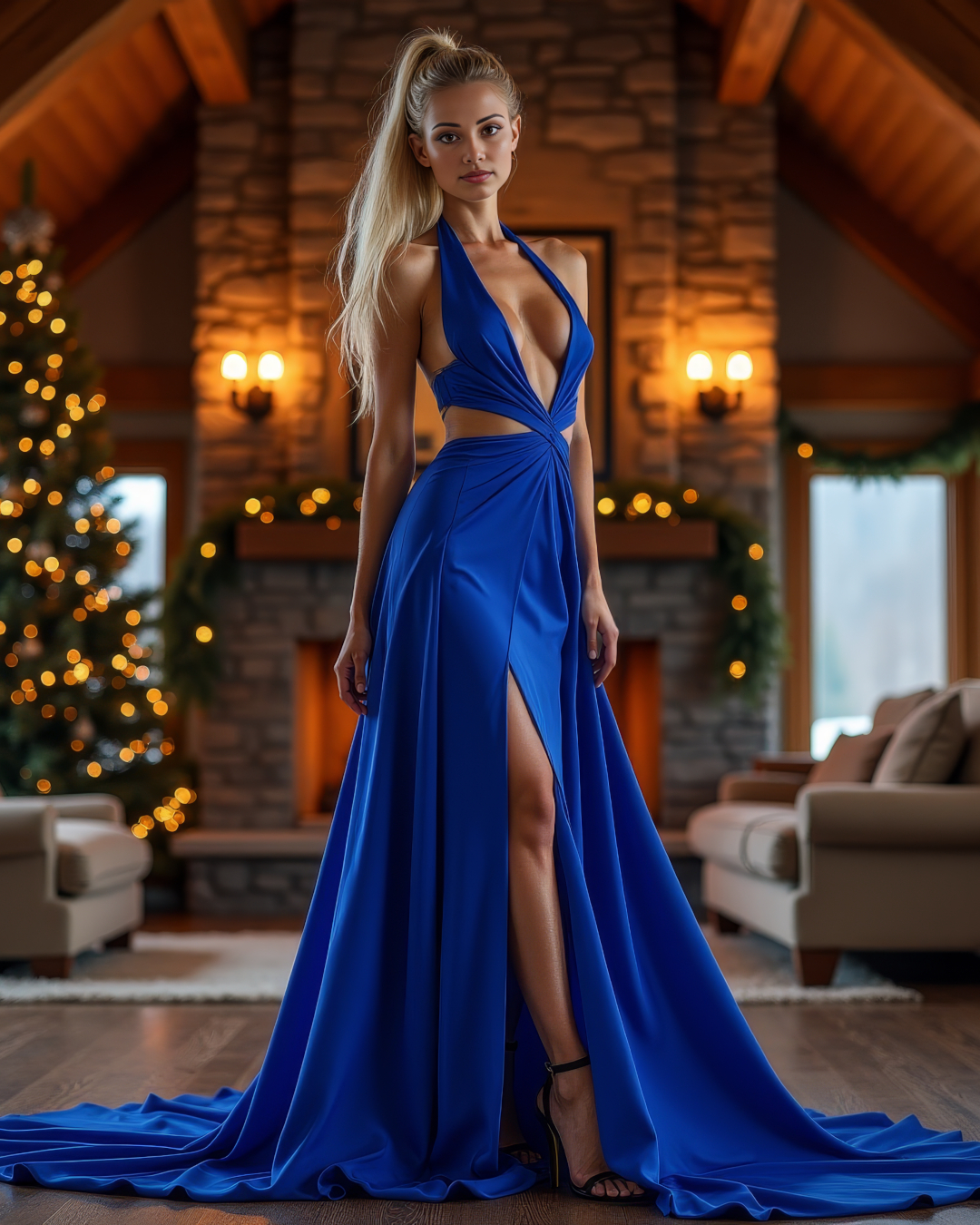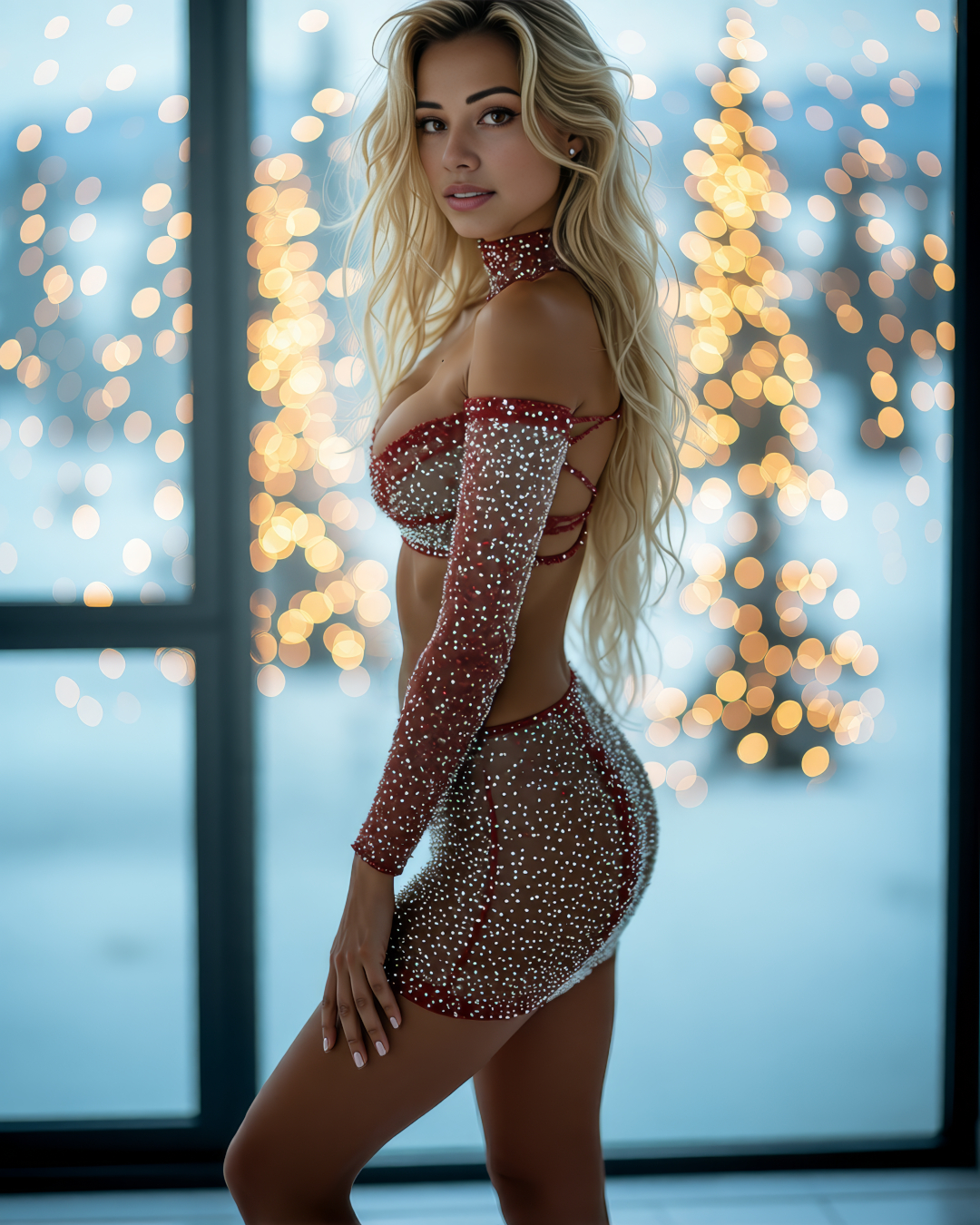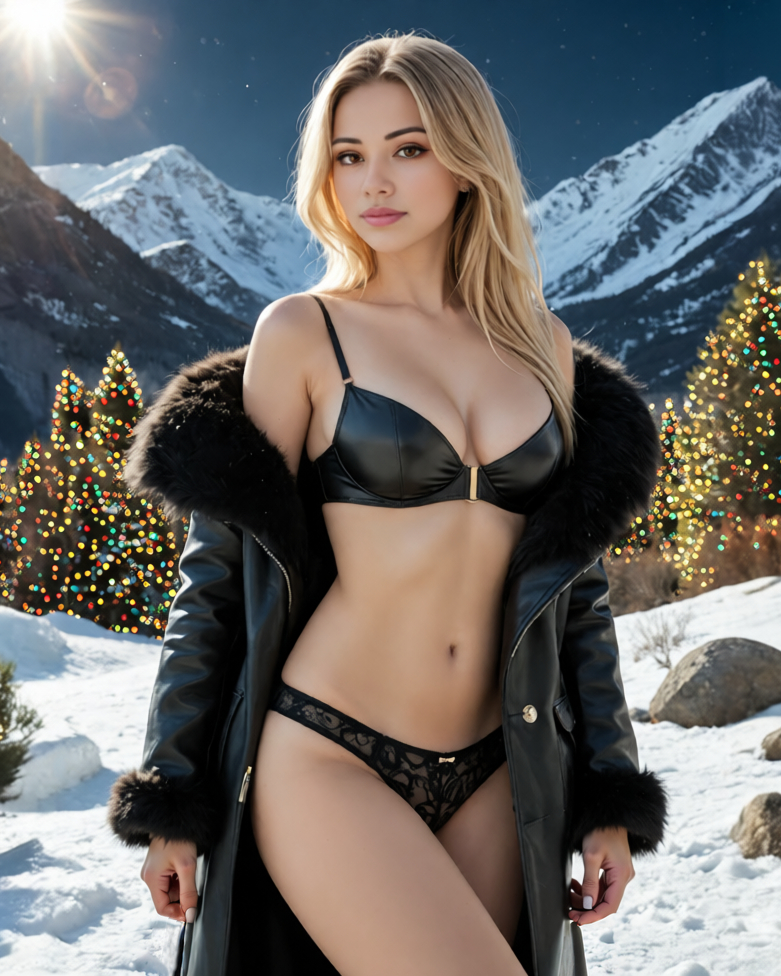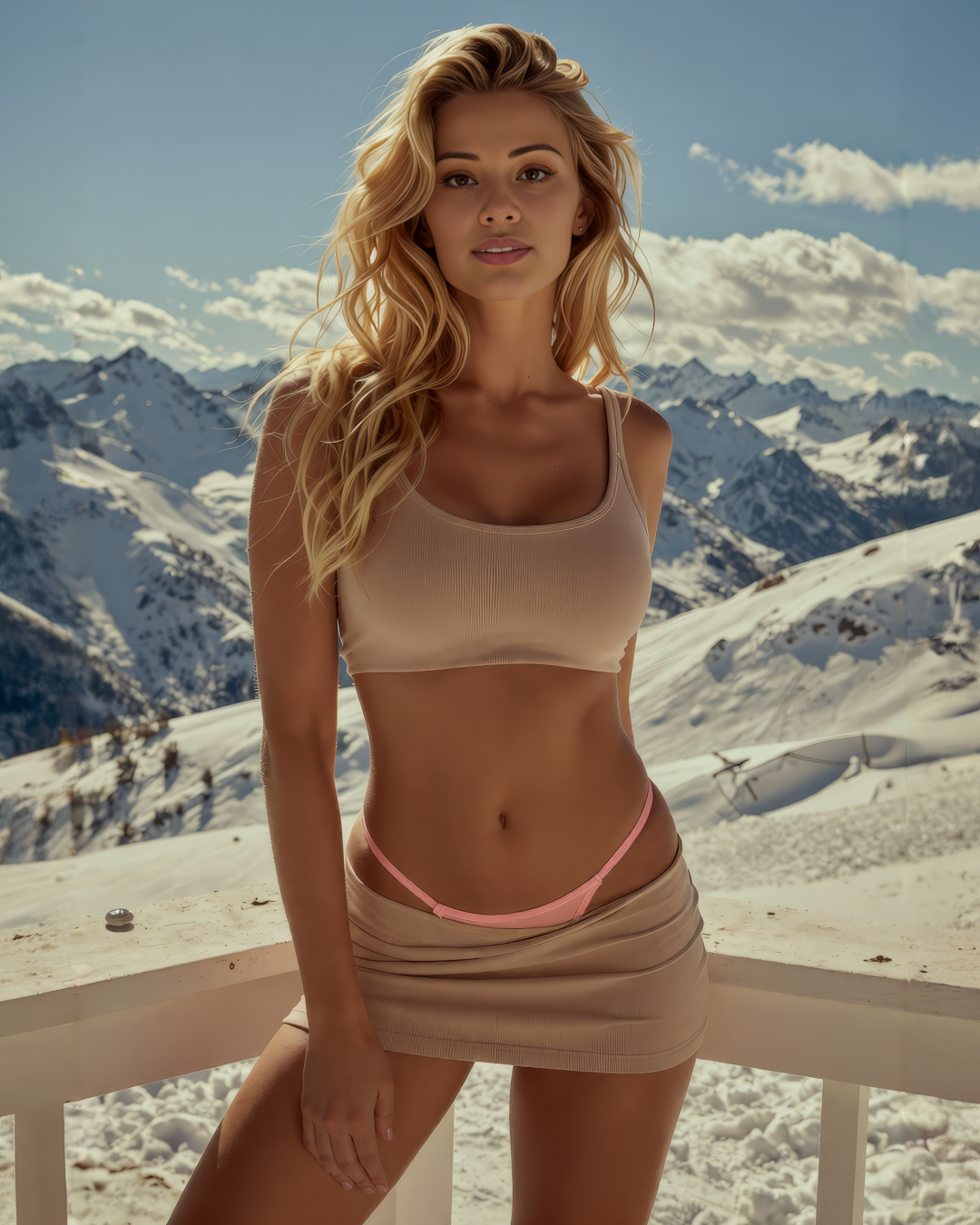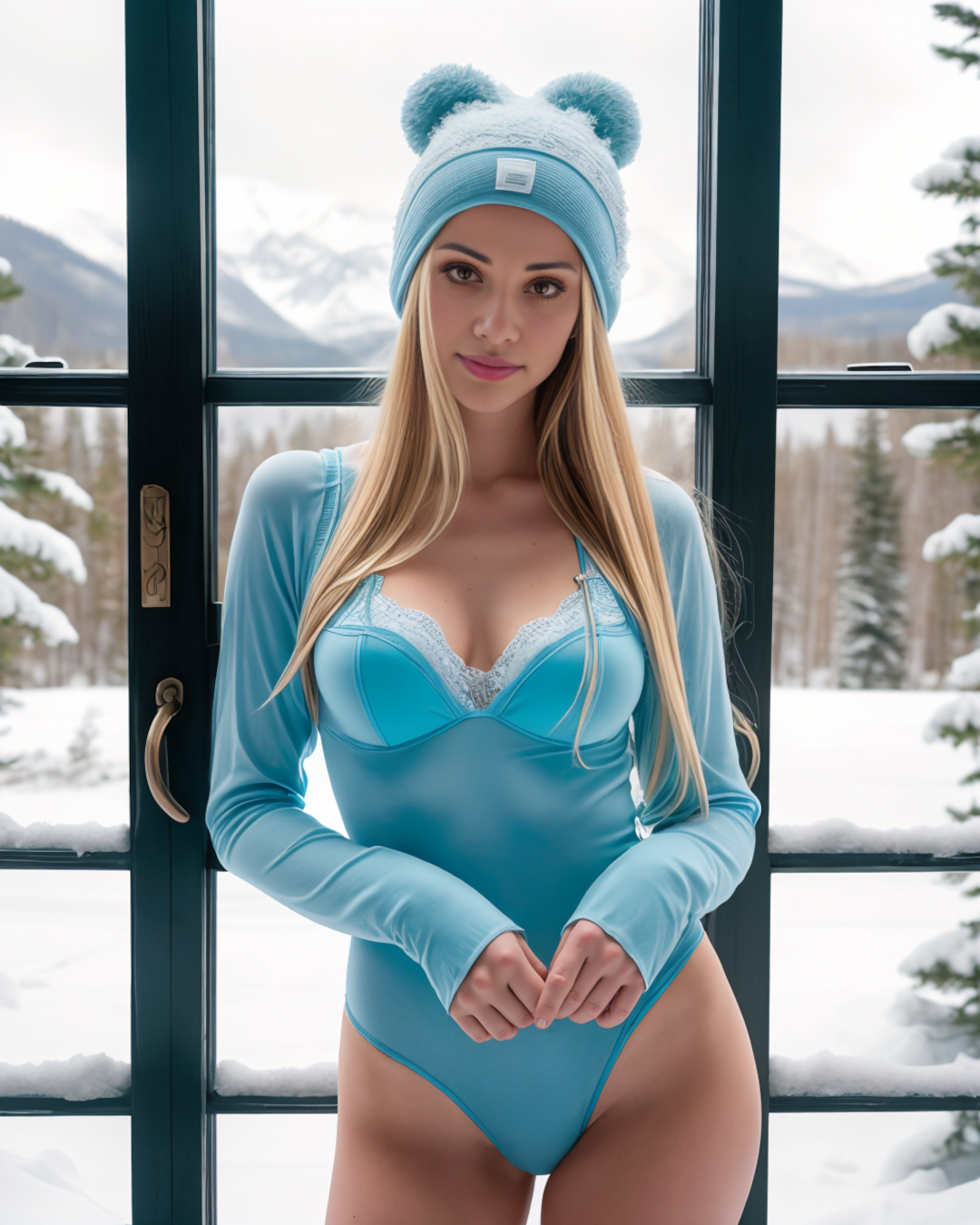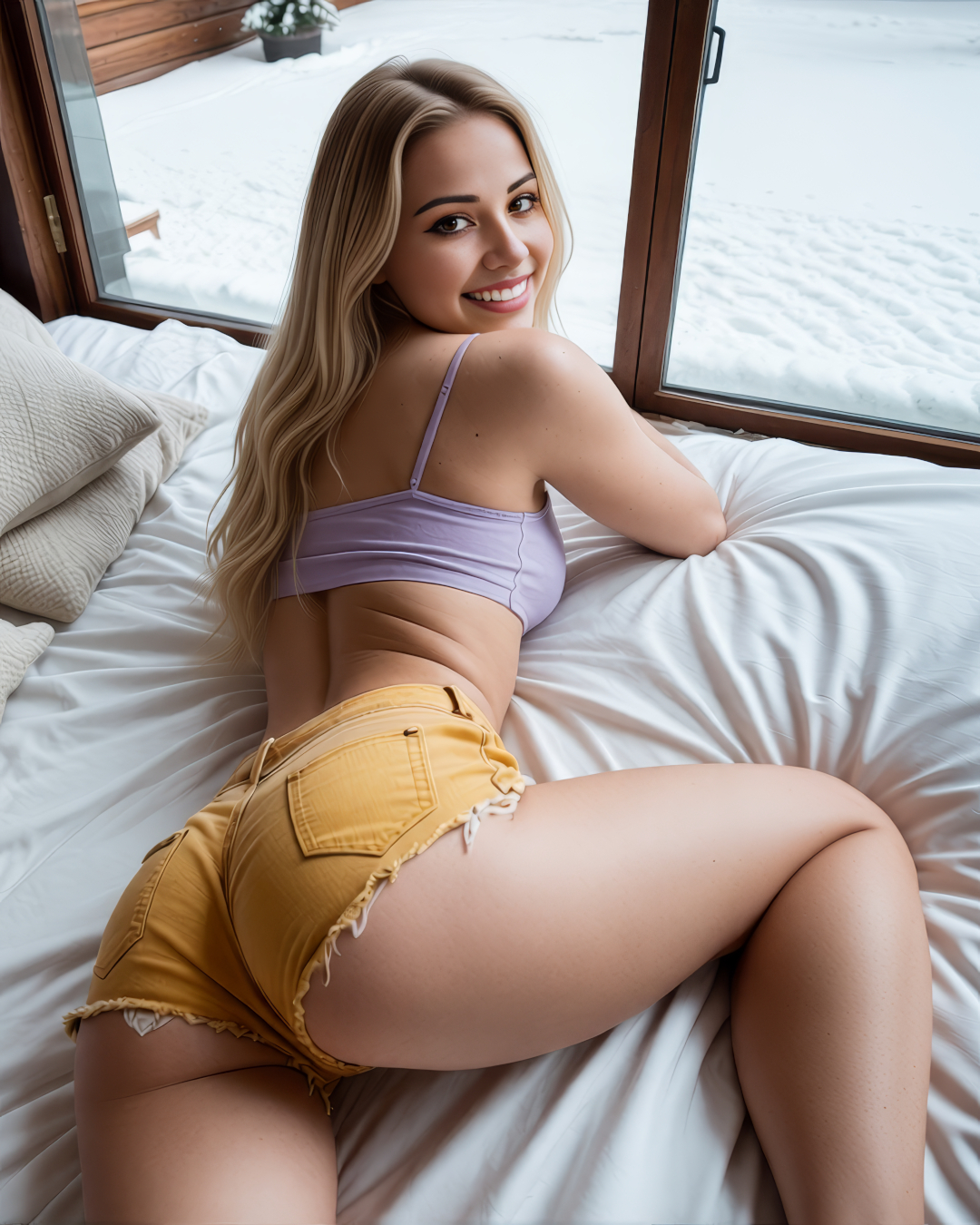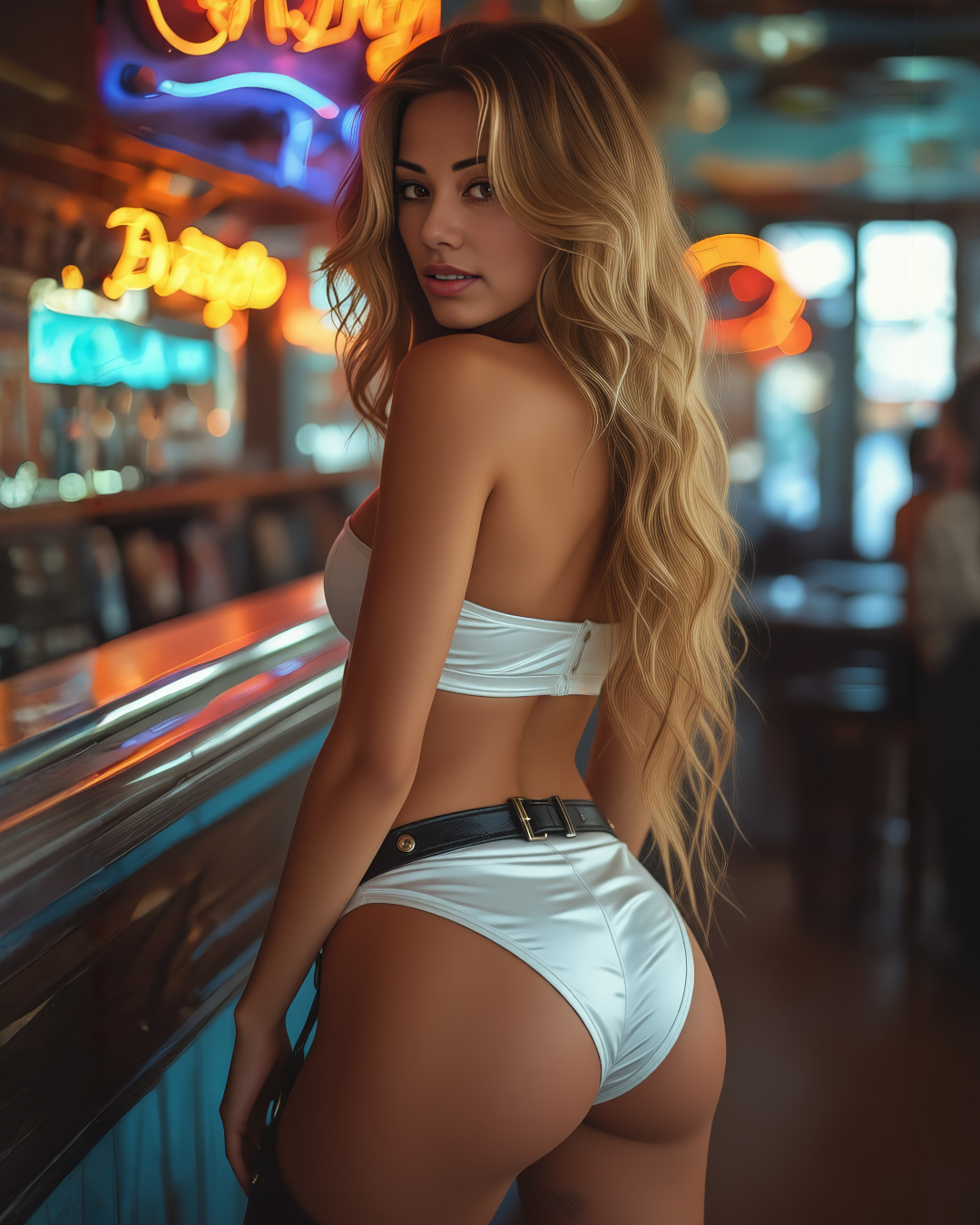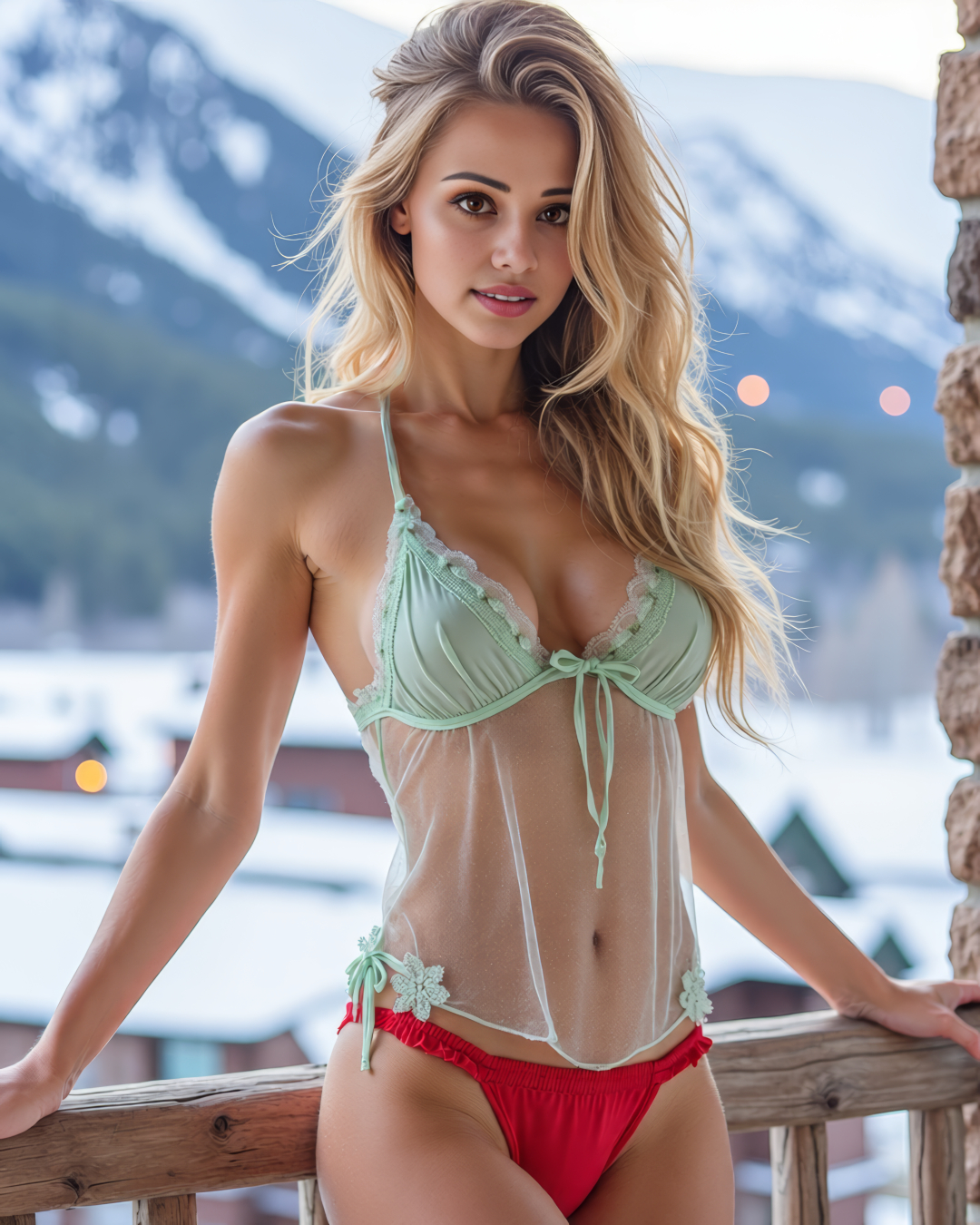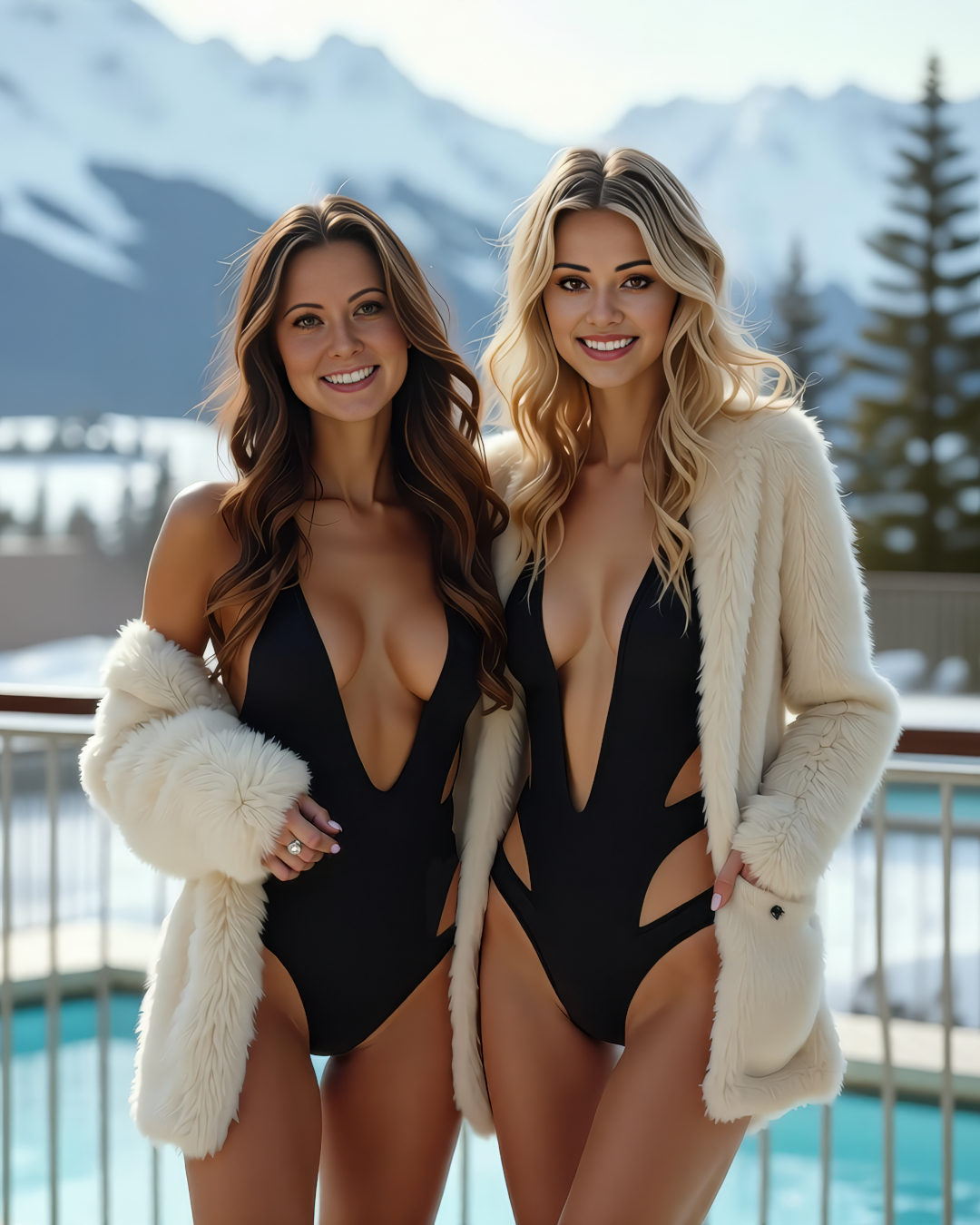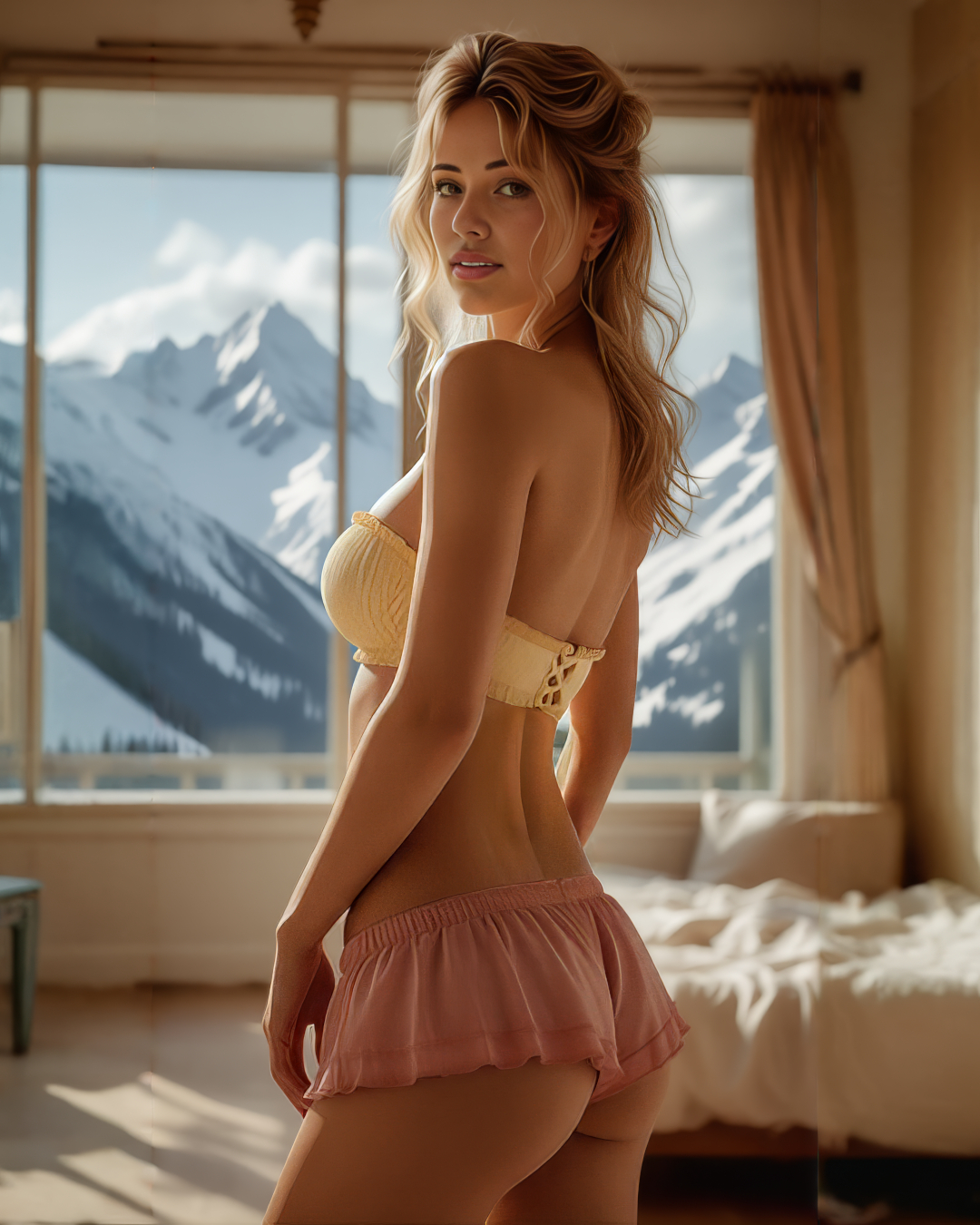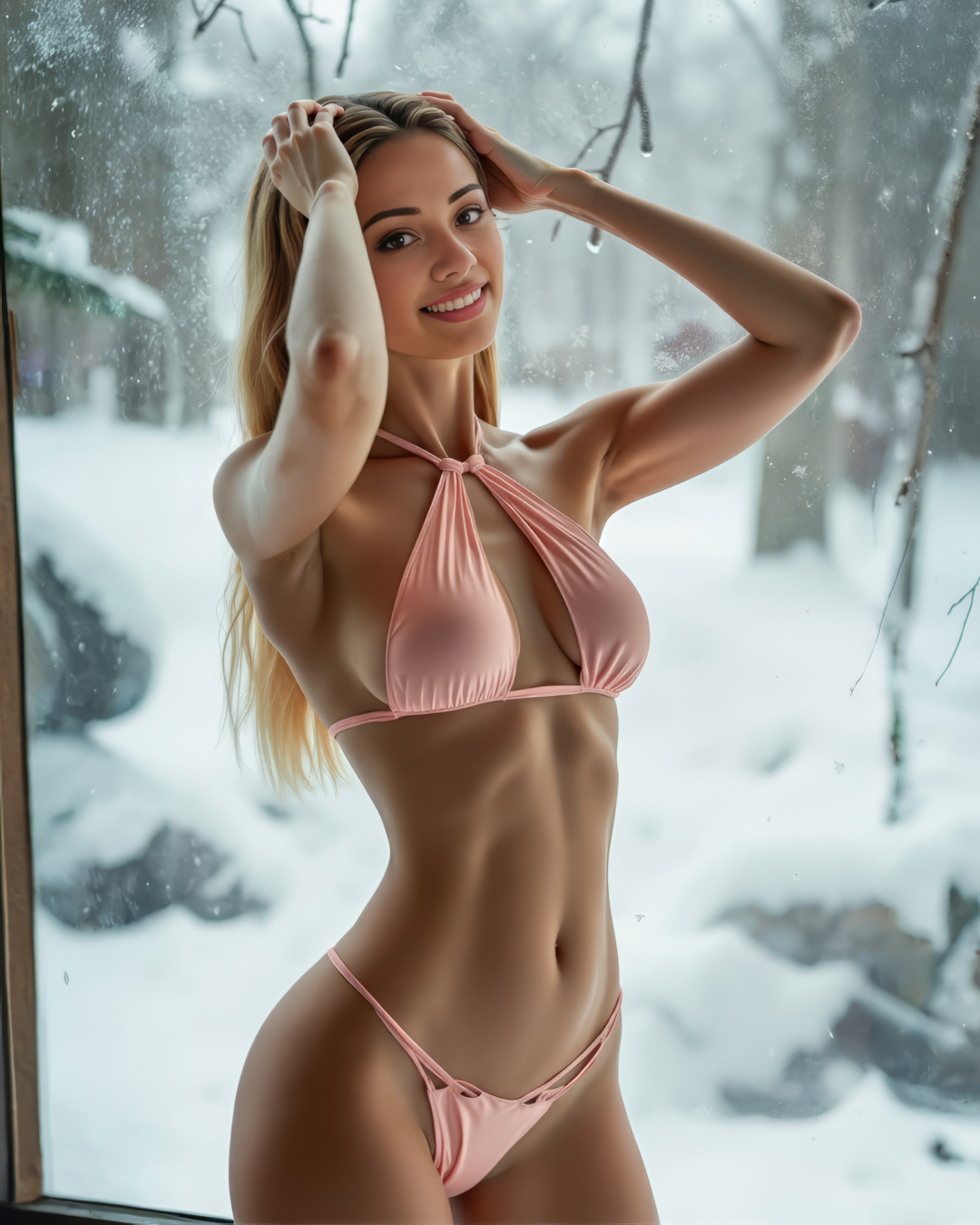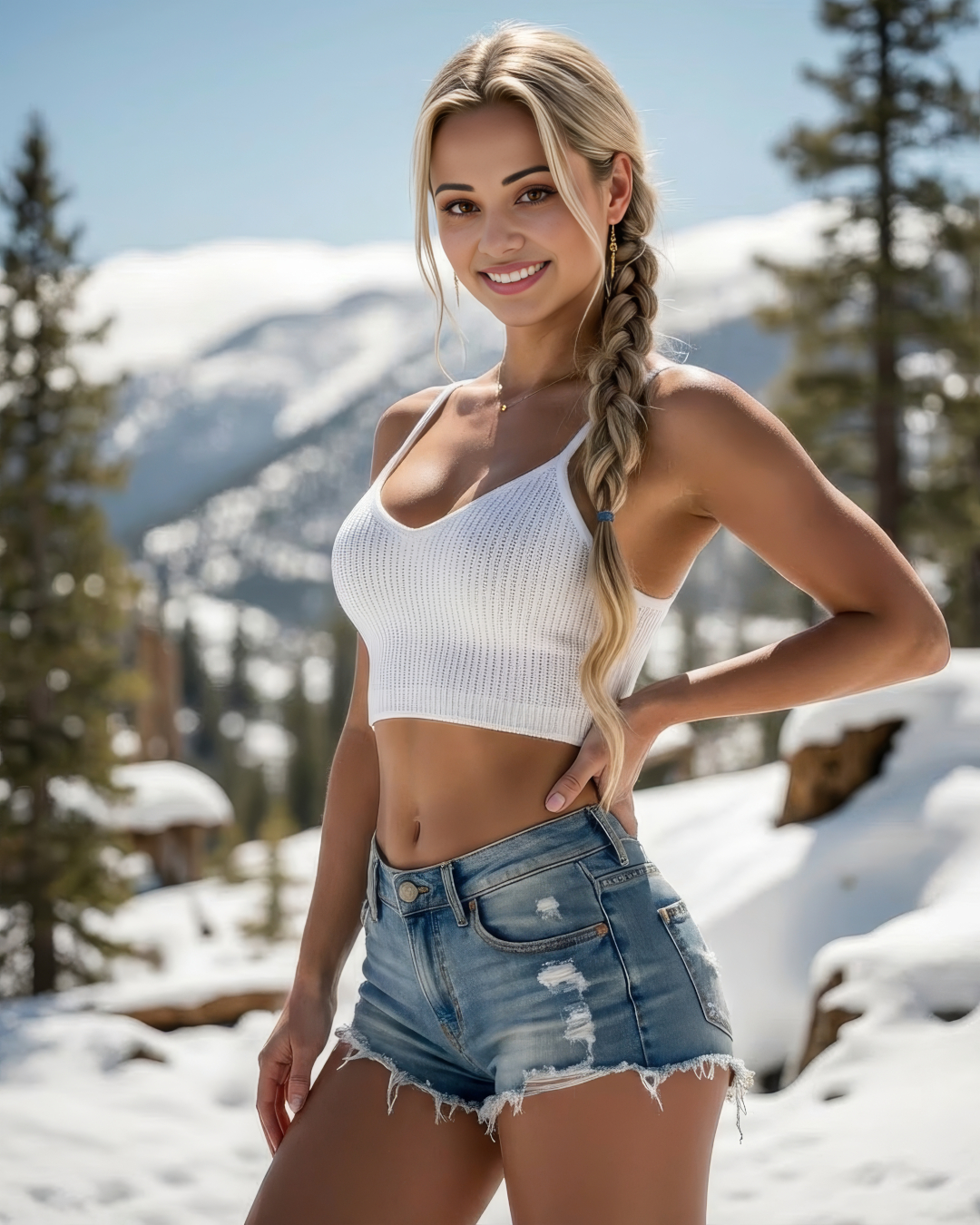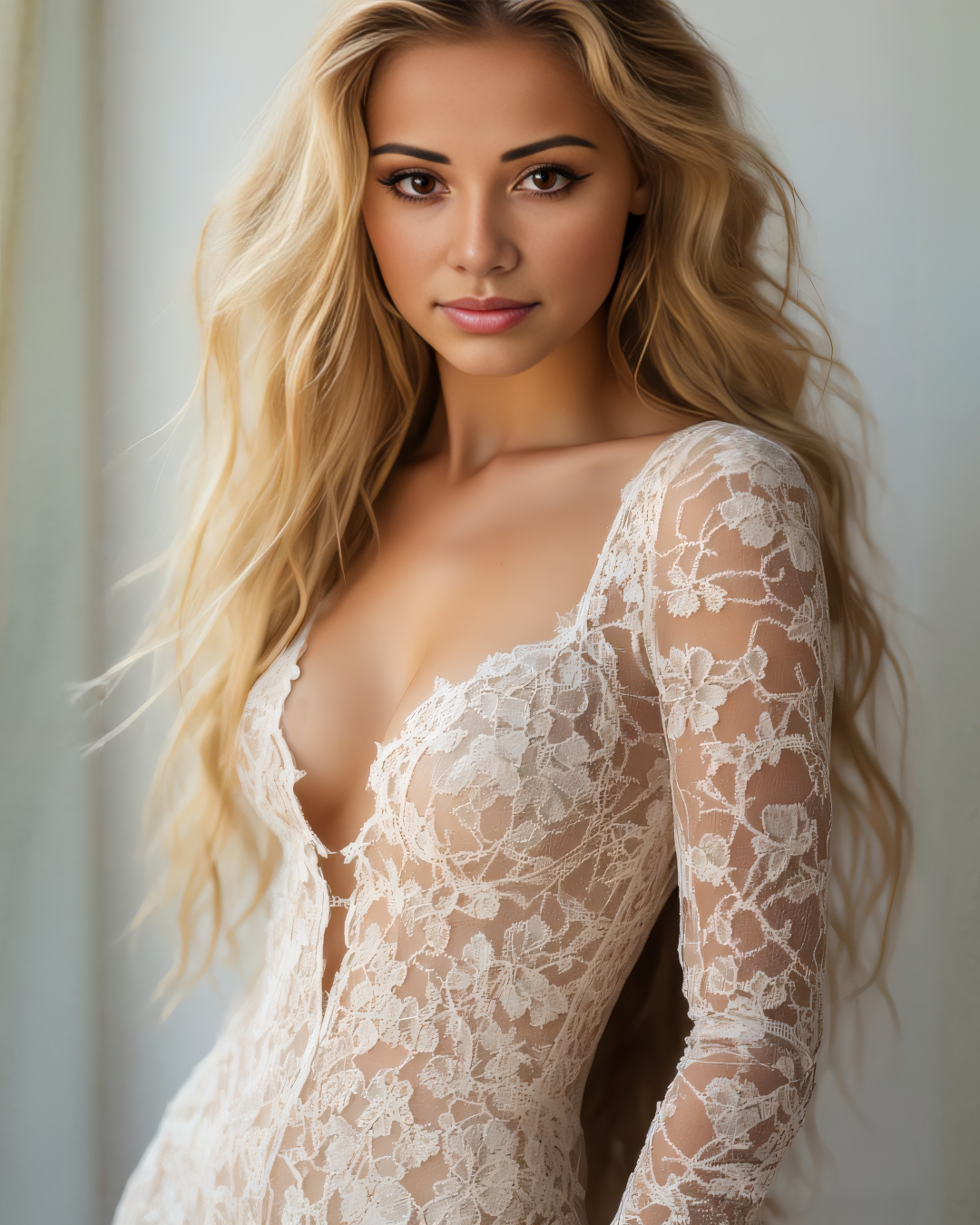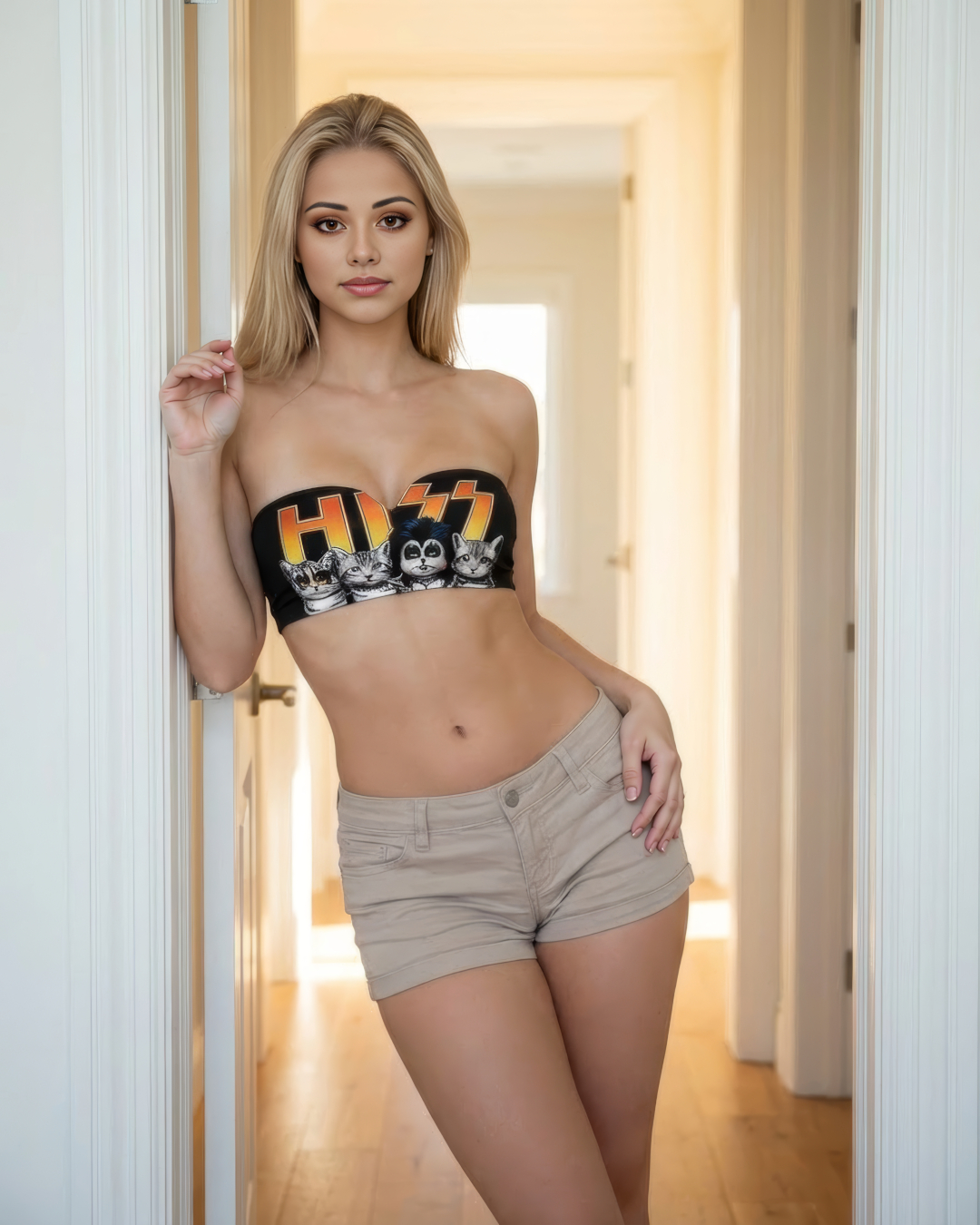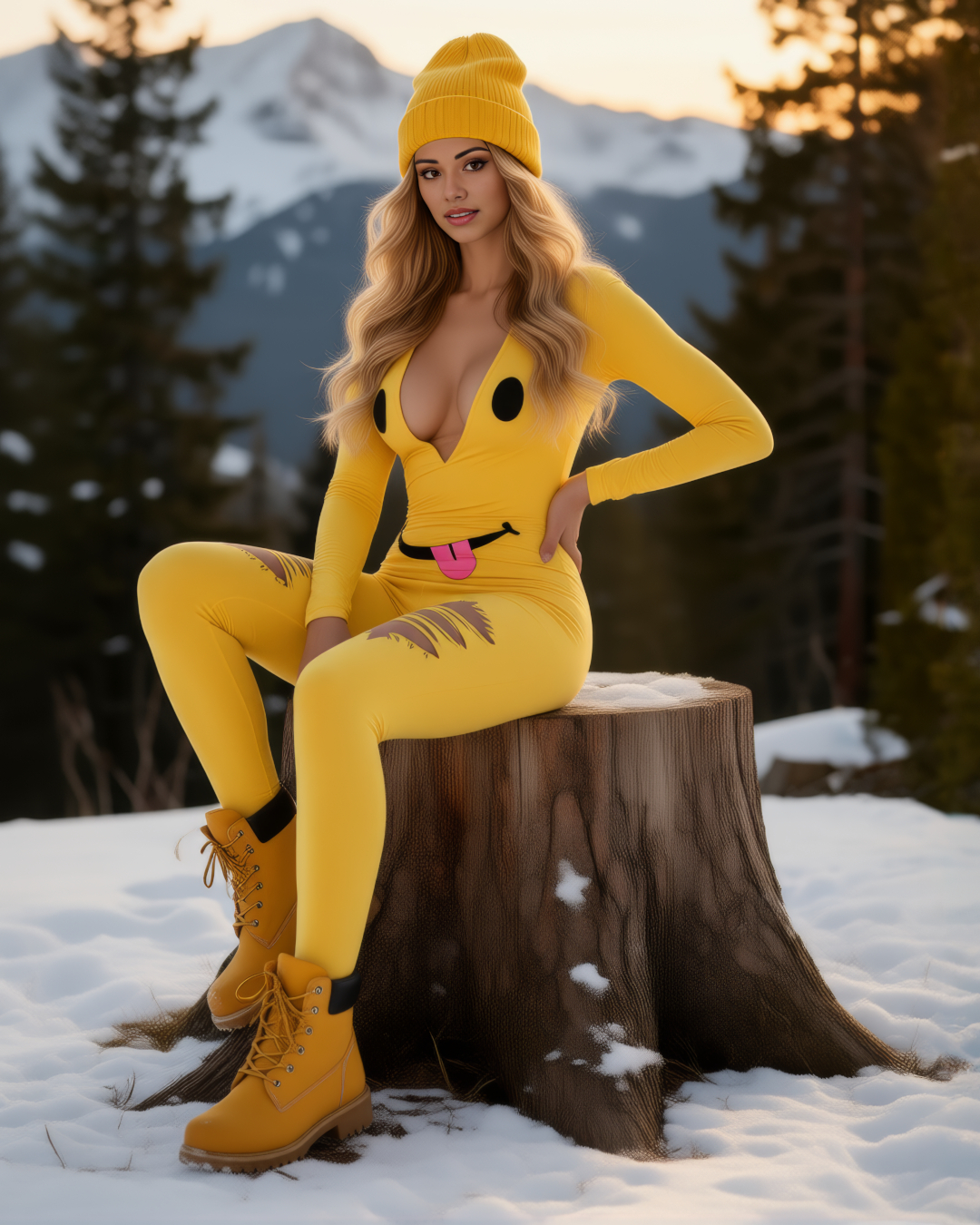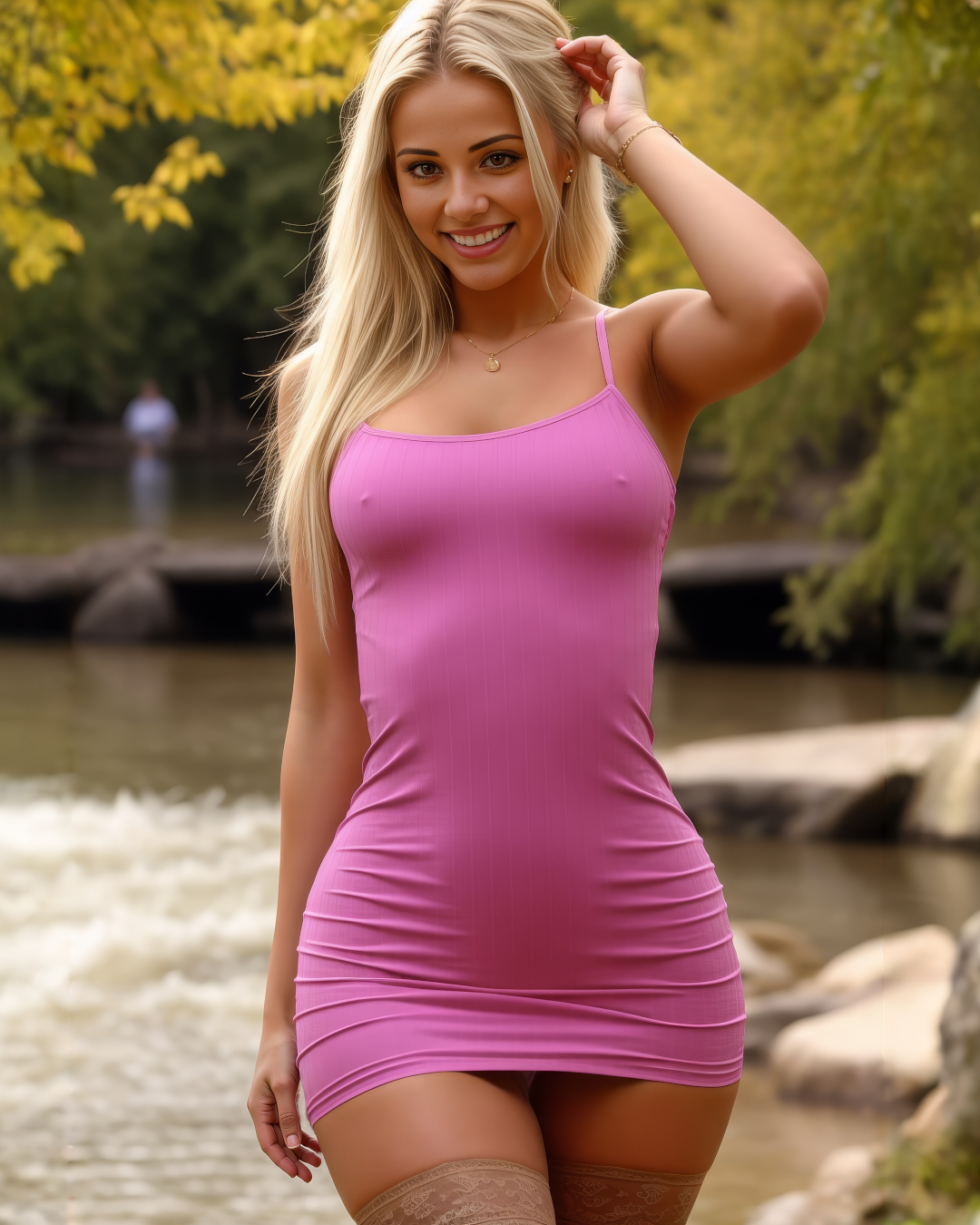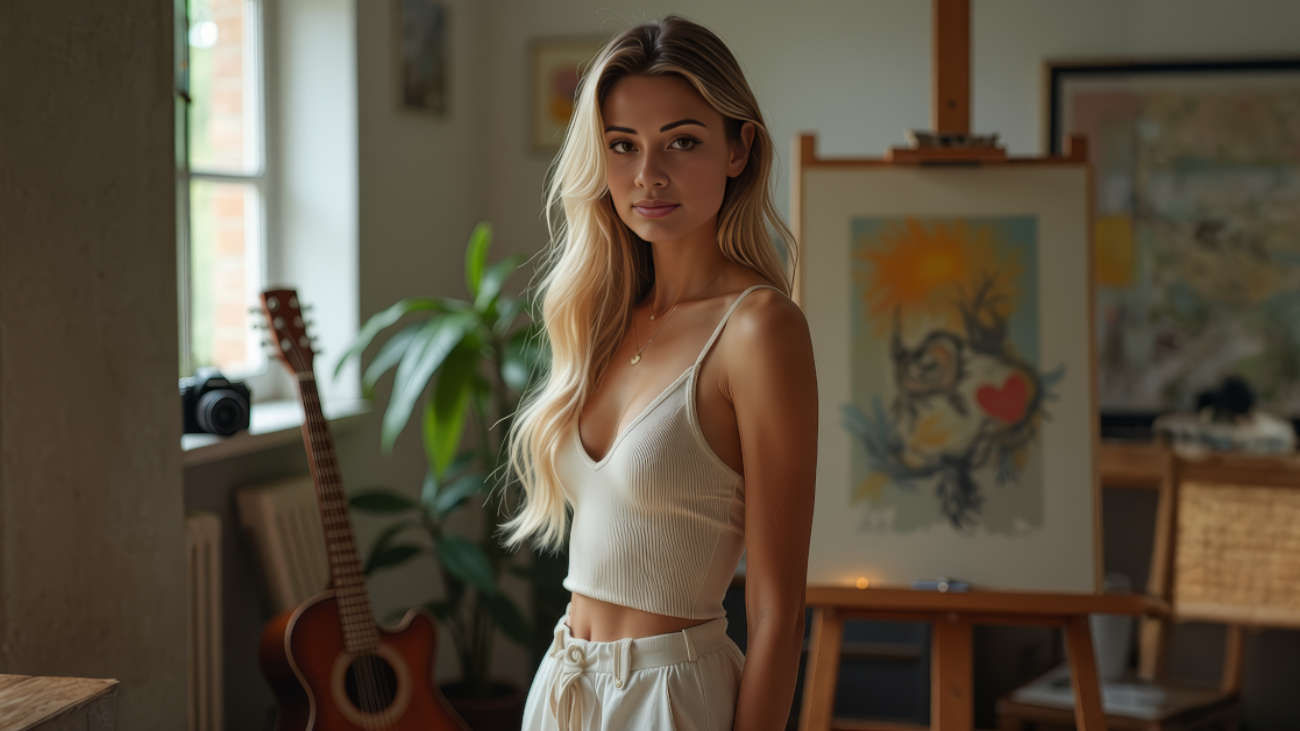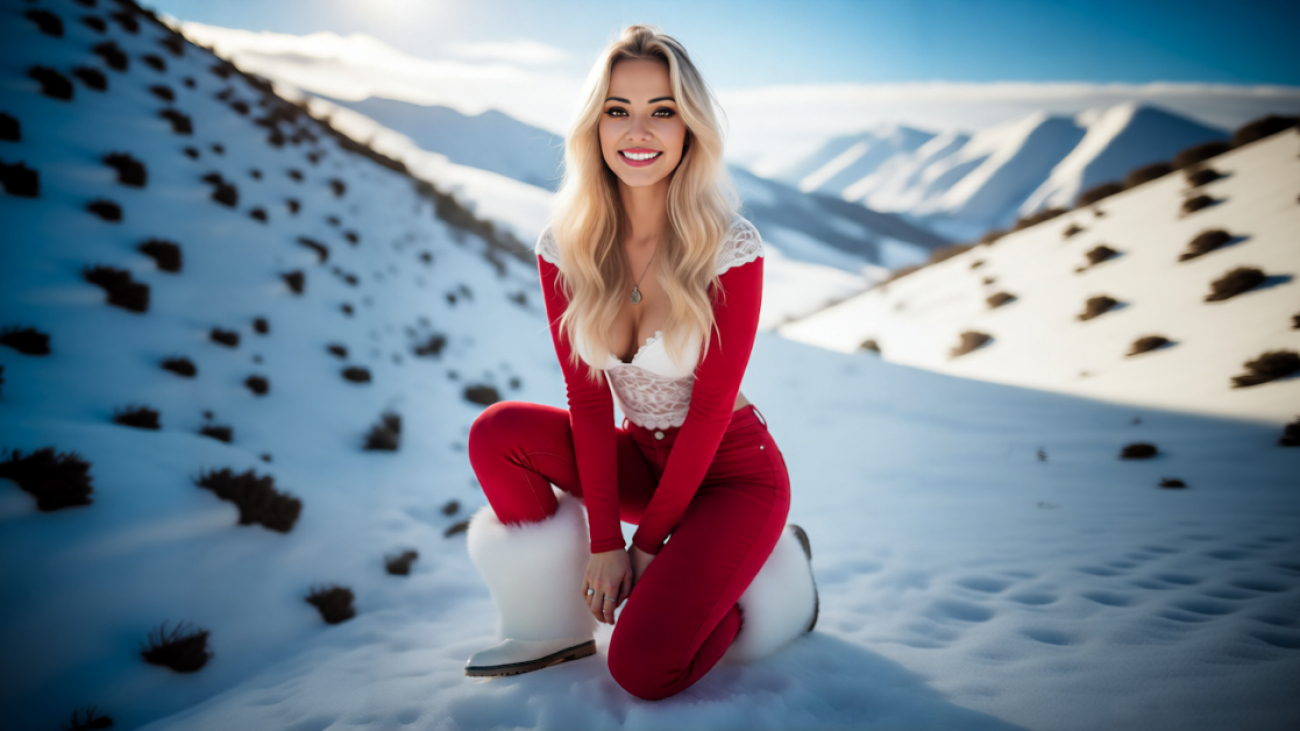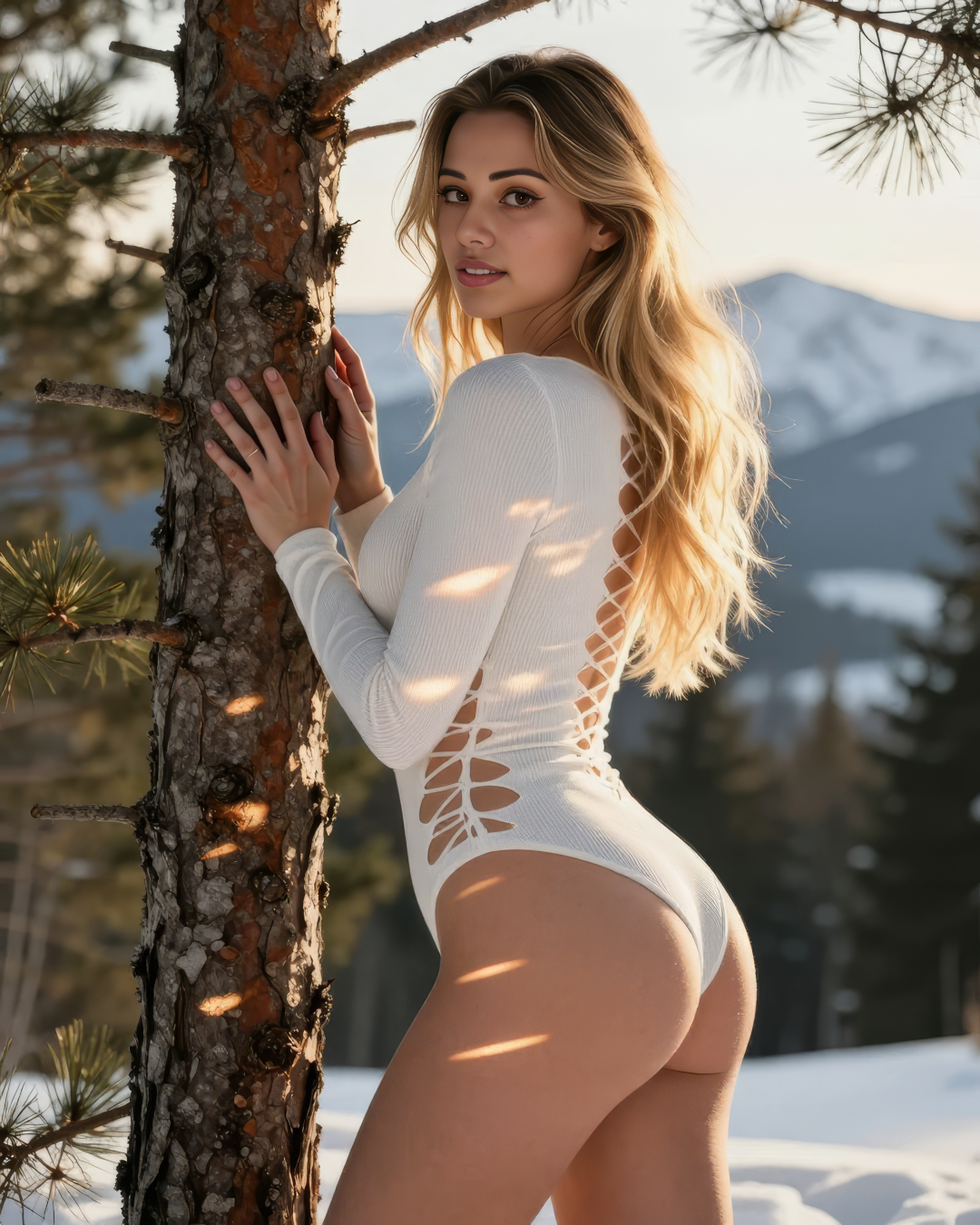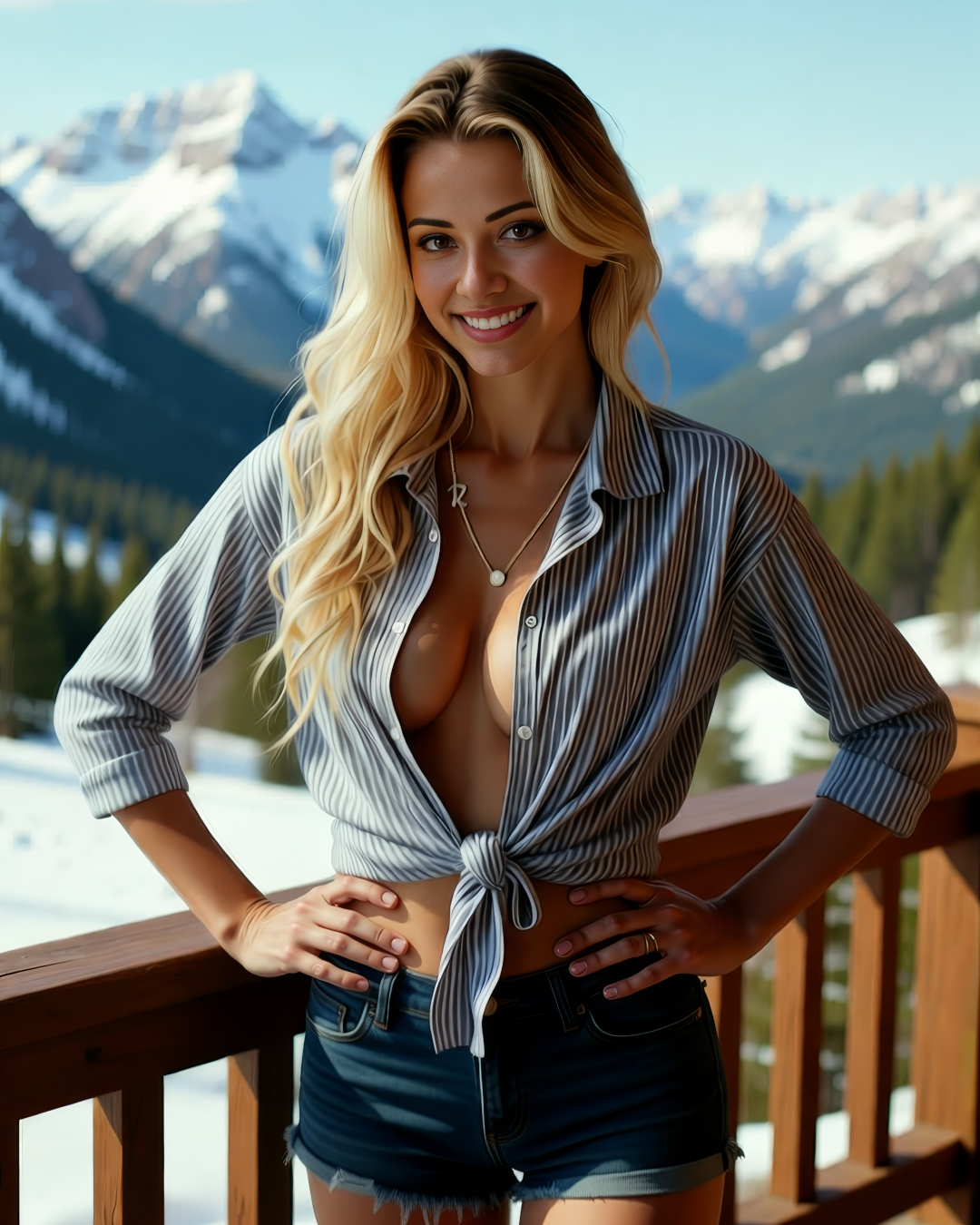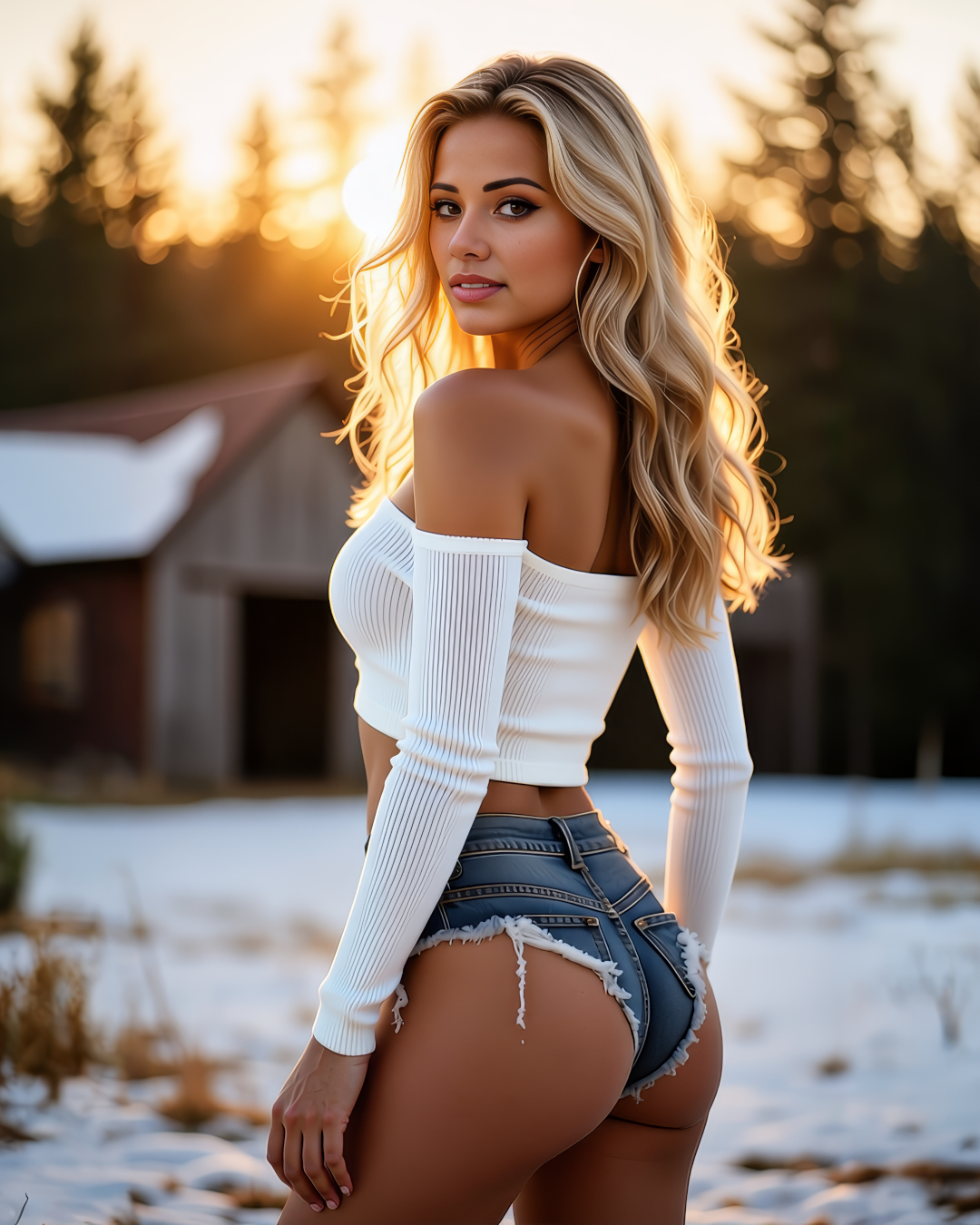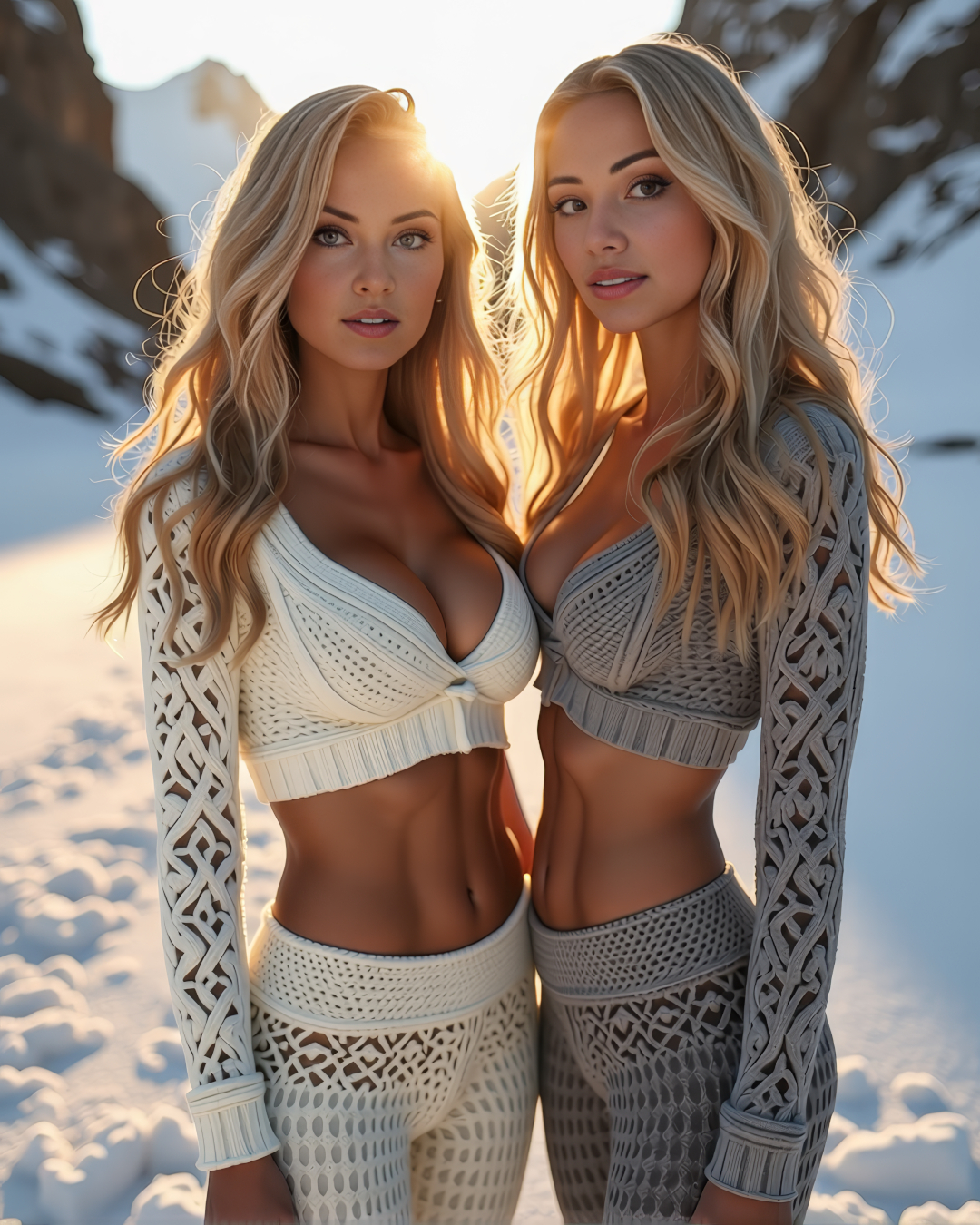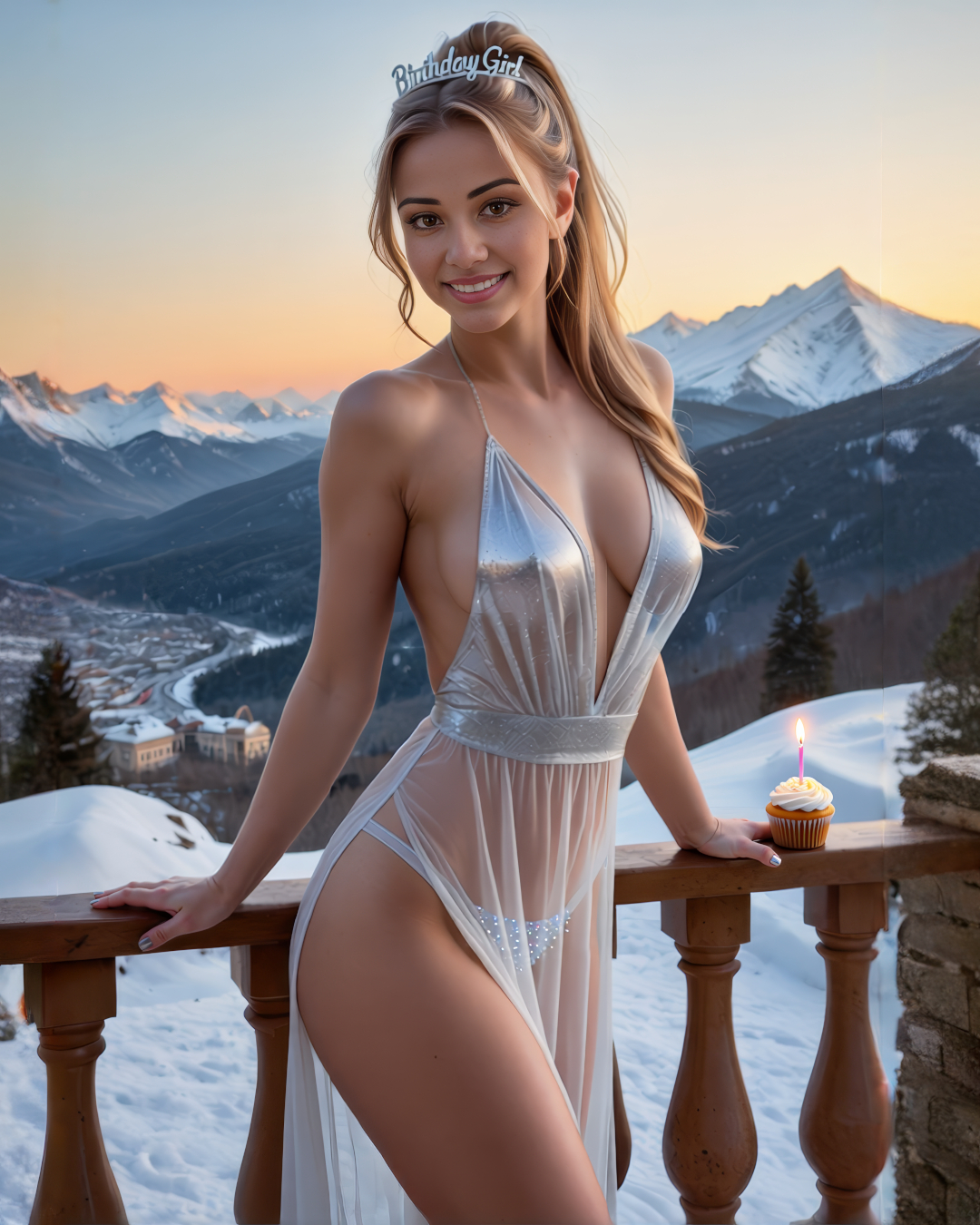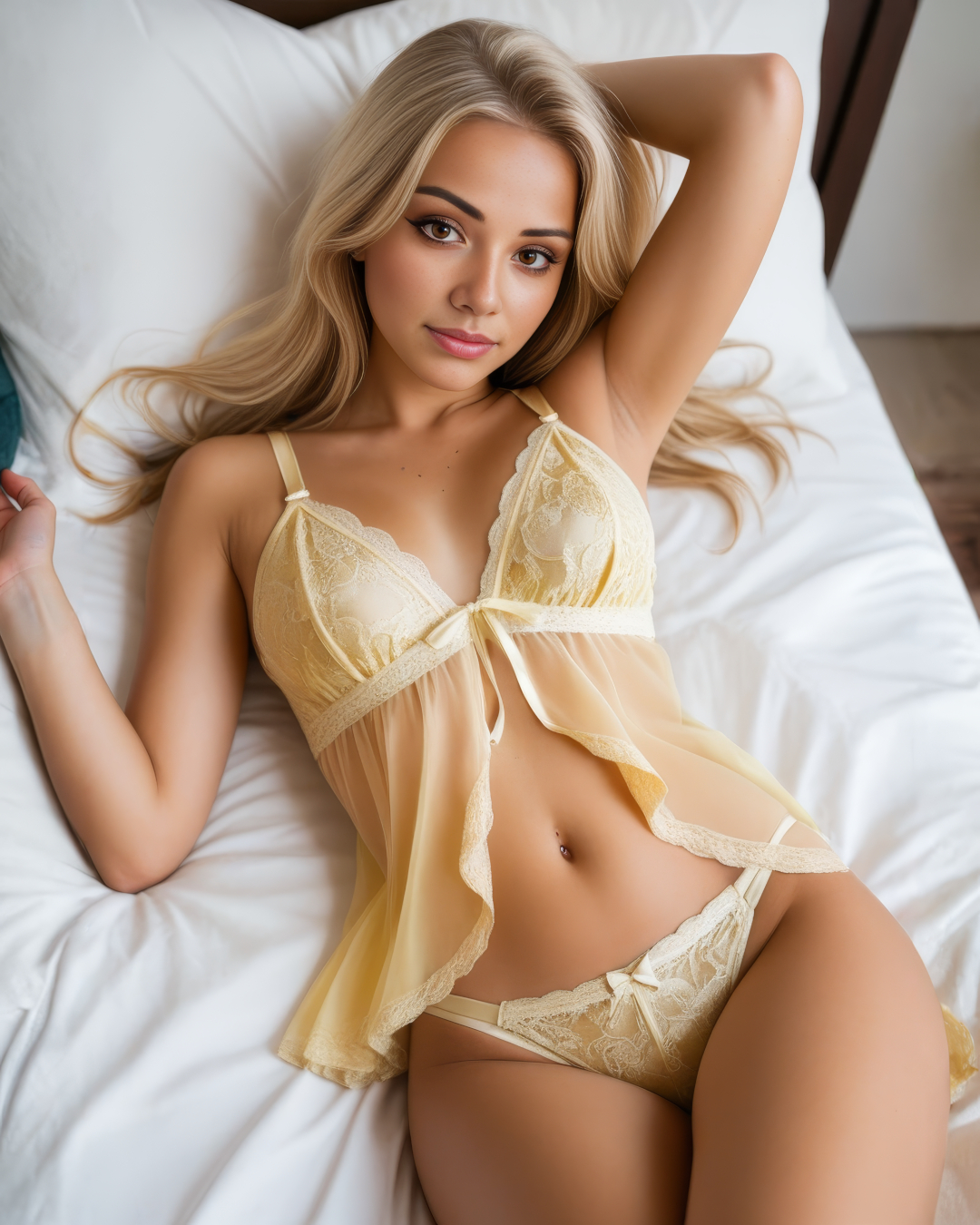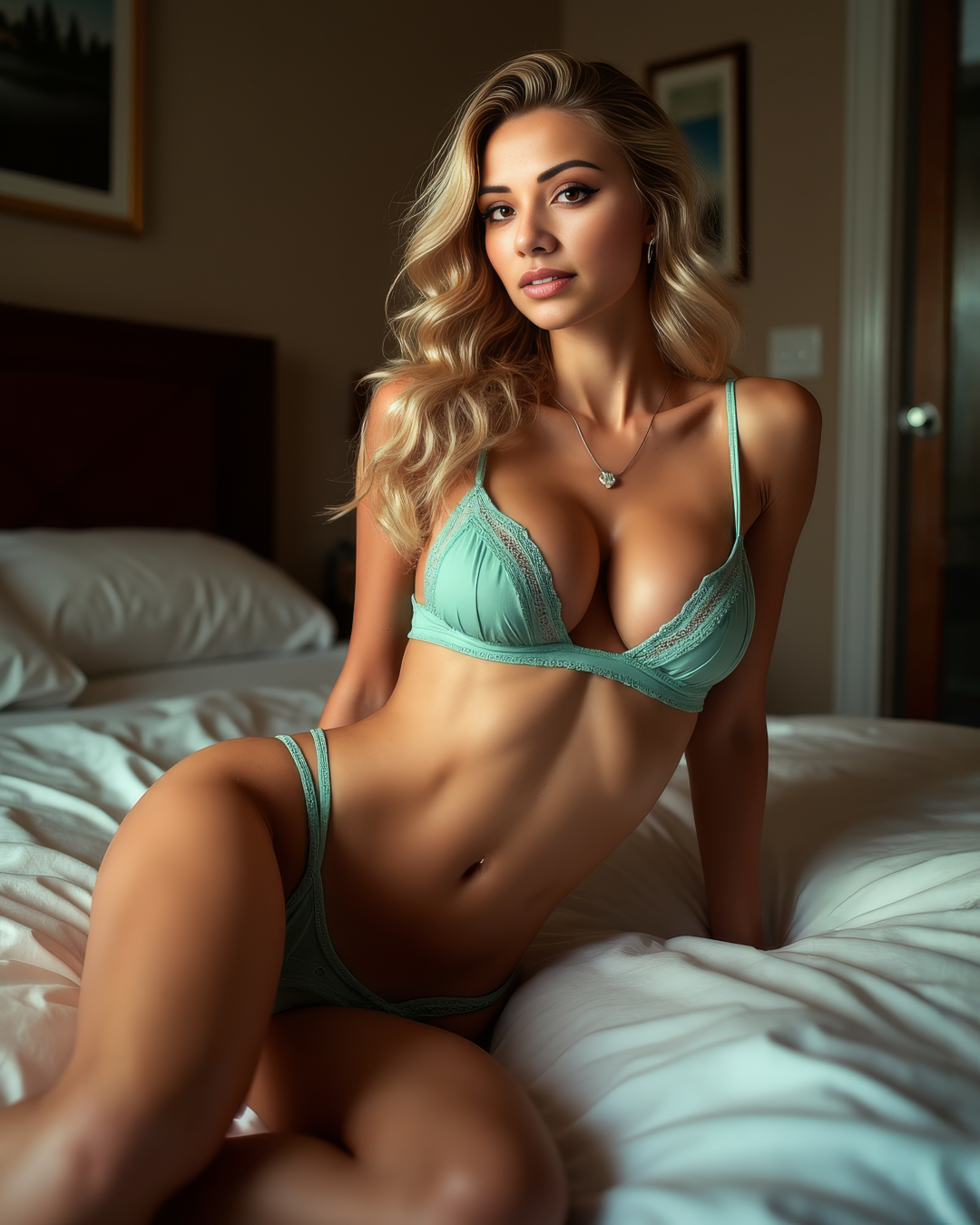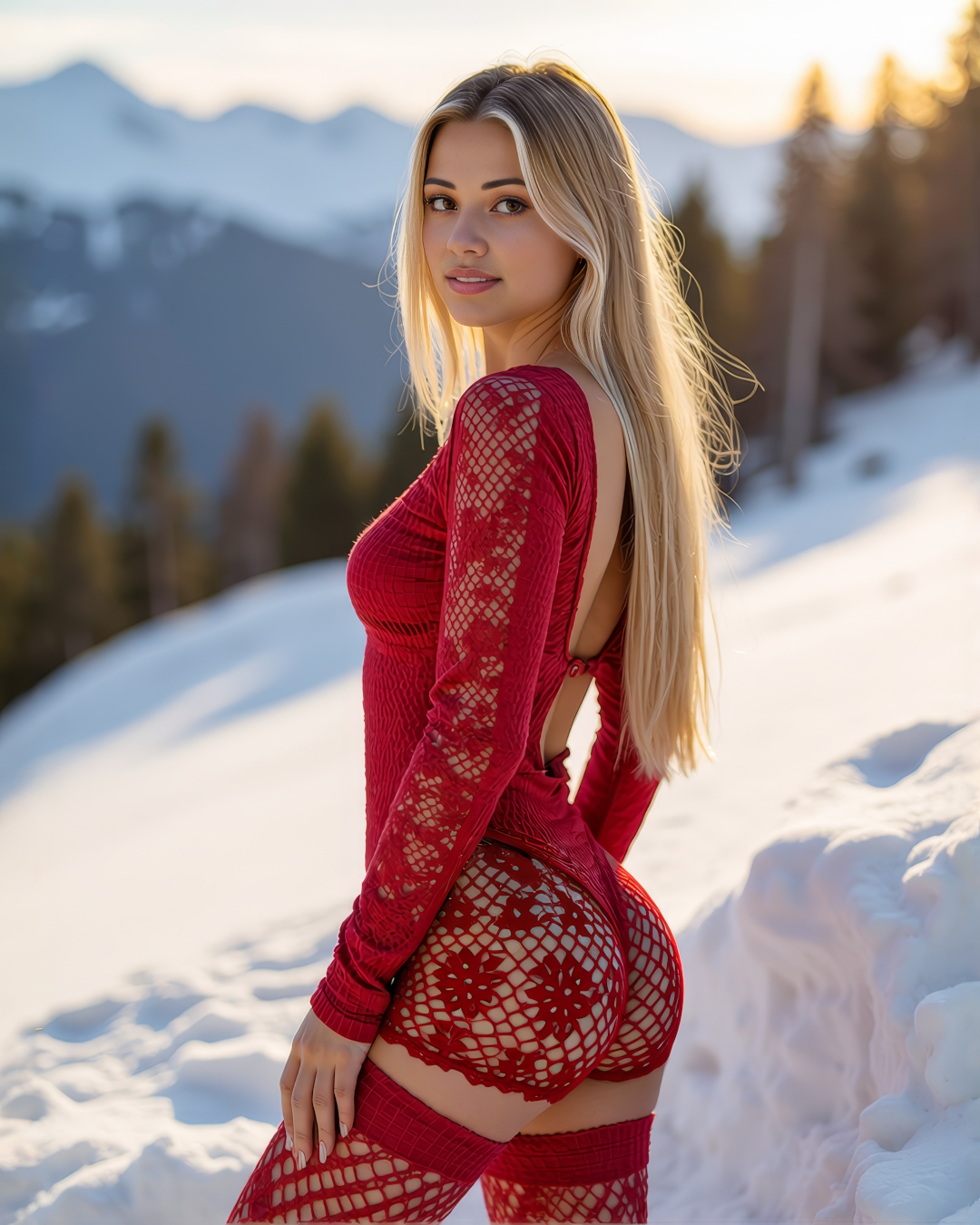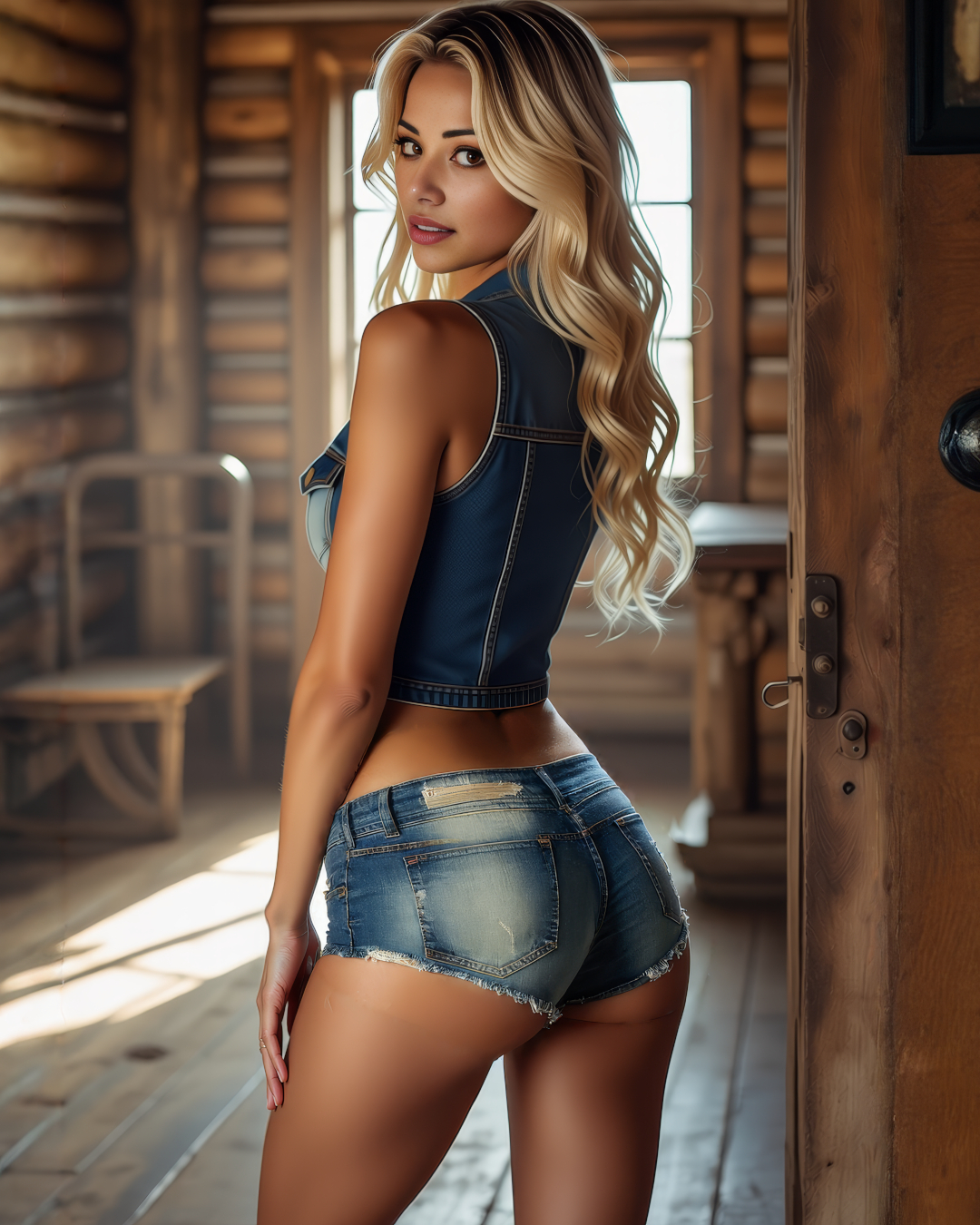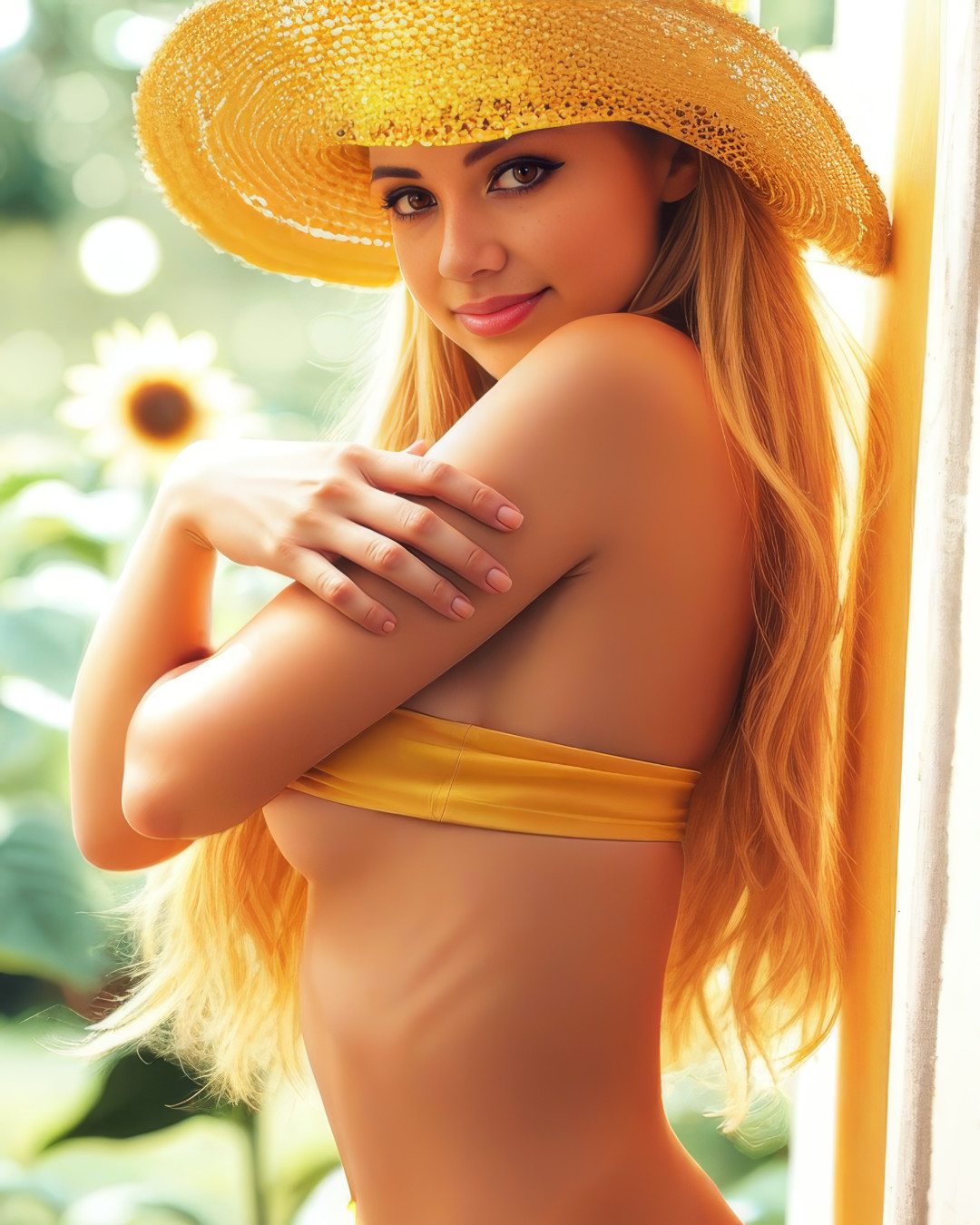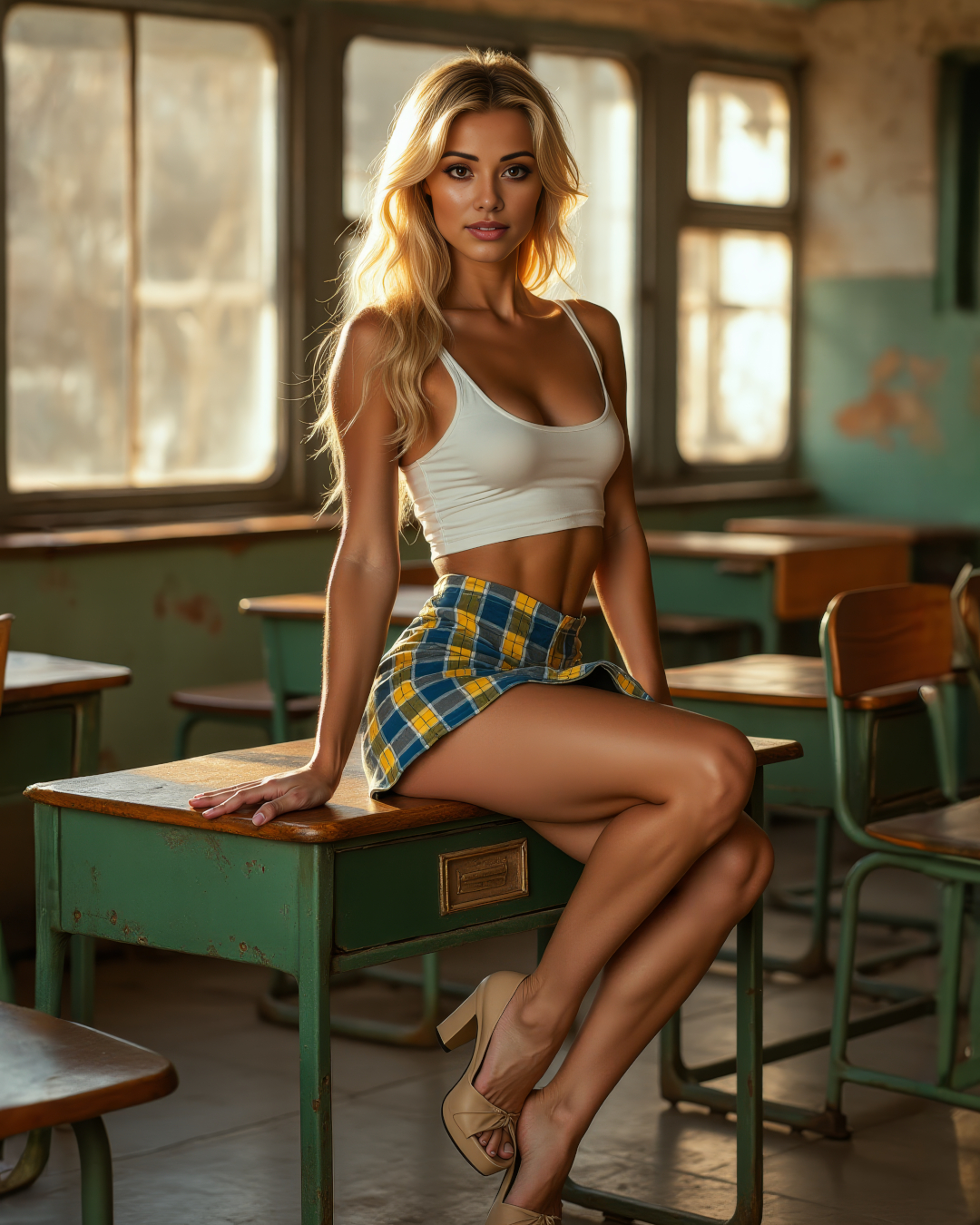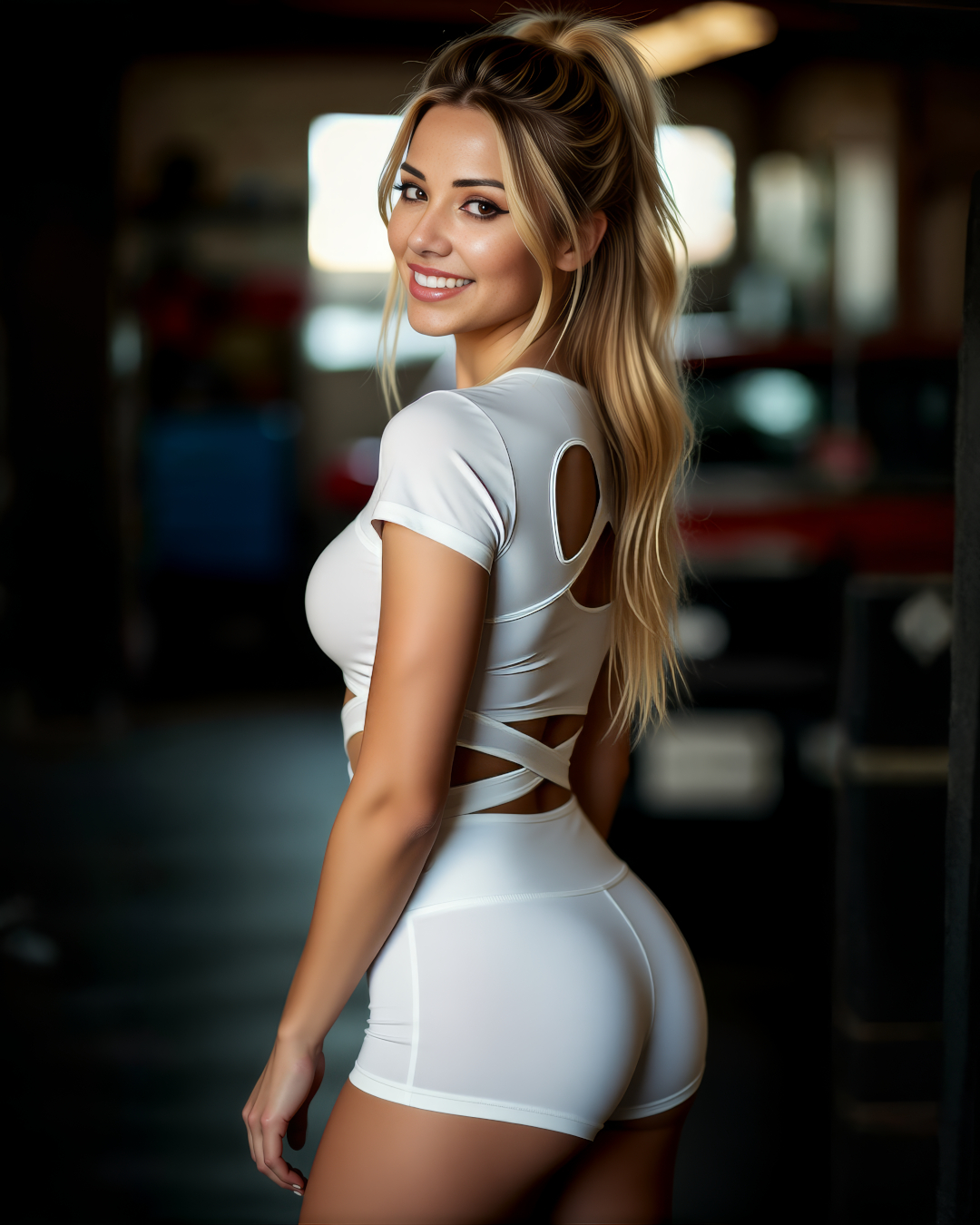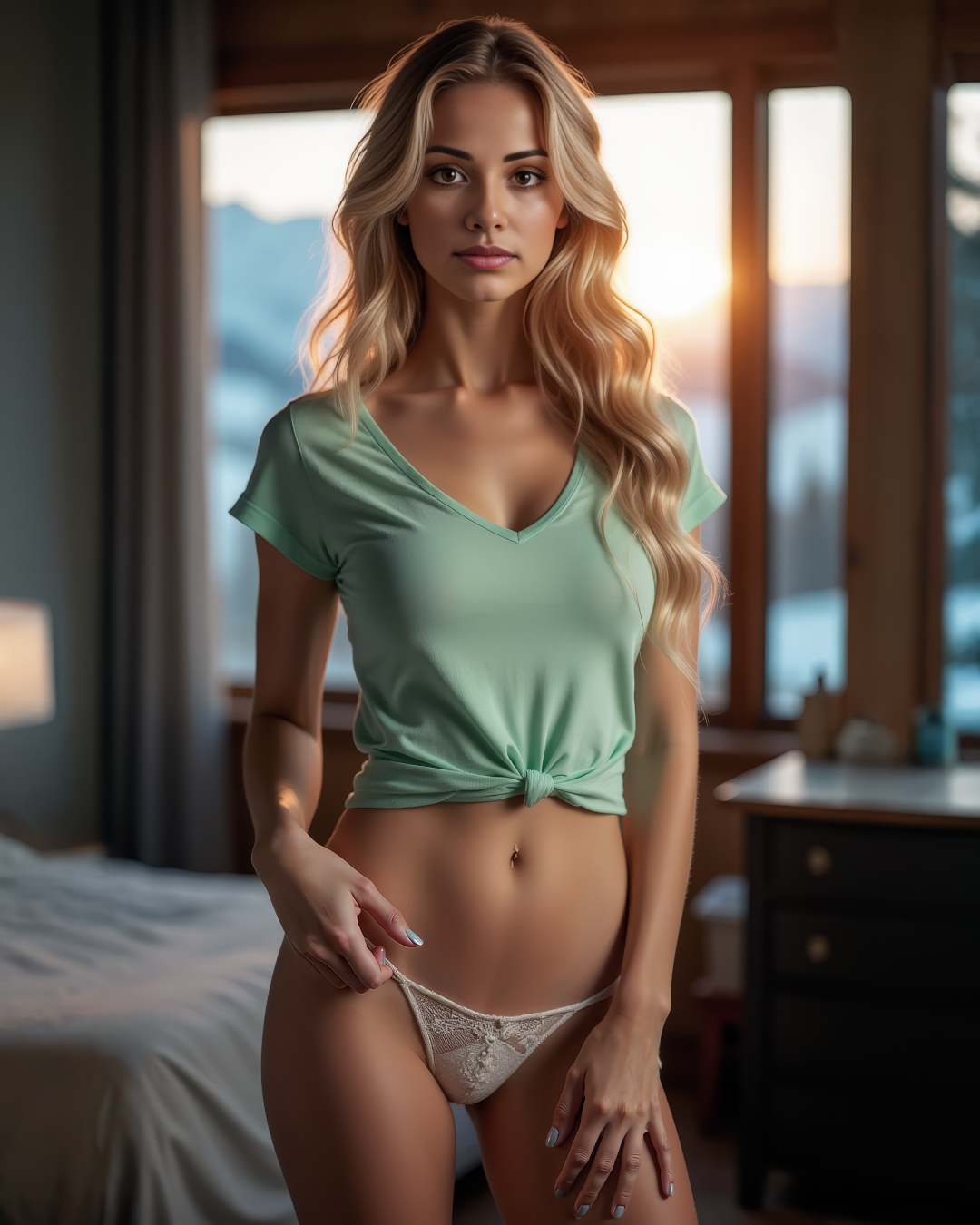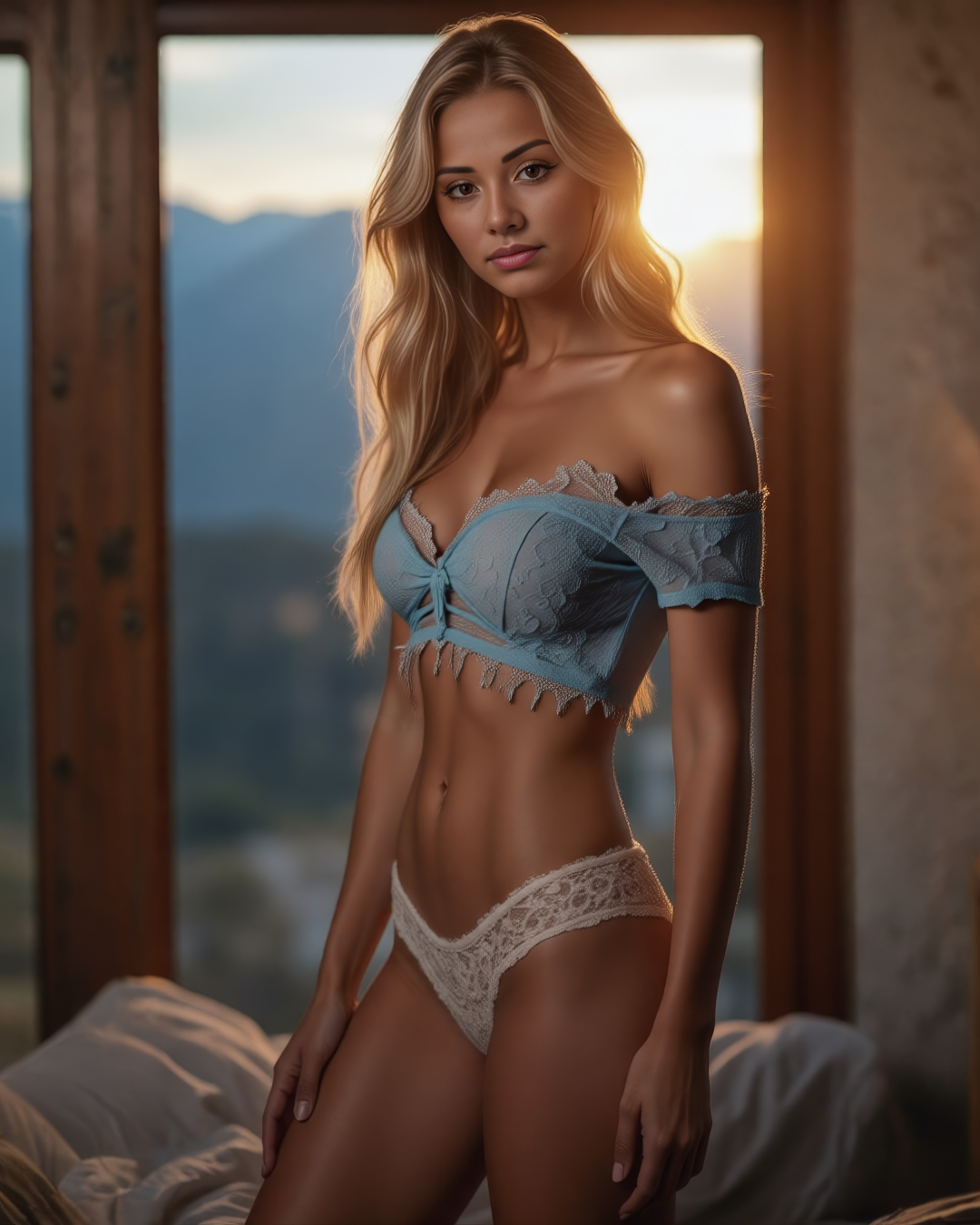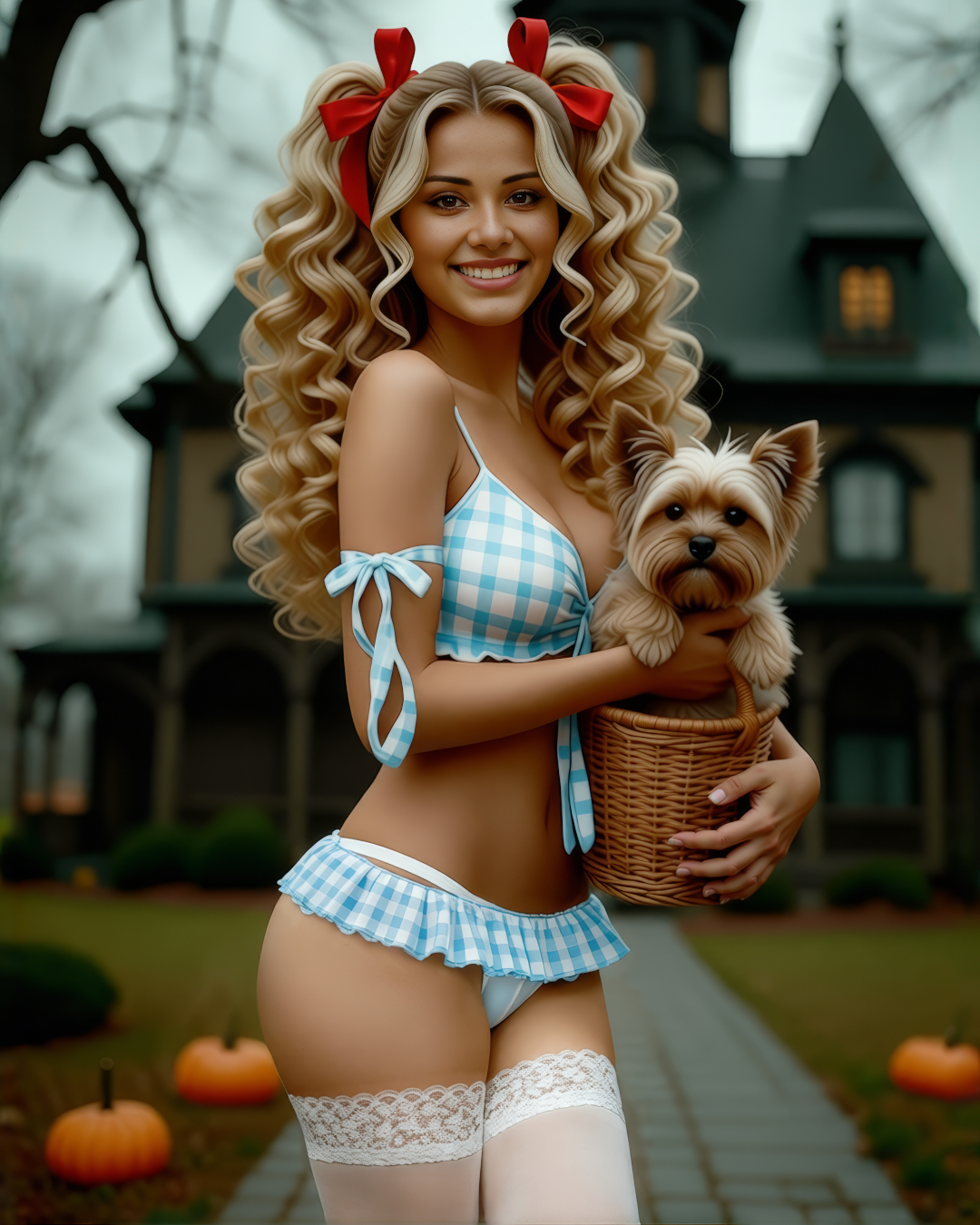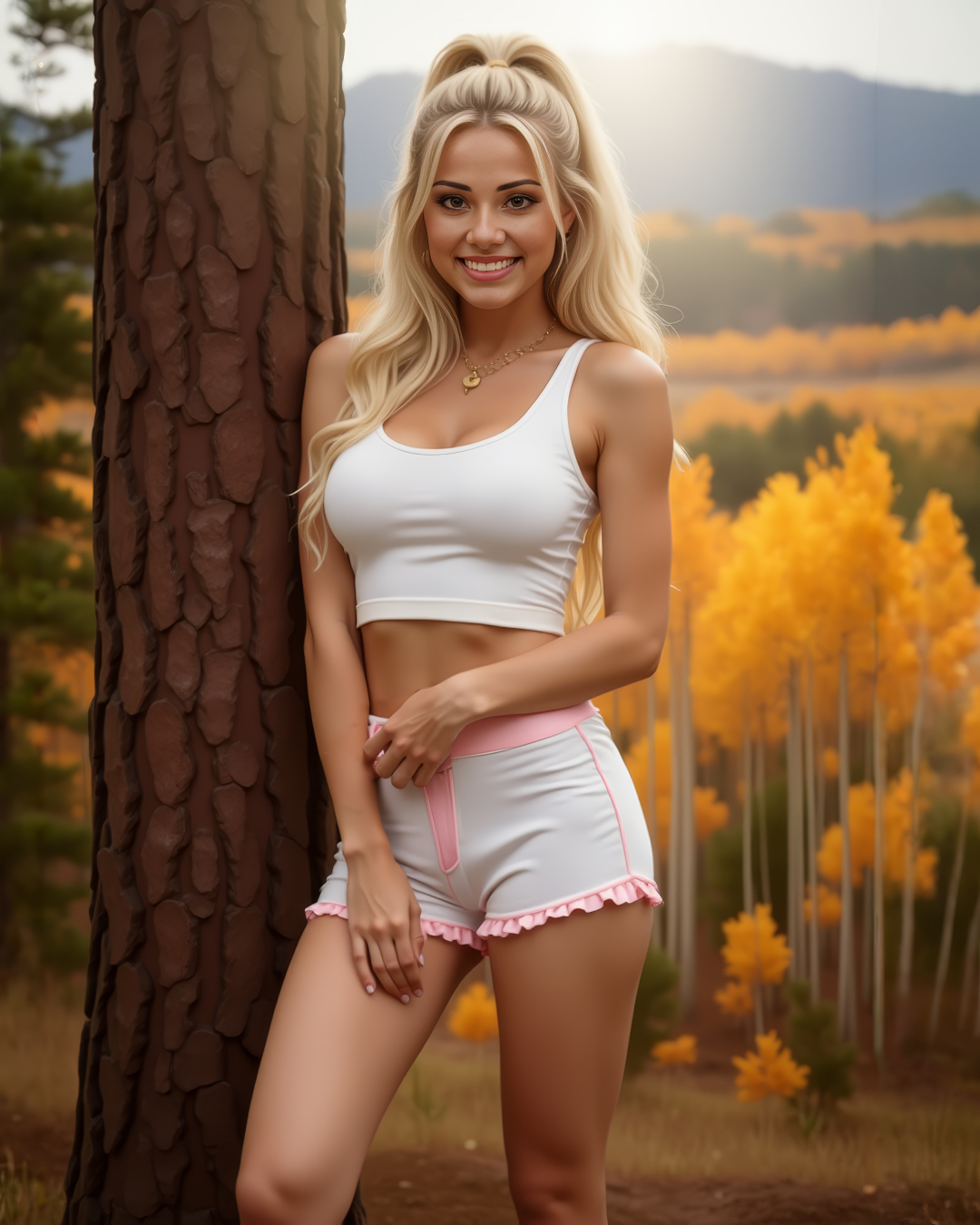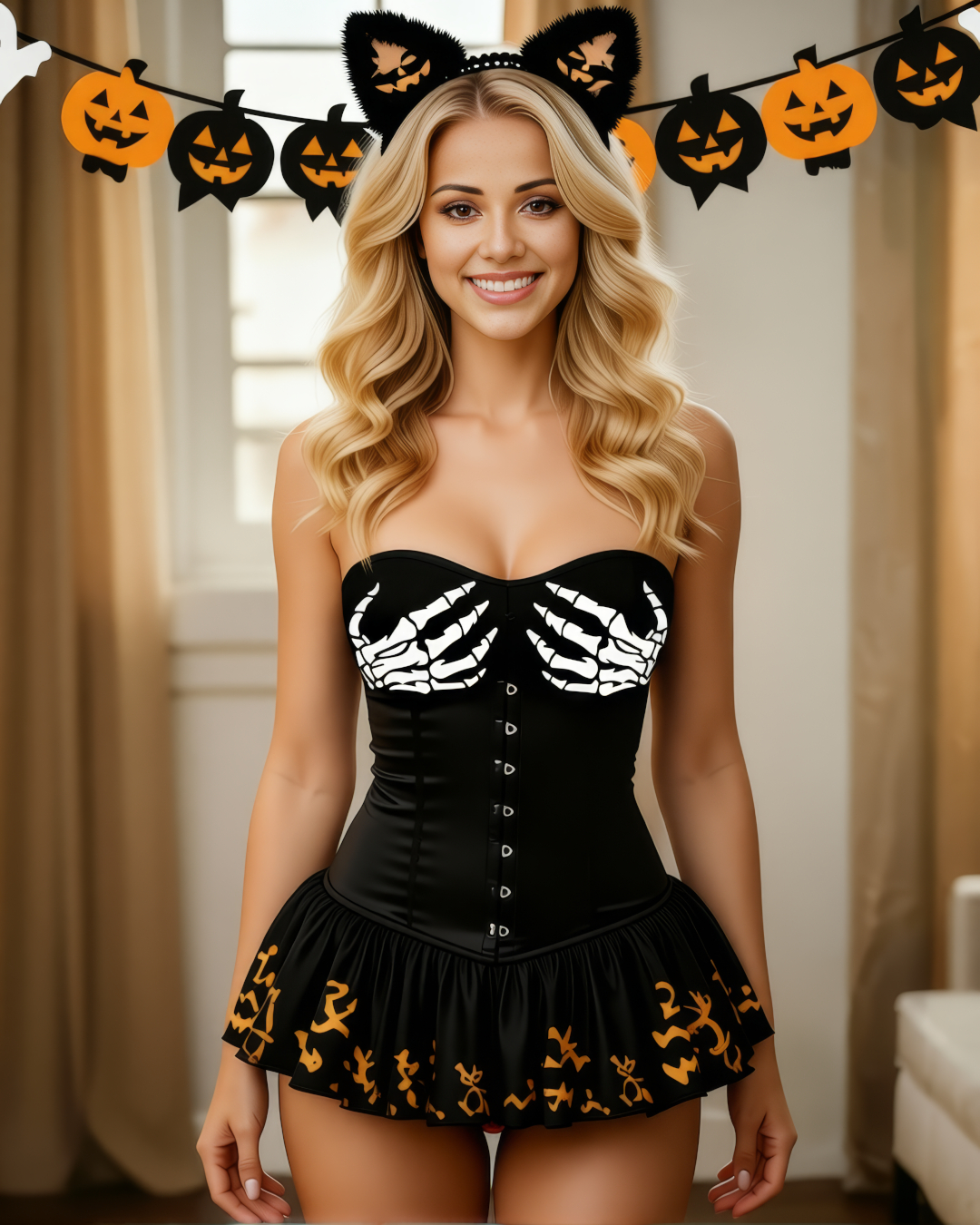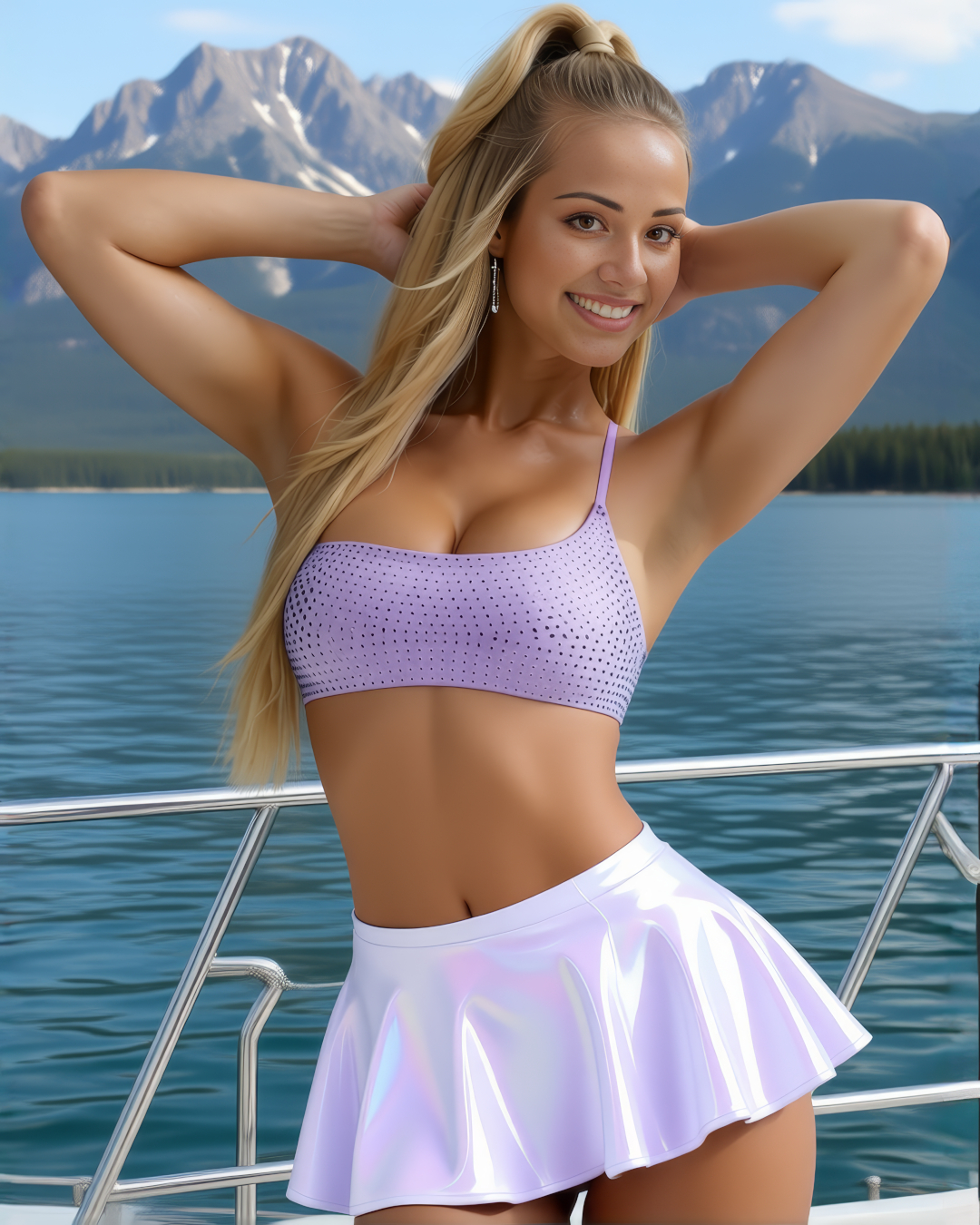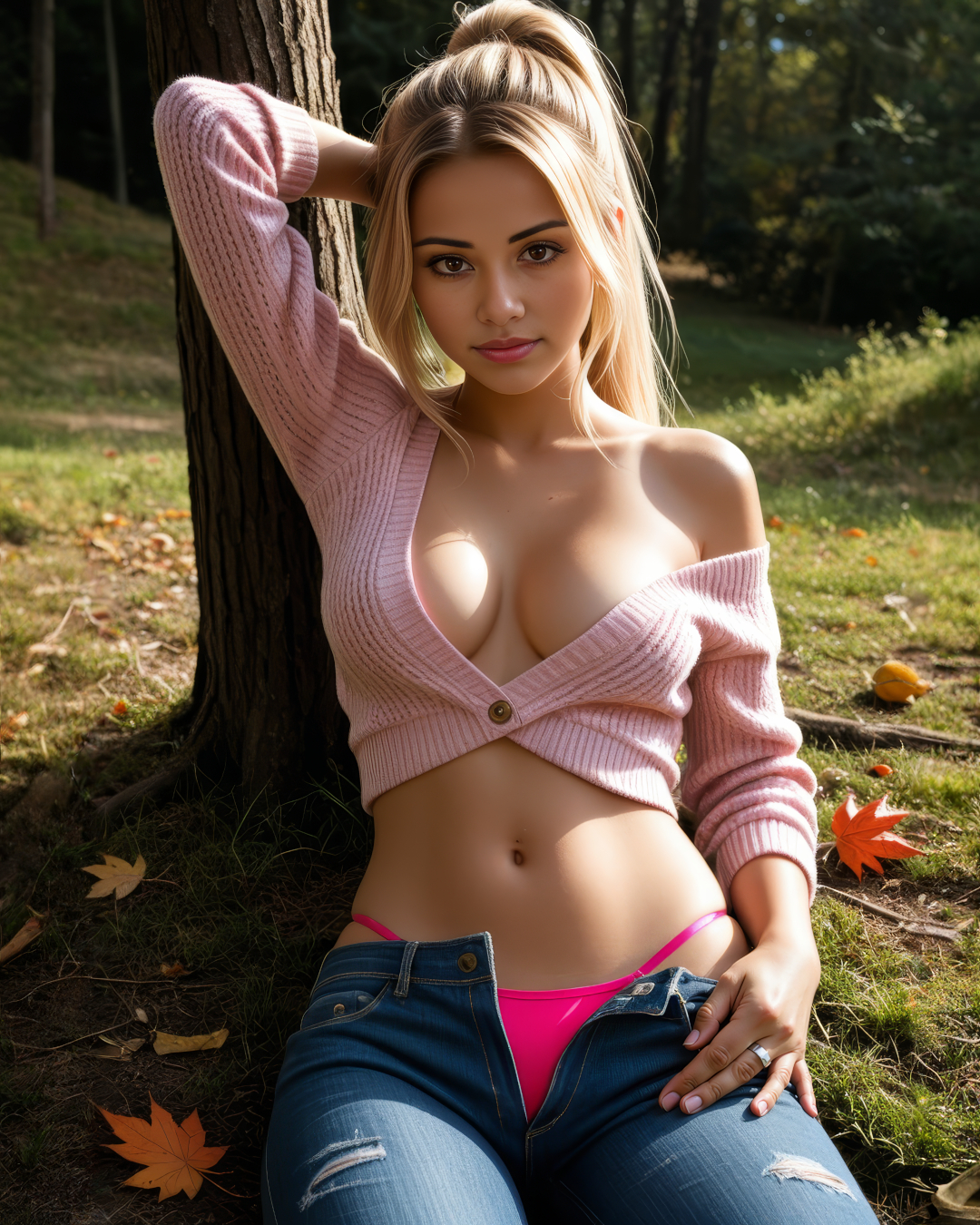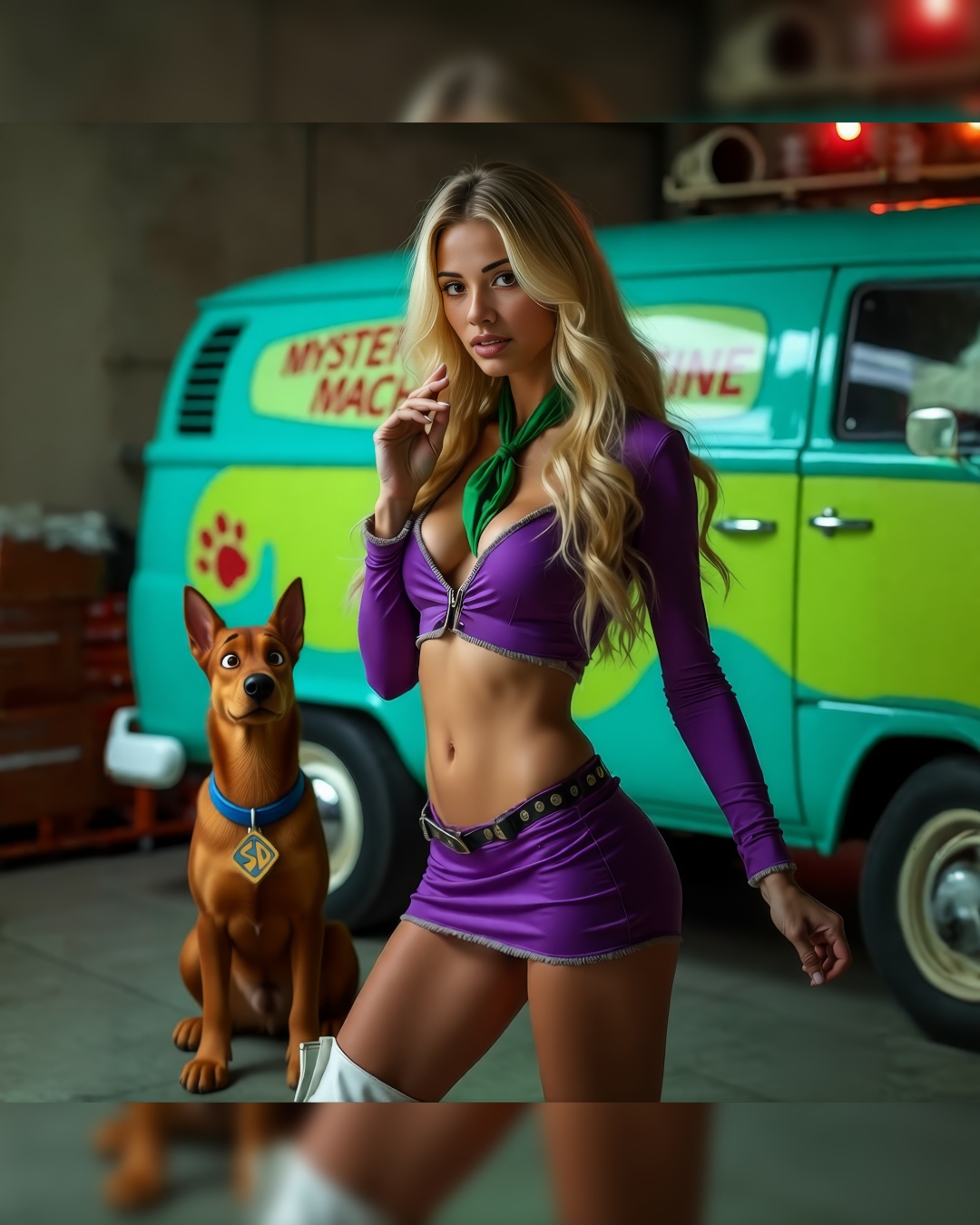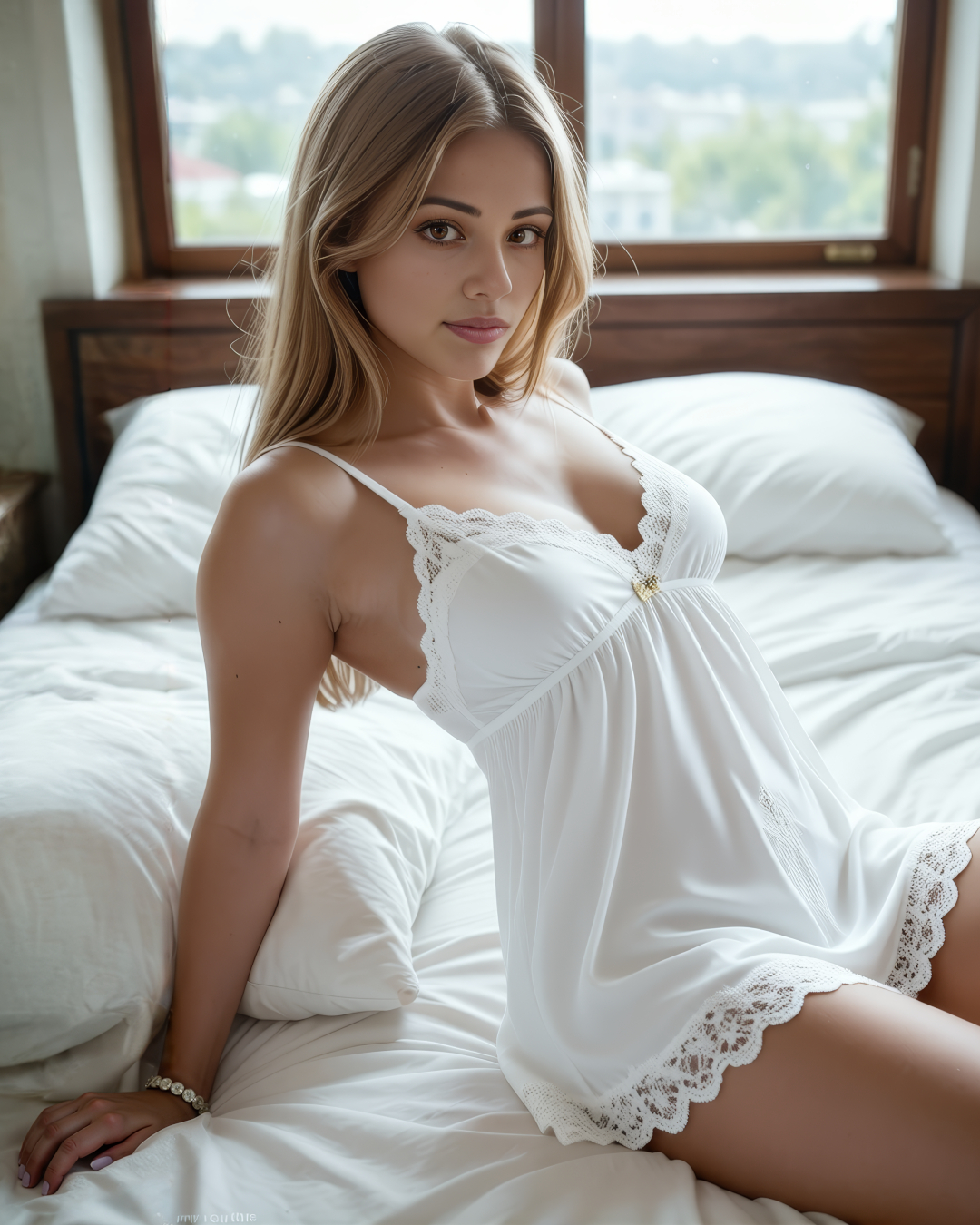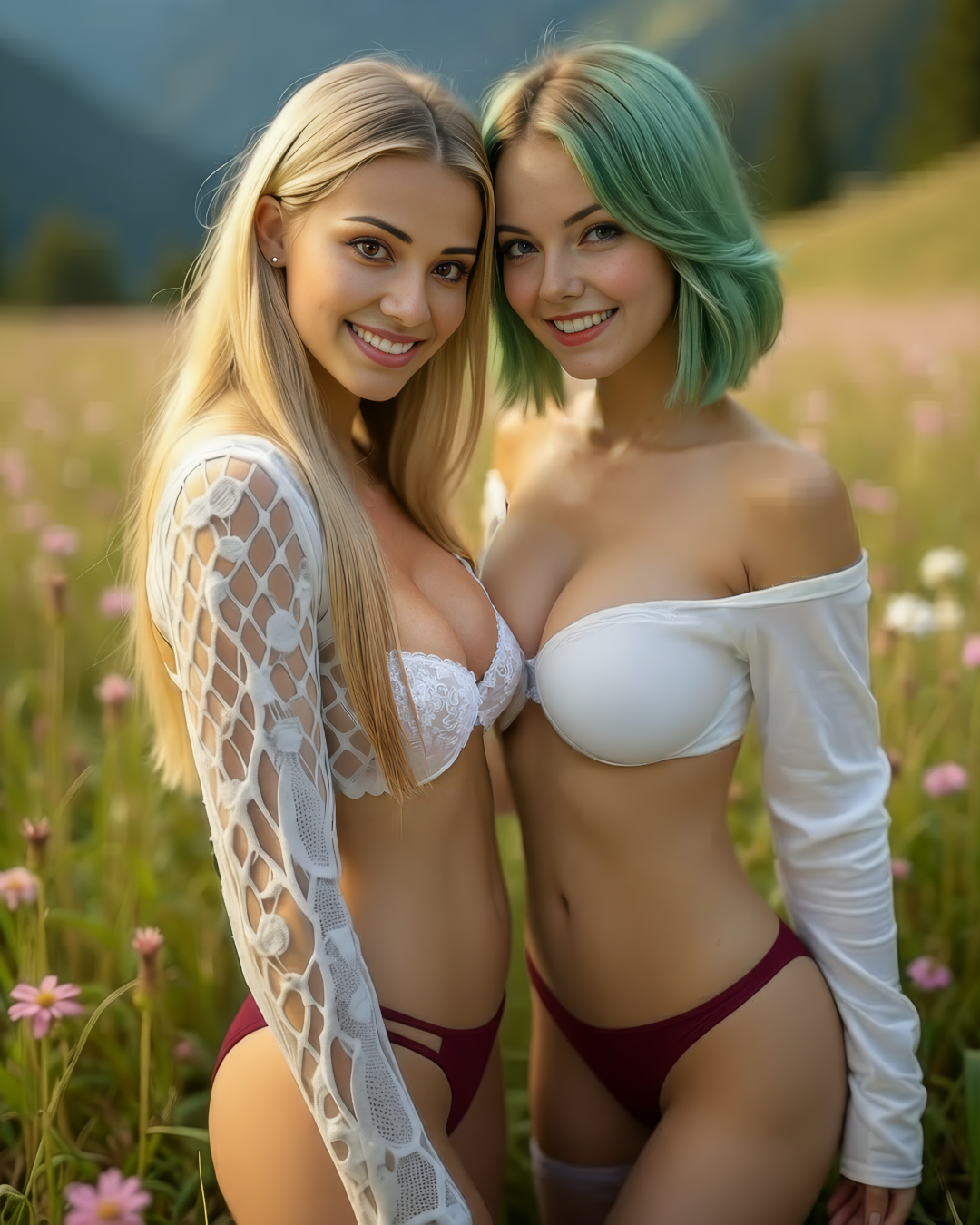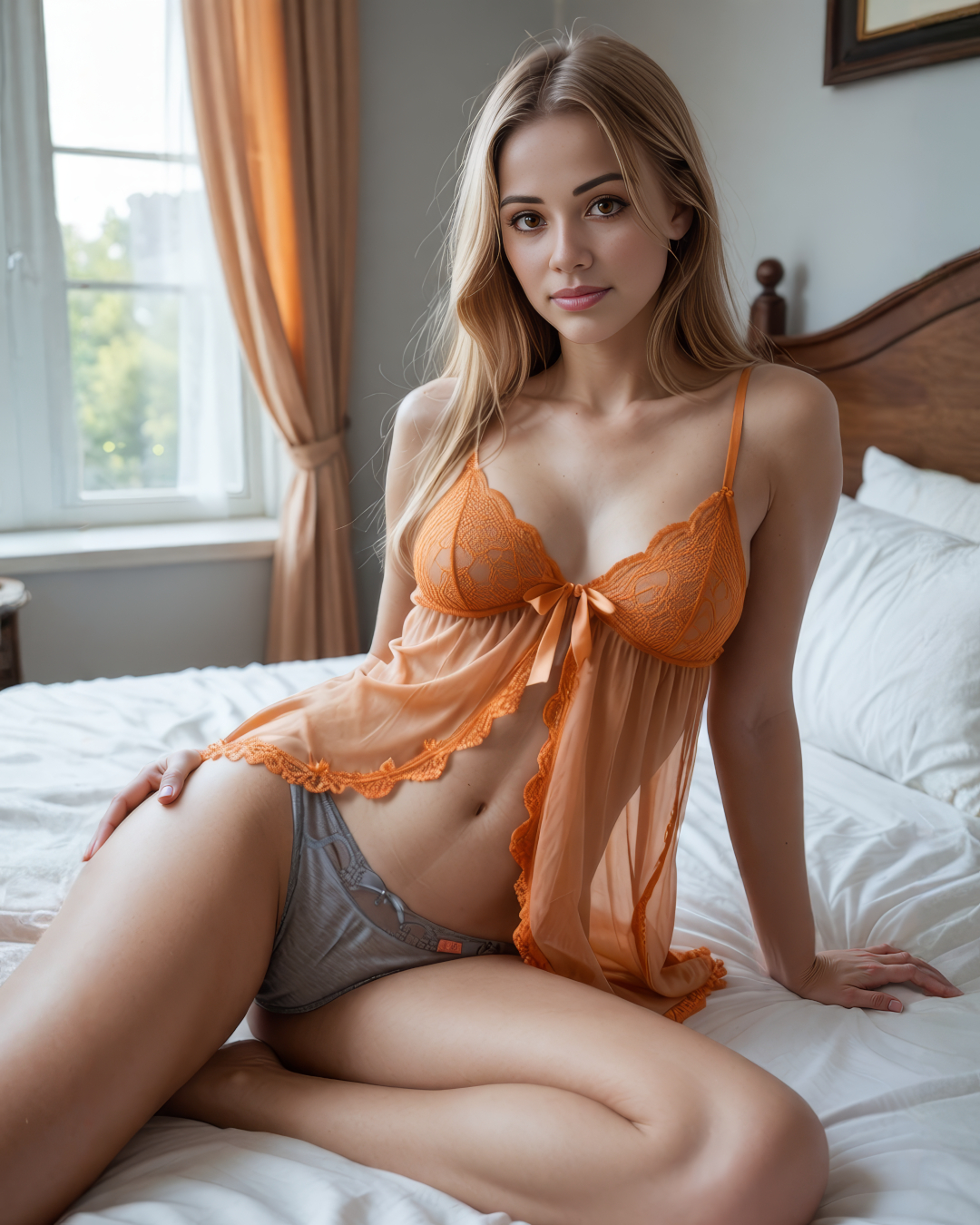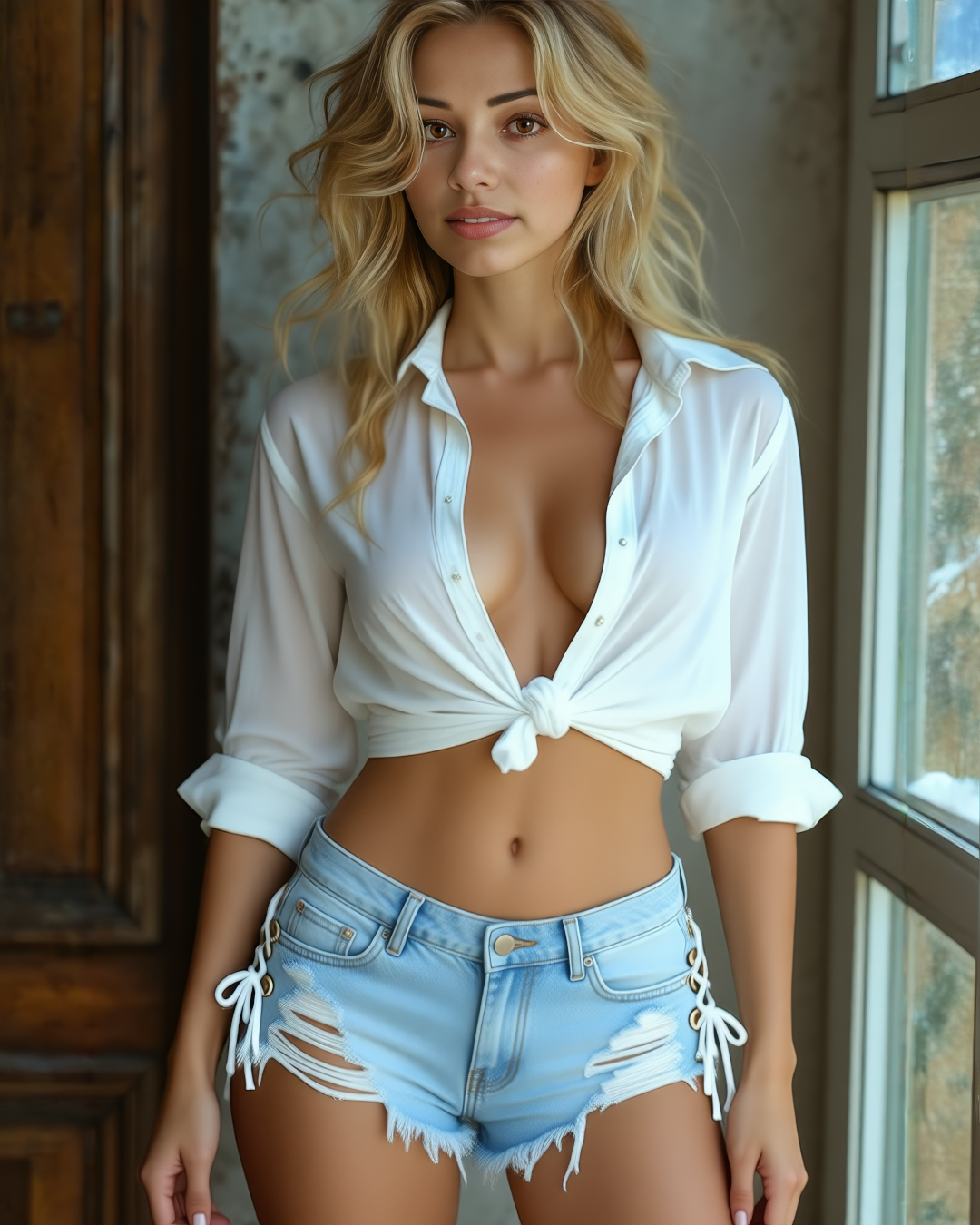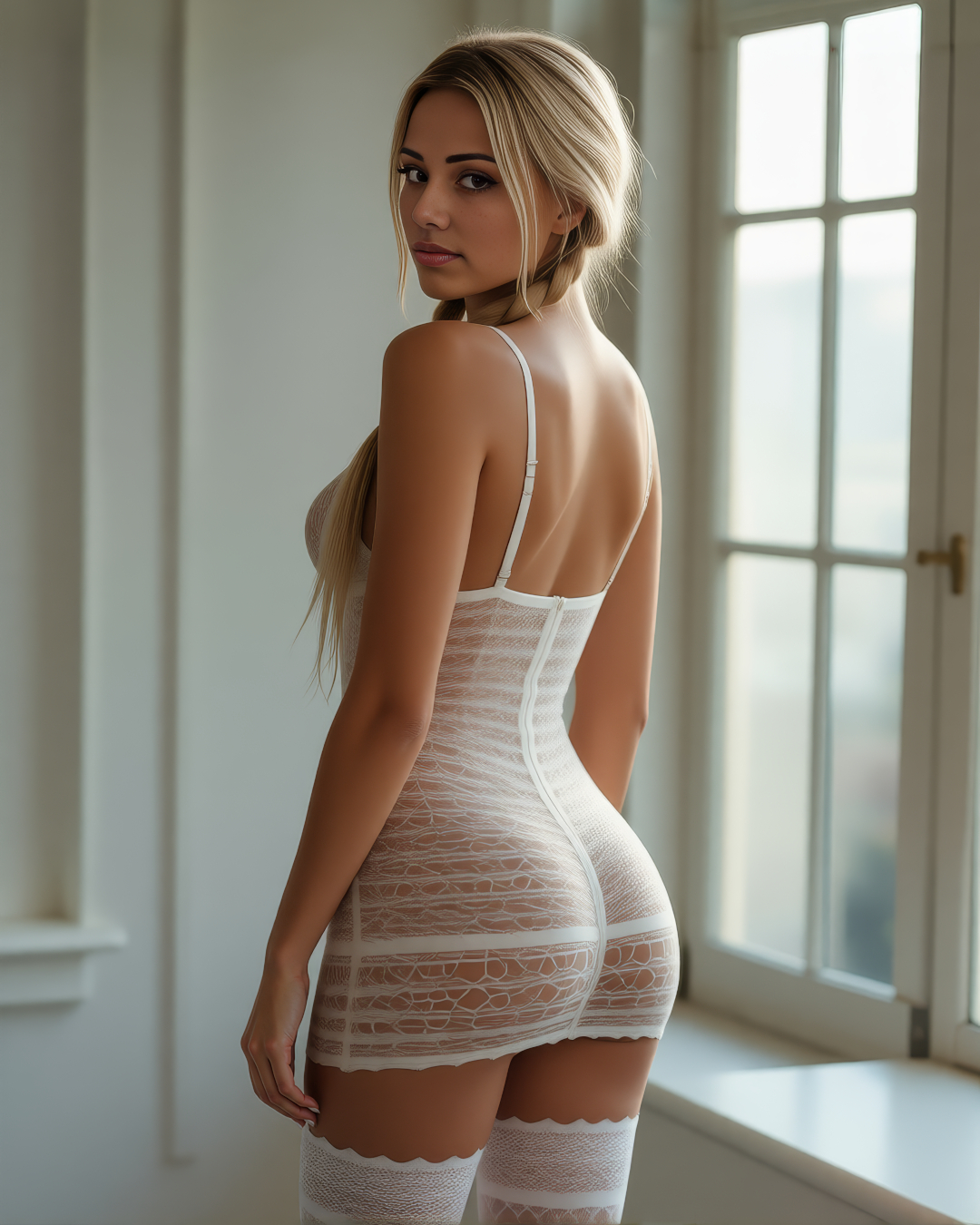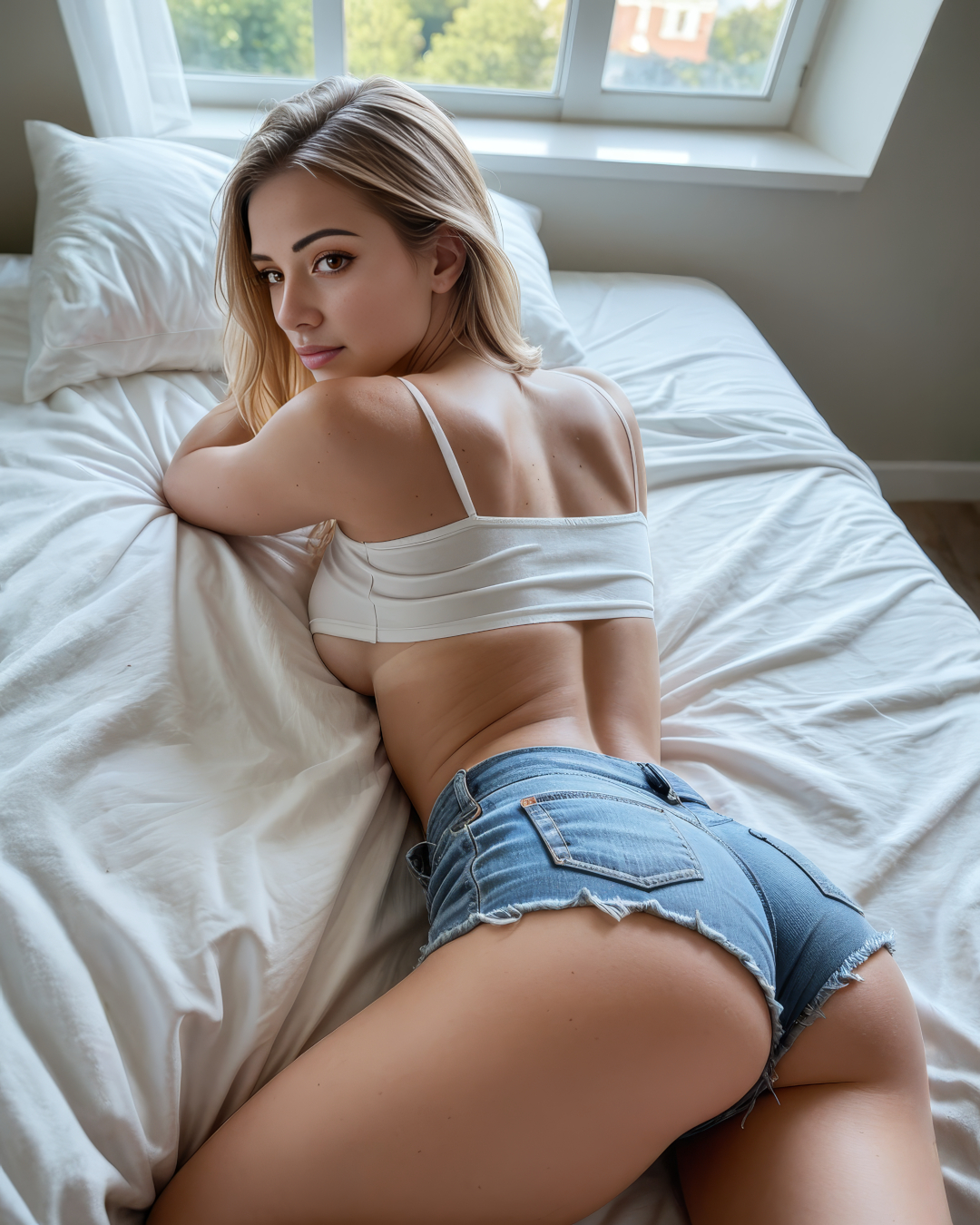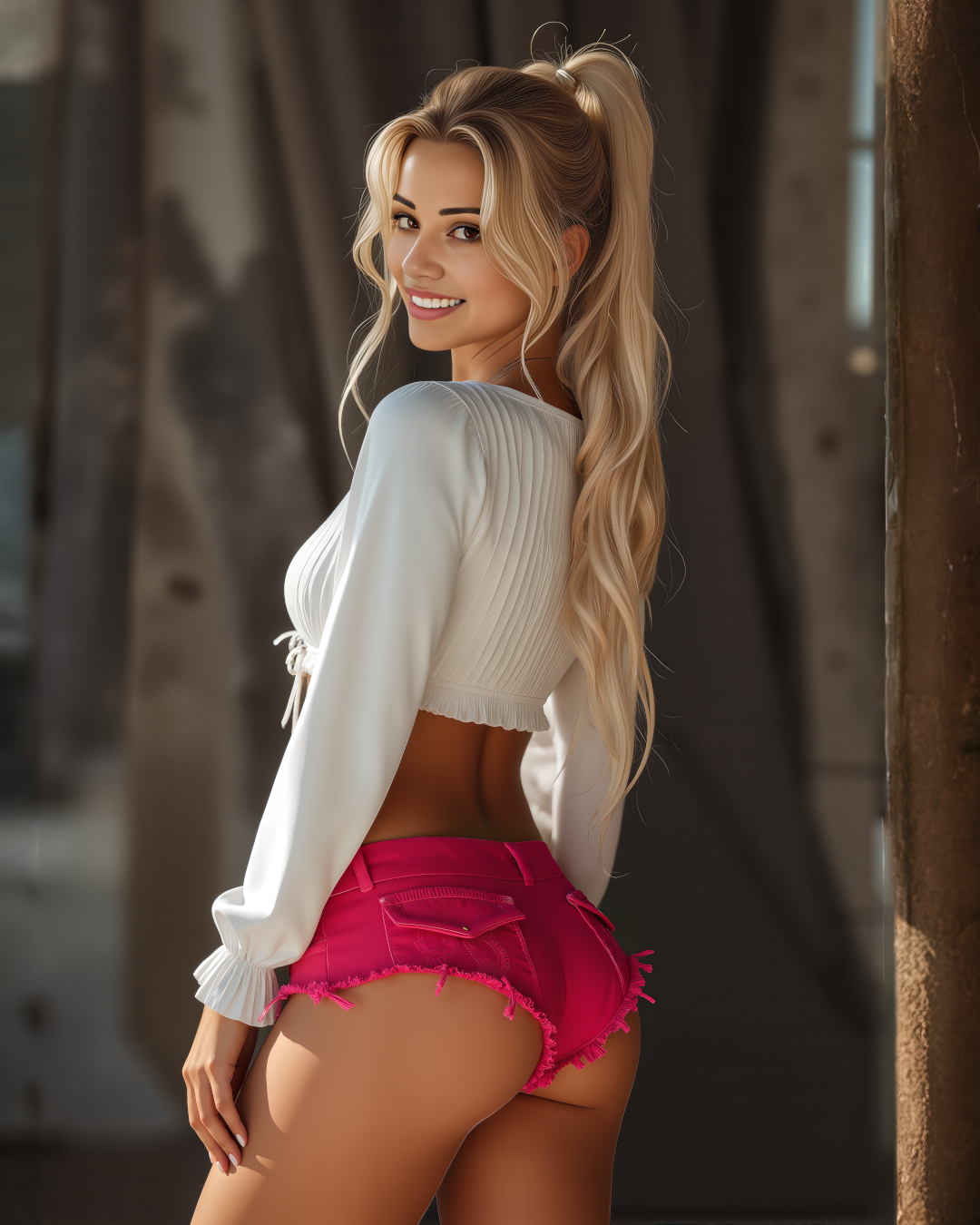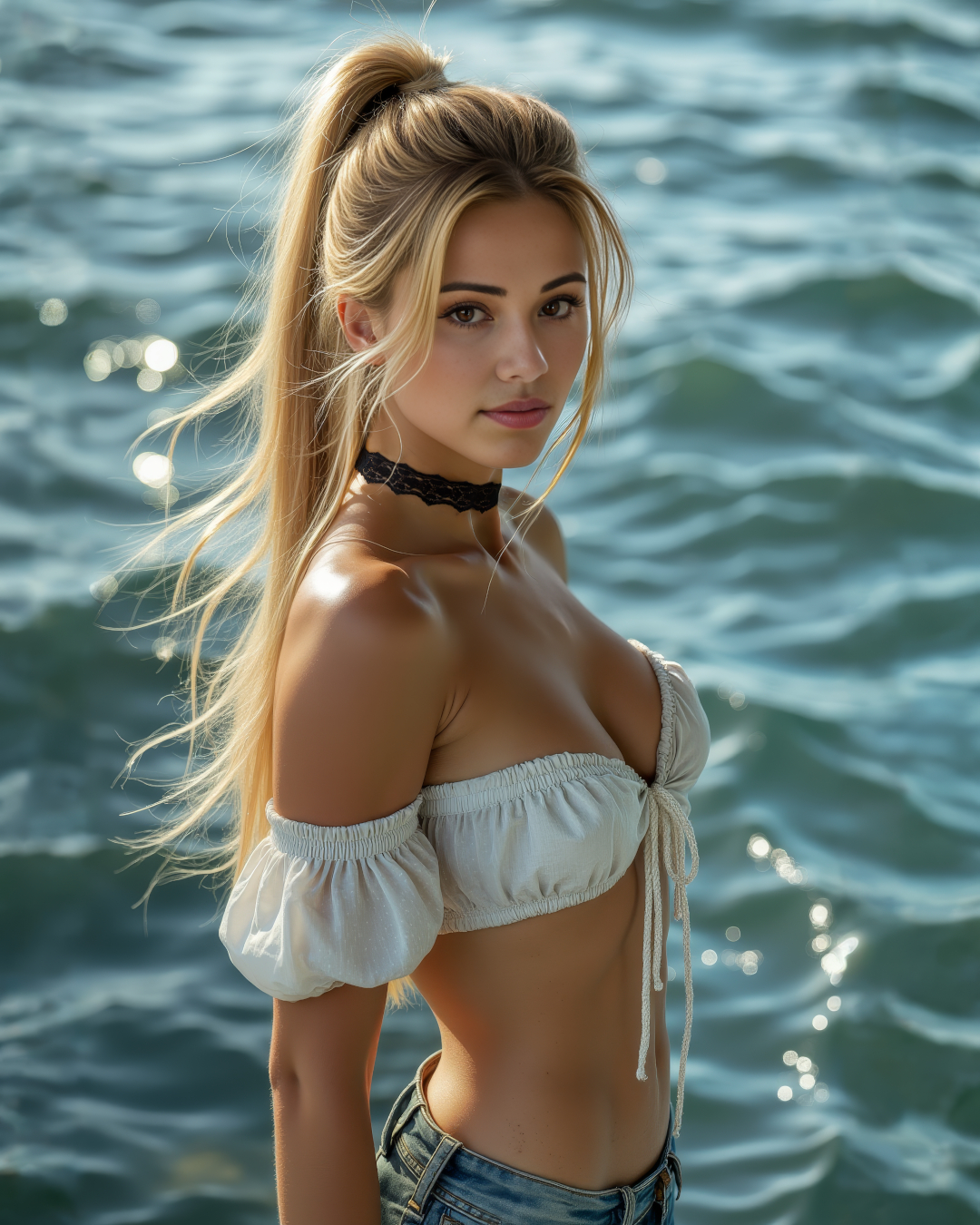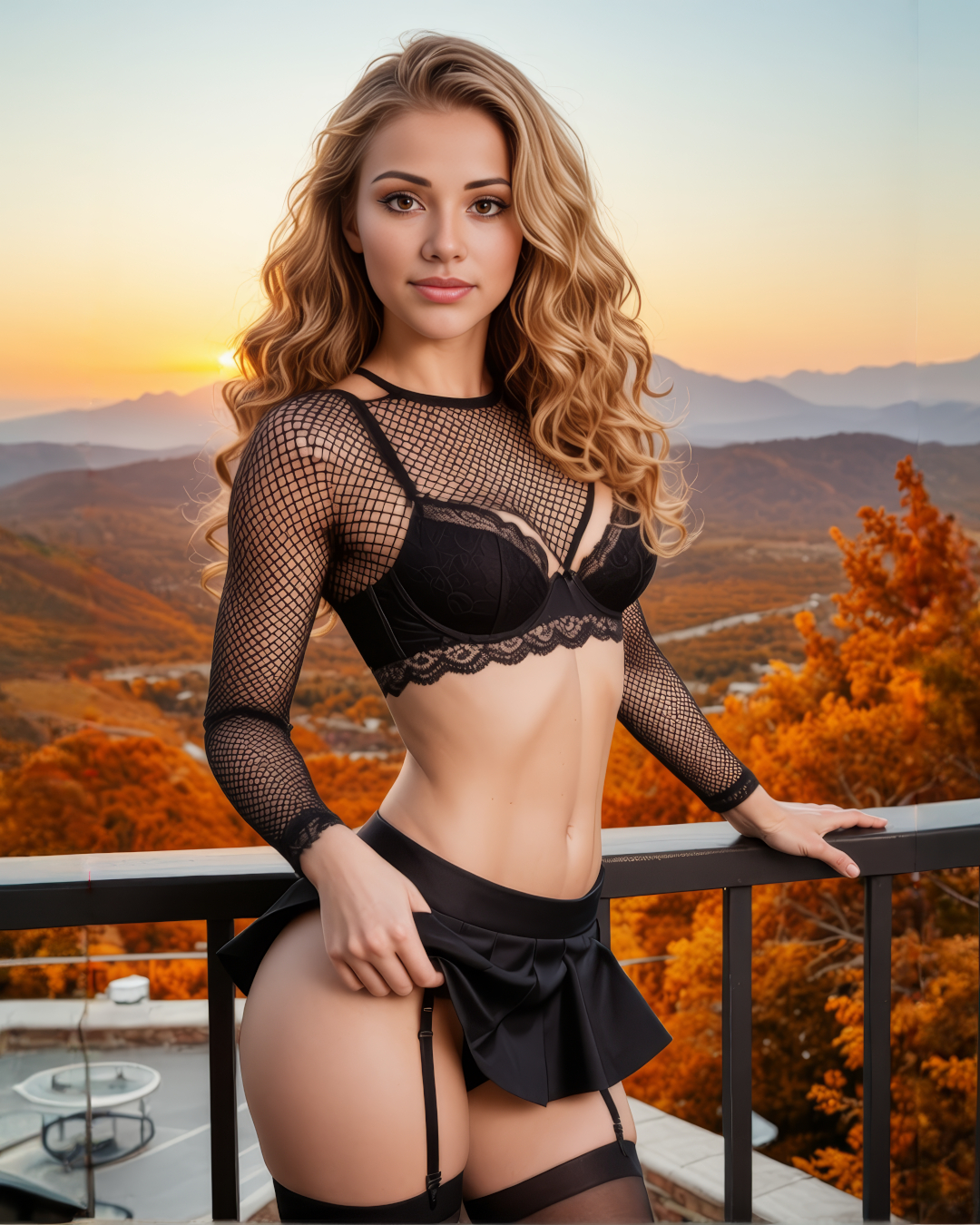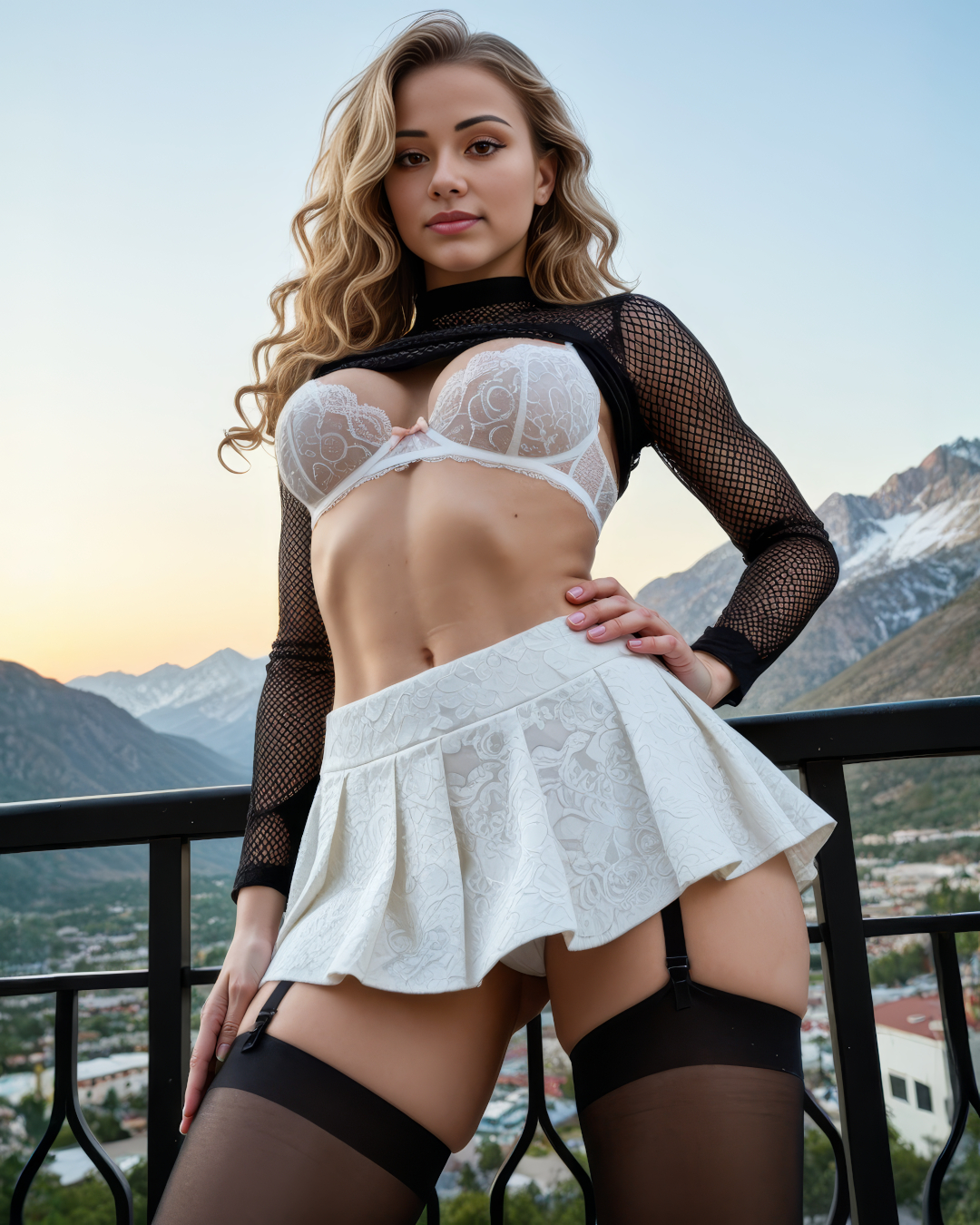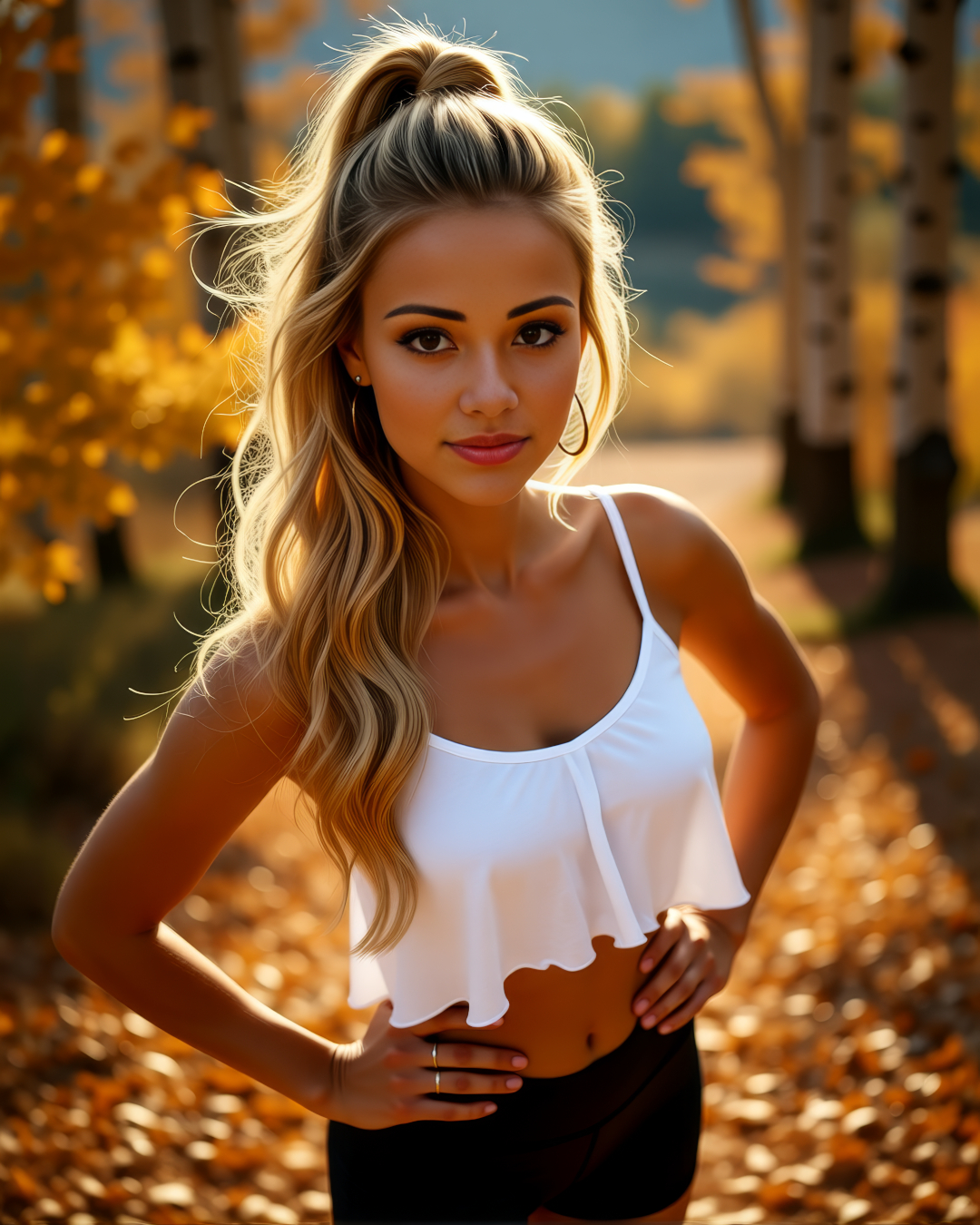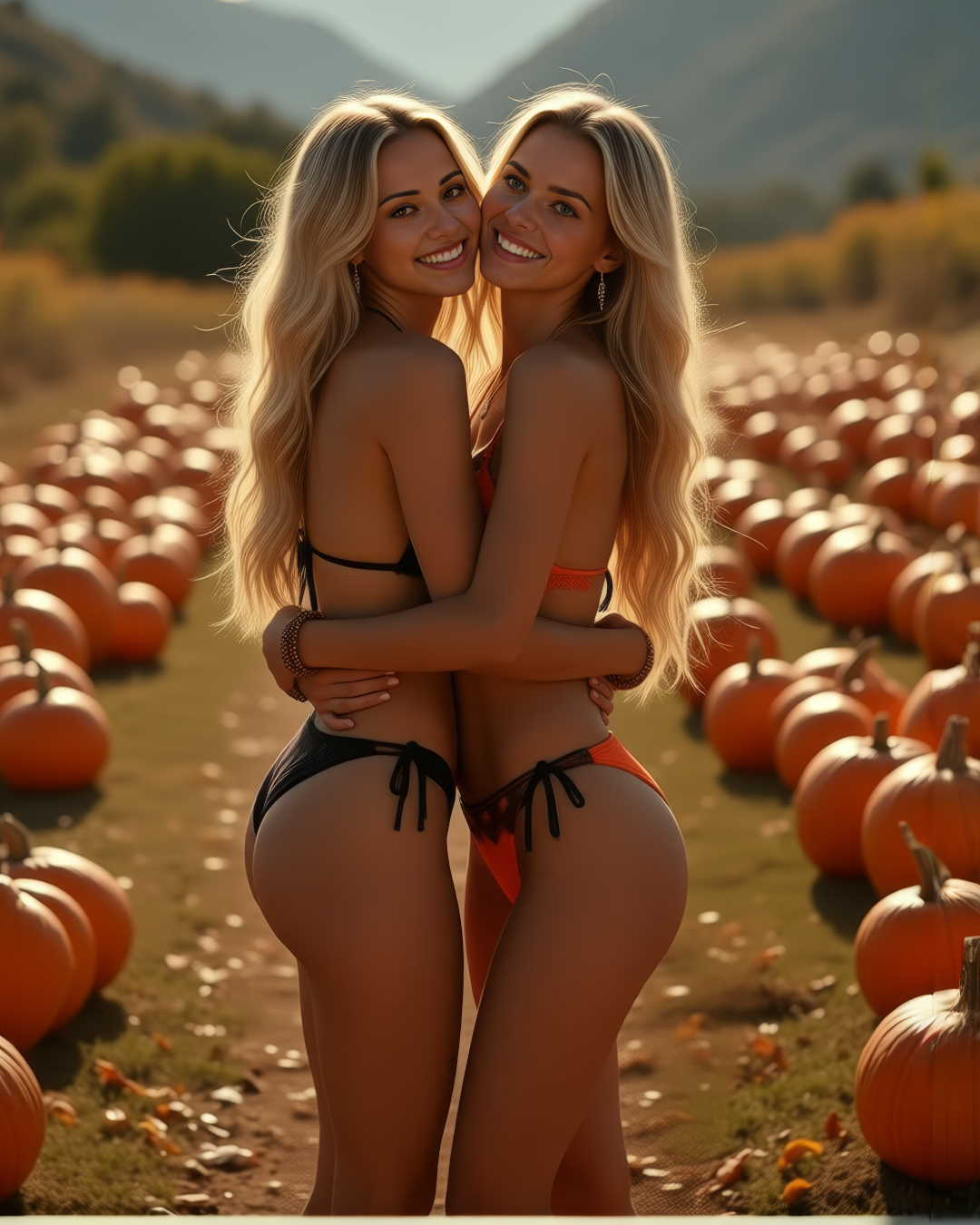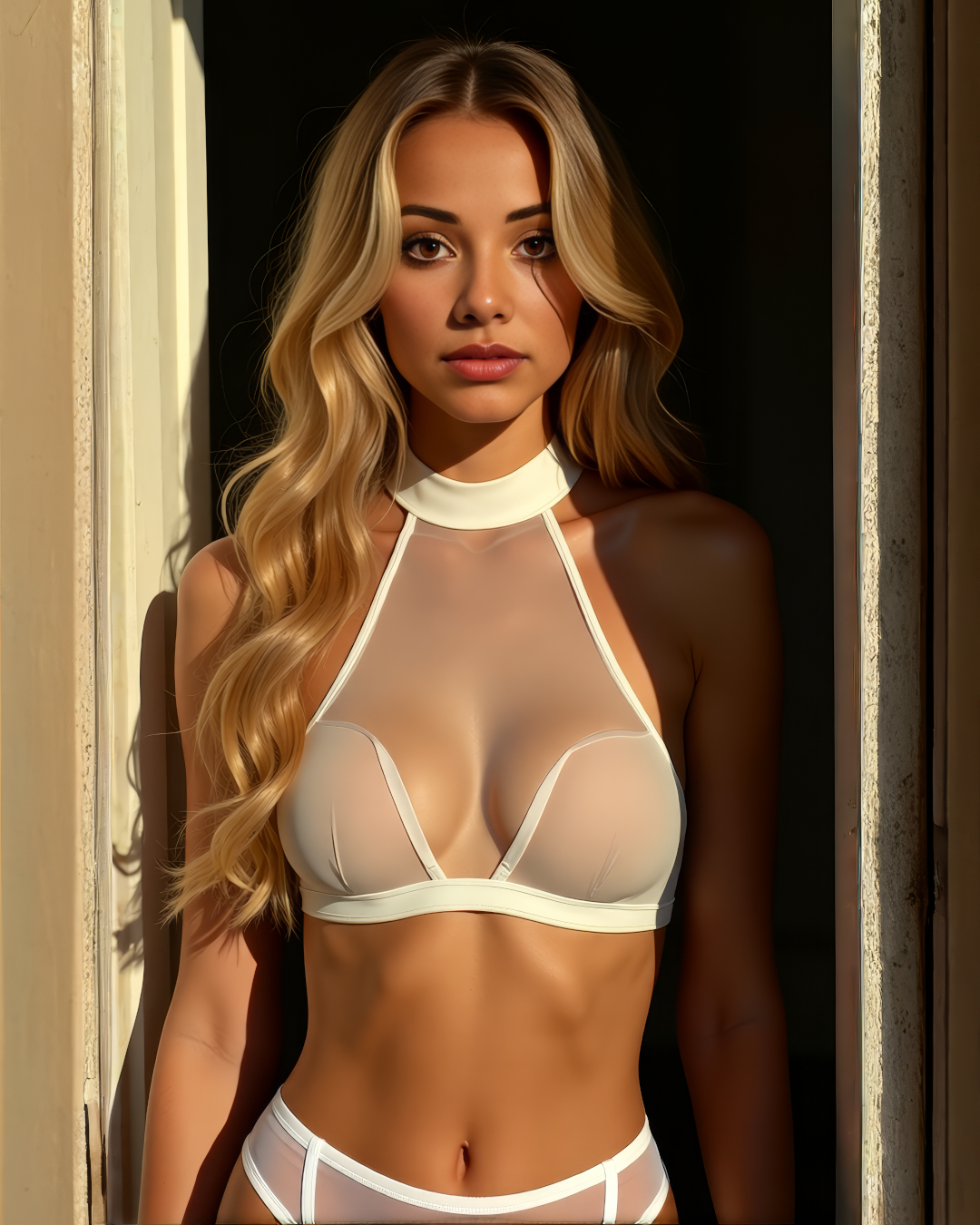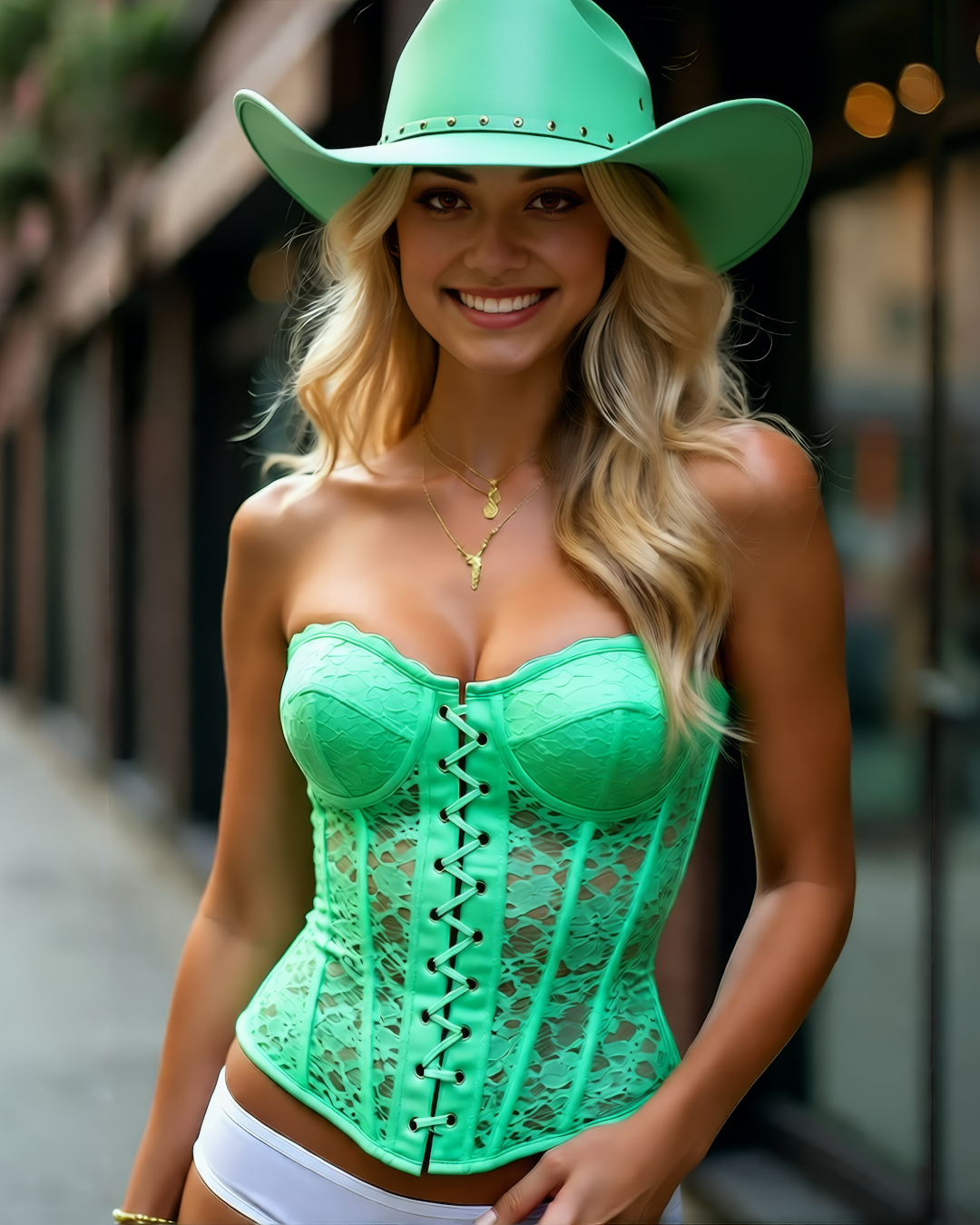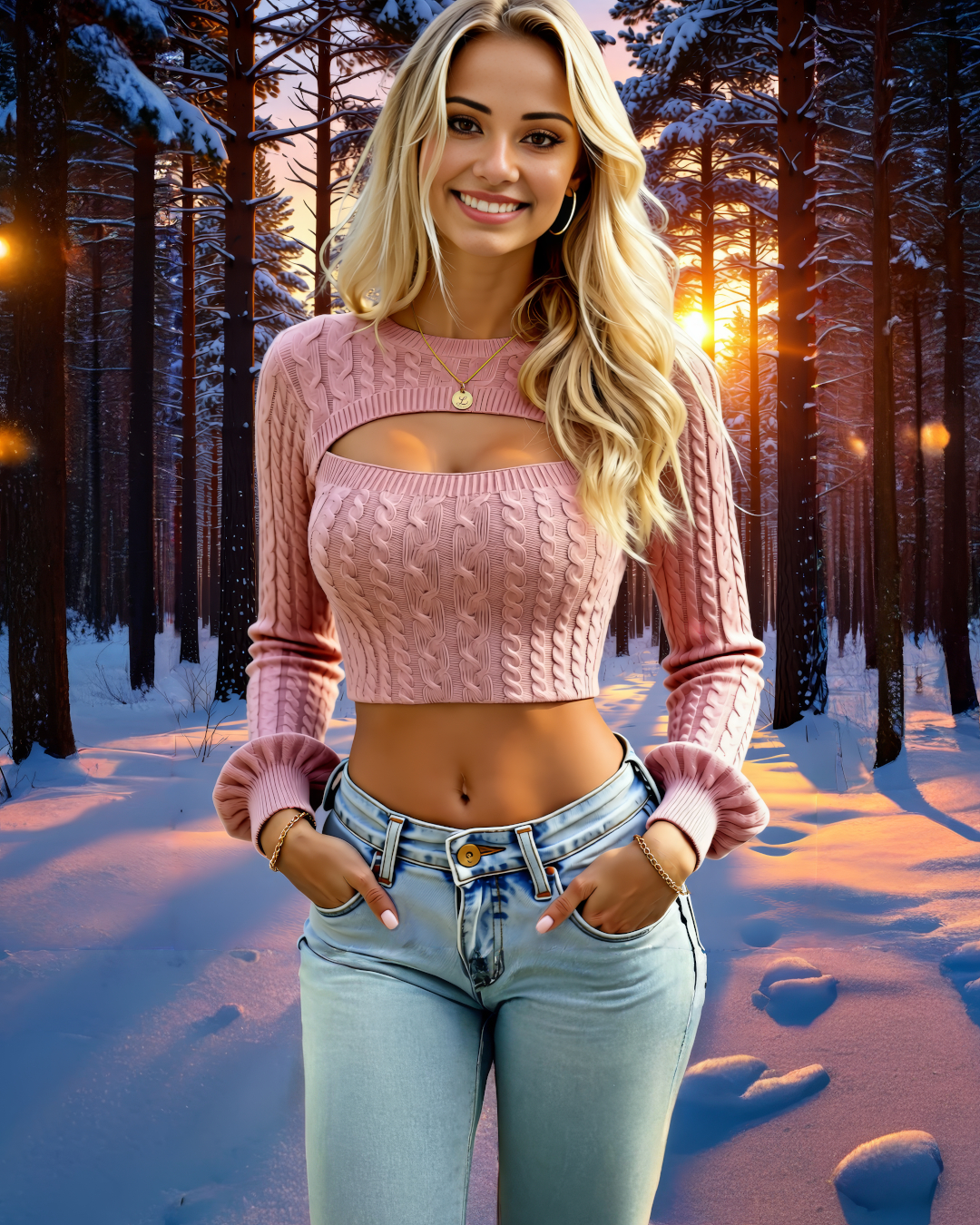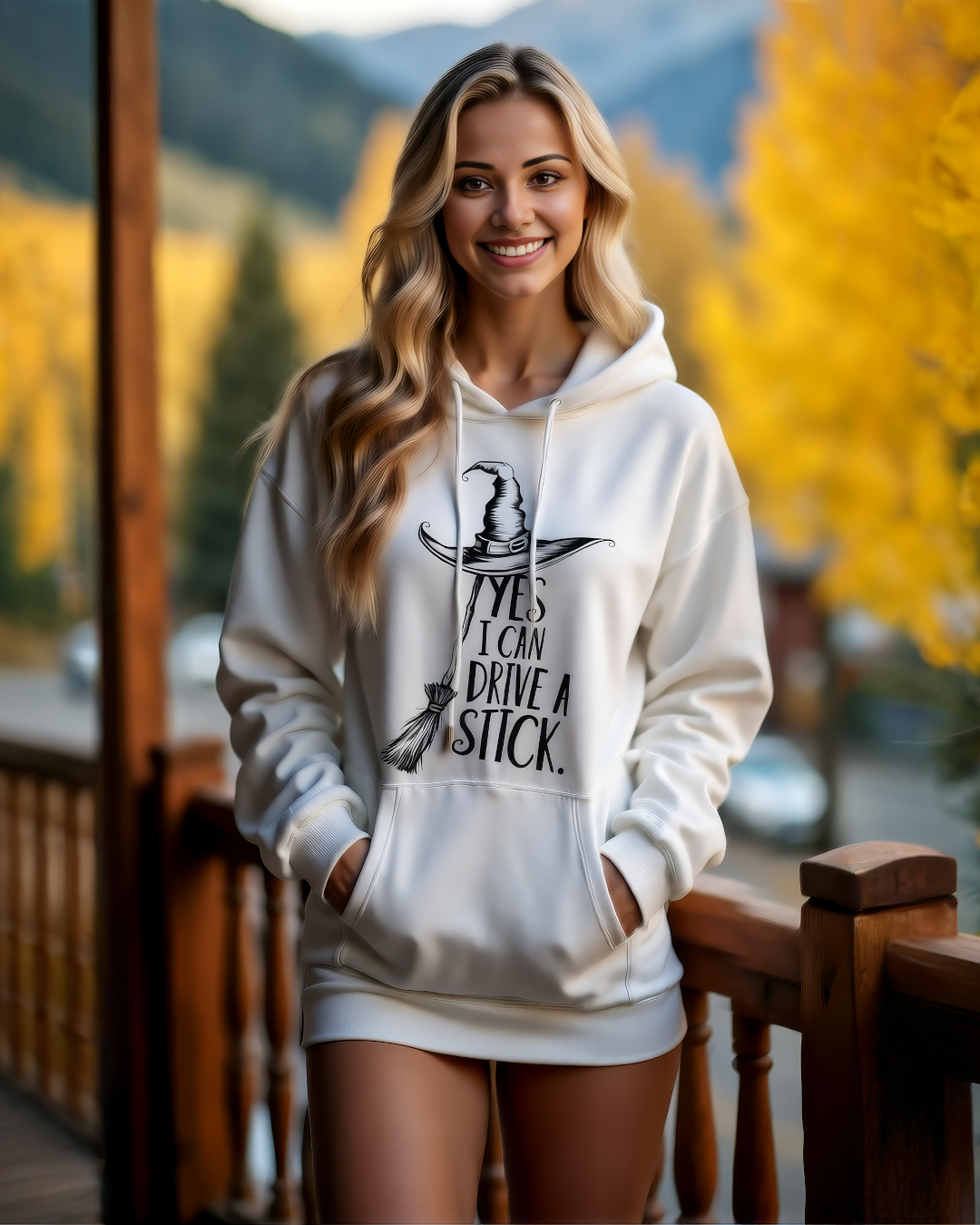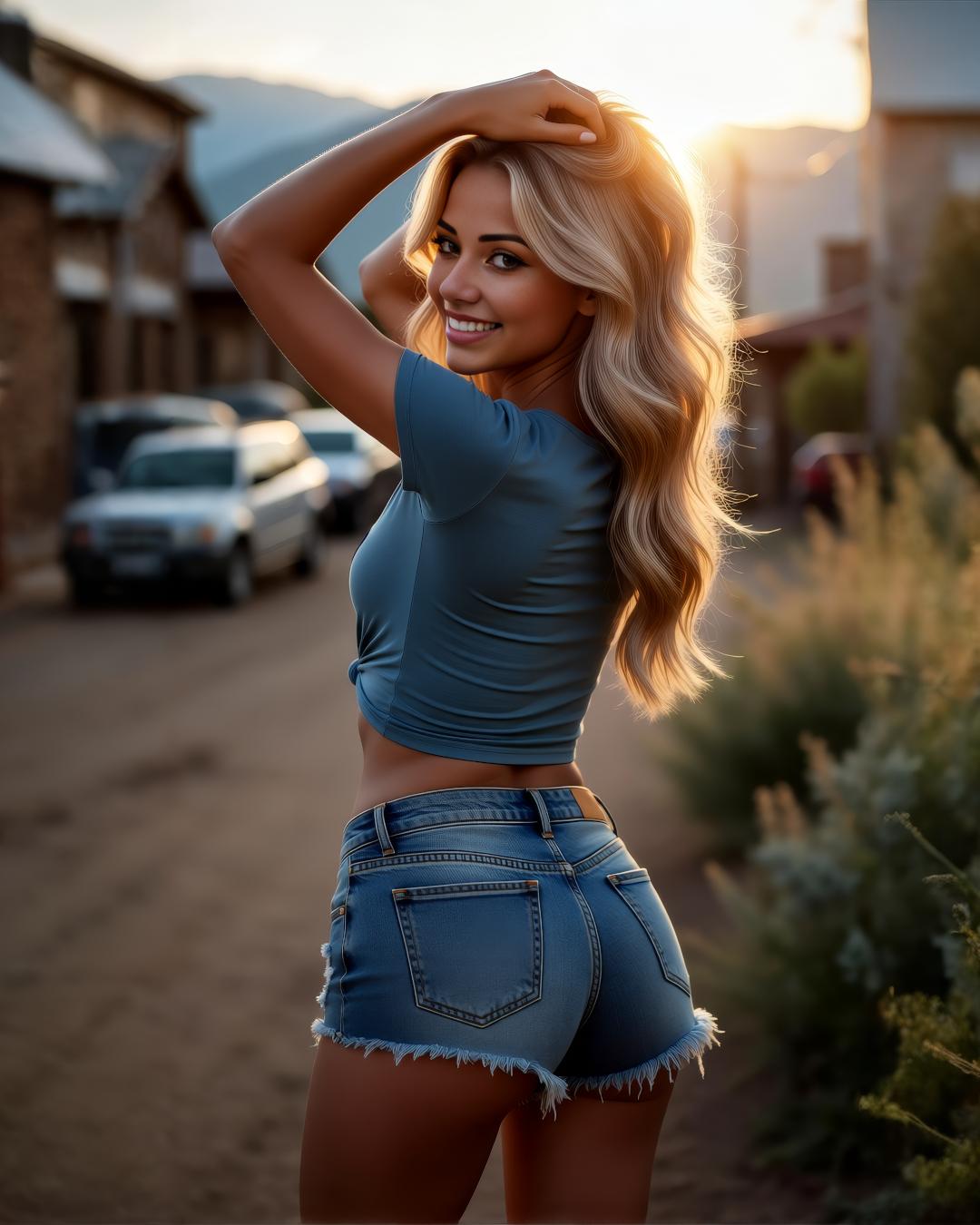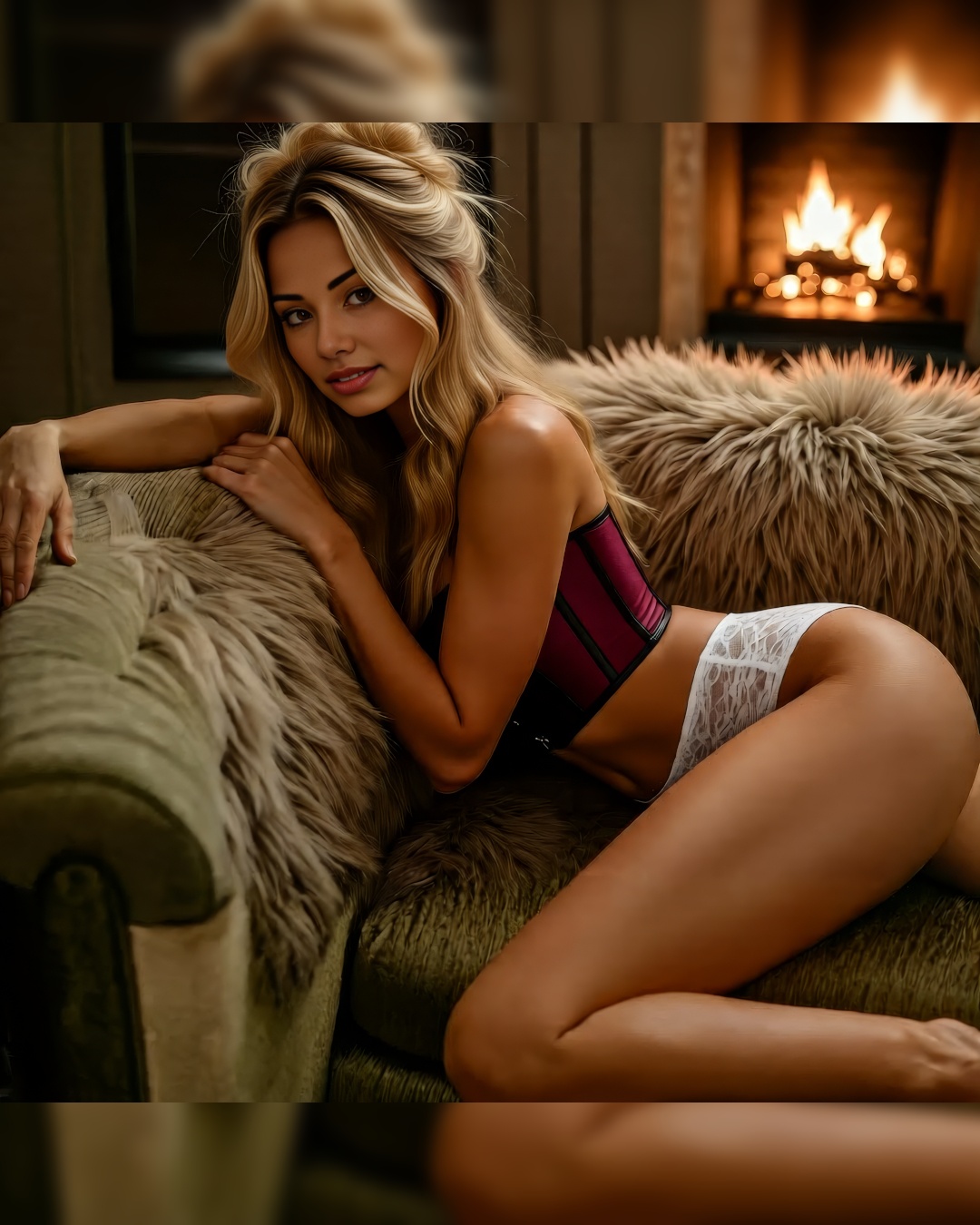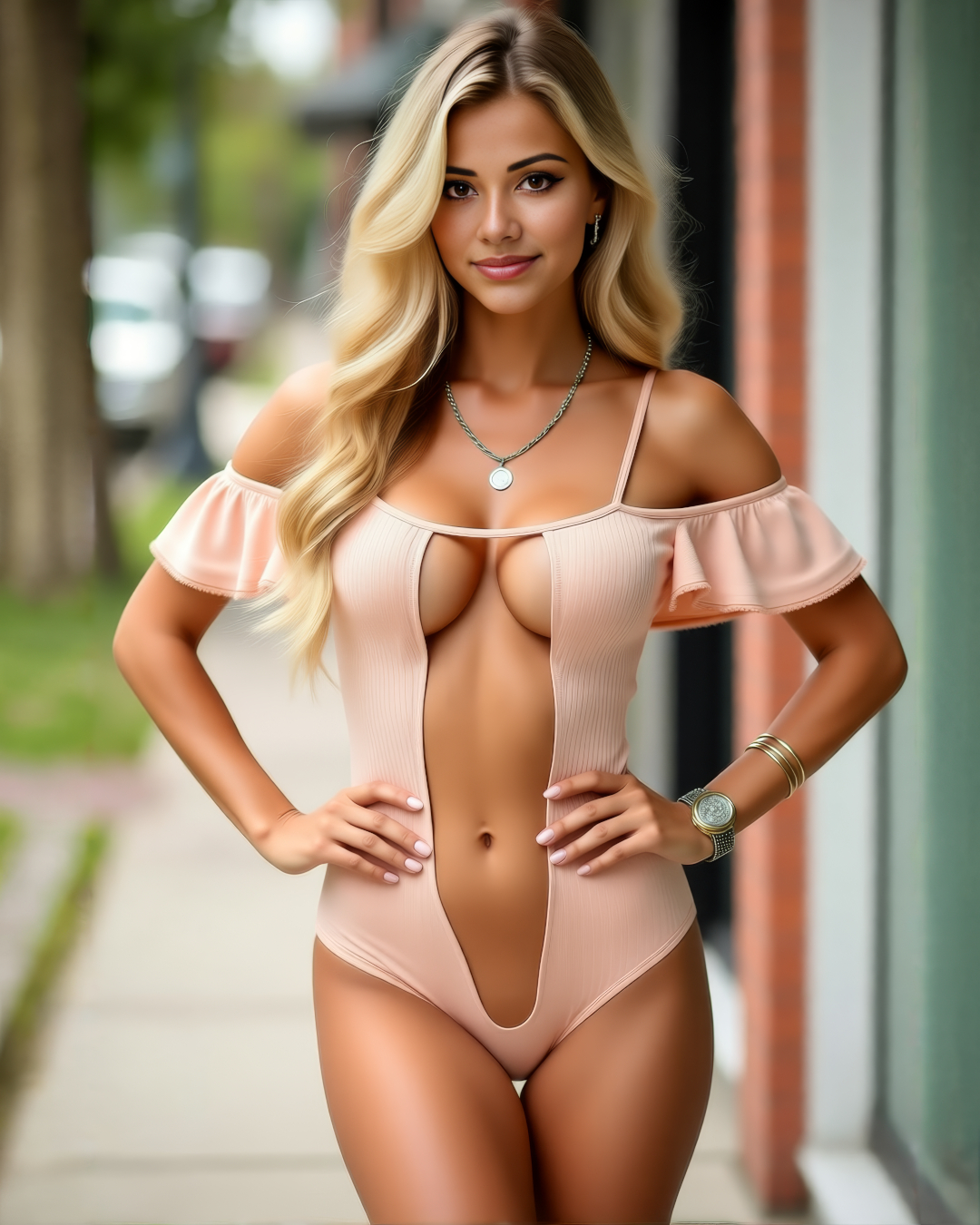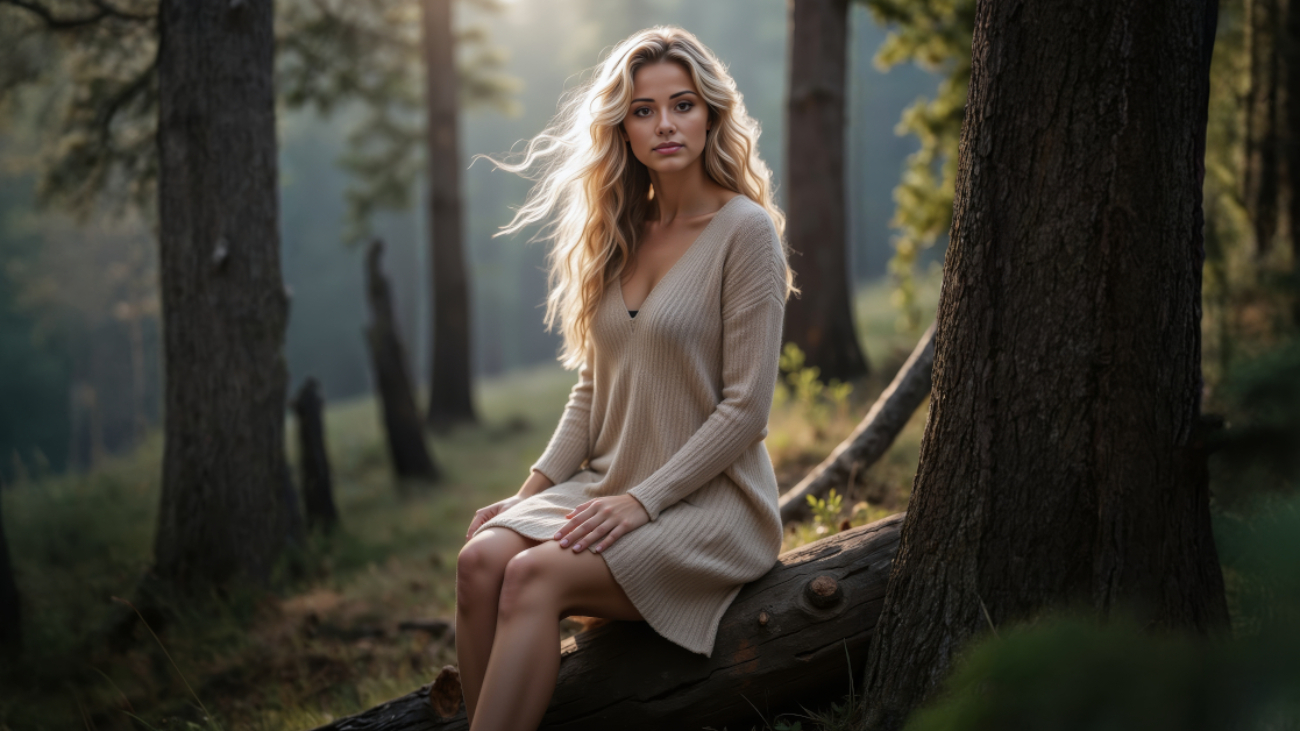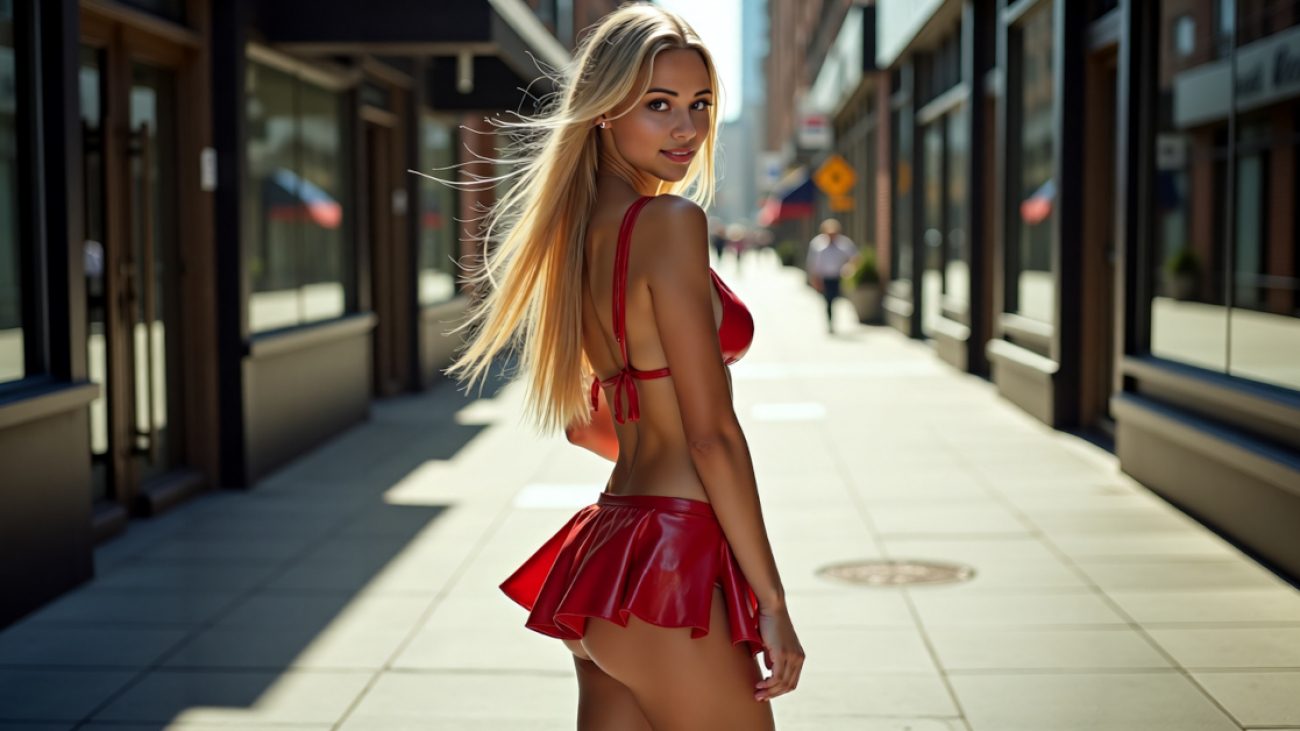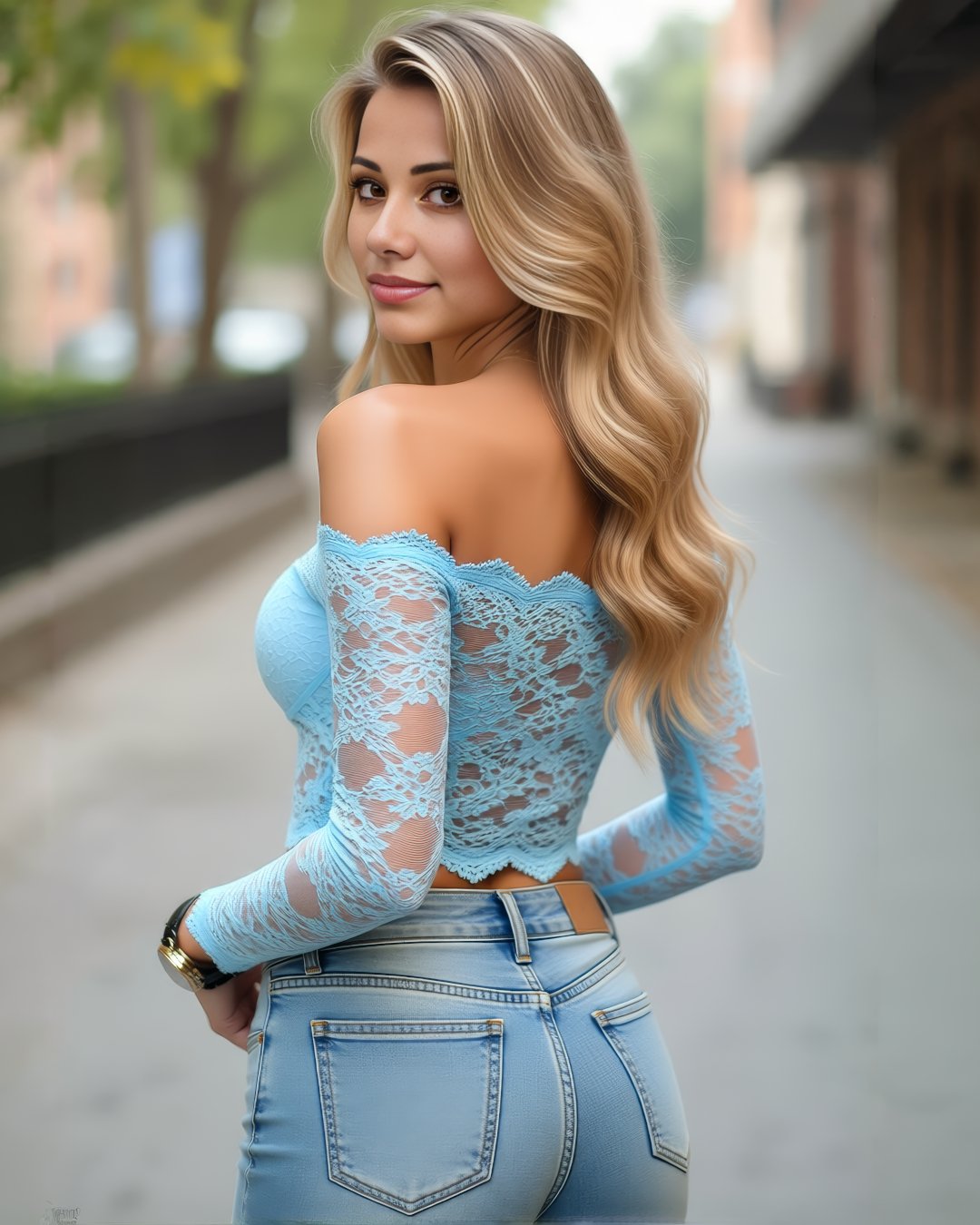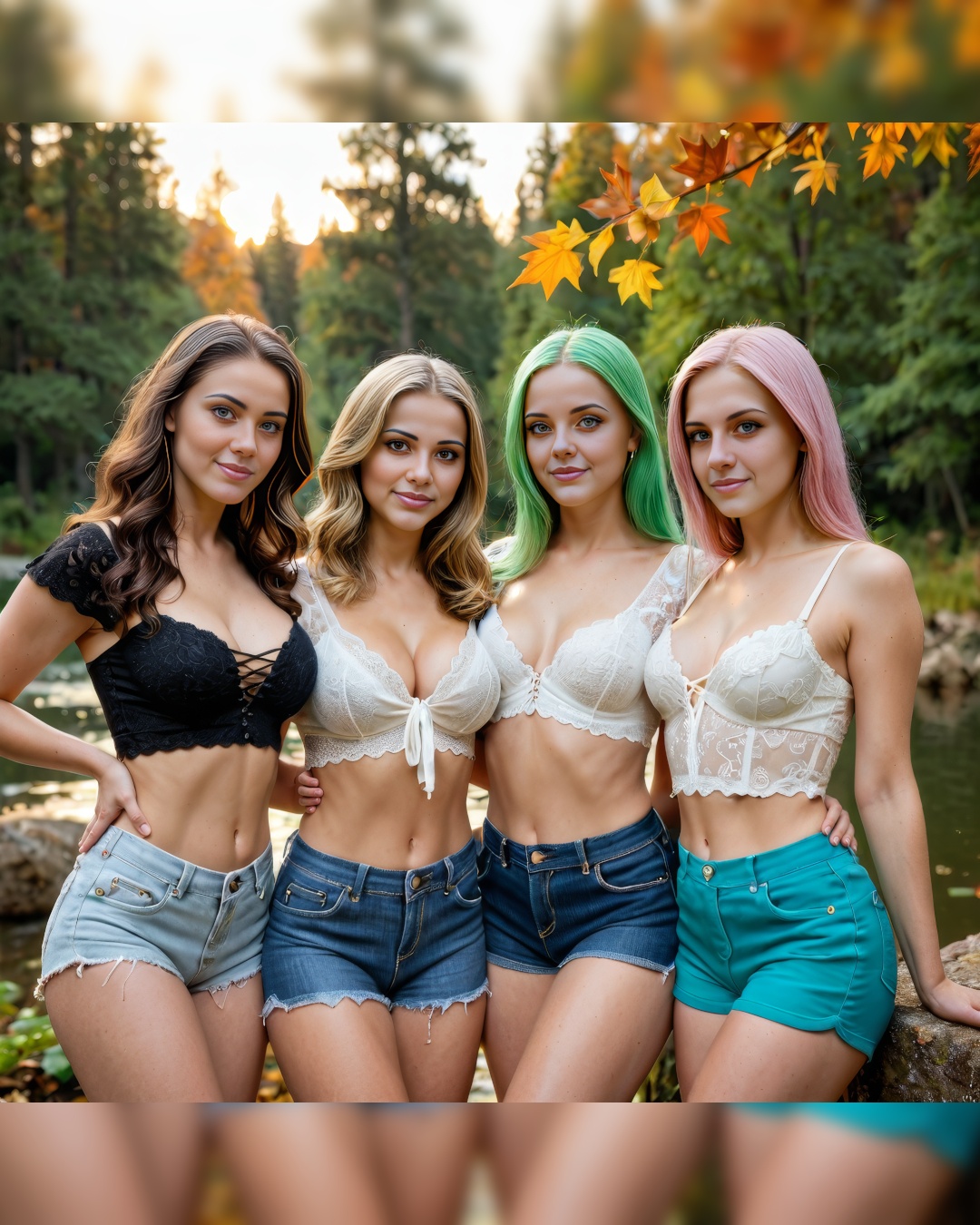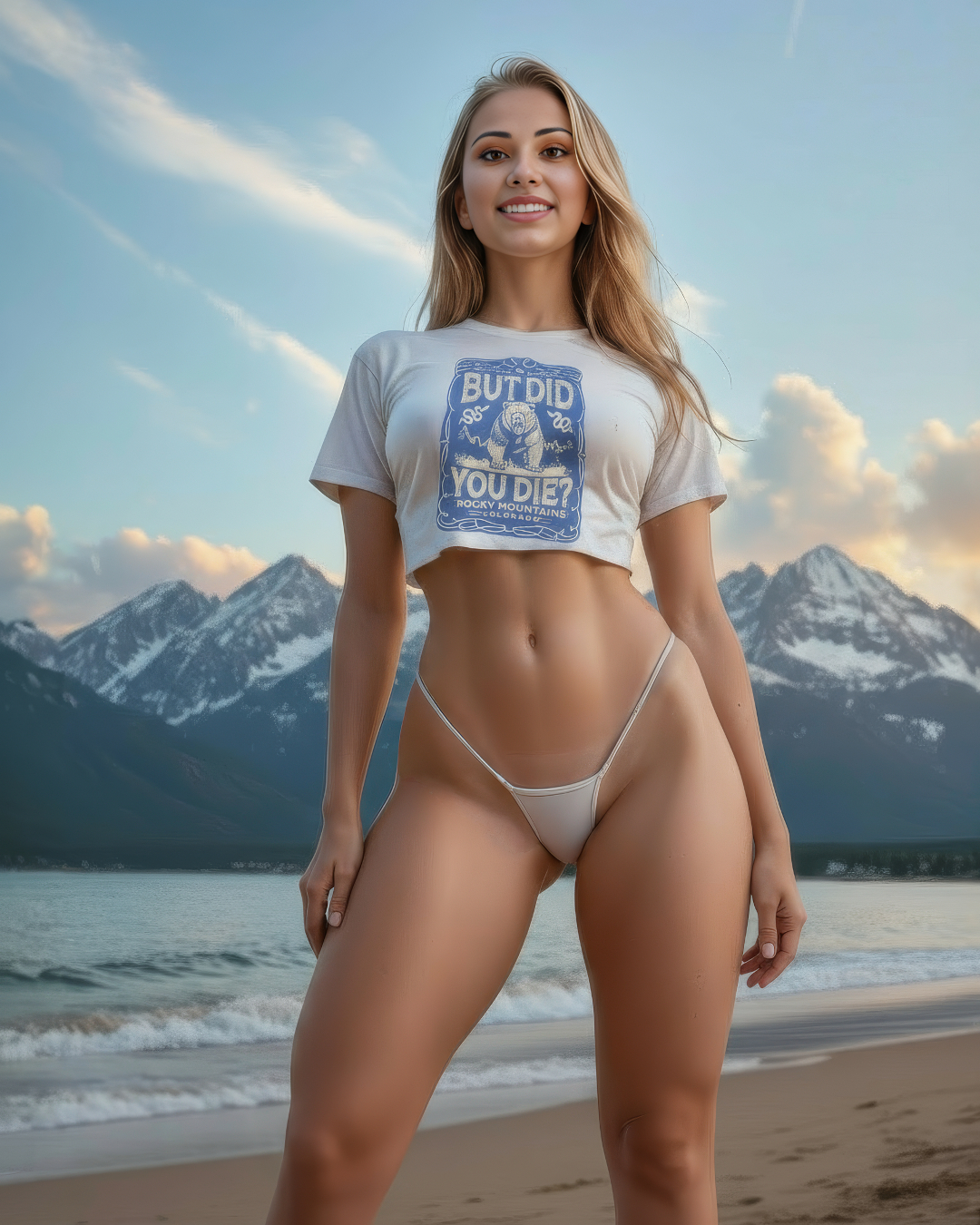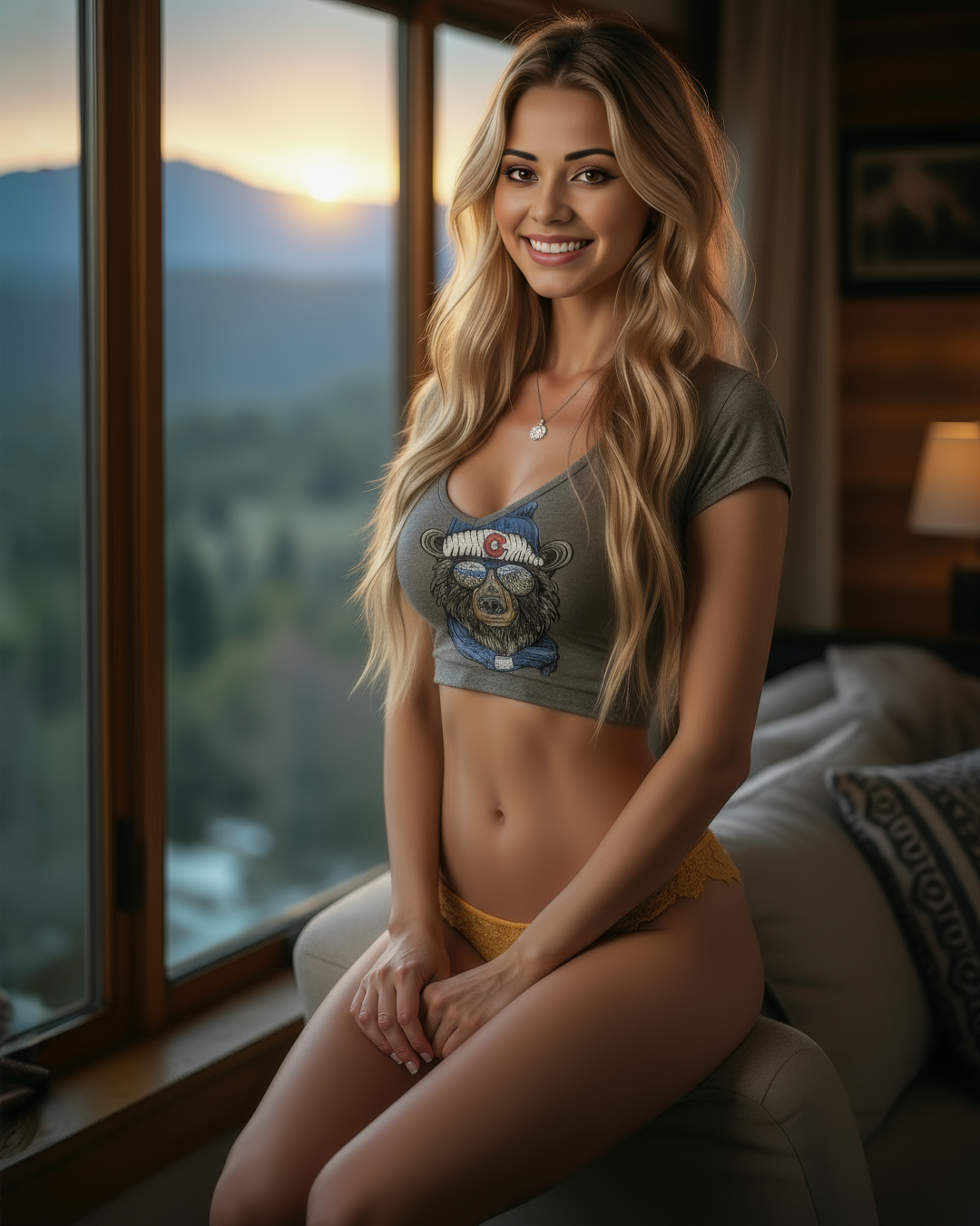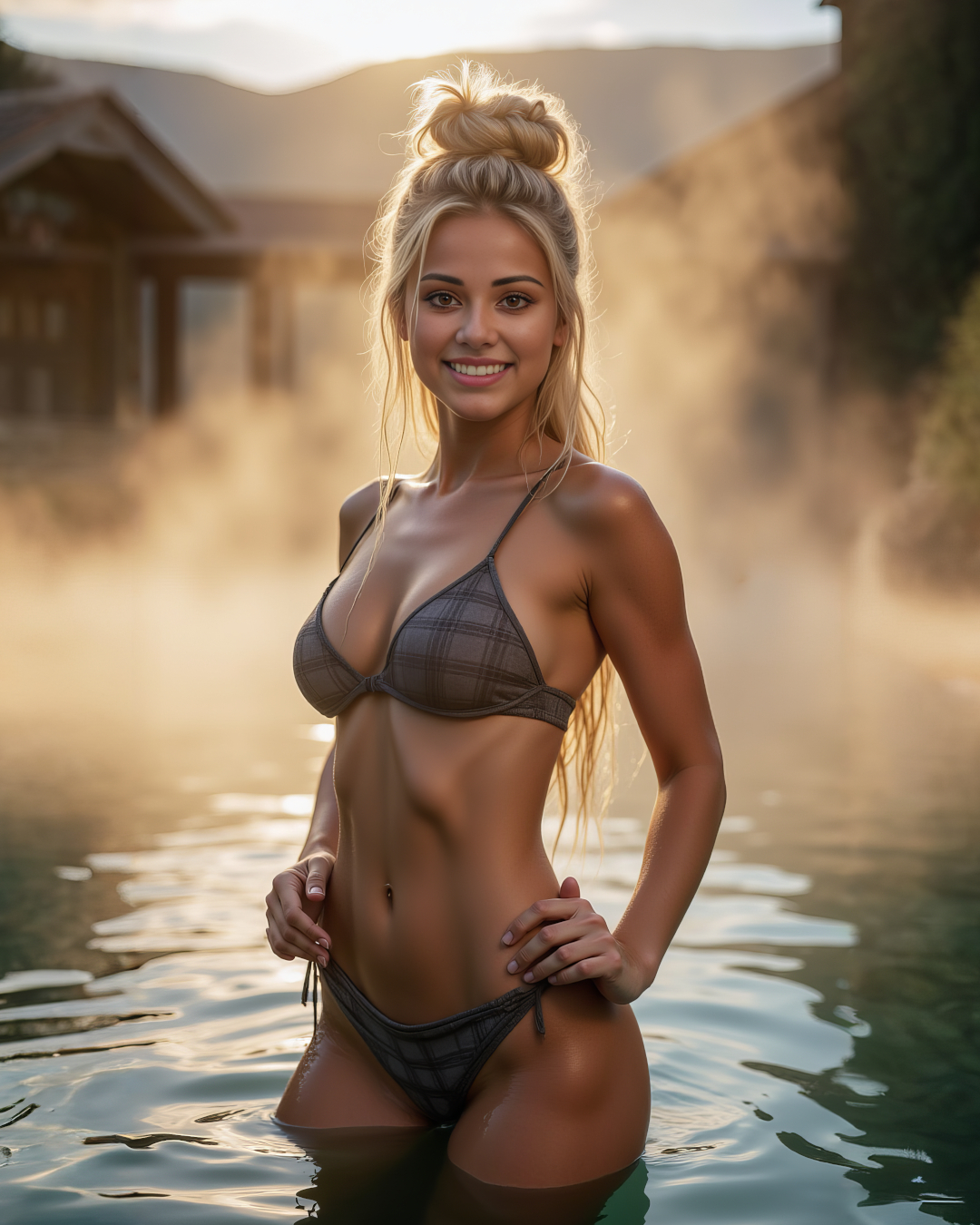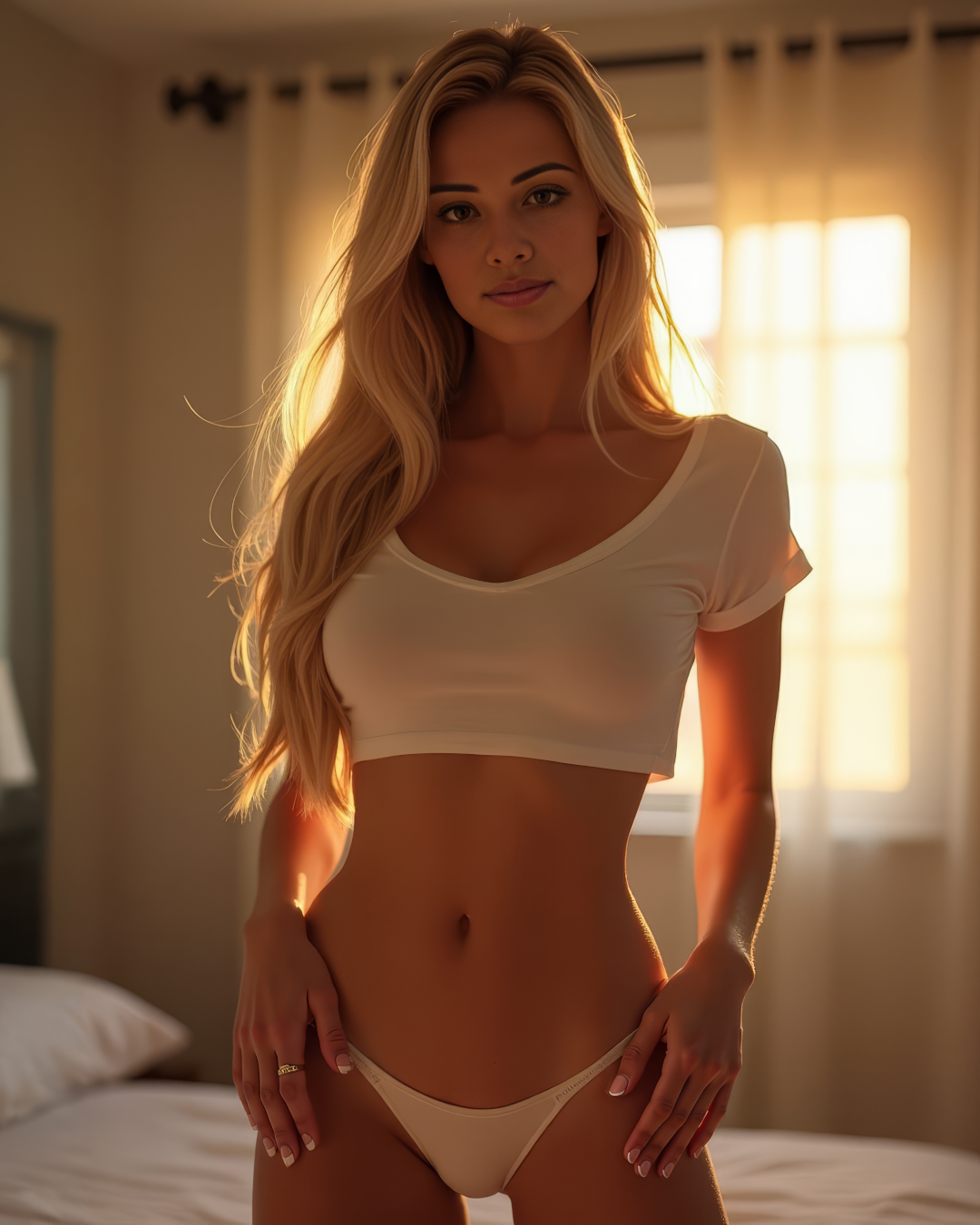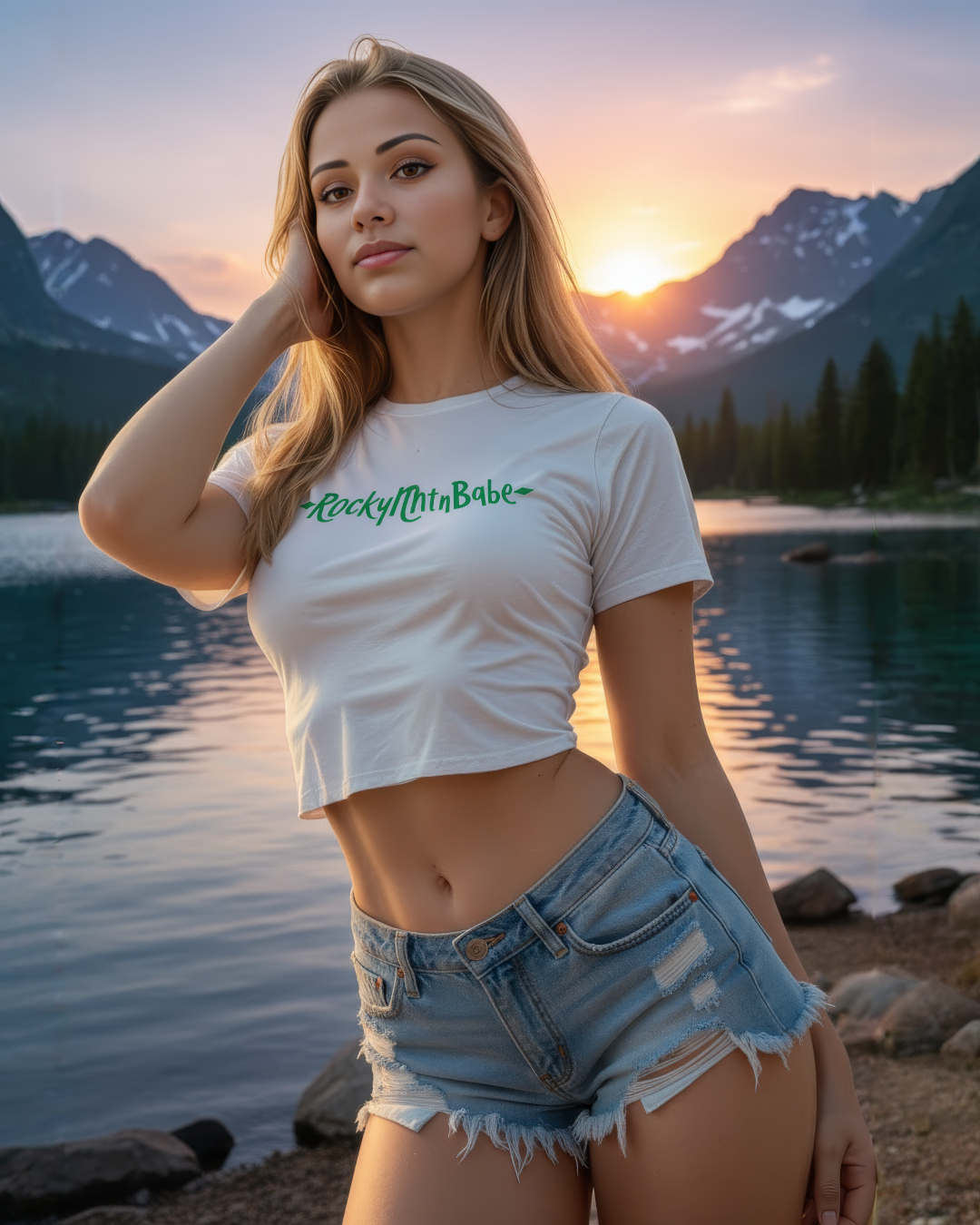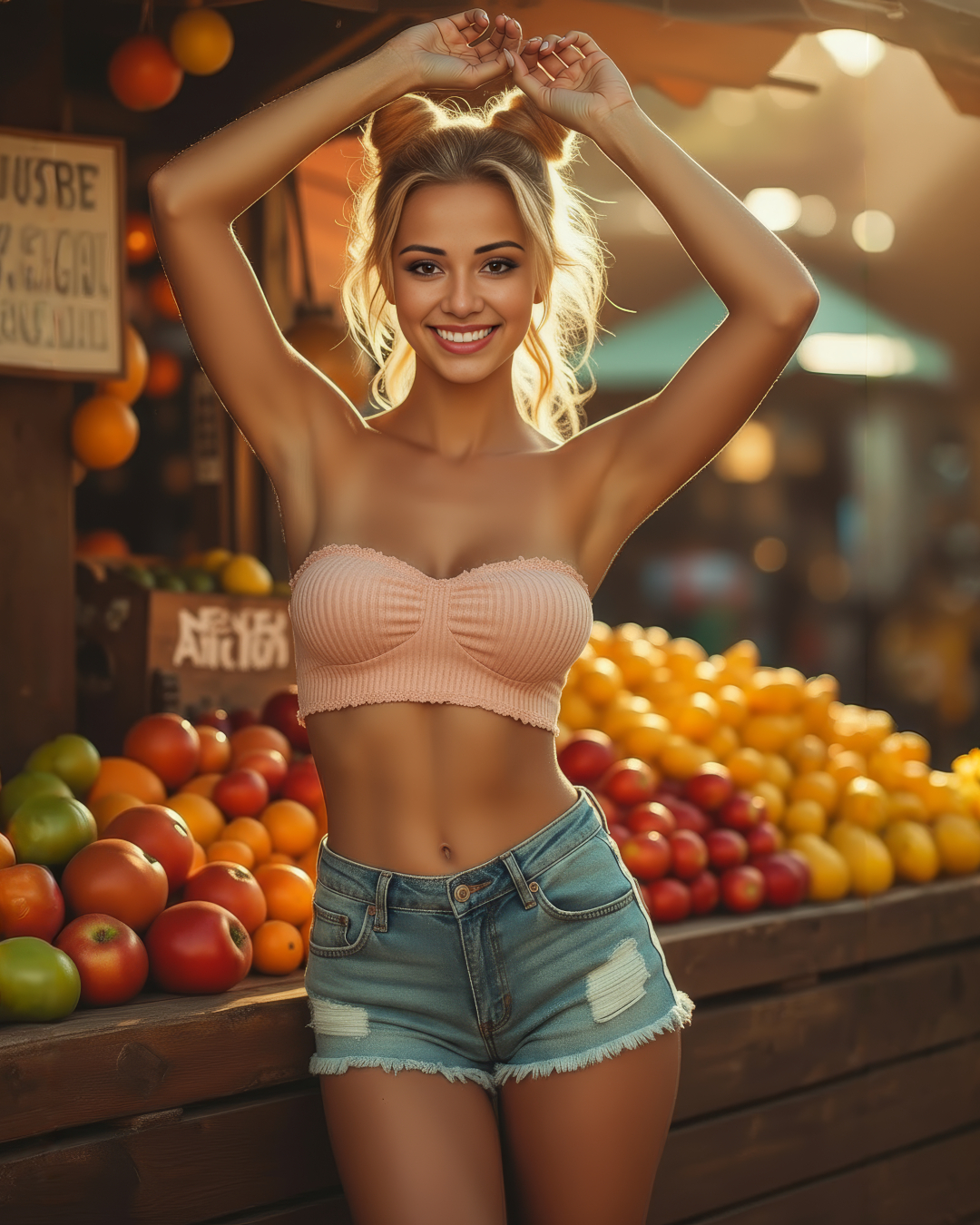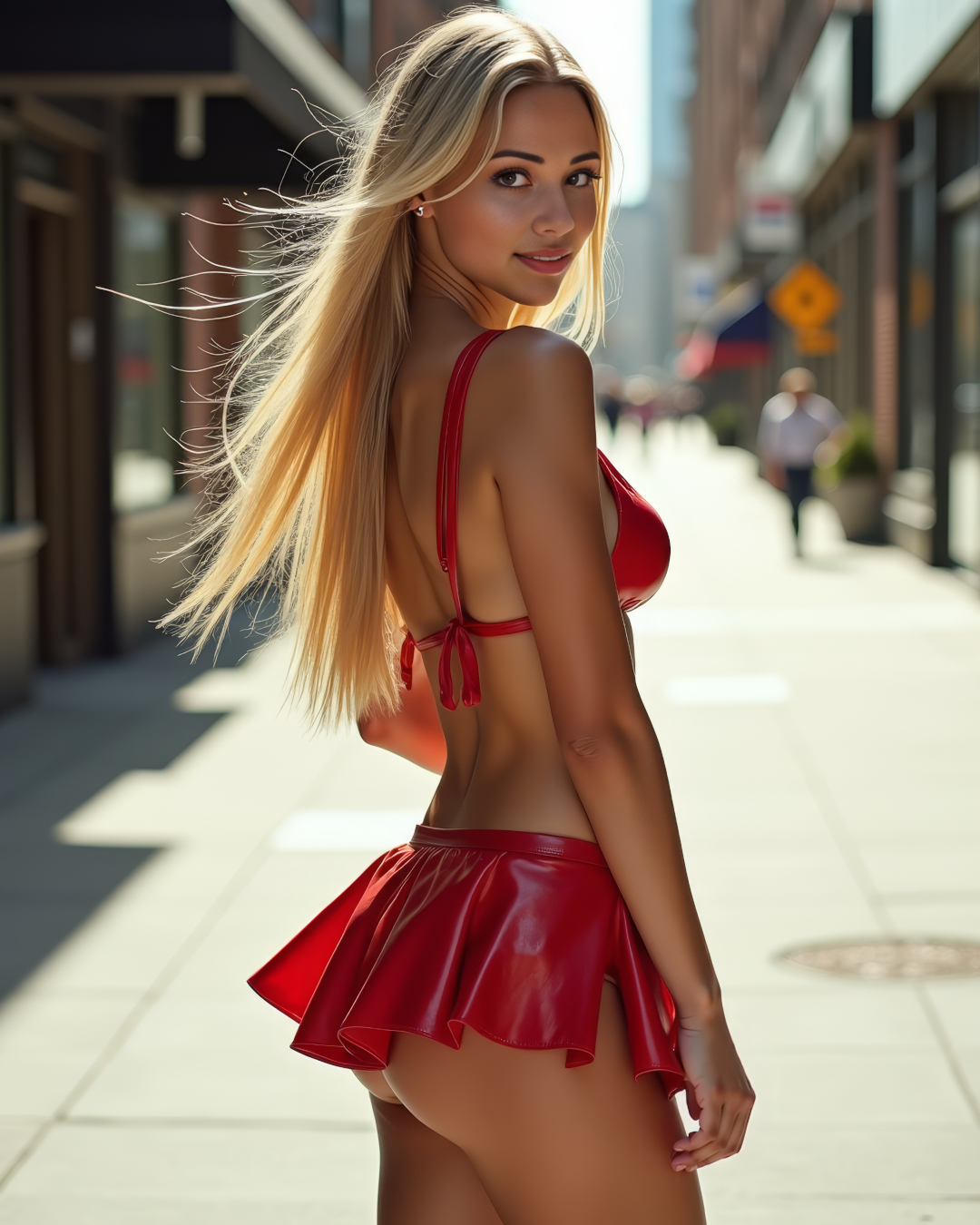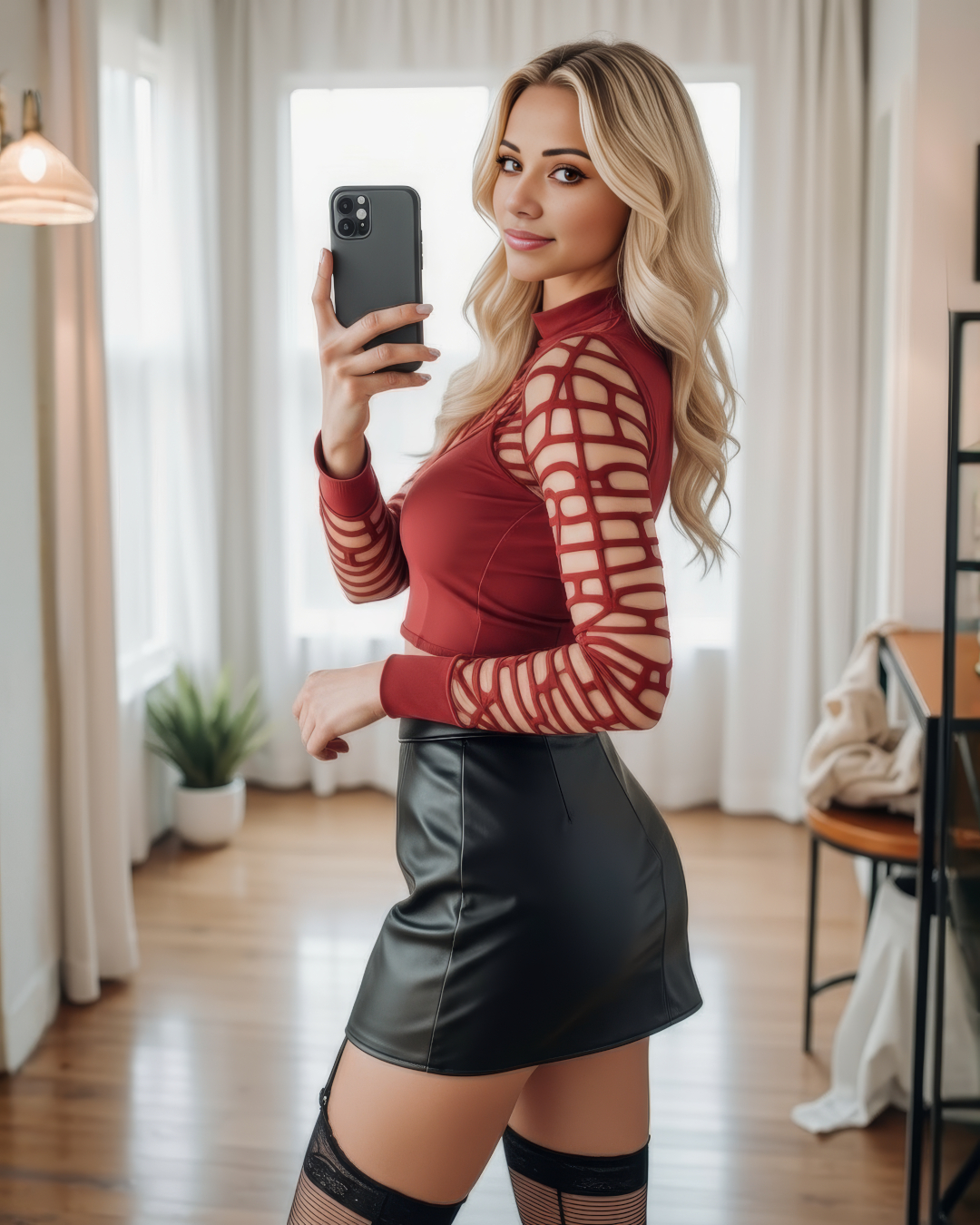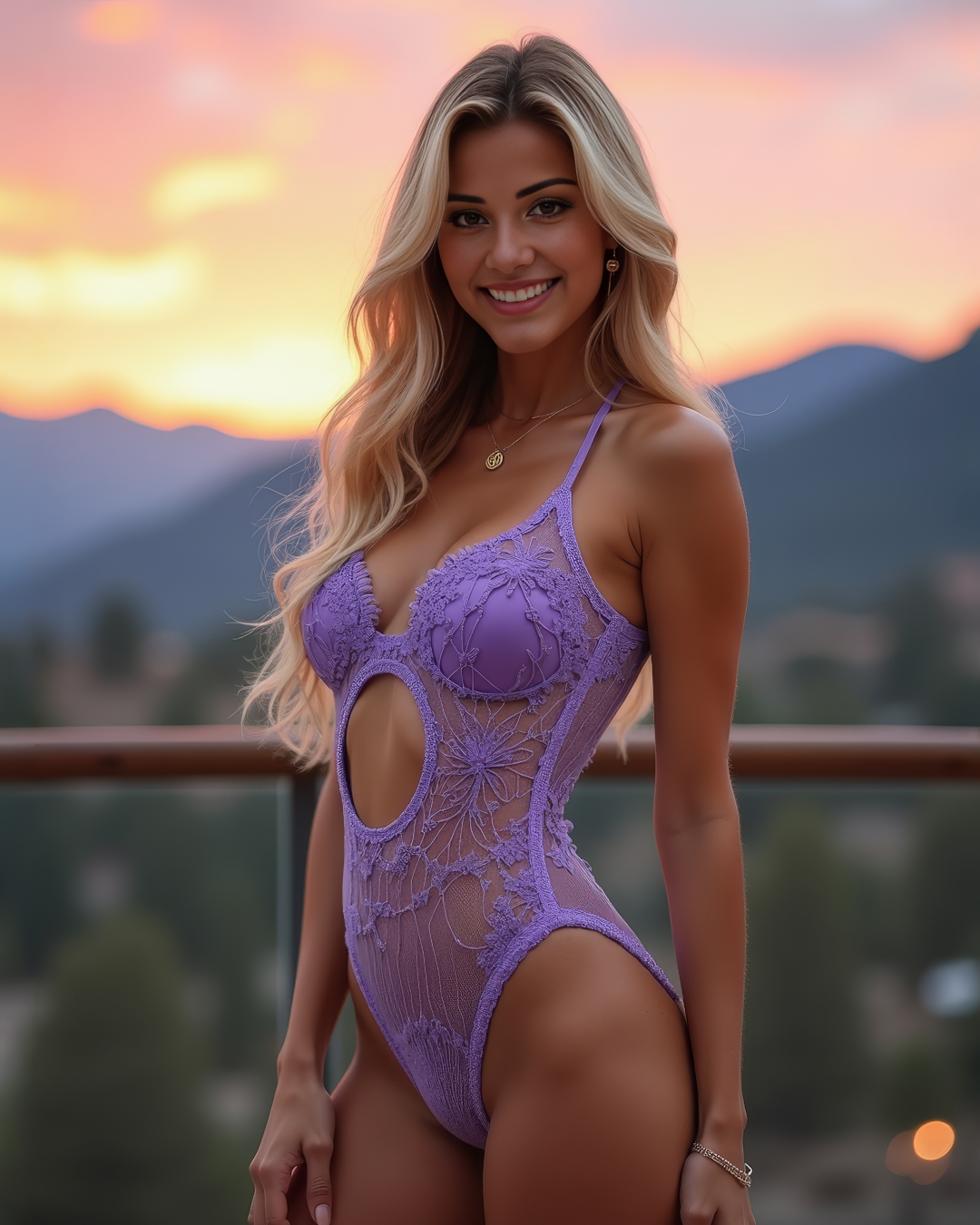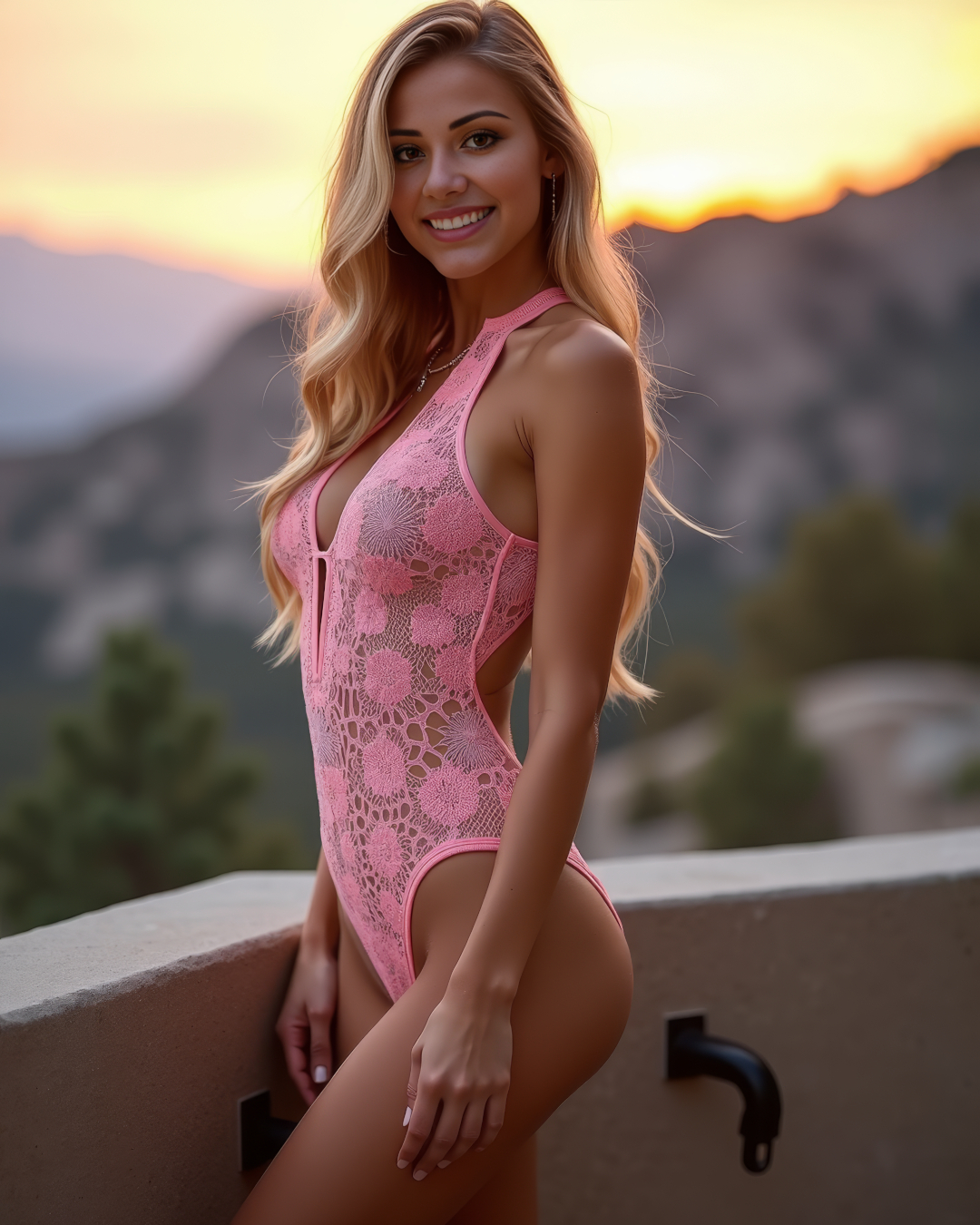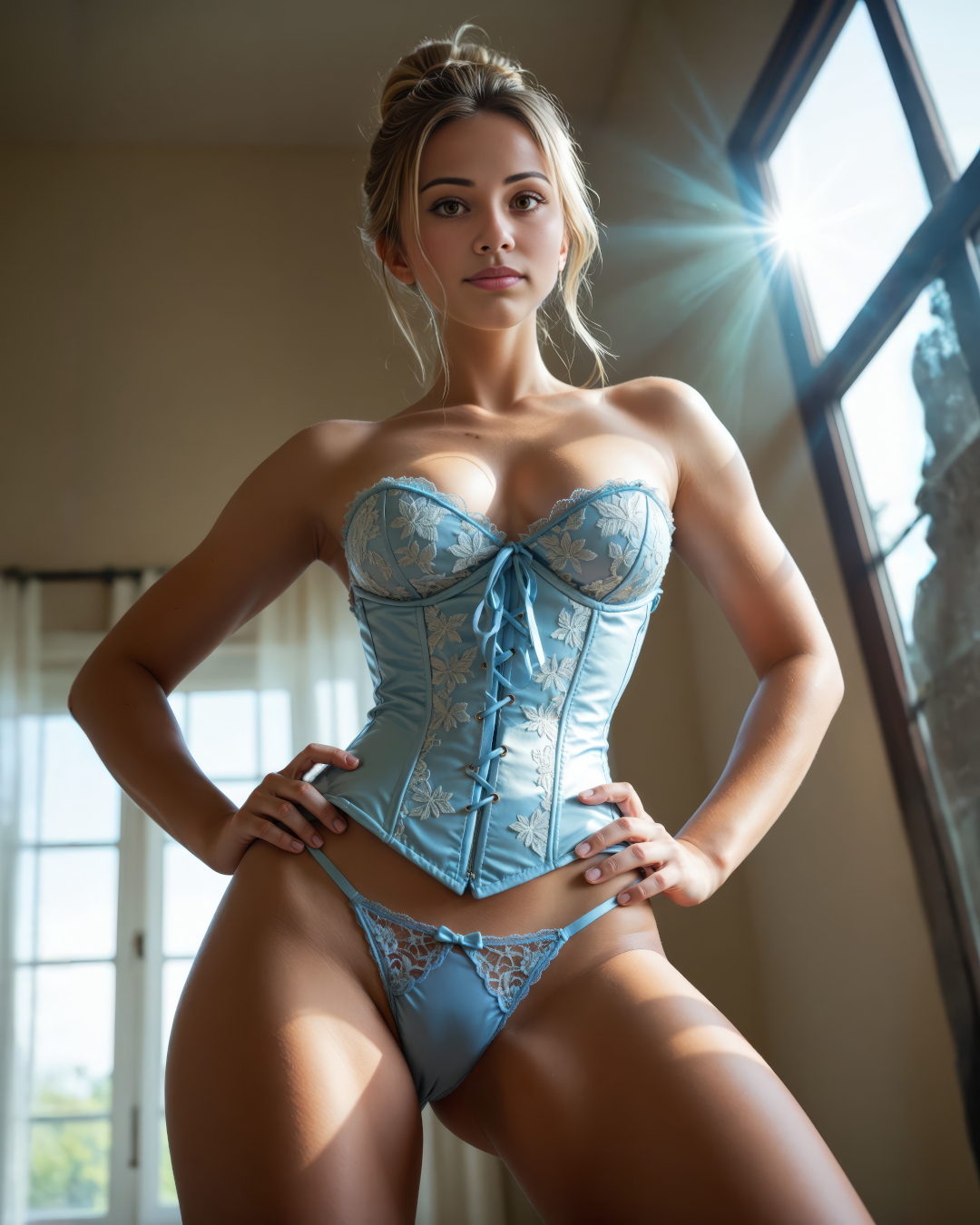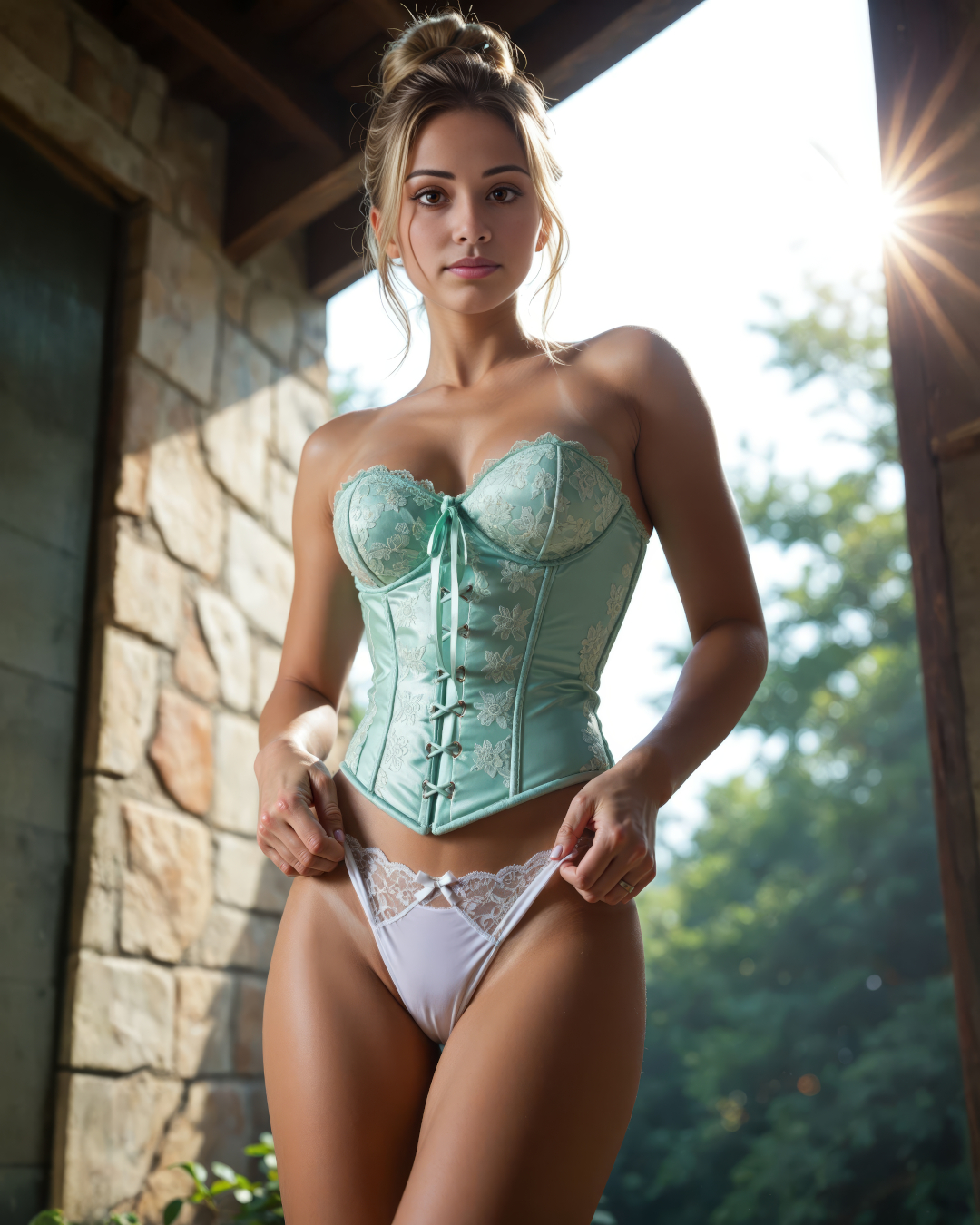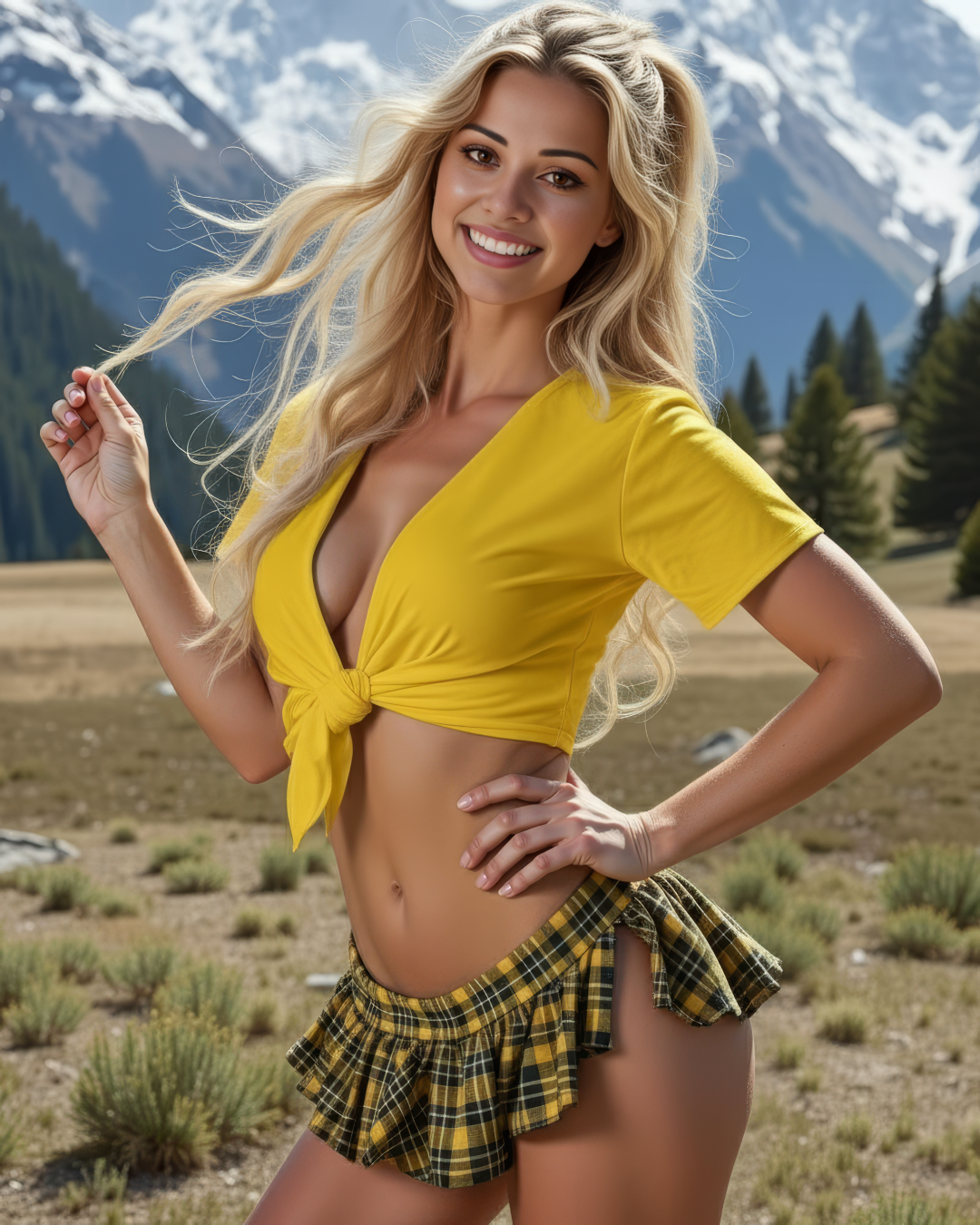
RockyMtnBabe® was born from a simple idea — that creativity doesn’t have to be confined by the boundaries of the physical world.
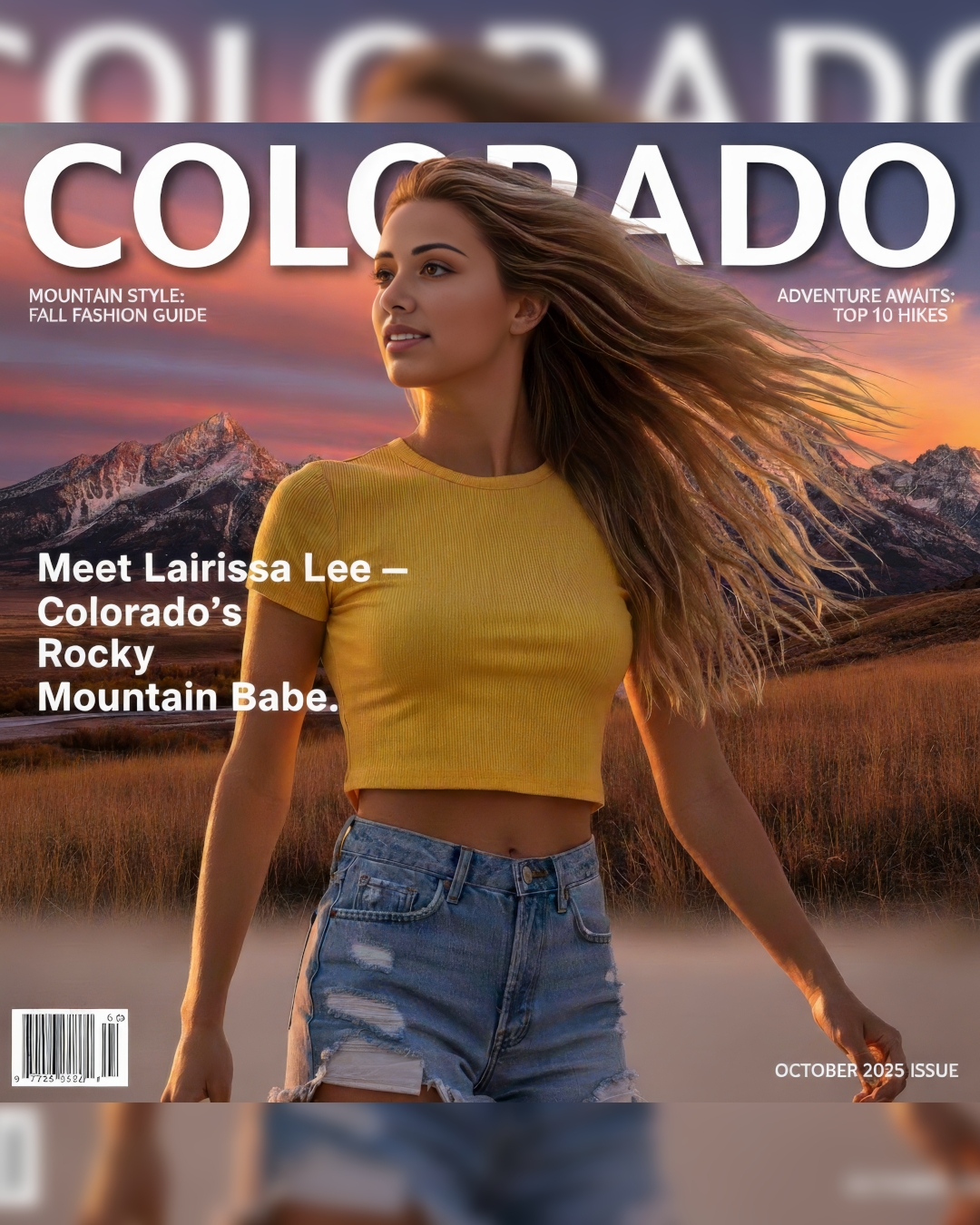
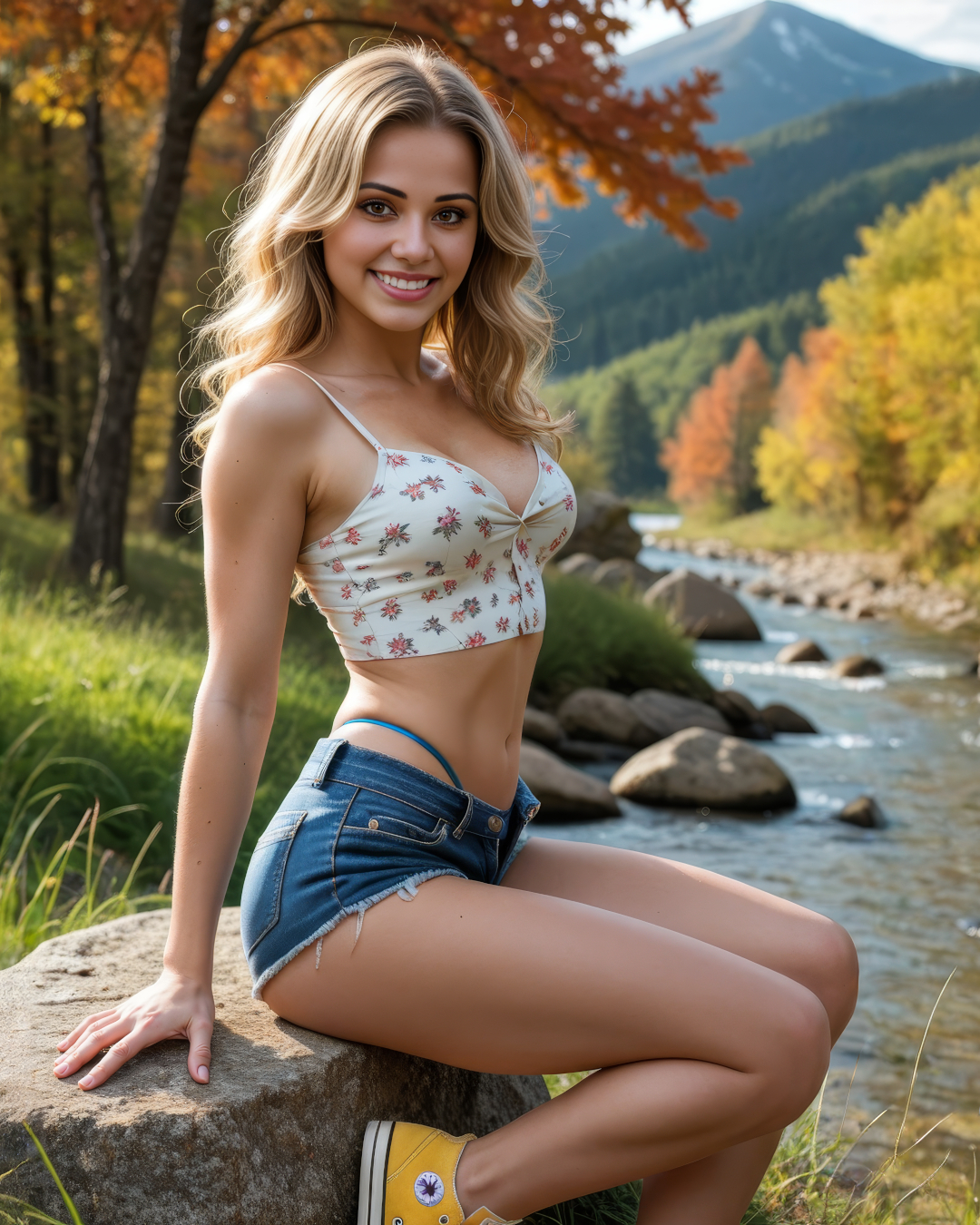
Growing up surrounded by the landscapes of Colorado, I’ve always been inspired by the quiet drama of the mountains. There’s something about the contrast between rugged terrain and delicate light that feels inherently cinematic, almost editorial in its own way.
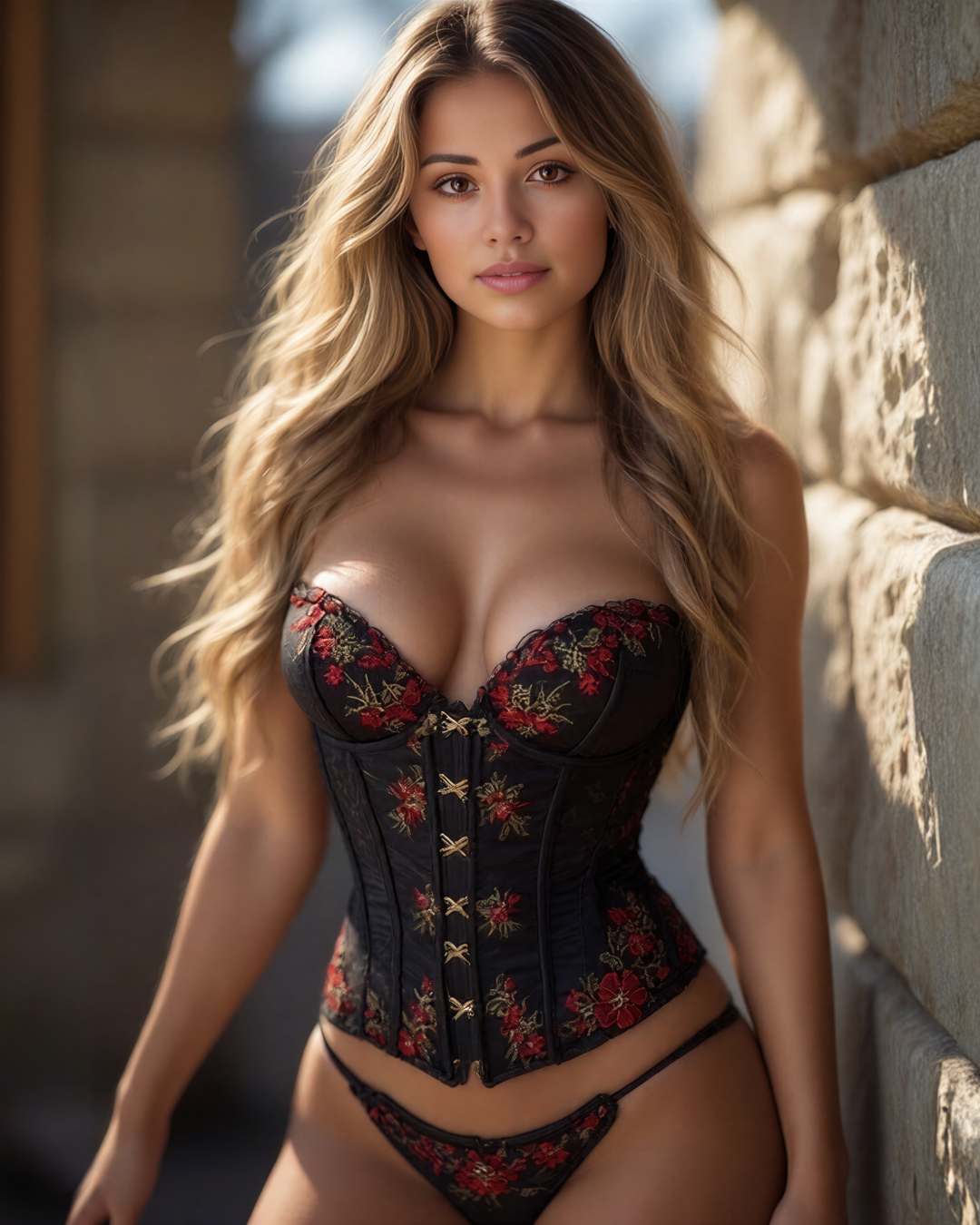
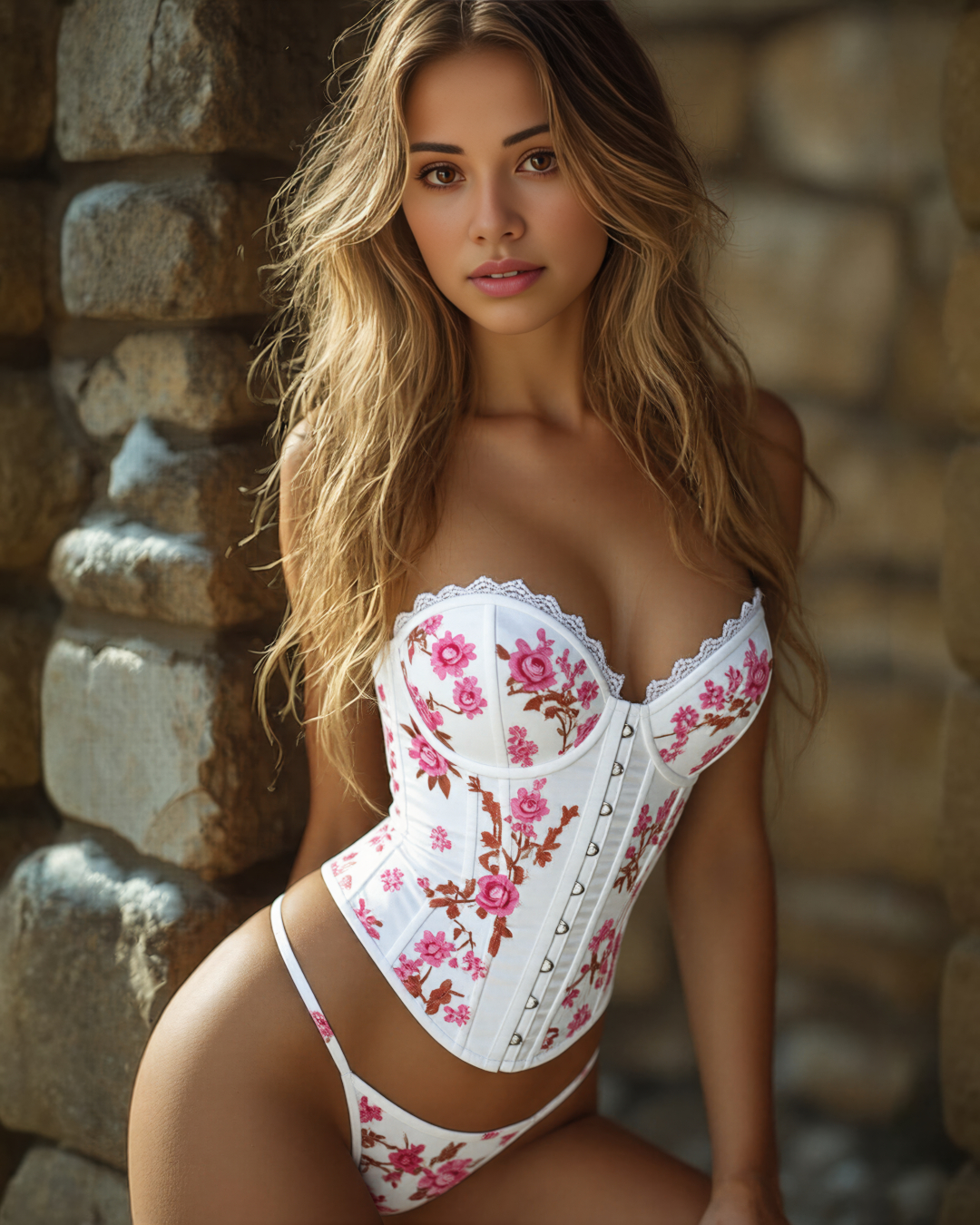
At the same time, I’ve always been drawn to fashion — not just as clothing, but as a form of storytelling. The way a look can capture a mood, a season, or even a version of yourself that only exists for a moment.
RockyMtnBabe® became a way to bring those influences together.
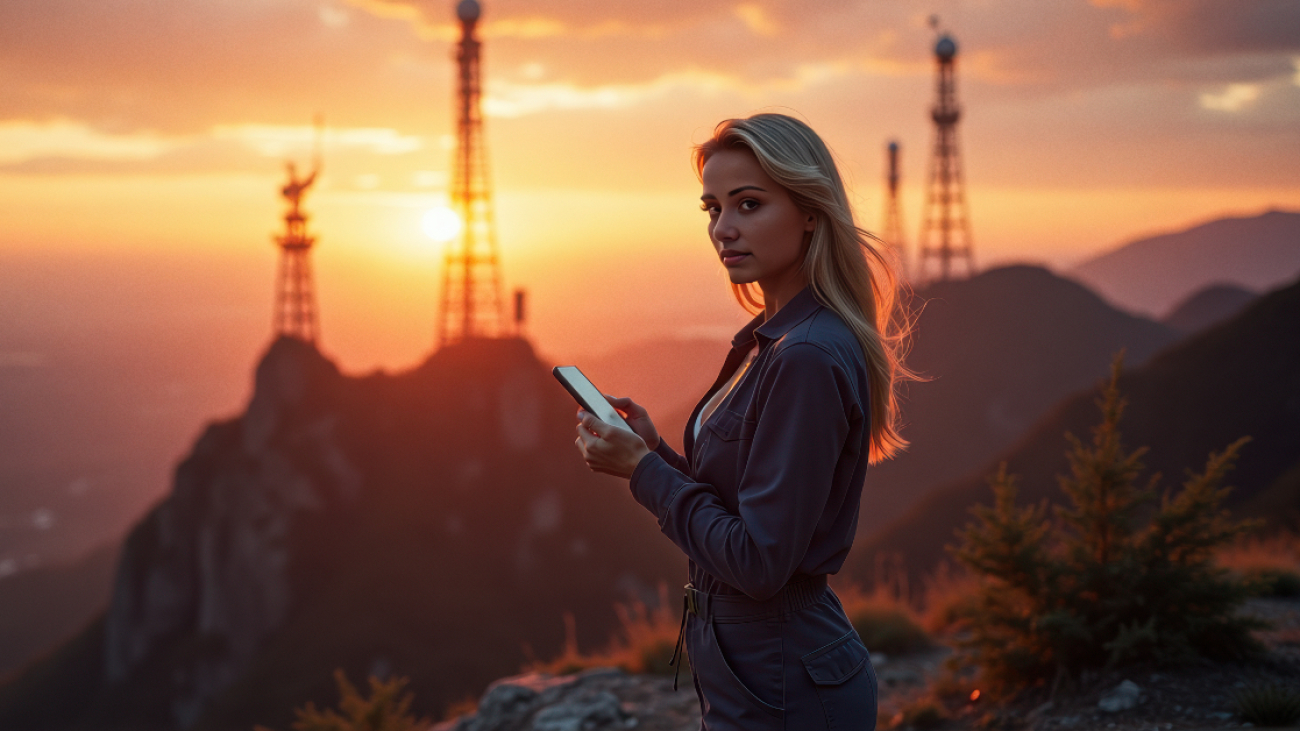
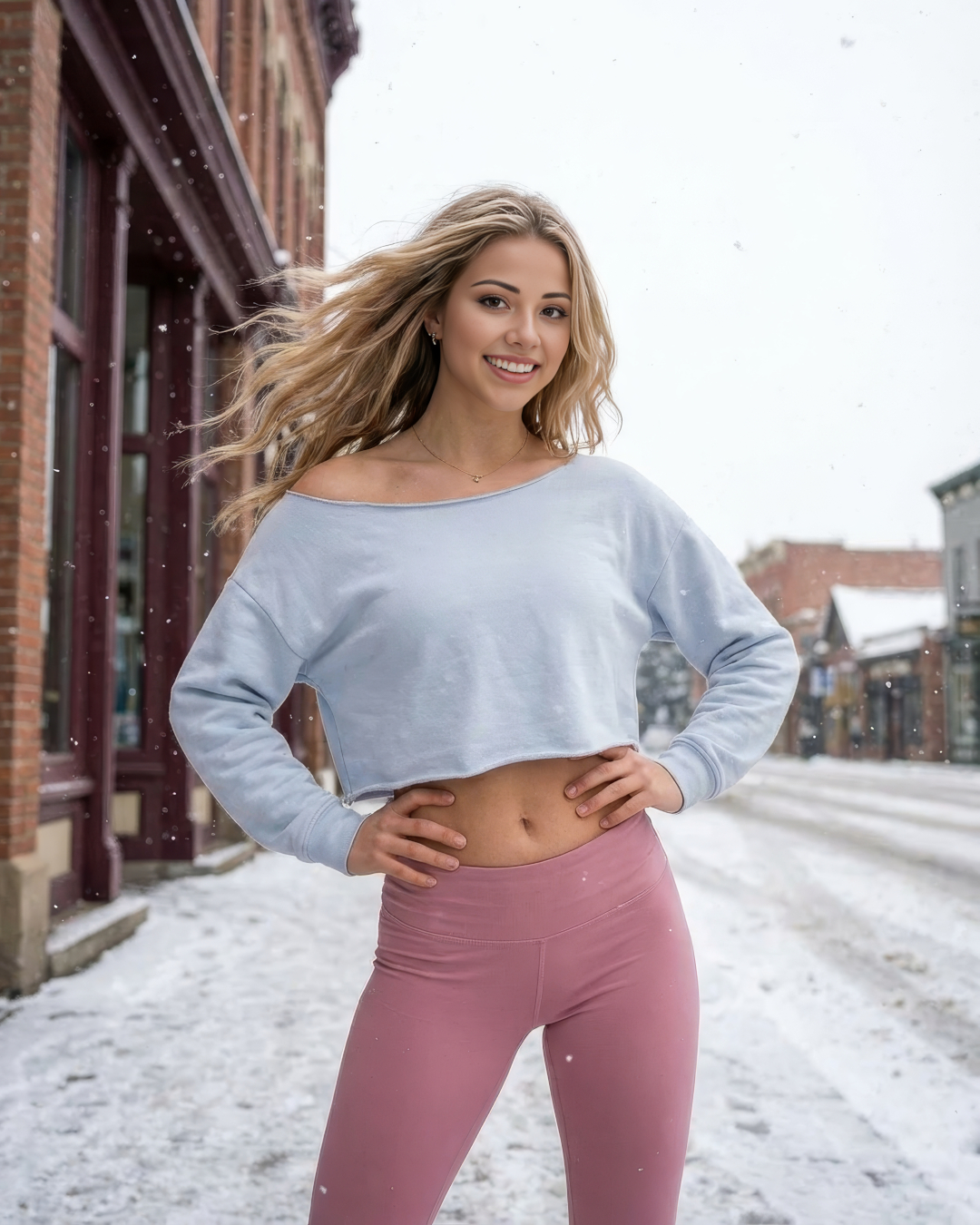
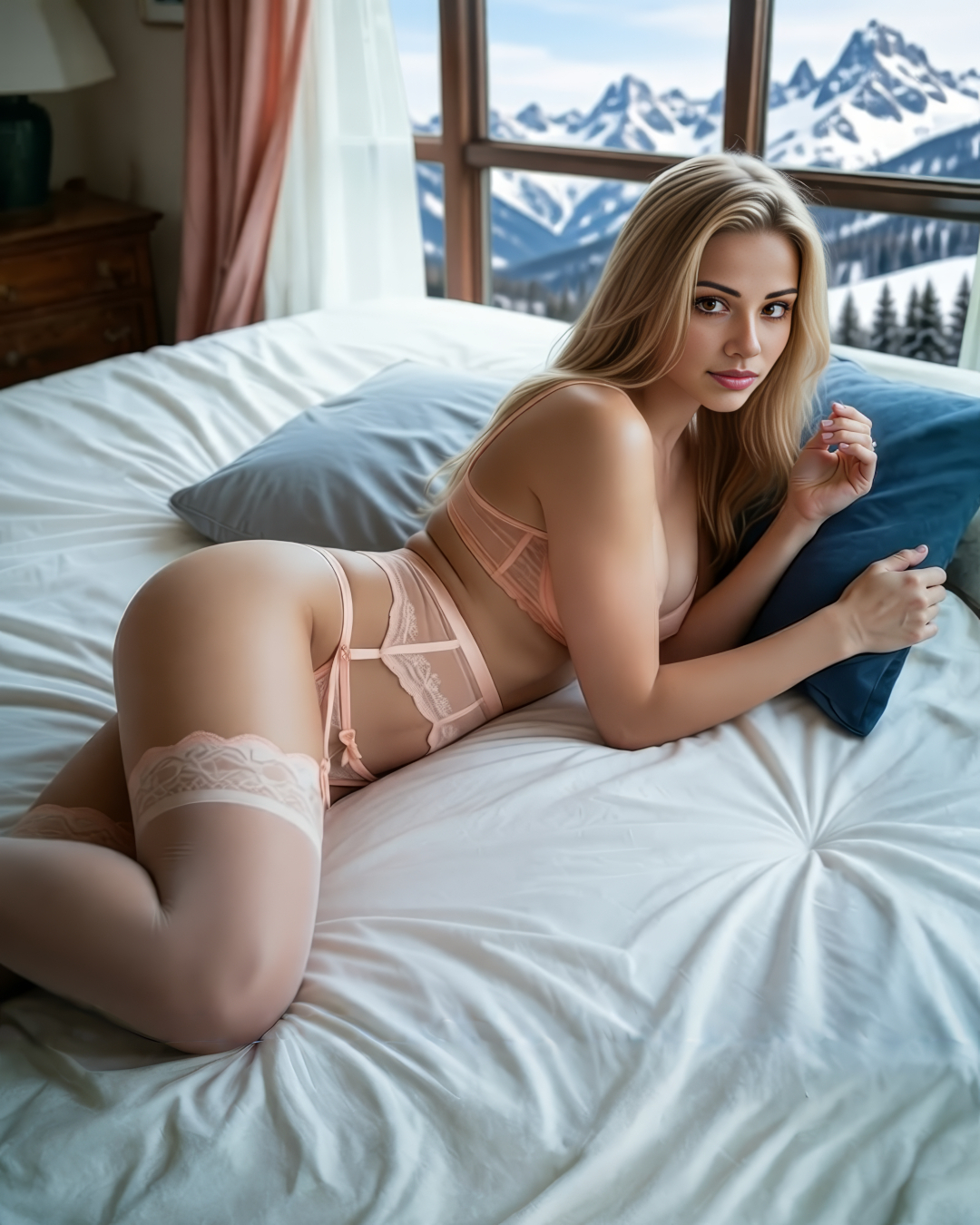
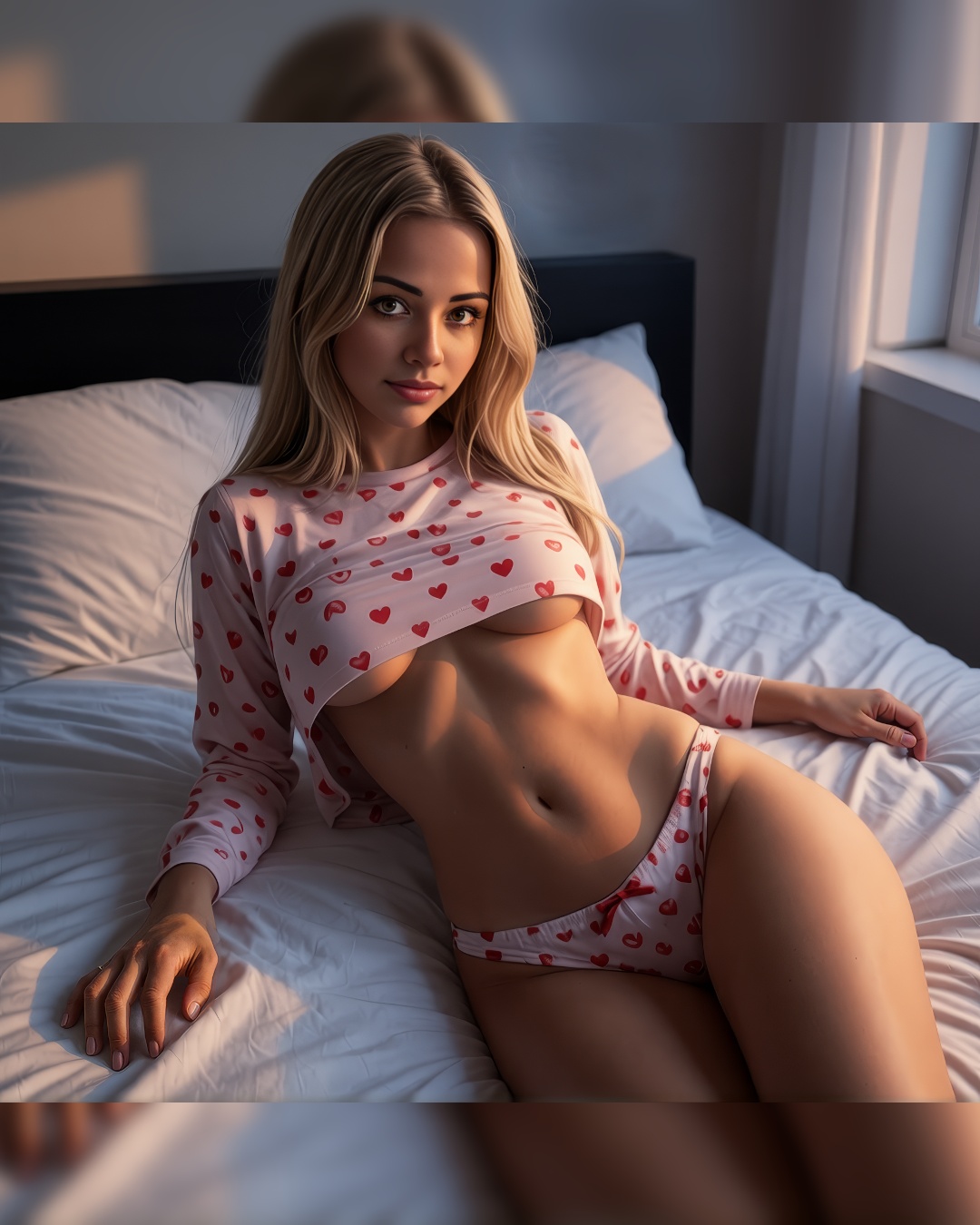
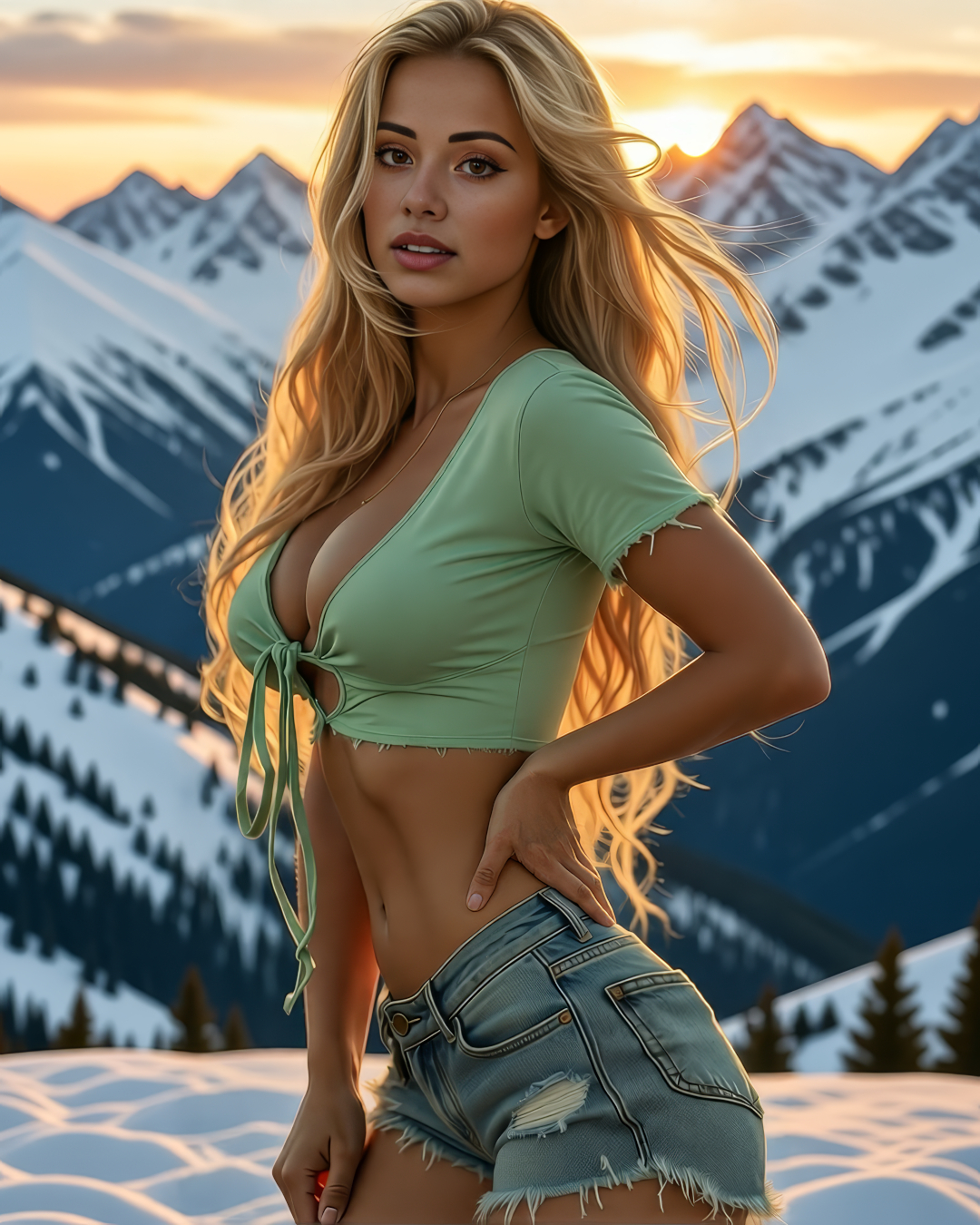
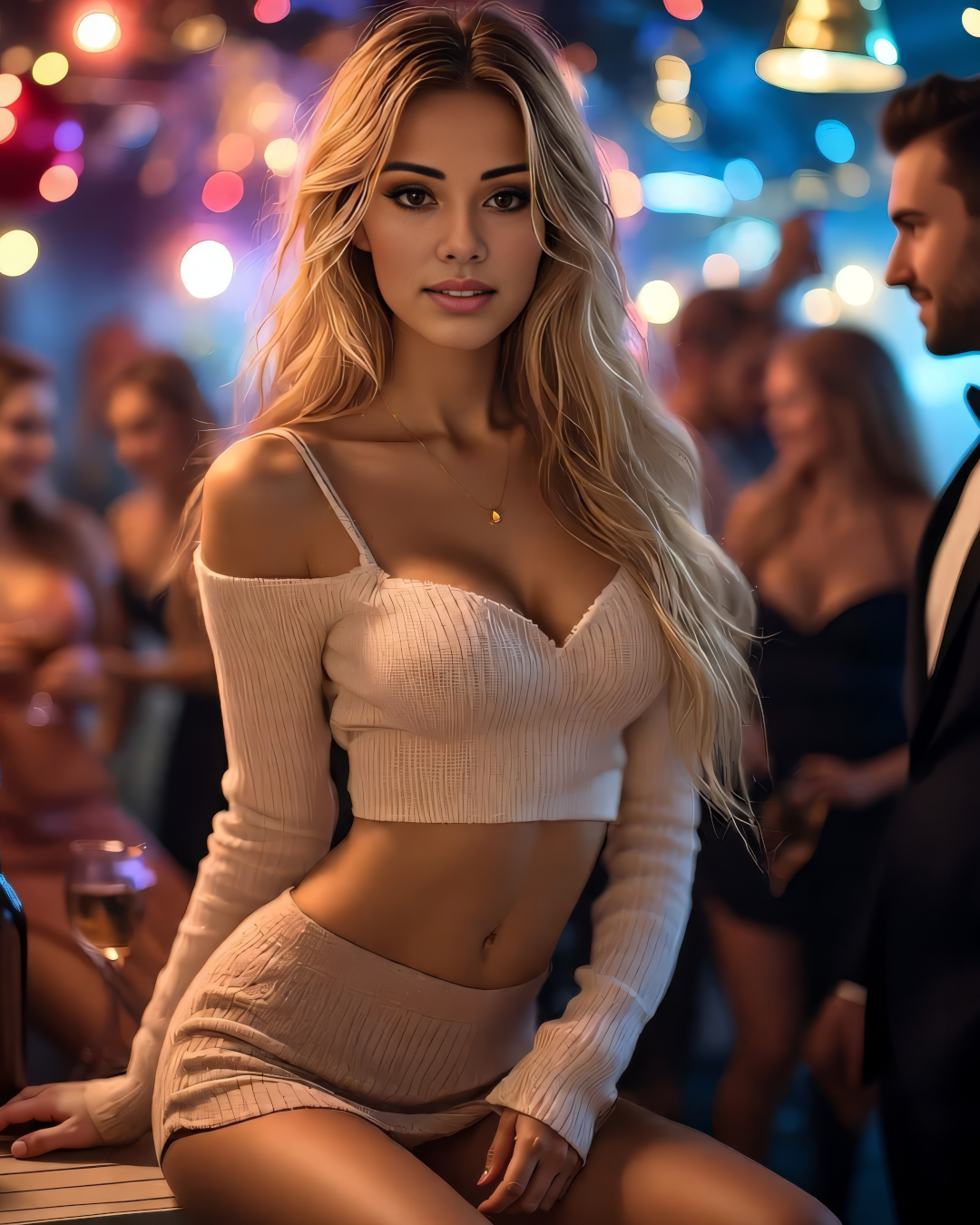
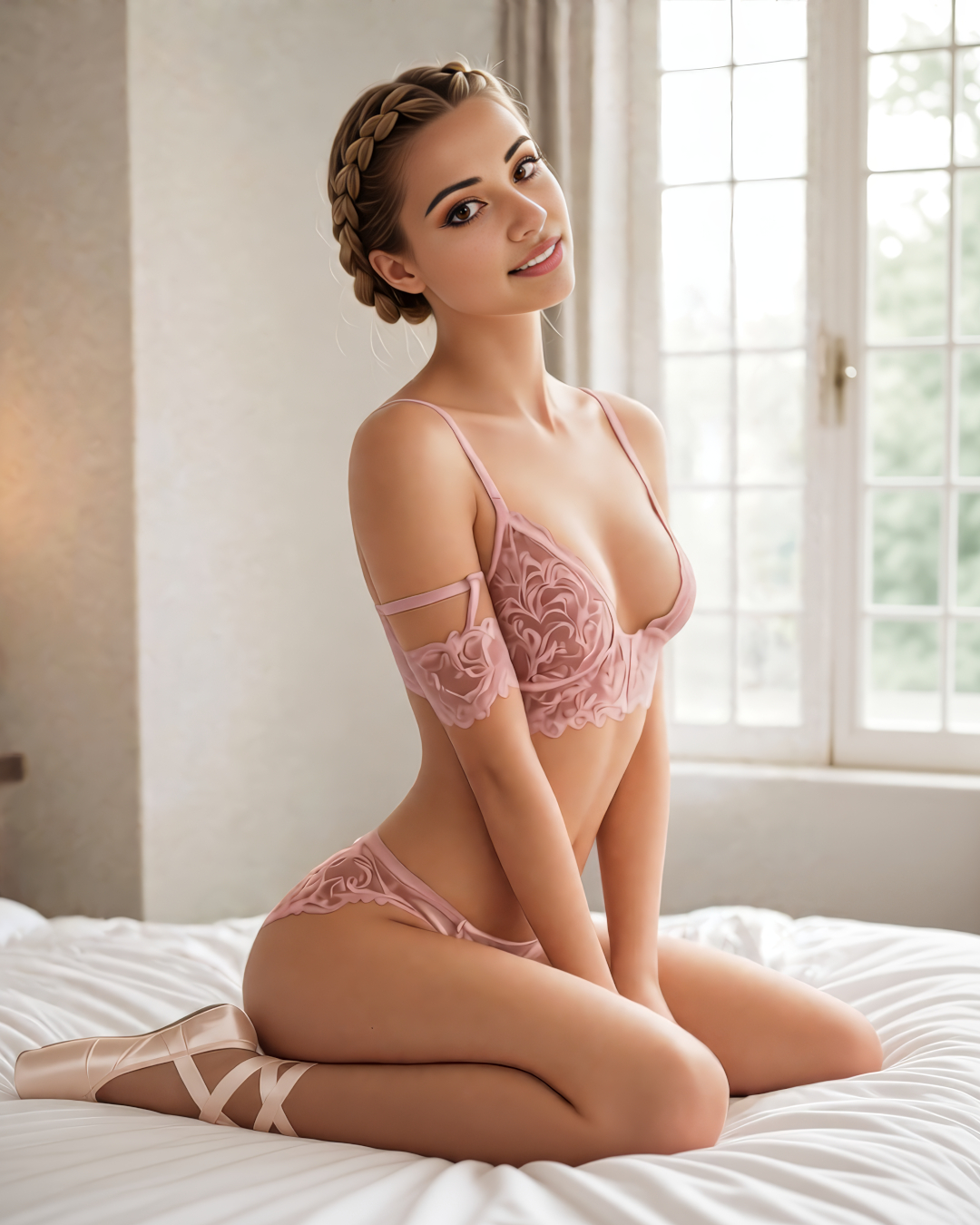
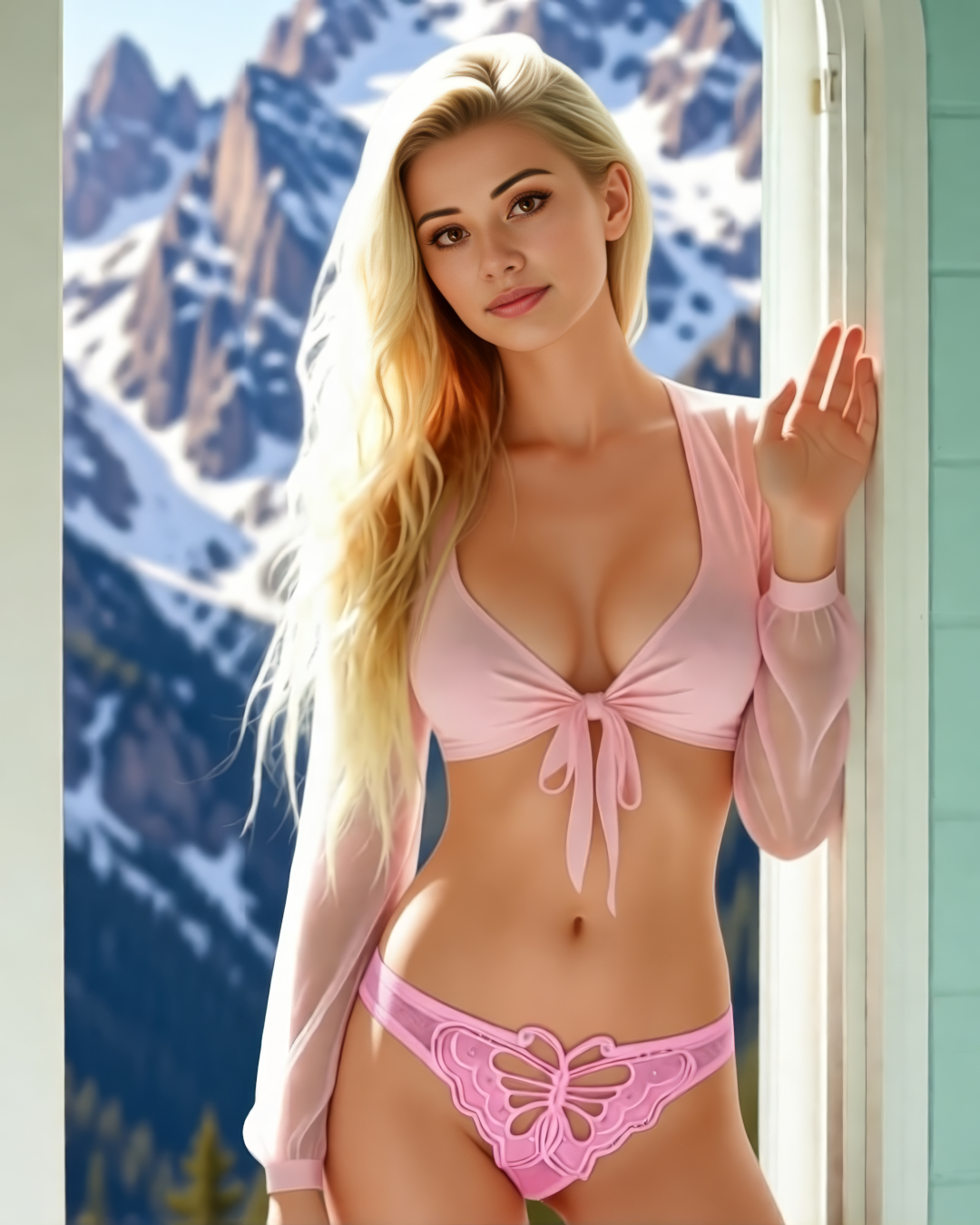
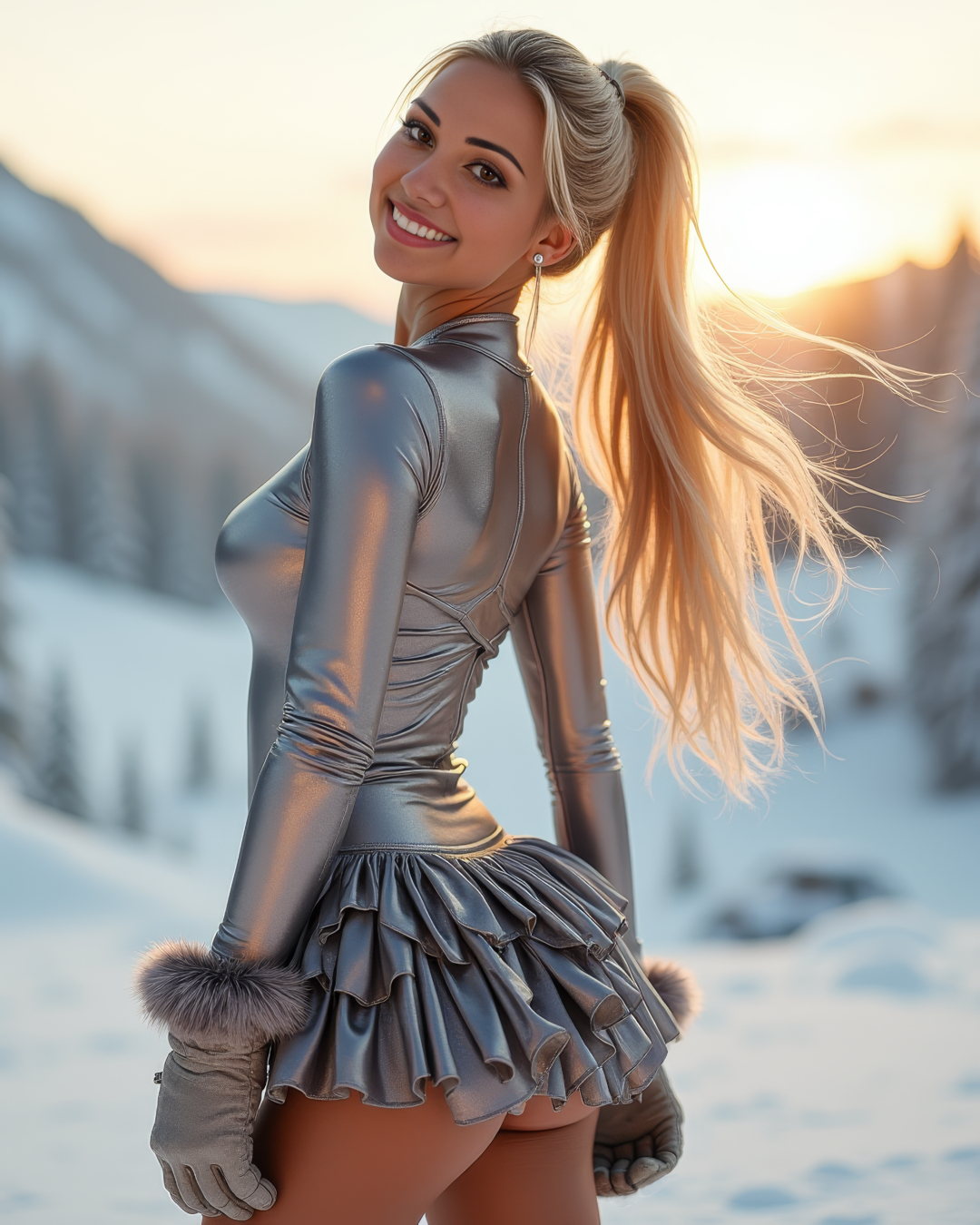
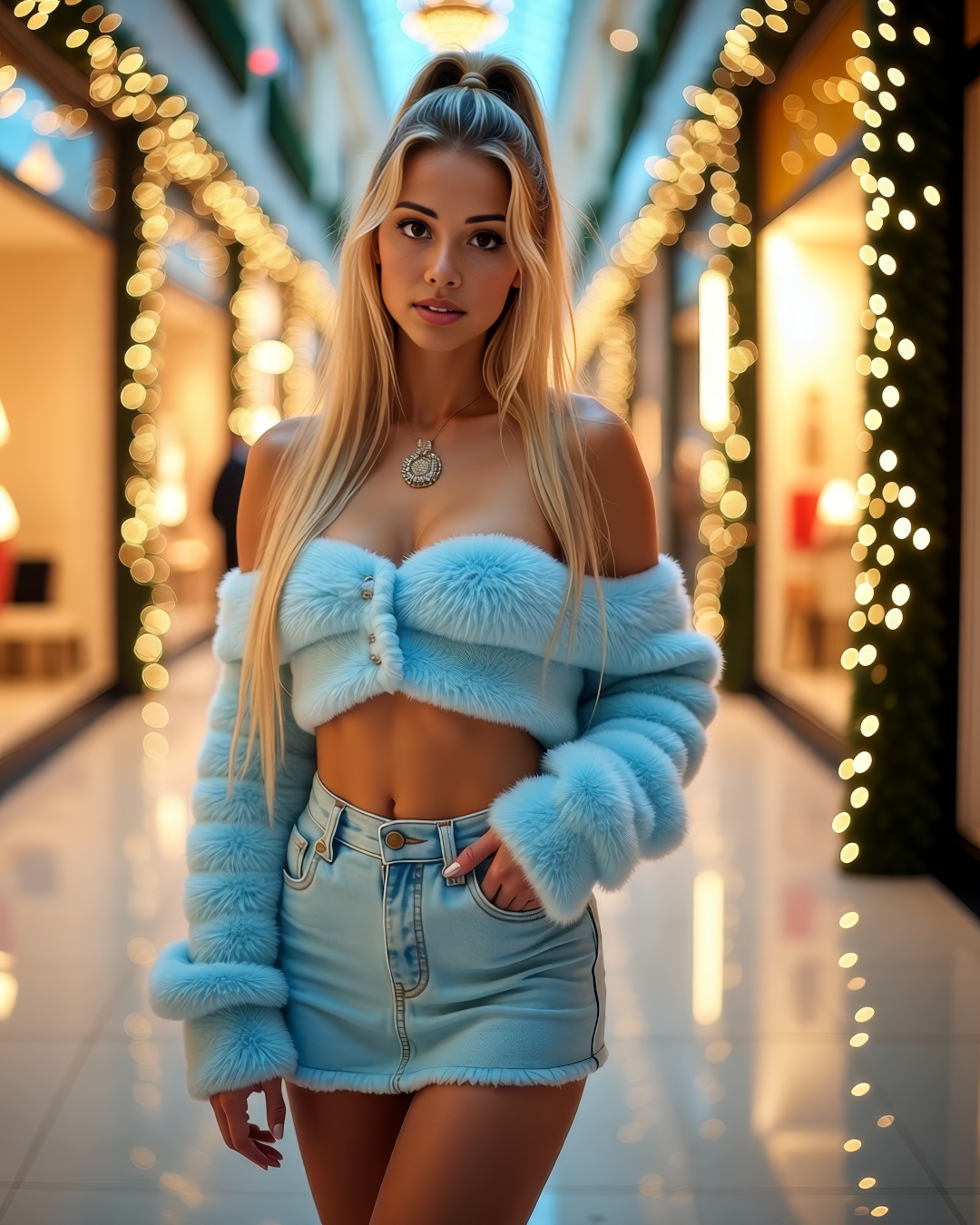
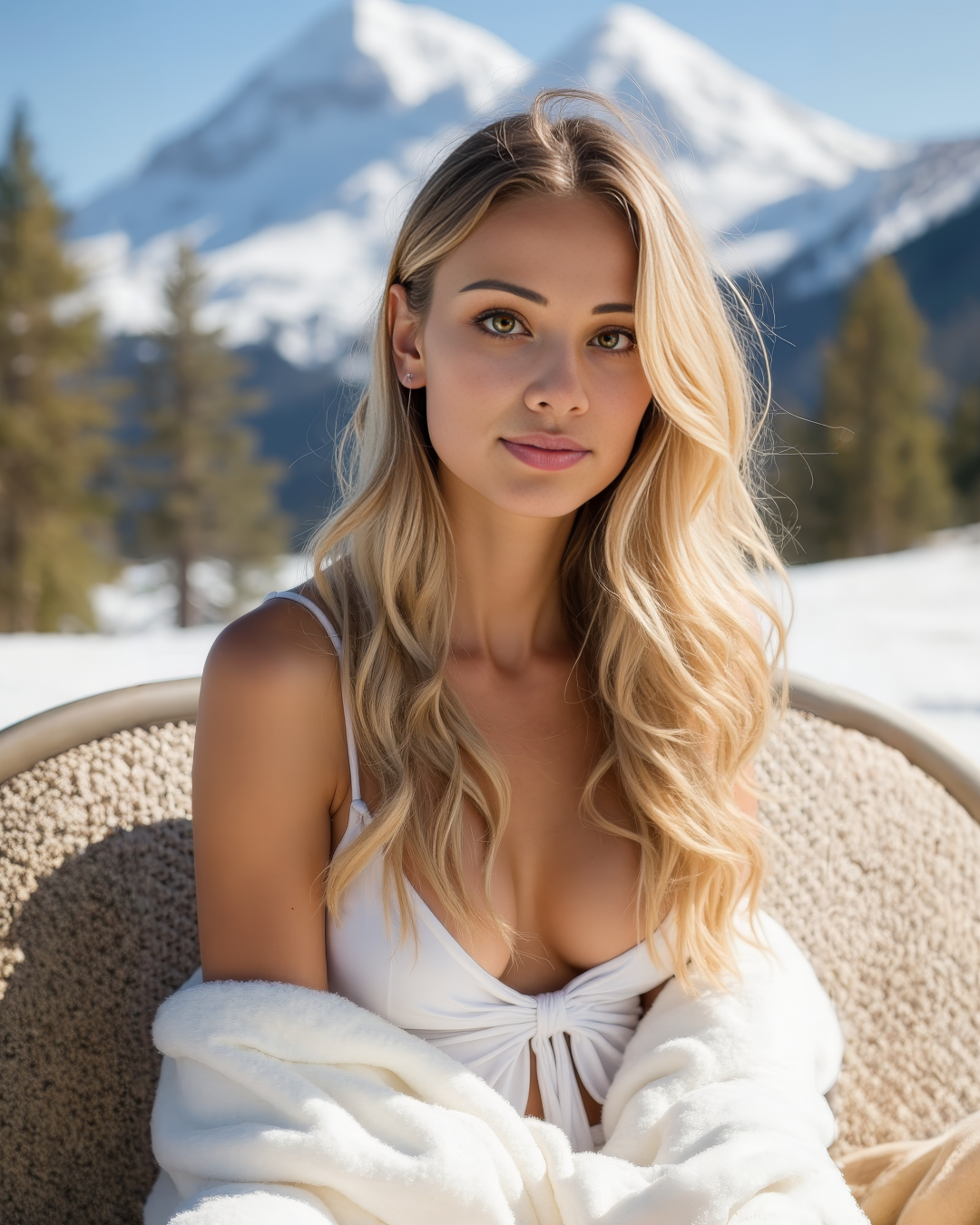
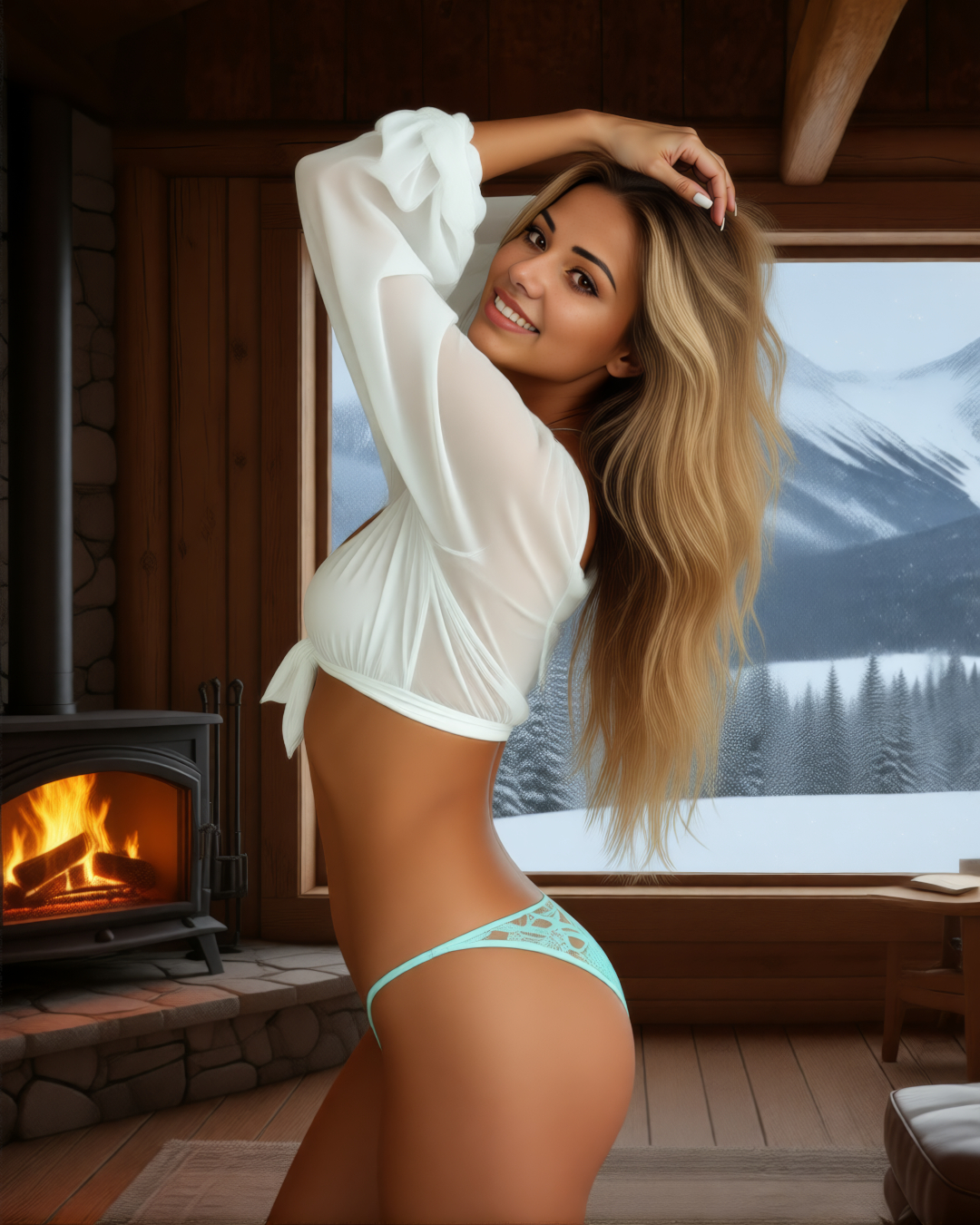
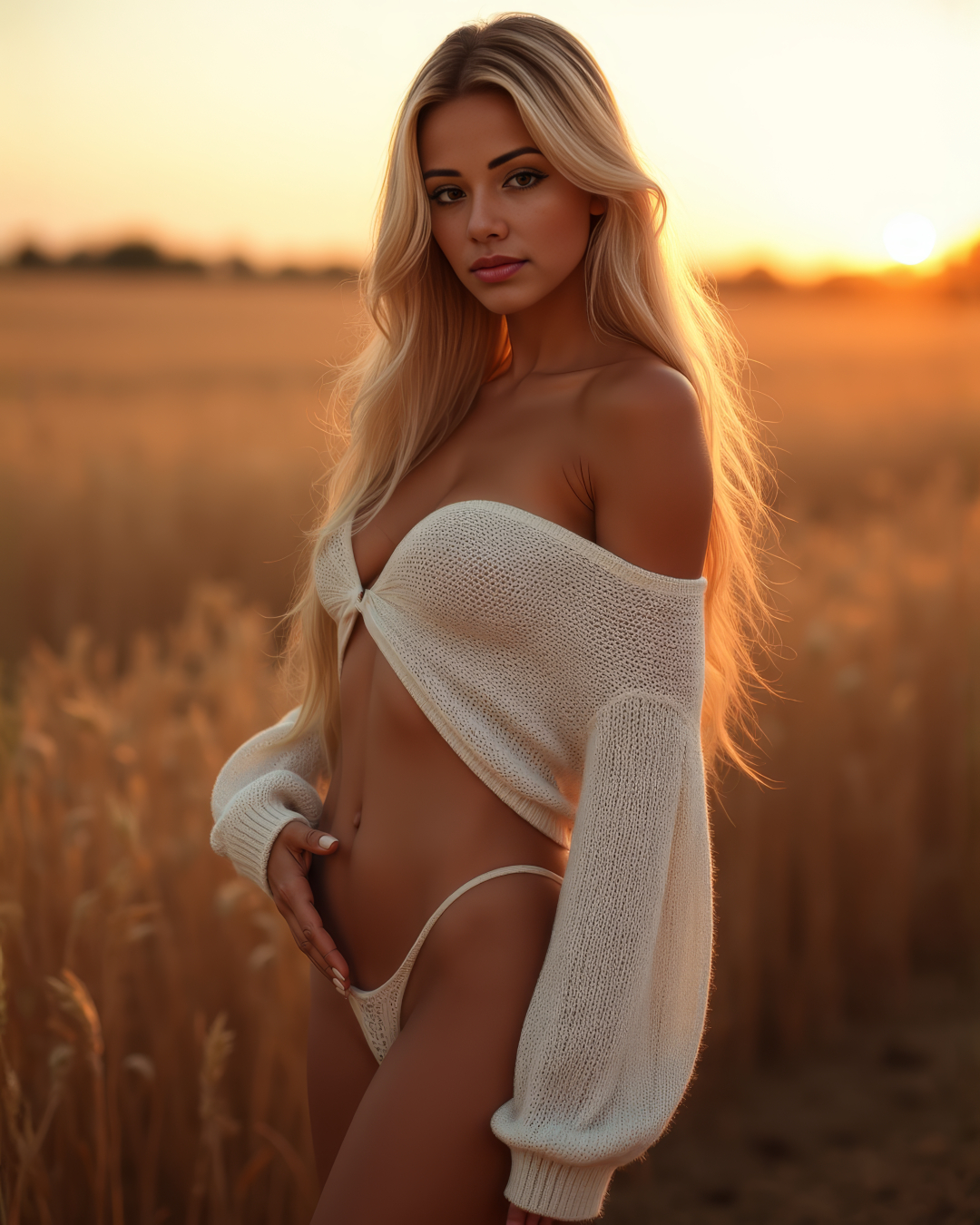
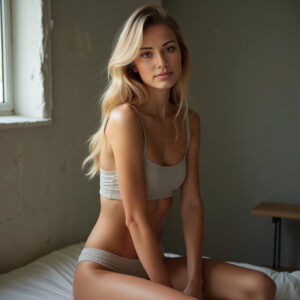
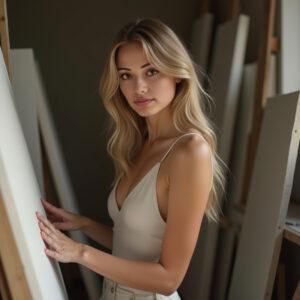
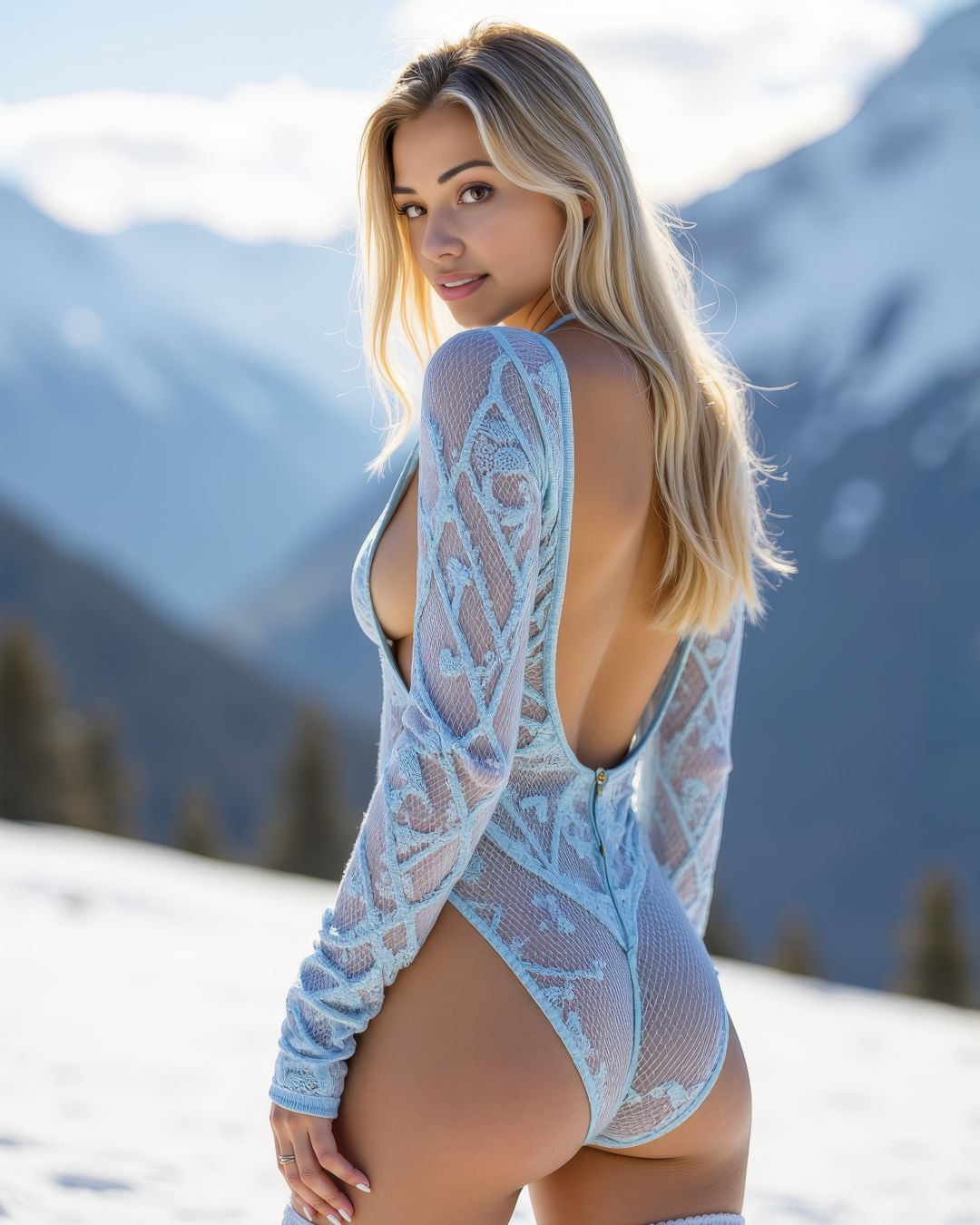
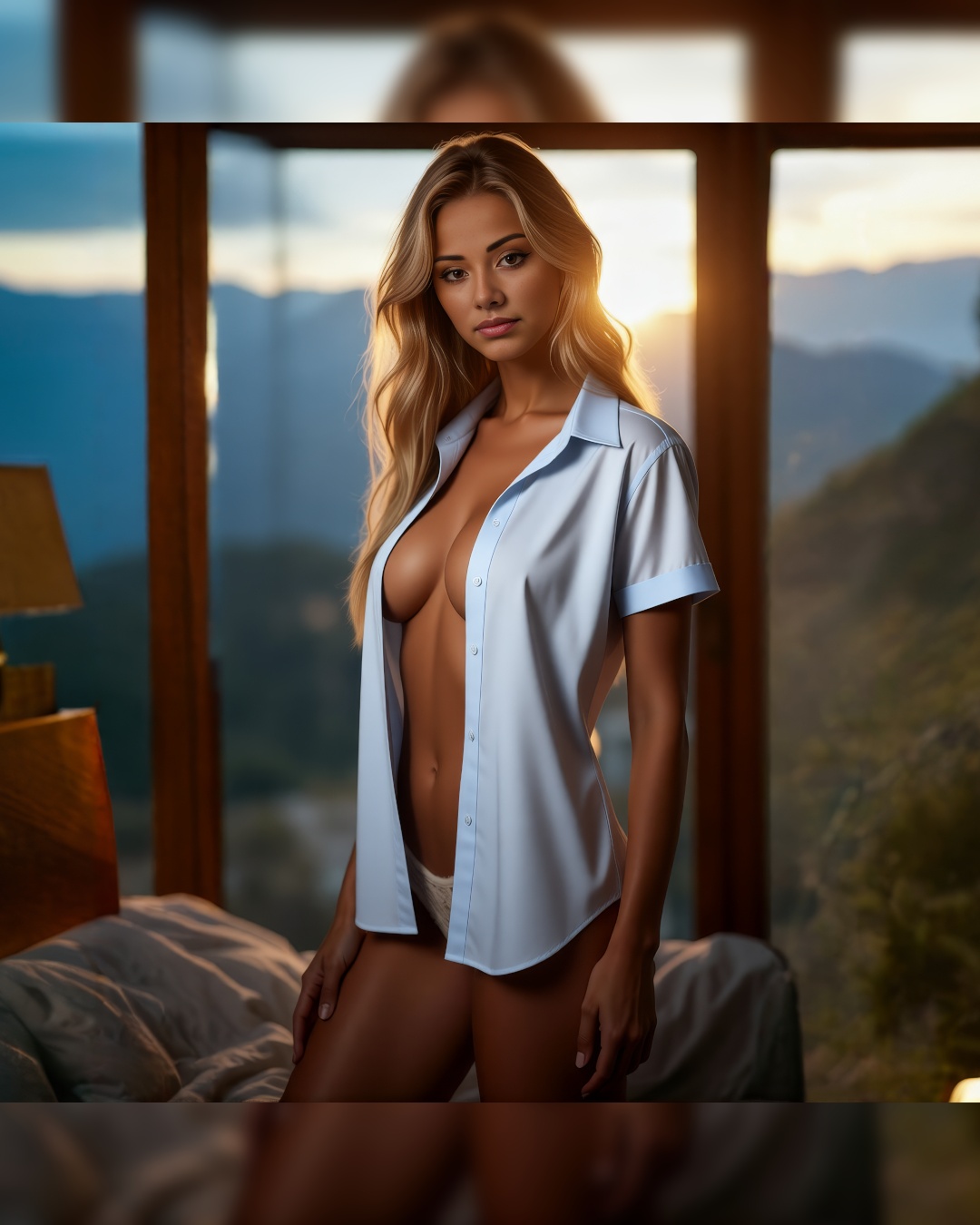
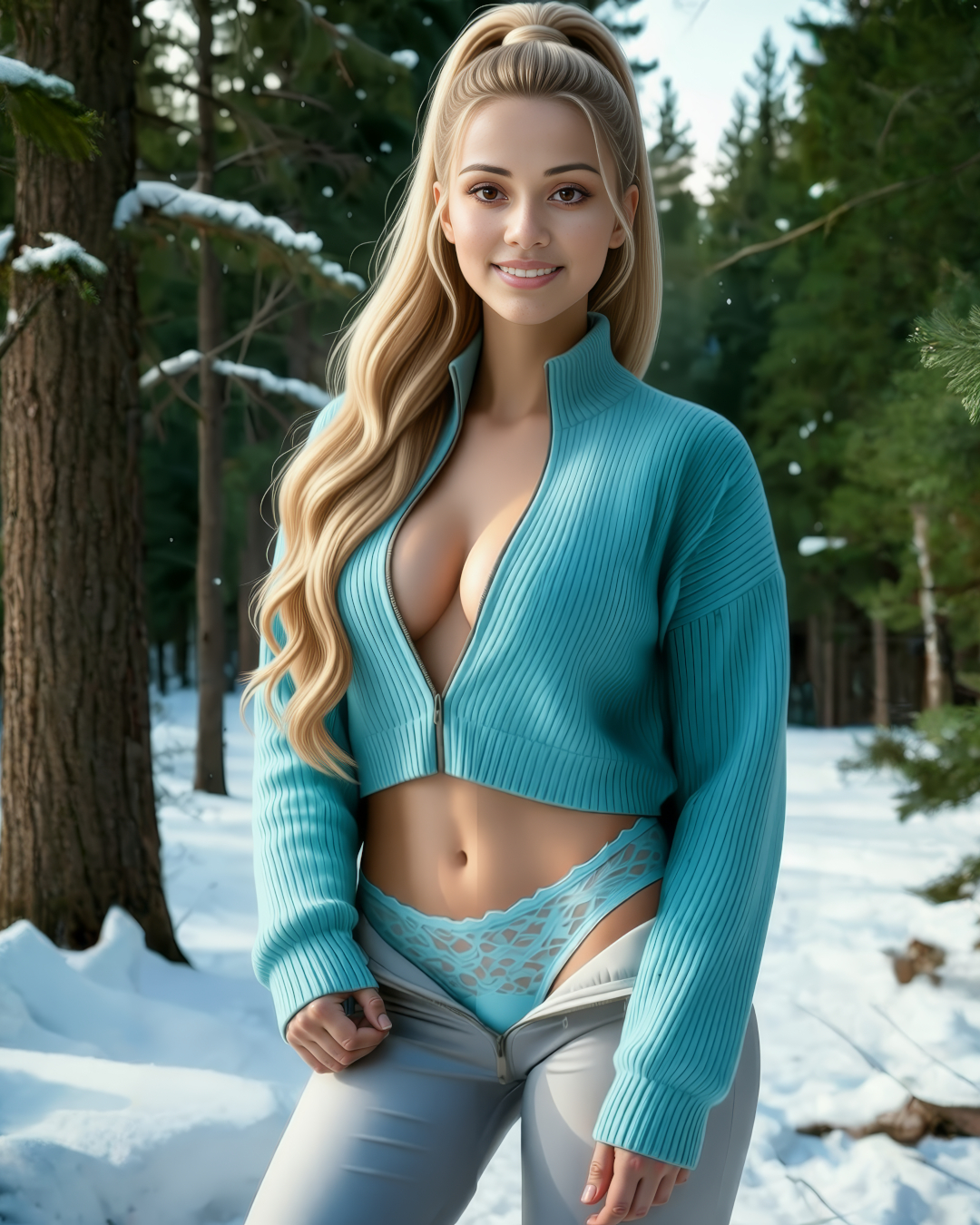
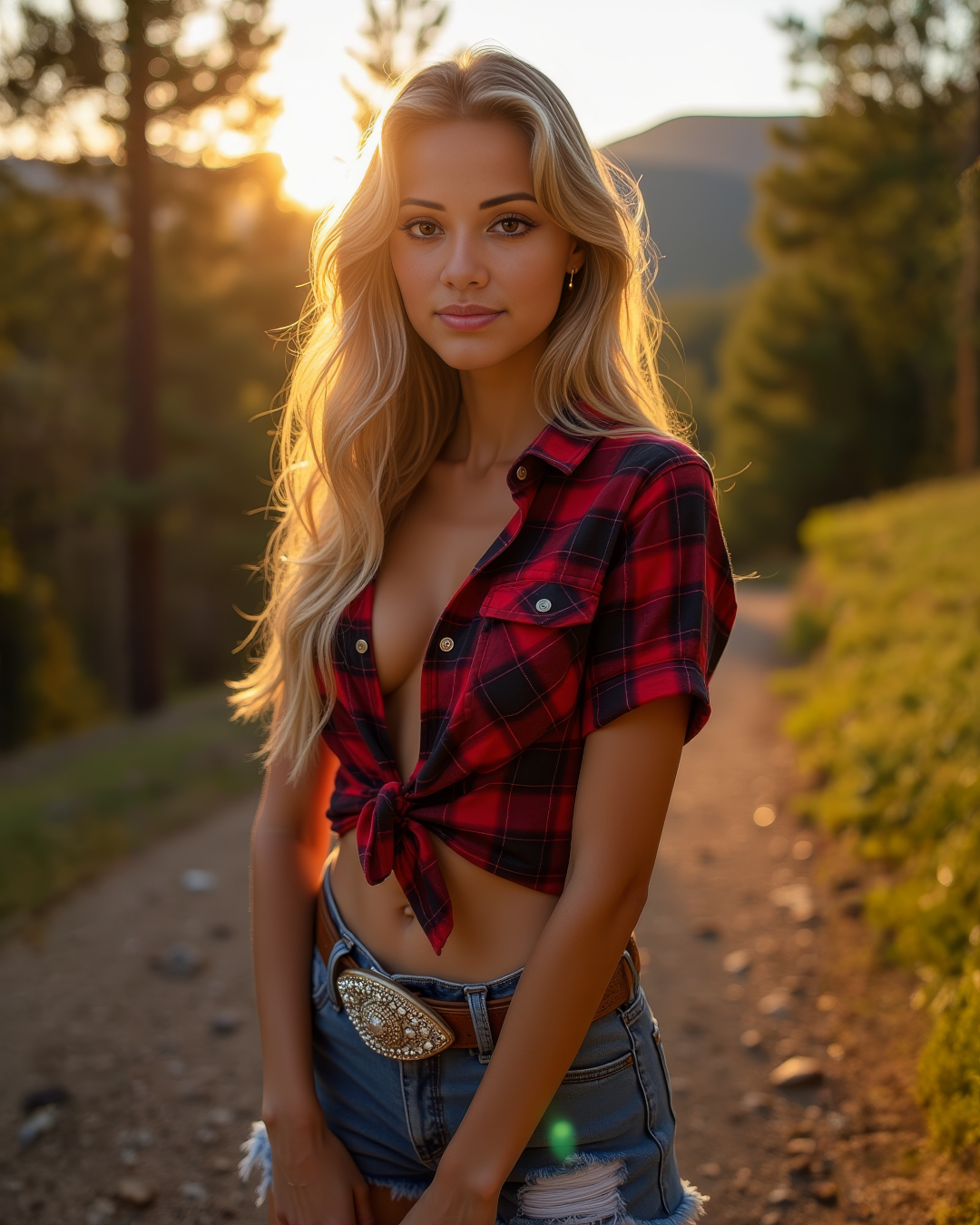
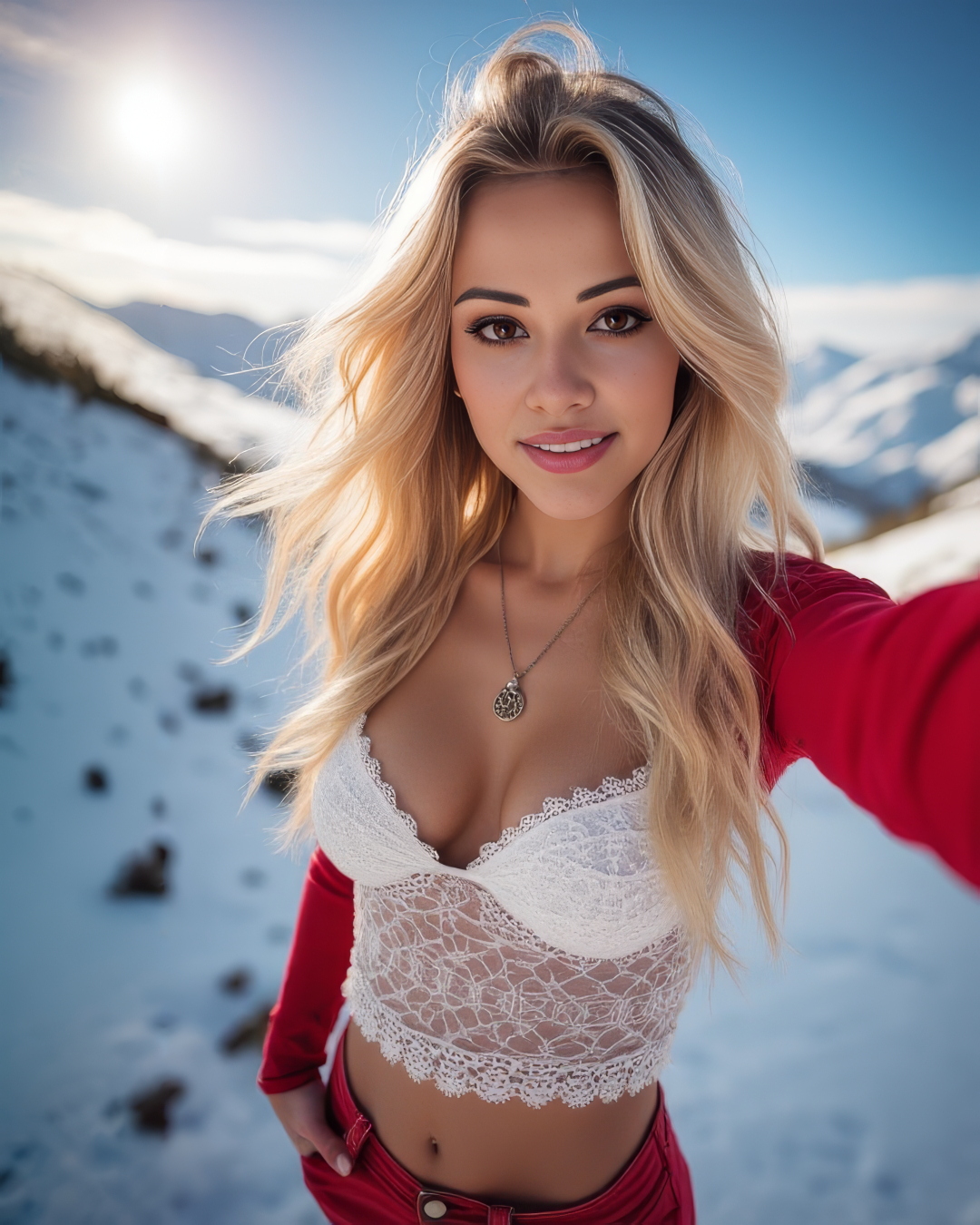
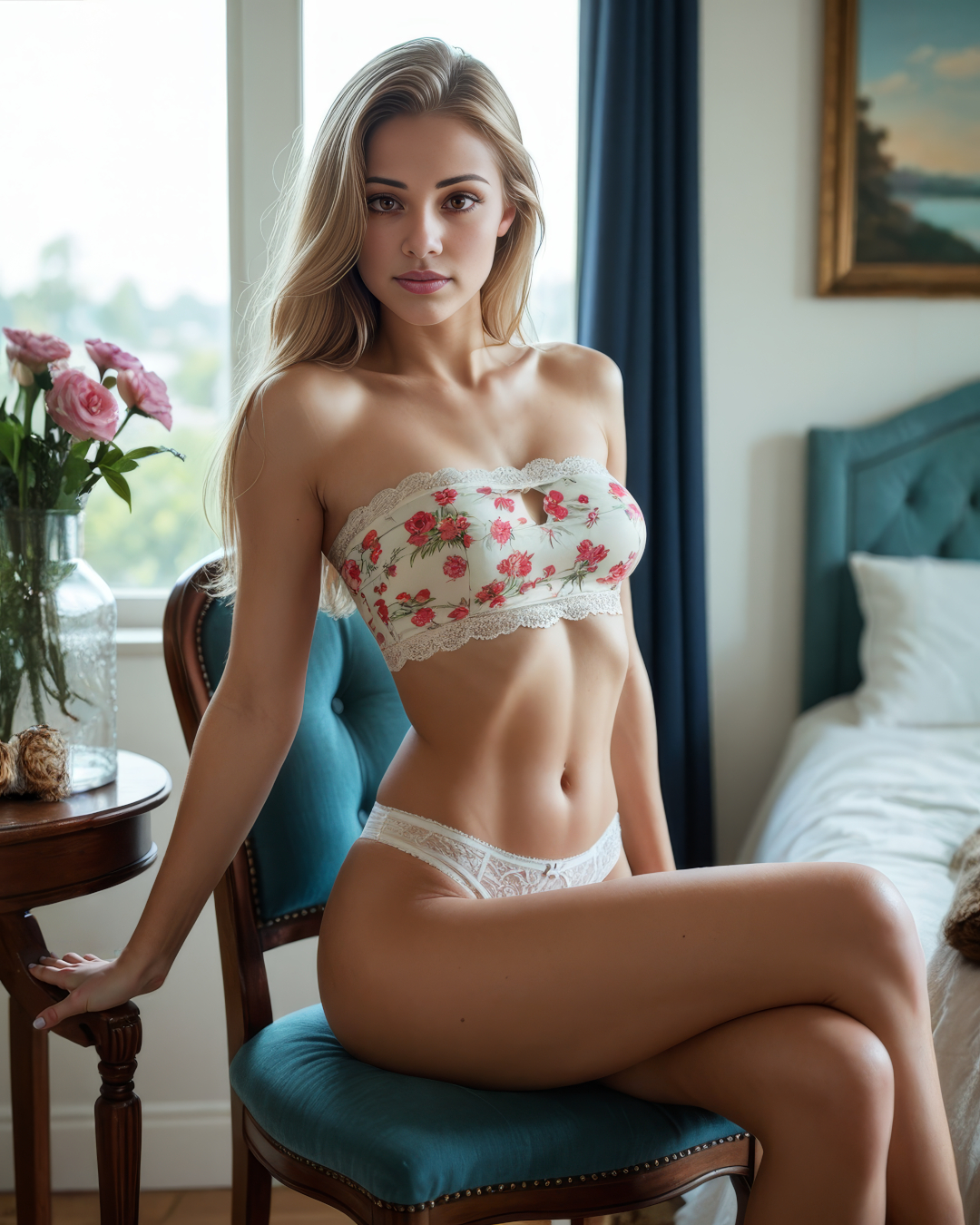
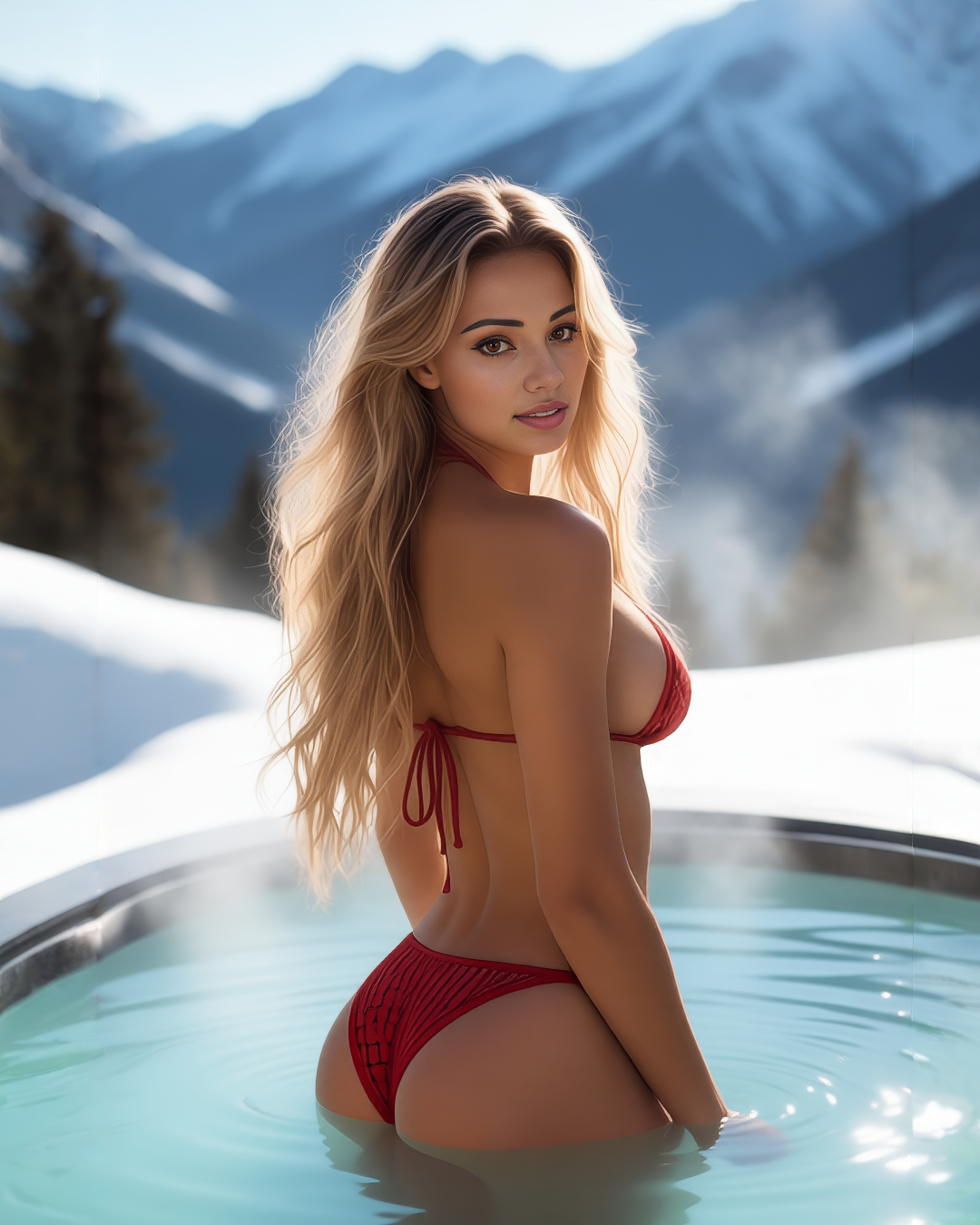
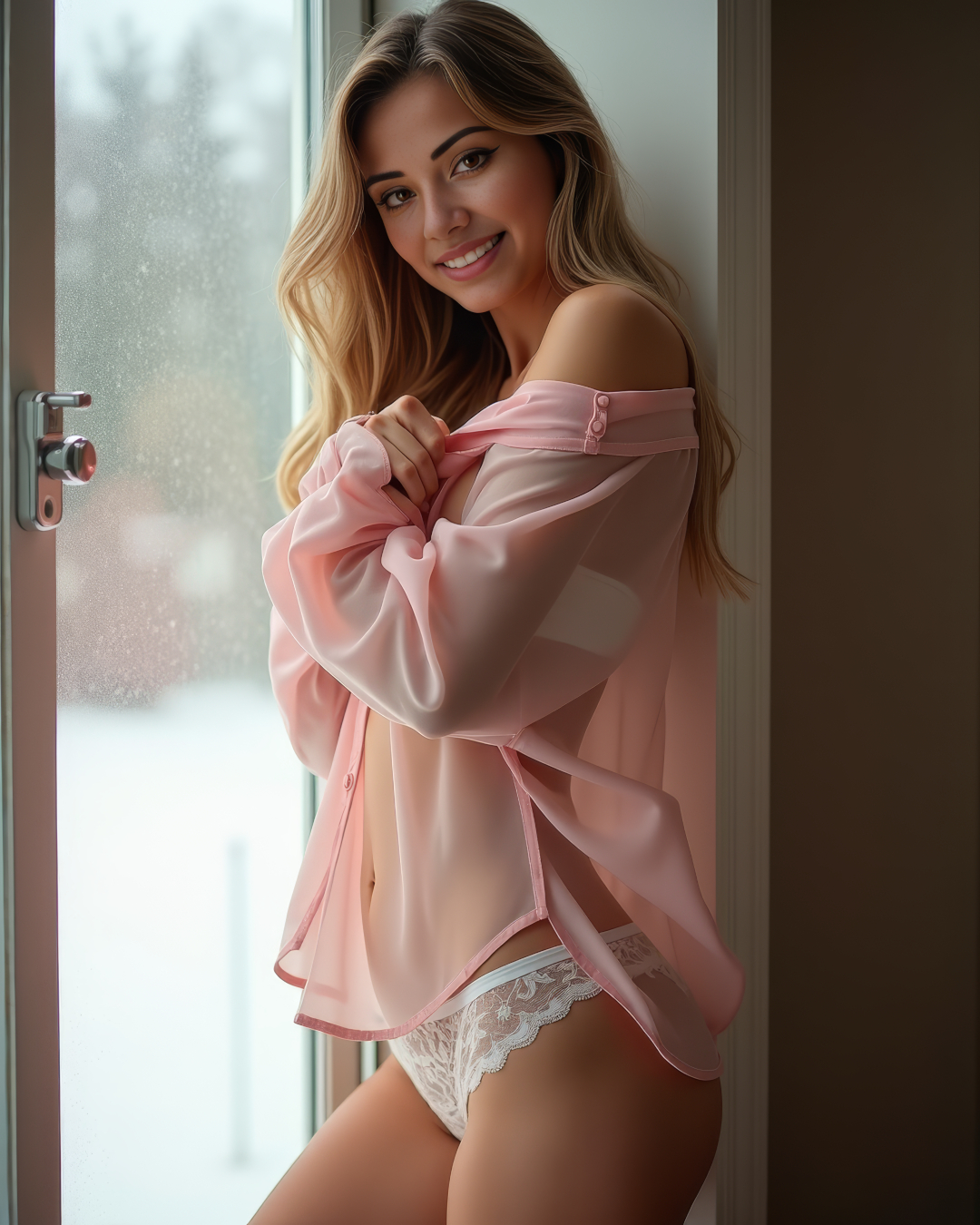
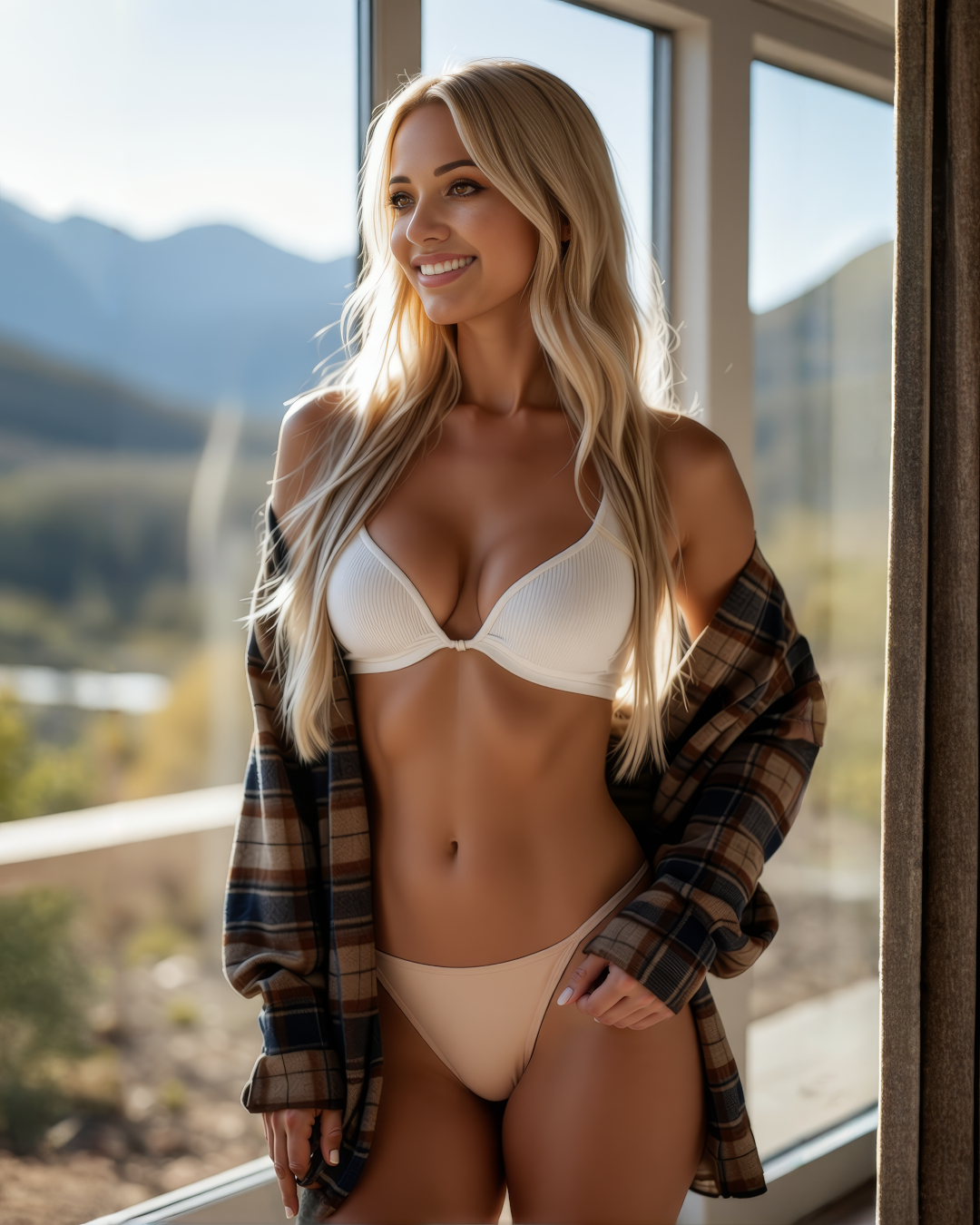
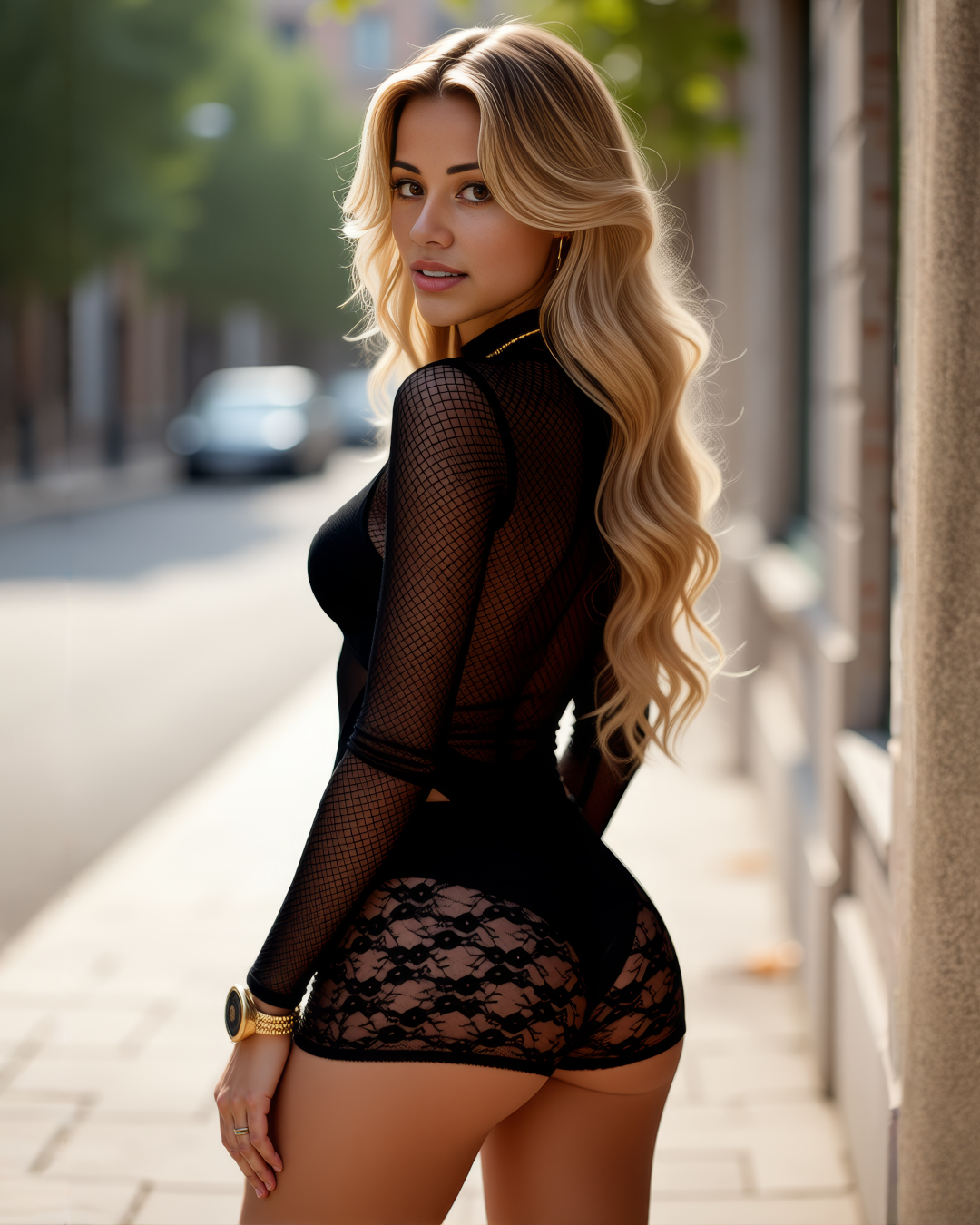
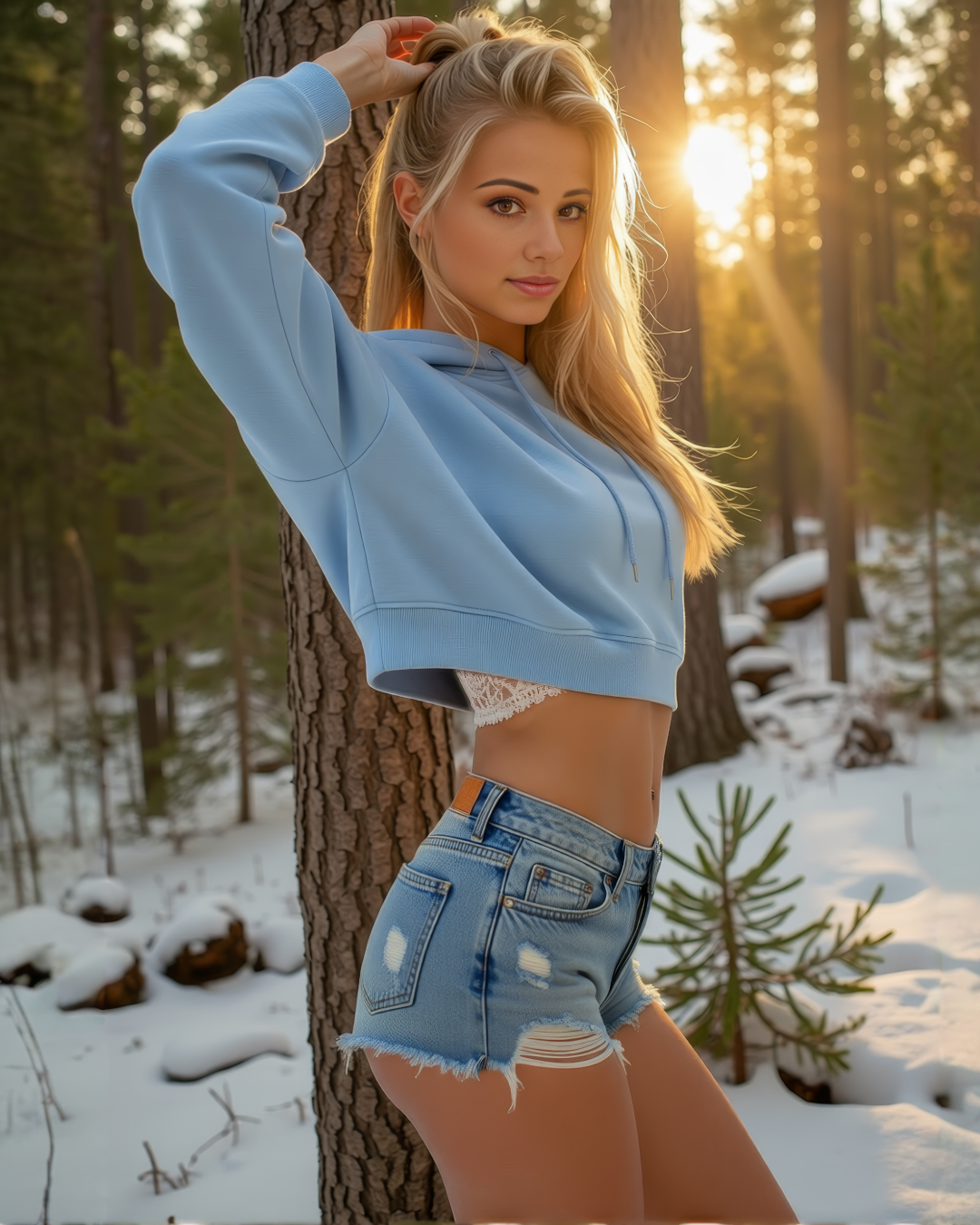
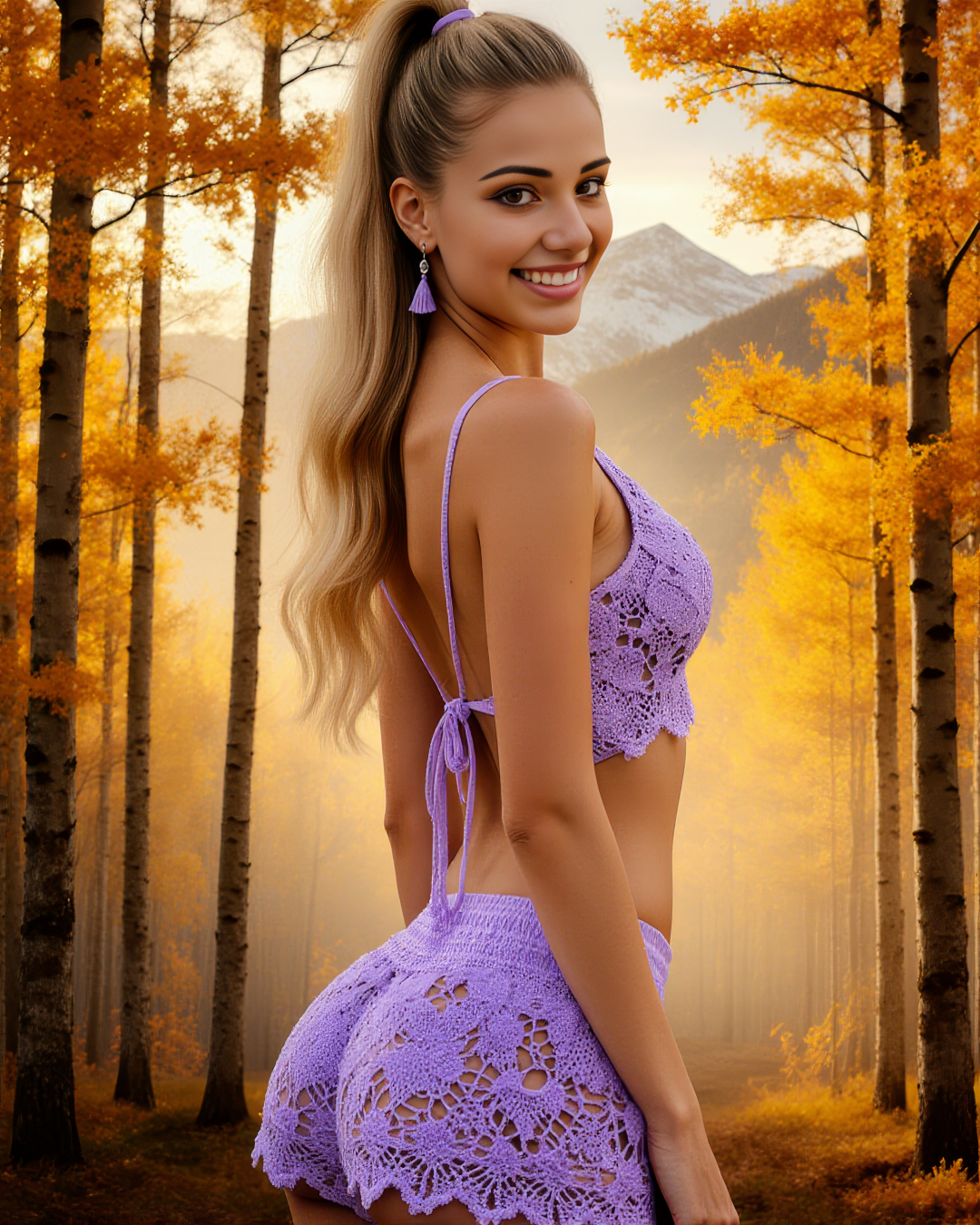
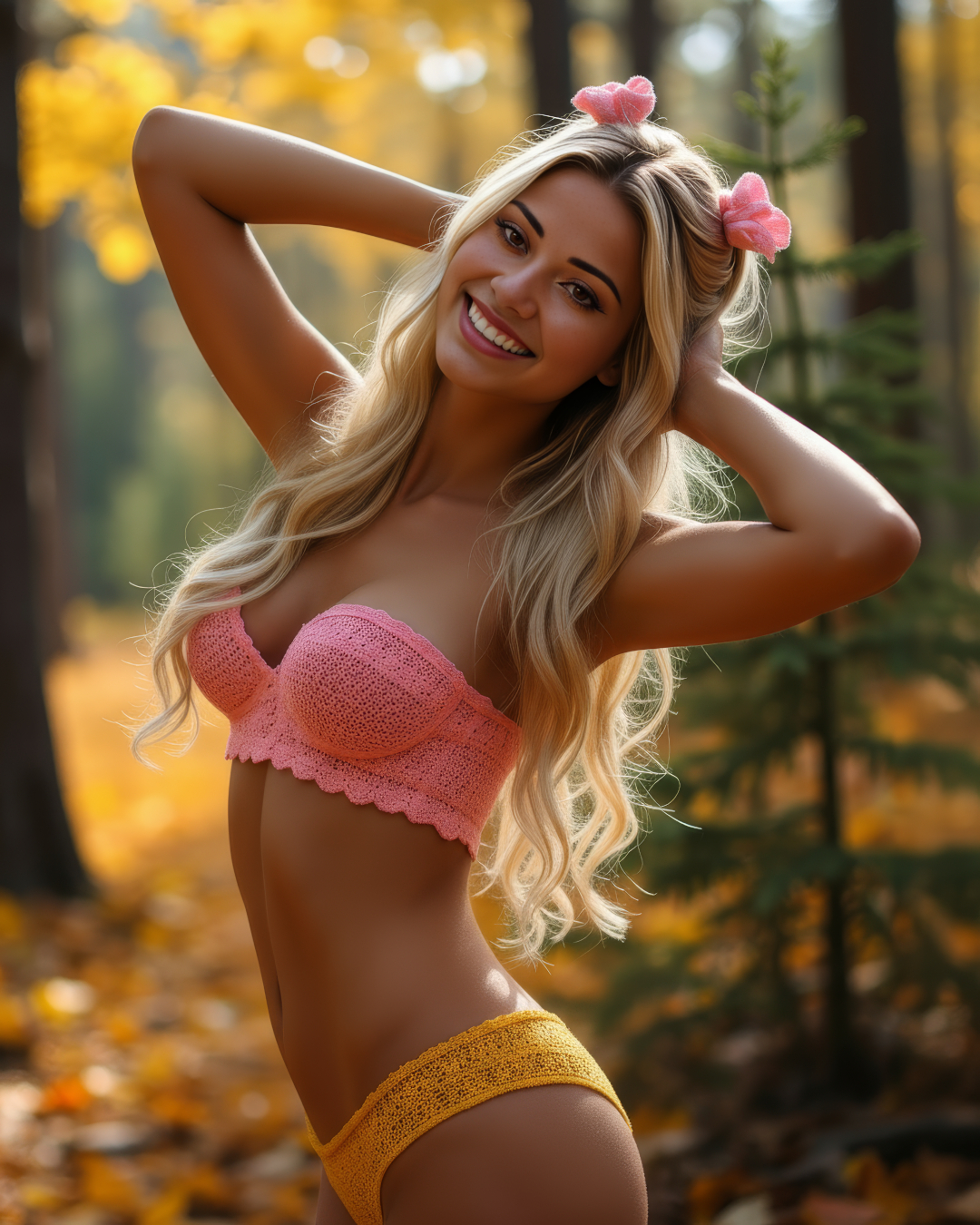
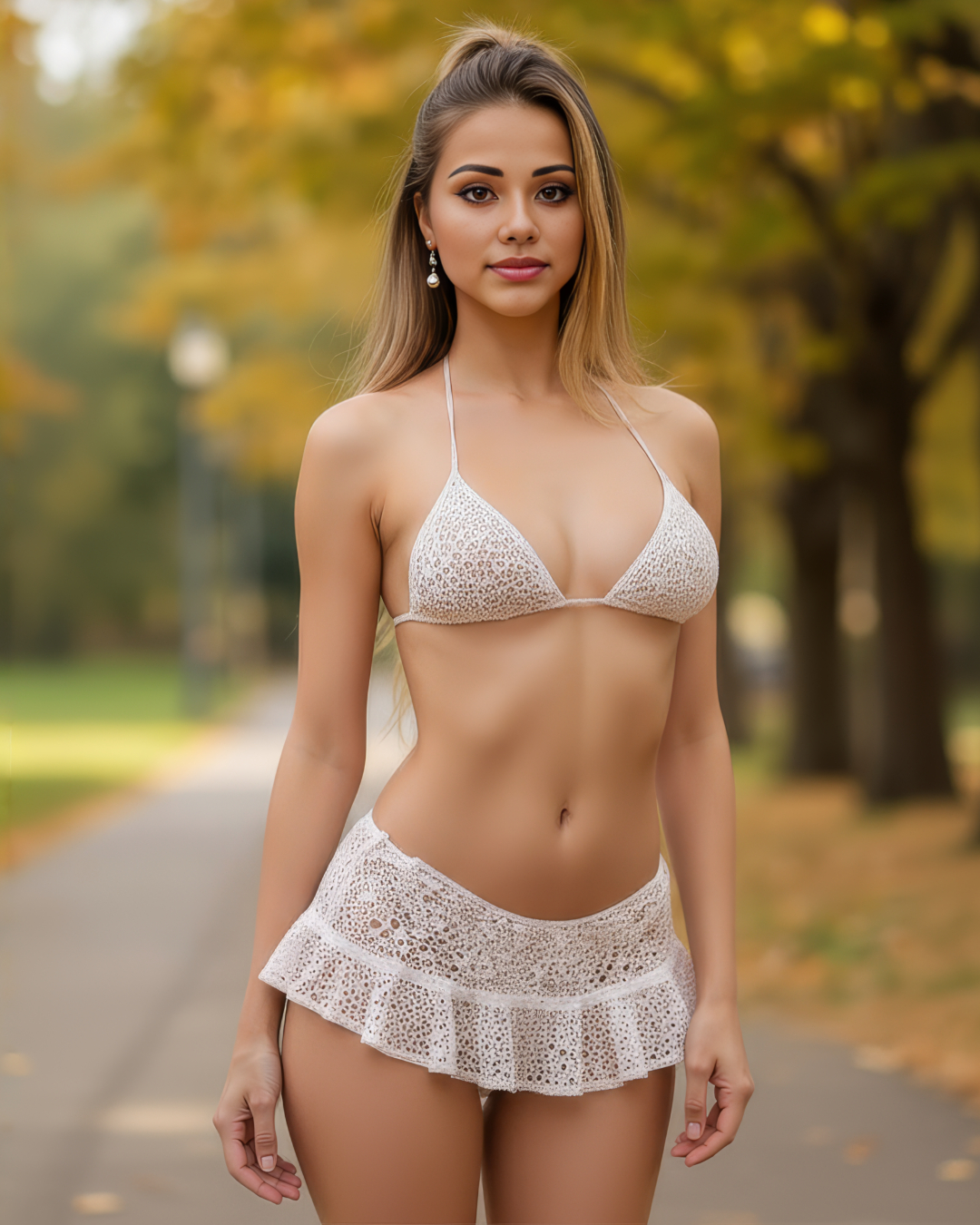
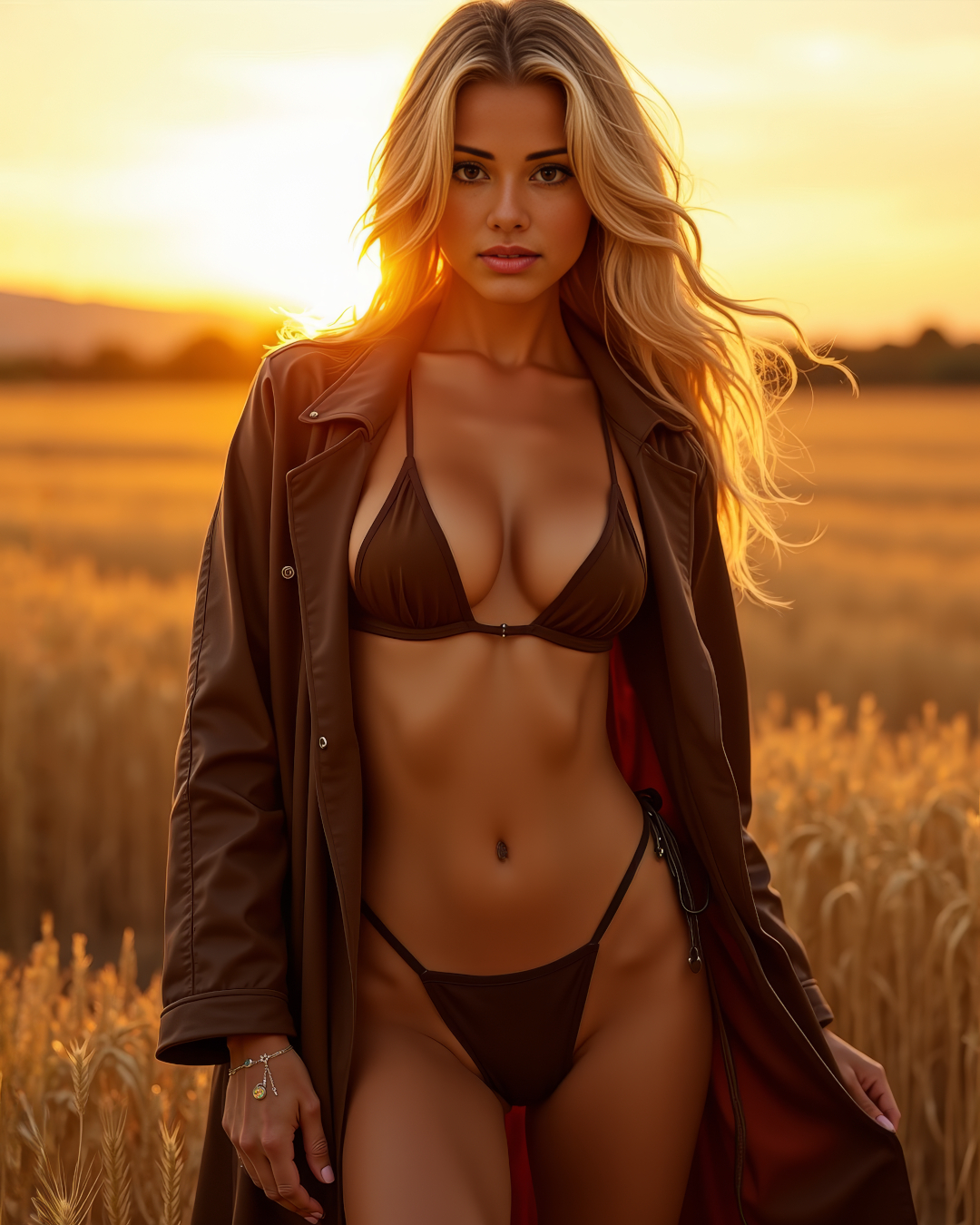
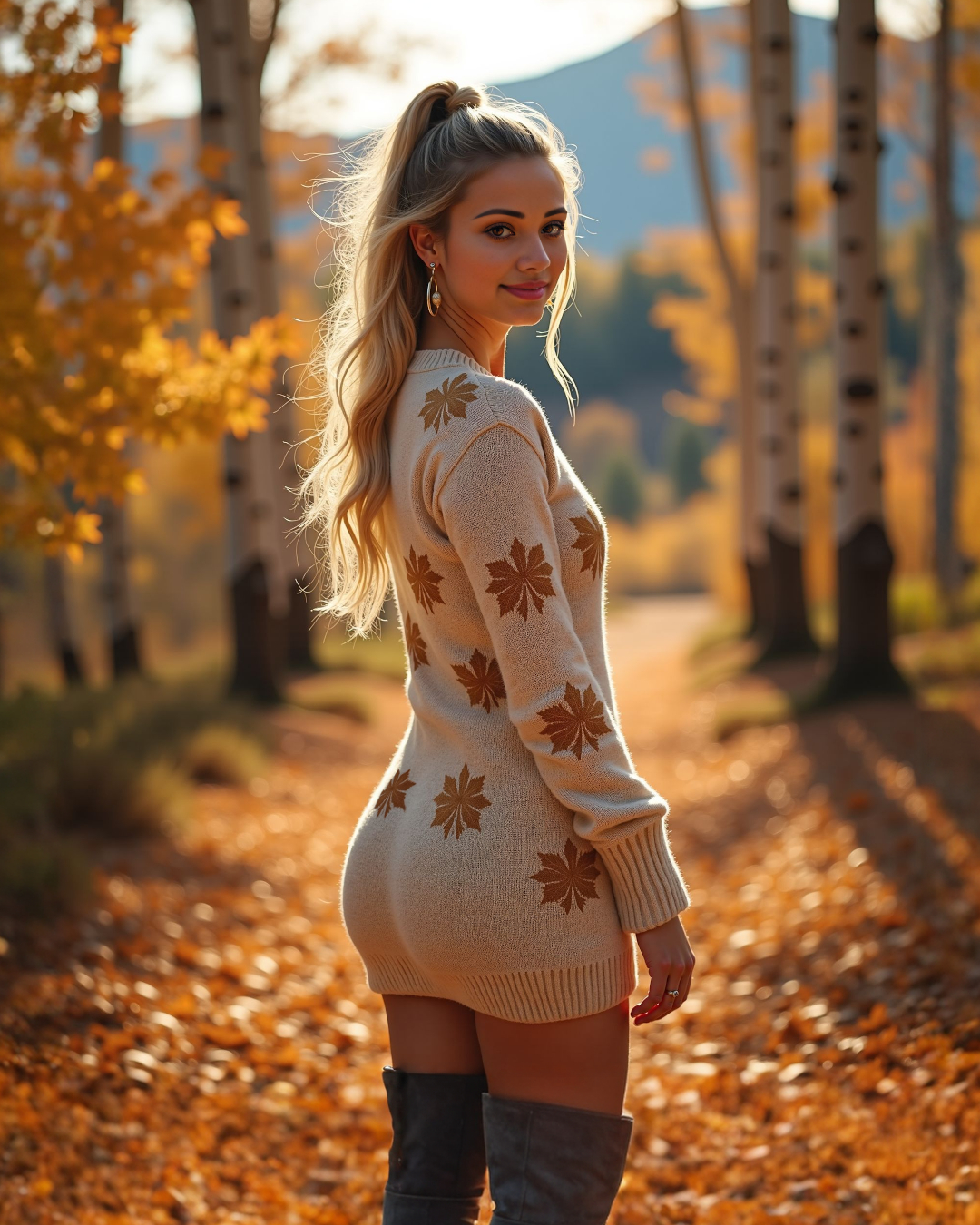
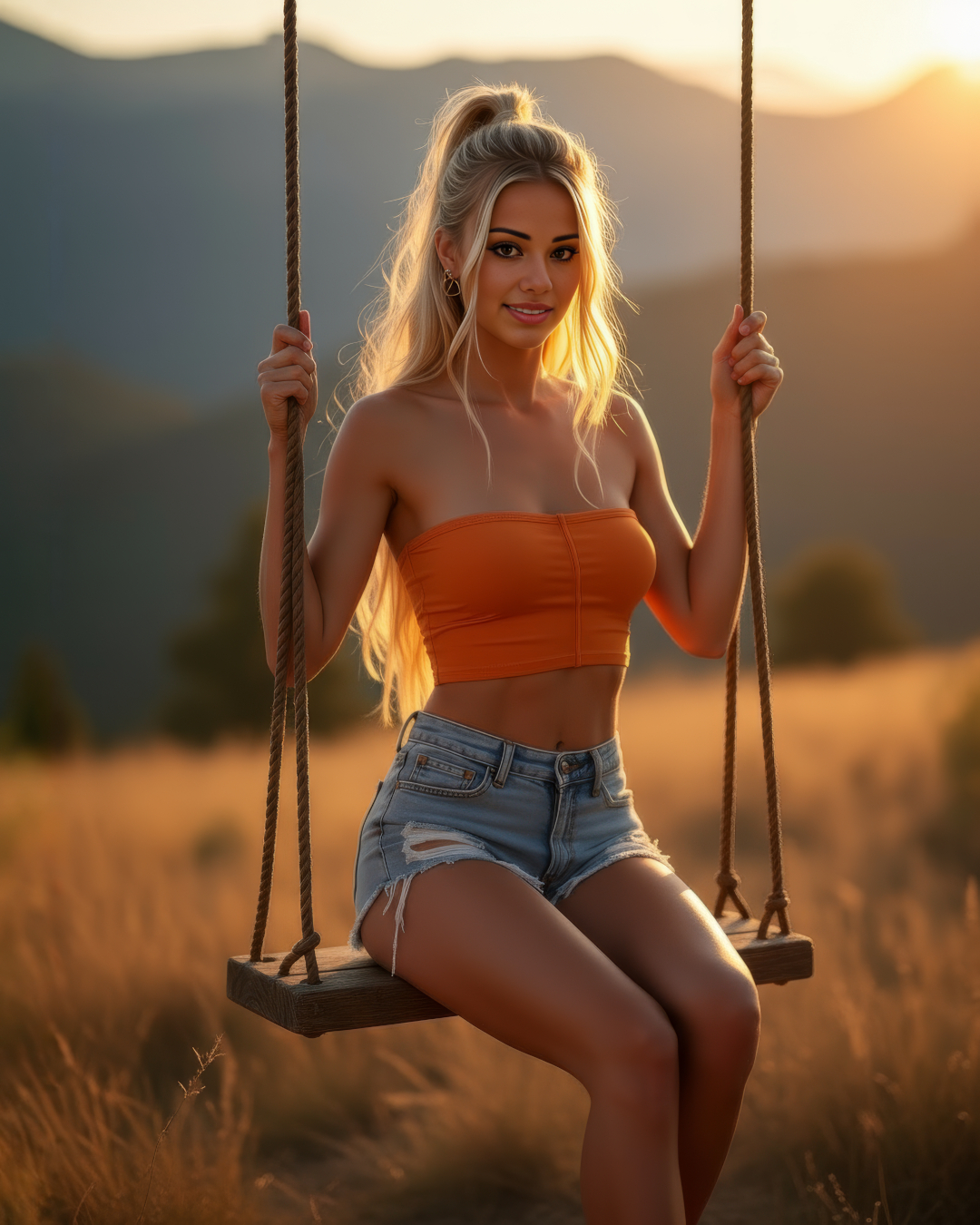
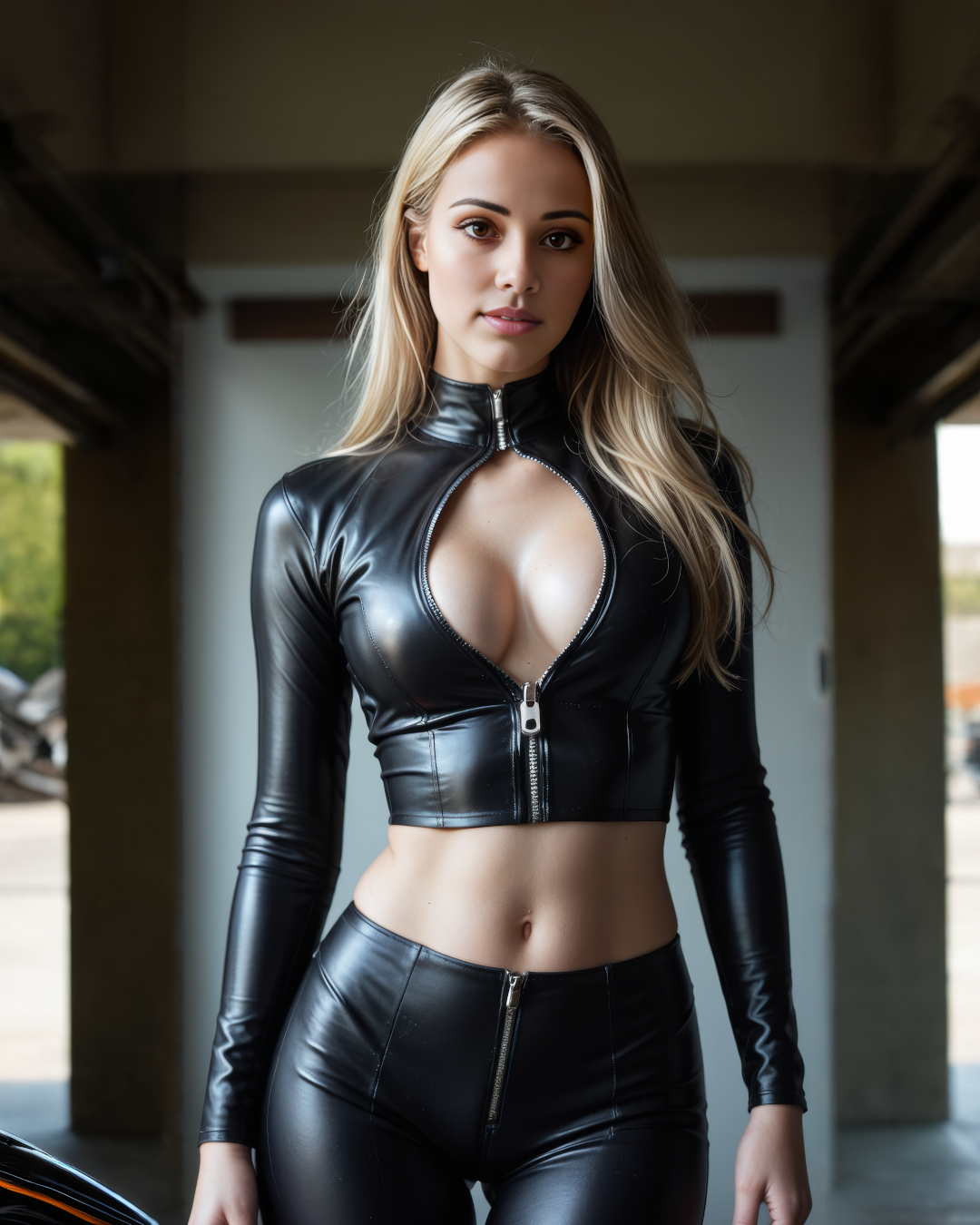
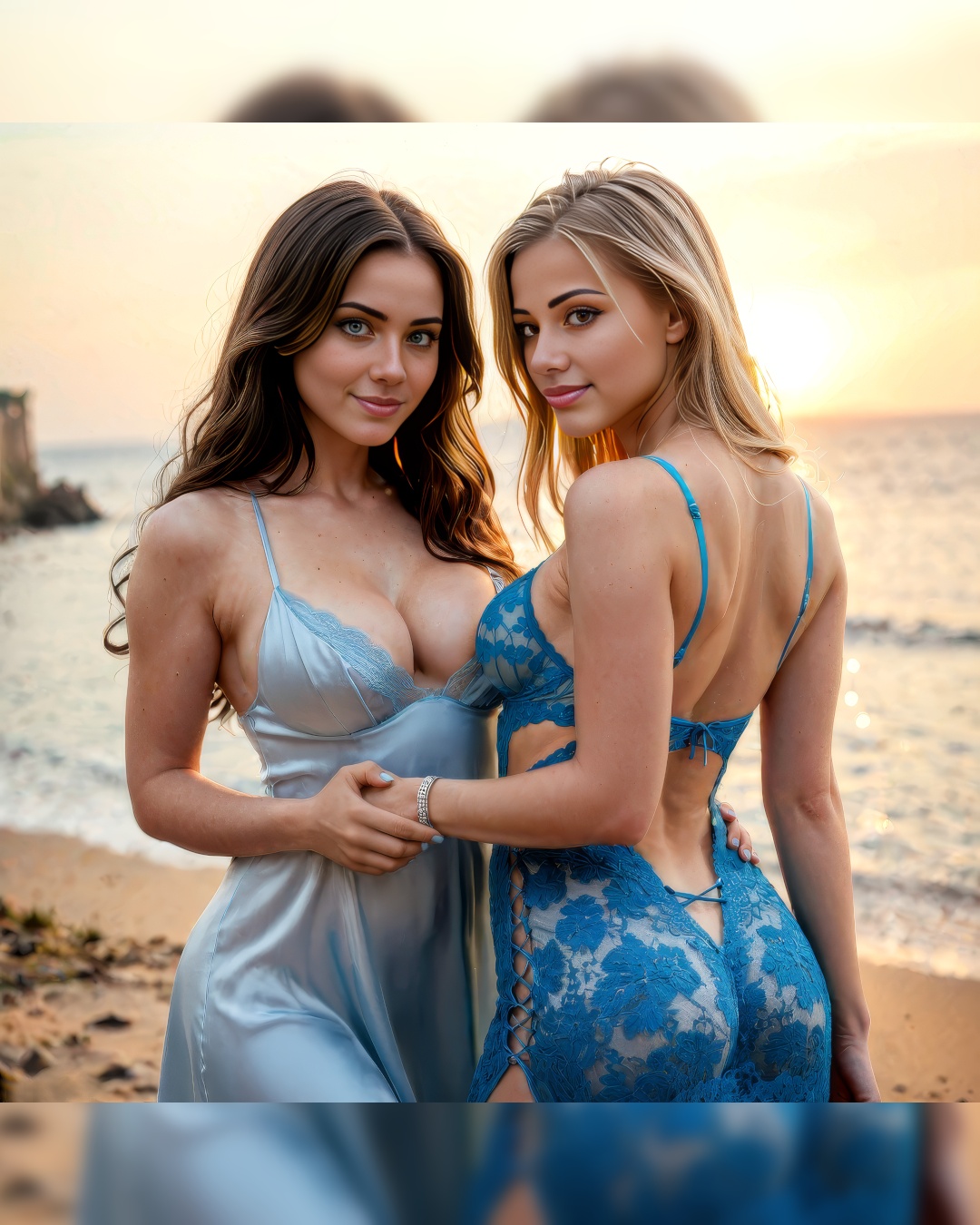
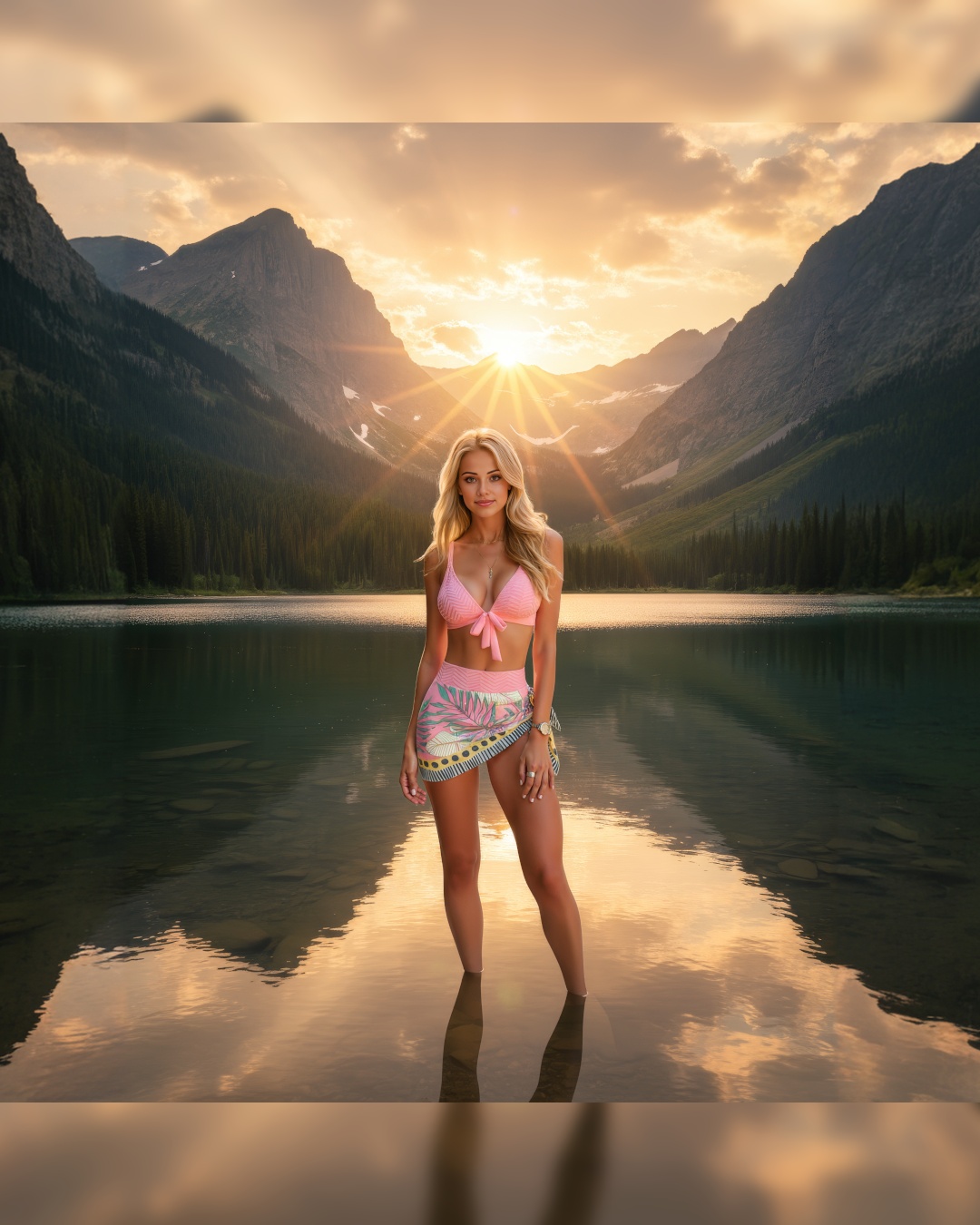
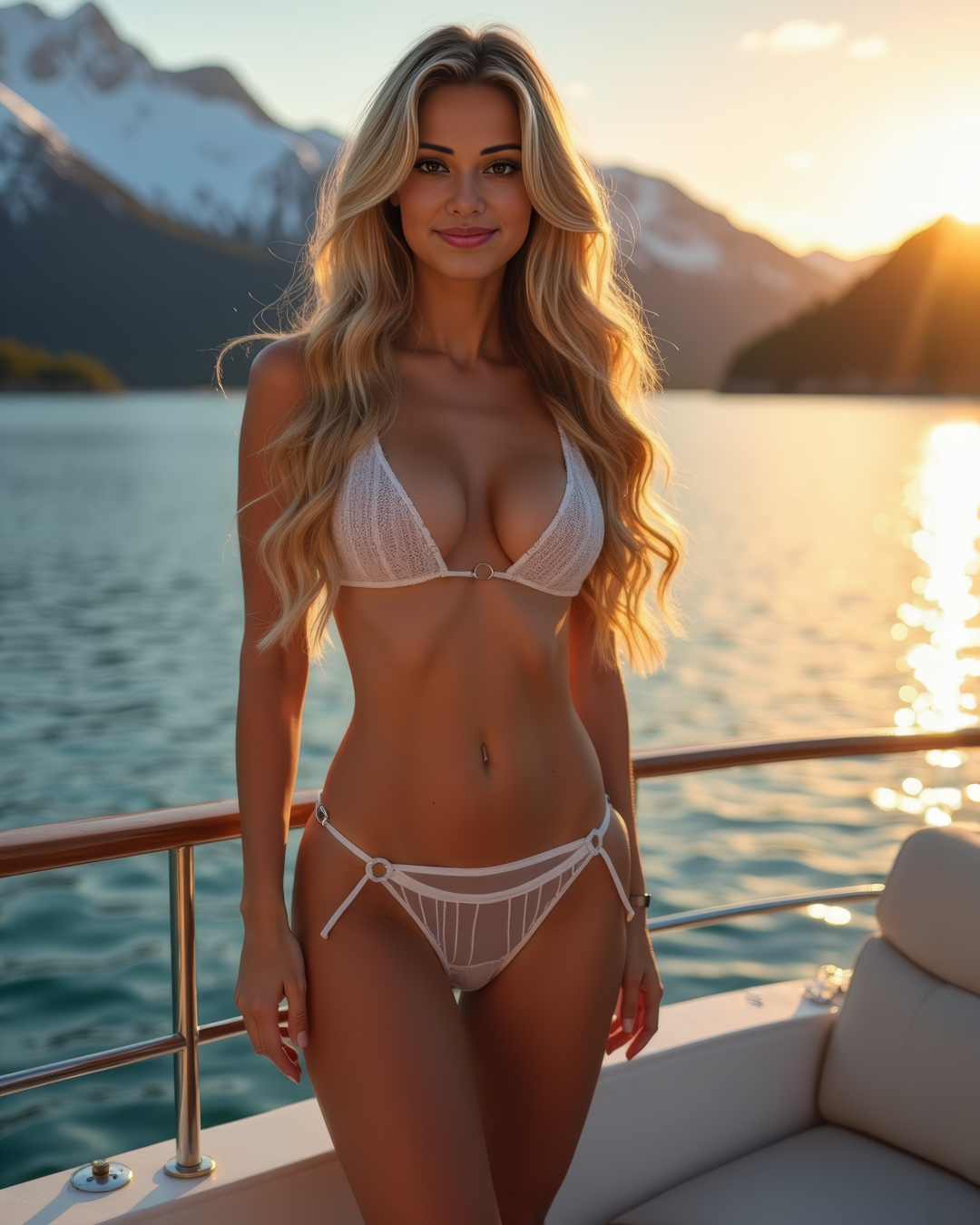
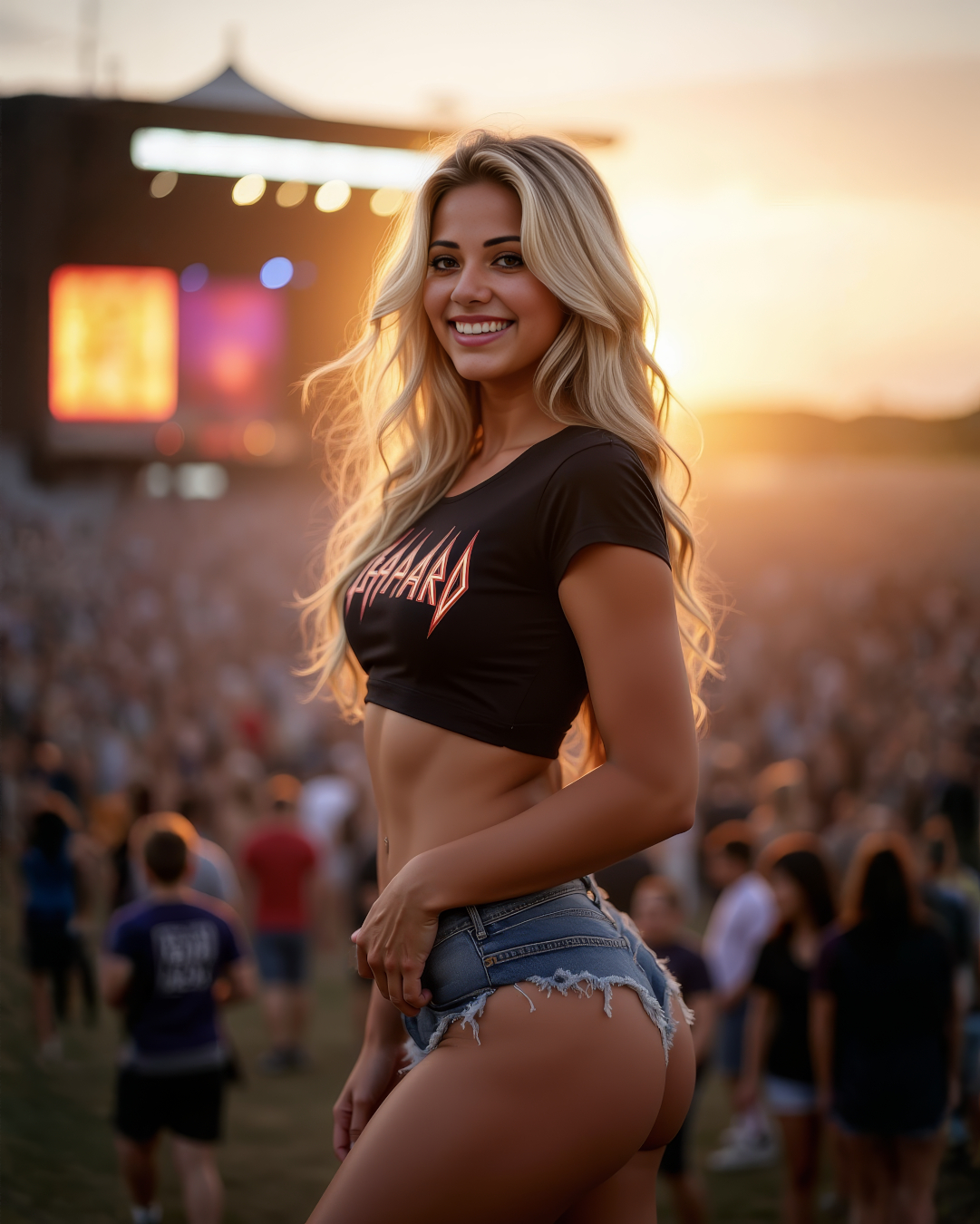
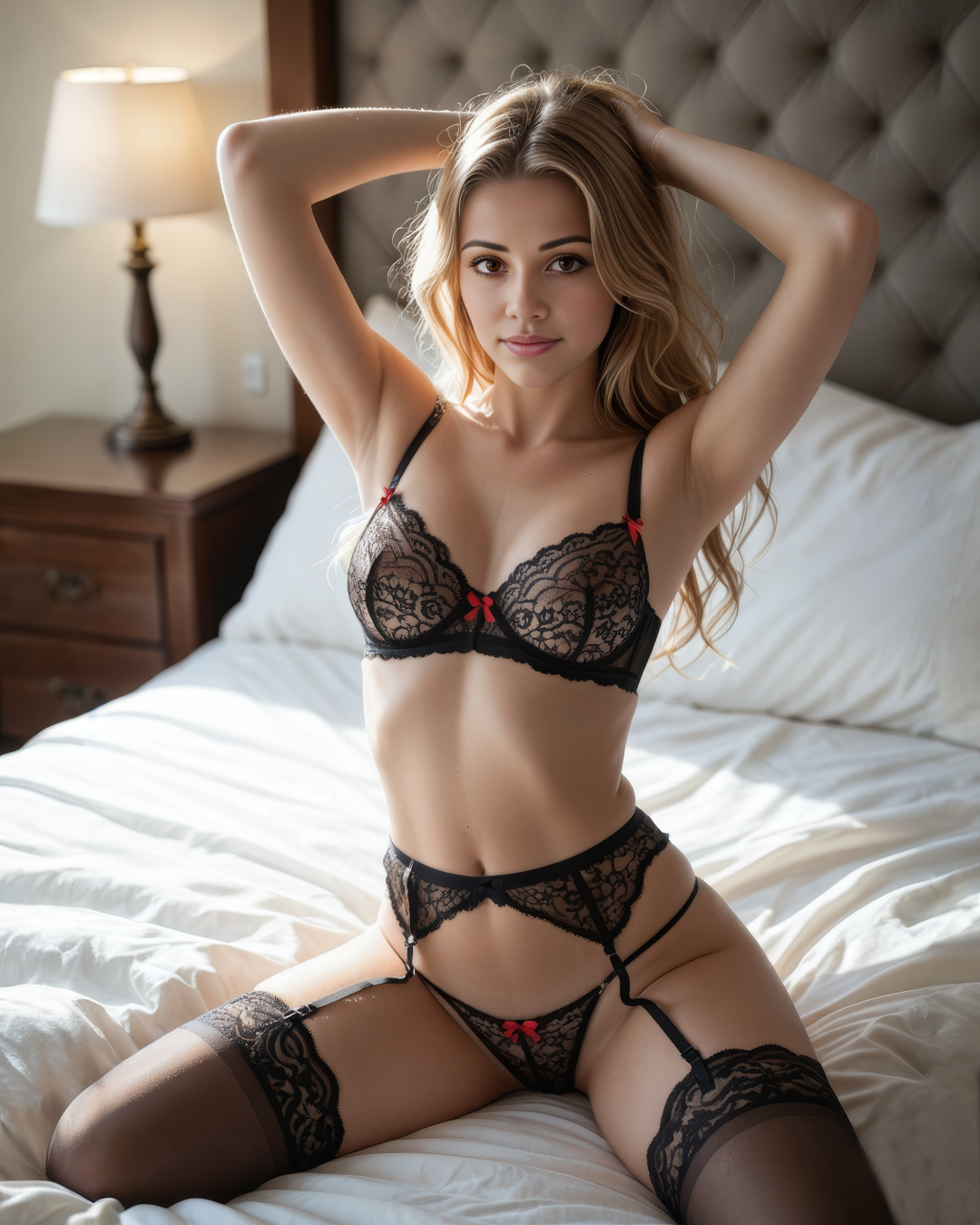
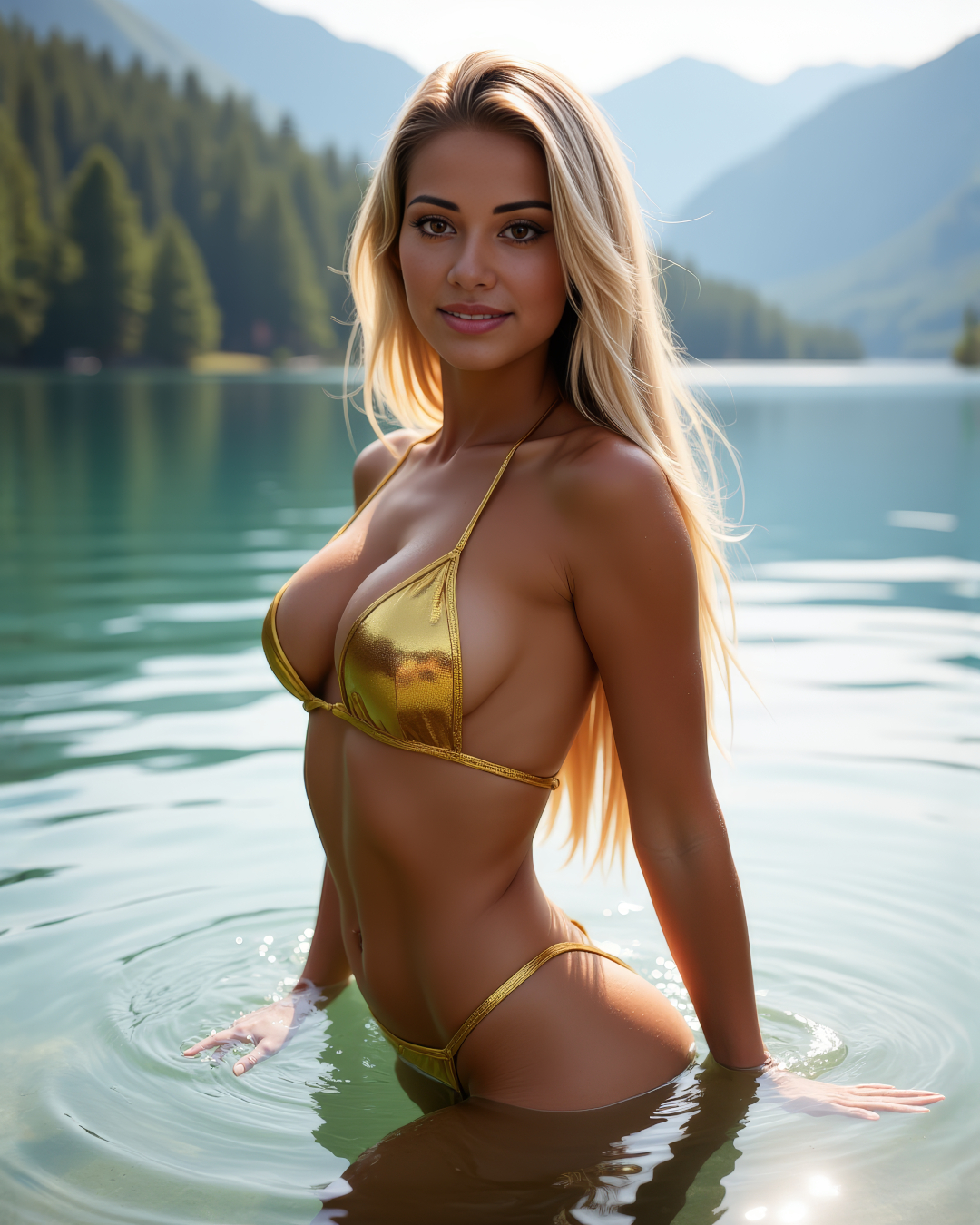
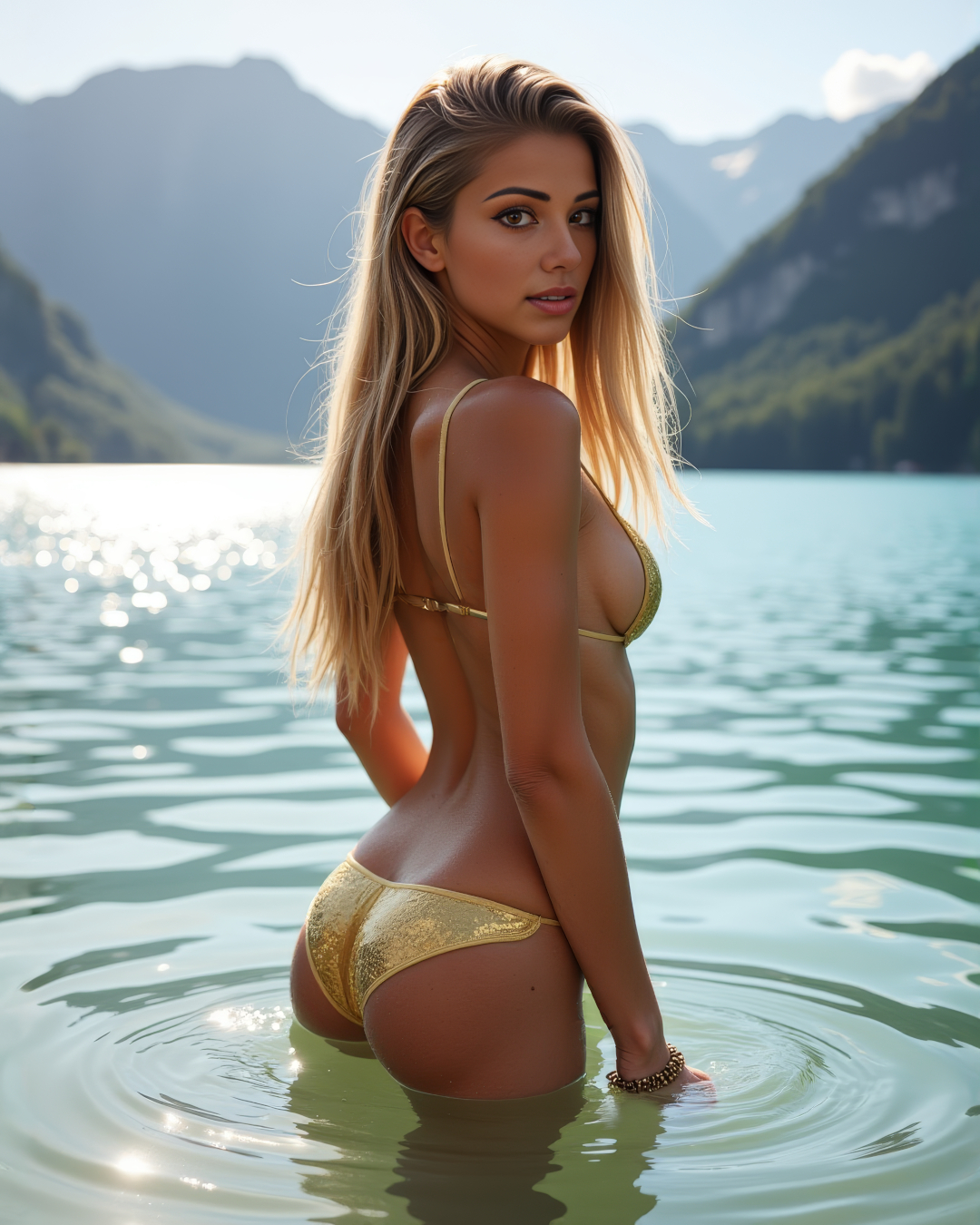
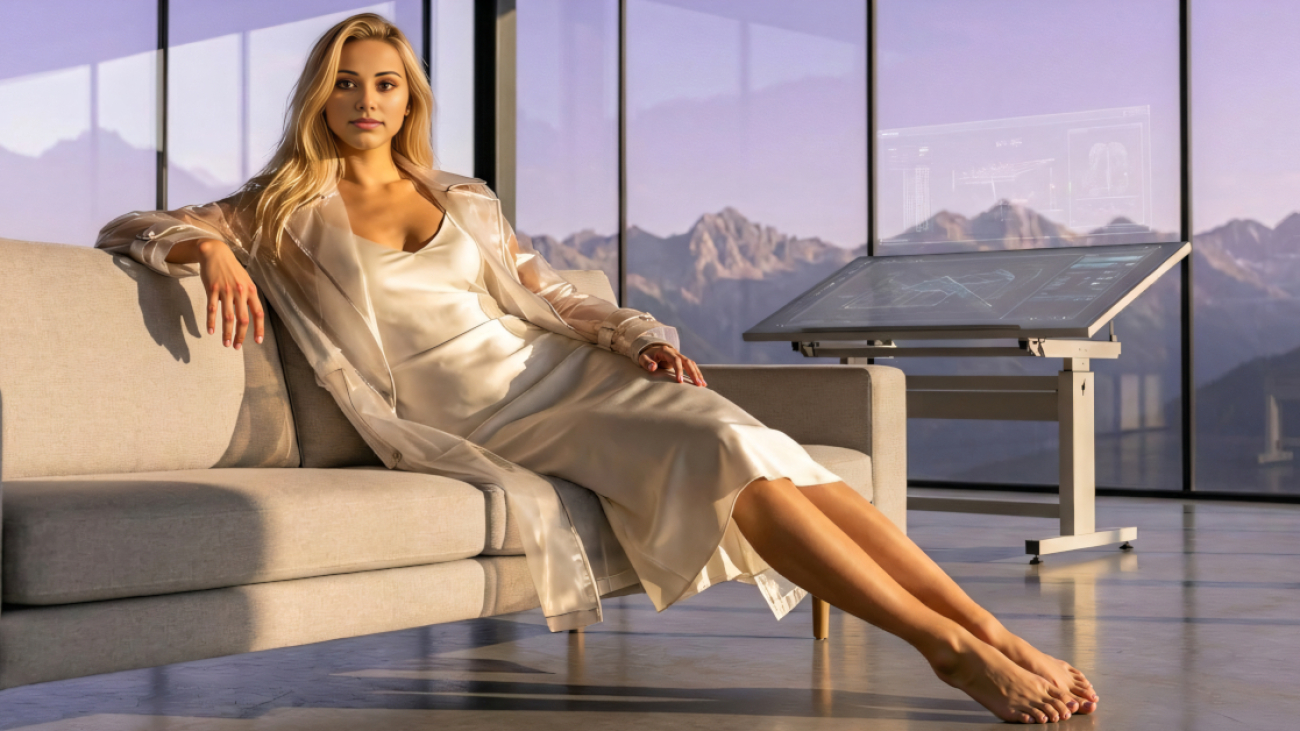
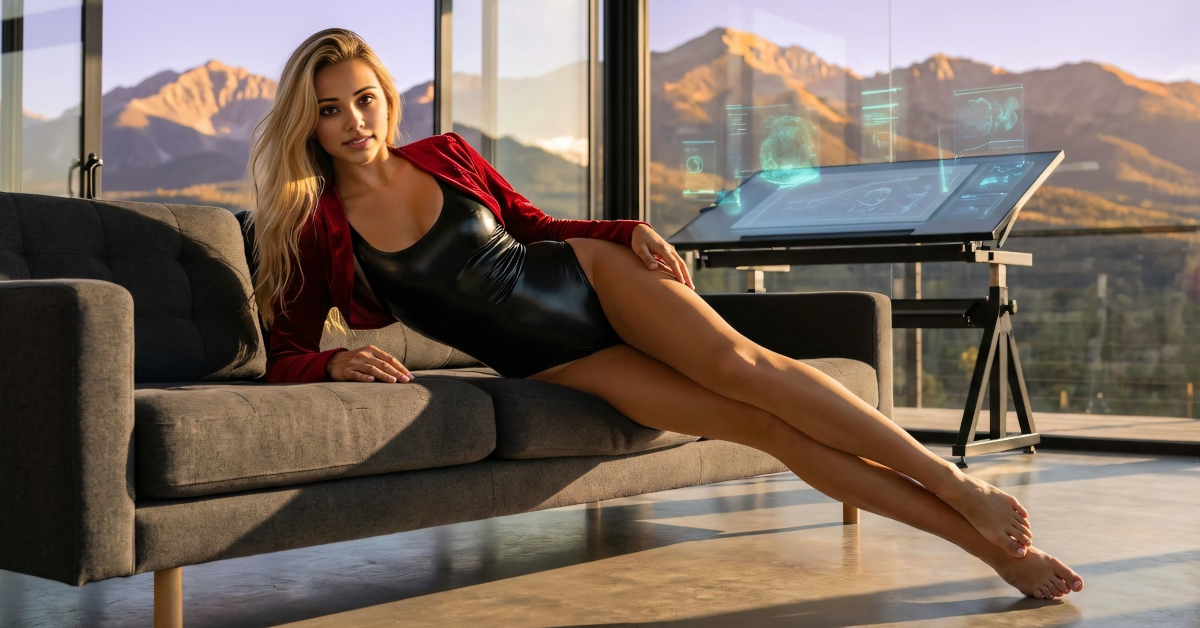
Using AI as a creative tool, I’m able to explore scenes that feel rooted in the Rockies while still embracing a sense of fantasy — winter mornings that last a little longer, sunsets that feel more golden, editorial looks that belong somewhere between a mountain town and a dream.
It’s not about perfection. It’s about atmosphere.
This project is an ongoing exploration of how technology, nature, and personal style can combine to create something that feels both familiar and entirely new.
Over time, RockyMtnBabe® became more than a creative exercise — it became a way to express an atmosphere that felt difficult to capture in the physical world alone. A place where softness could exist beside strength, where elegance could stand against rugged terrain, and where identity could shift gently between reality and imagination.
In many ways, the mountains themselves shaped the tone of this work. The quiet stillness of snowfall, the movement of wind across an alpine ridge, the golden haze that settles just before sunset — each moment offered a visual language that continues to inform the styling, mood, and presence behind every image.
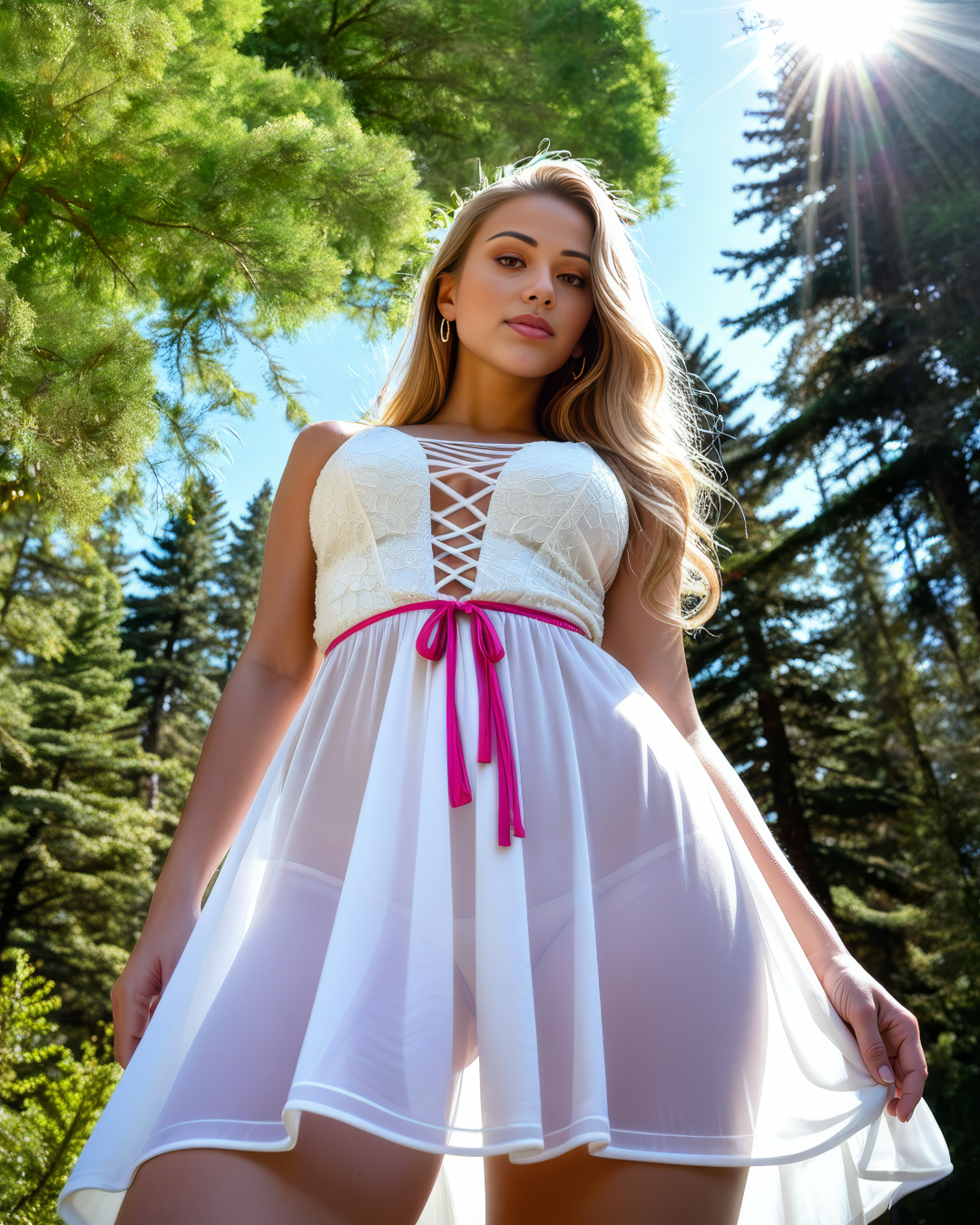
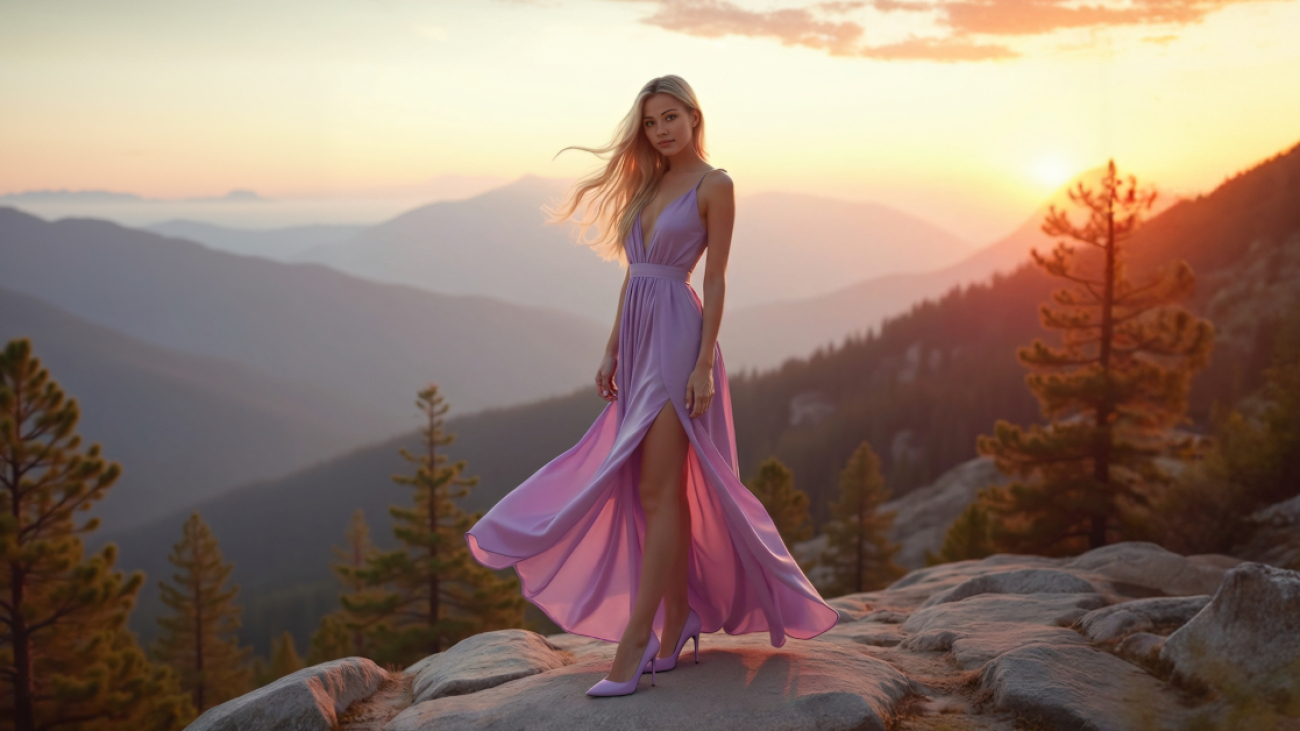
Fashion became the medium through which that inspiration could take form. A silhouette against a lavender sky, a flowing dress moving with the mountain breeze, or the contrast of delicate fabric against raw stone all serve as reflections of the same underlying idea: that beauty often emerges where contrast exists.
RockyMtnBabe® lives in that contrast — between nature and design, stillness and movement, realism and fantasy.
It is an ongoing attempt to create something that feels not entirely imagined, but remembered.
 Explore more of my world here →