


There is a phrase circulating right now in creative spaces: “AI slop.”
It’s meant to shame. To dismiss. To draw a line between “real” creativity and something lesser.
But history tells a very different story.
Not only is this reaction familiar — it is predictable. In fact, nearly every major shift in visual art and creative technology has been met with the same contempt, the same ridicule, and the same fear-based language.
And every time, history has been very clear about who was wrong.
When Photography Was “Cheating”
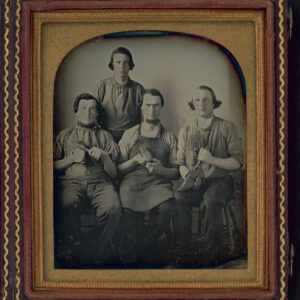
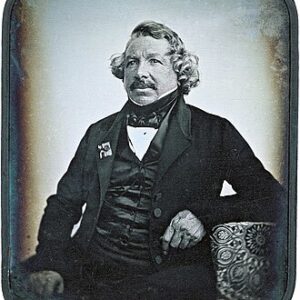
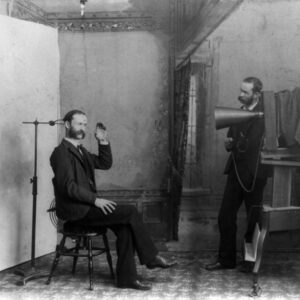
When photography emerged in the mid-1800s, it was not welcomed as art. Painters and critics called it mechanical, soulless, and lazy. They argued that if a machine captured the image, then the artist’s hand — and therefore artistry itself — was absent.
Photography was dismissed as a shortcut for people who couldn’t paint.
What was actually happening was simpler and more uncomfortable:
a tool had arrived that lowered the barrier to entry, expanded who could create images, and disrupted an existing hierarchy.
Photography didn’t destroy painting.
It didn’t erase skill.
It didn’t eliminate human vision.
It became its own art form — and reshaped every visual medium that followed.
When Impressionism Was “Unfinished Garbage”
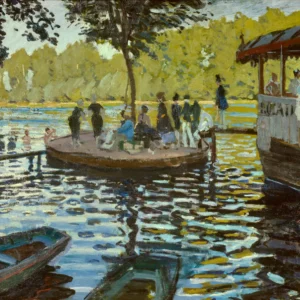
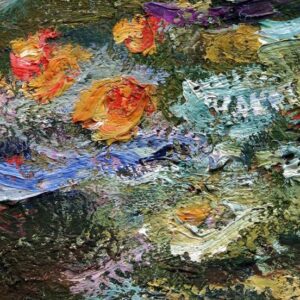
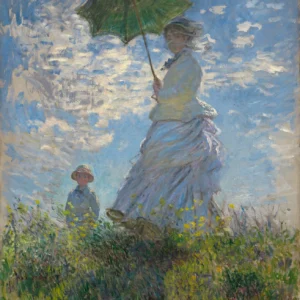
The word Impressionism began as an insult.
Critics sneered at loose brushstrokes, unfinished forms, and paintings that looked more like fleeting moments than polished masterpieces. These works were called sloppy, juvenile, and technically inferior.
Sound familiar?
The accusation was not really about technique.
It was about breaking expectations.
Today, those same paintings are some of the most celebrated works in history — precisely because they dared to value perception, emotion, and interpretation over rigid rules.
When Collage Was “Trash Art”
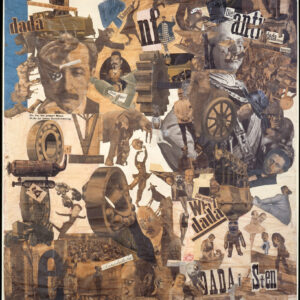
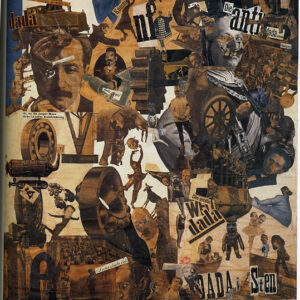

When artists began cutting up newspapers, photographs, and advertisements to create collage and photomontage, critics recoiled. This wasn’t creation — it was destruction, randomness, junk.
Anyone could do it, they said.
But that argument has always missed the point.
Collage wasn’t about inventing new materials.
It was about selection, context, and meaning.
And those qualities — choice, intention, narrative — are deeply human.
When Digital Art Was “Computer Crap”
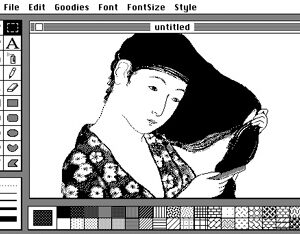
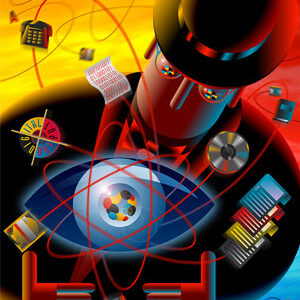
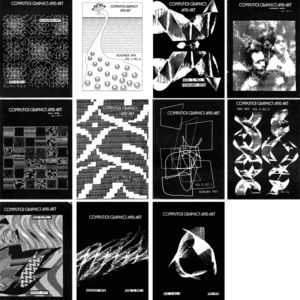
When artists moved to computers in the late 20th century, the backlash returned. Pushing buttons wasn’t art. Using software was cheating. Real artists used pencils, paint, and canvas.
Digital art was sidelined, dismissed, and excluded from serious spaces.
Now it dominates concept art, film, fashion, advertising, and design.
No one asks if Photoshop invalidates creativity anymore.
The tool became invisible.
The artist remained.
The Pattern We Keep Ignoring
Every one of these moments followed the same arc:
- A new tool lowers the barrier to creation
- Volume increases dramatically
- Quality becomes uneven
- Gatekeepers feel threatened
- A derogatory label emerges
The insult is never really about quality.
It’s about abundance.
When creation becomes accessible, the myth that scarcity equals value collapses. And when that myth collapses, fear rushes in to replace it.
What “AI Slop” Really Means
“AI slop” is not a critique of AI.
It’s a critique of unfiltered output — of work without taste, intention, or authorship. But those flaws are not unique to AI. They exist in every medium, at every moment in history.
Bad photography didn’t invalidate photography.
Bad paintings didn’t invalidate painting.
Bad digital art didn’t invalidate digital art.
The worst work always disappears.
What remains is what always mattered:
- Vision
- Curation
- Story
- Emotion
- Voice
AI does not remove the human from creativity.
It exposes whether the human was ever there to begin with.
The Truth History Always Confirms
Tools do not define art.
Artists do.
AI is not the end of creativity — it is a mirror. It reflects intention, taste, and care with startling clarity. When used carelessly, it produces noise. When used thoughtfully, it produces work that feels unmistakably human.
The same was once said of cameras, brushes, scissors, and software.
And history has already told us how this story ends.
The slop fades.
The art remains.



Add a Comment